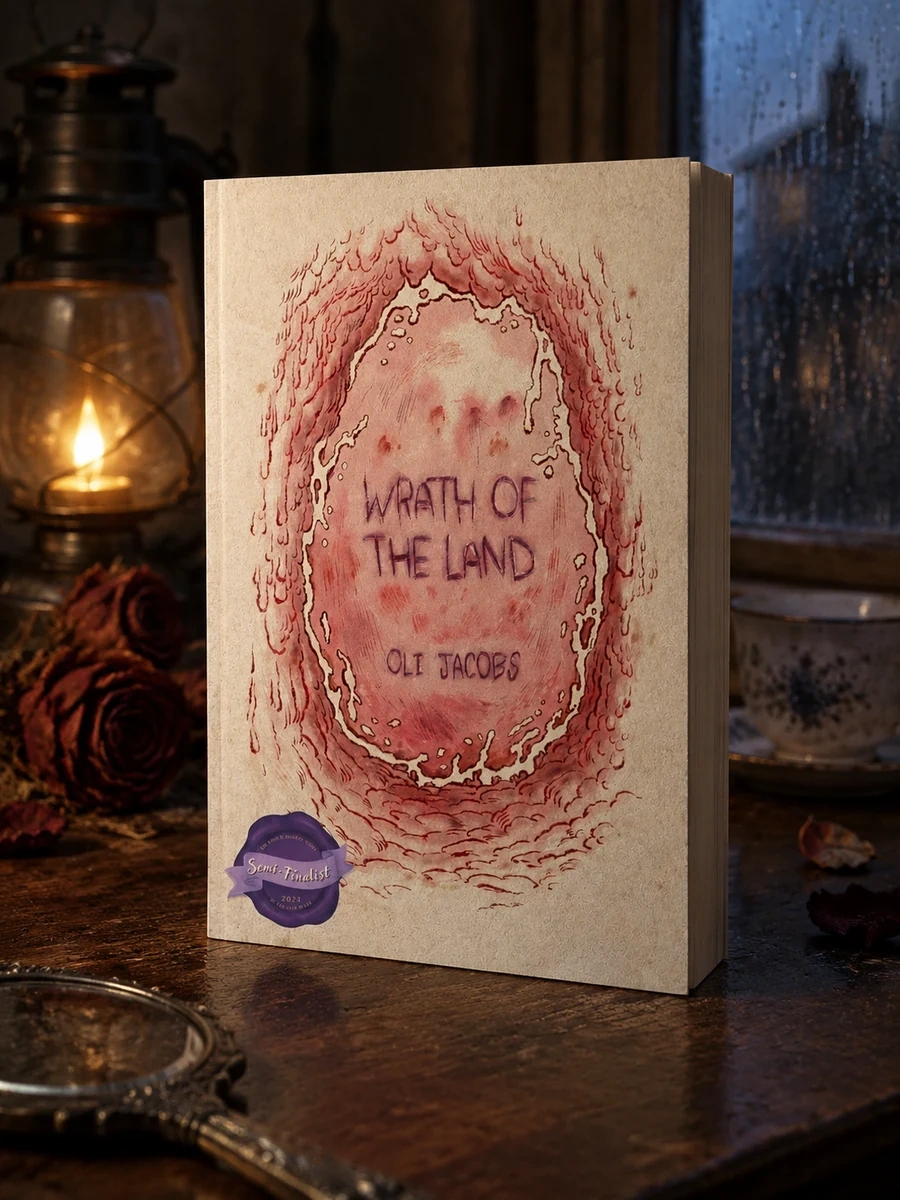
Wrath of the Land
A council worker fights a sprouting fatberg in West Crumb.
Jacobs explores the intersection of civic duty and cosmic terror. Ronald Pile’s task to clear a massive obstruction reveals a conspiracy within the local council. Laura Bennett tracks the psychological effects on the town. The text examines how ordinary systems fail when confronted with organic, unnatural growth. It critiques institutional opacity through the lens of biological horror. The author uses his experience with titles like Wilthaven to ground the fantastical elements in gritty reality. The narrative does not rely on jump scares but on the slow realization that the environment itself has turned hostile.
The work sits within contemporary American independent horror publishing, released in 2023. It engages with modern anxieties about infrastructure collapse and local government inefficiency. The setting of West Crumb reflects a generic US town where civic services are failing, creating a vacuum for the supernatural to emerge.


📝 Description: Wrath of the Land
💎 Our verdict on Wrath of the Land
📖 Why choose it
Why this book is worth reading
Readers who appreciate the specific blend of mundane bureaucracy and sudden supernatural disruption will find this narrative compelling. It offers a unique perspective on horror that emerges from modern infrastructure rather than ancient lineage. The book is ideal for those intrigued by how ordinary systems fail when confronted with organic, unnatural growth. By grounding fantastical elements in gritty reality, Jacobs provides a disturbing yet intellectually stimulating experience. It appeals to fans of psychological horror who prefer slow realization over jump scares. The critique of institutional opacity through biological horror adds depth to the terror. This is not for those seeking traditional gothic castles but for readers ready to face the hostility of their own environment.
⭐ Reader reviews
Reader rating
Jacobs successfully intertwines bureaucratic absurdity with visceral body horror, creating a tense atmosphere where municipal maintenance triggers supernatural events. The dual perspectives of Ronald Pile and Laura Bennett effectively track both the physical threat and its psychological impact on West Crumb. The narrative excels in disrupting everyday life with otherworldly intrusion, maintaining dread through environmental hostility rather than cheap scares. While it lacks traditional gothic settings, its strength lies in exposing the fragility of civic order. This book is best suited for readers who enjoy cosmic horror grounded in gritty realism and institutional critique.
📖 Read on the blog
✍️ More books by this author Oli Jacobs
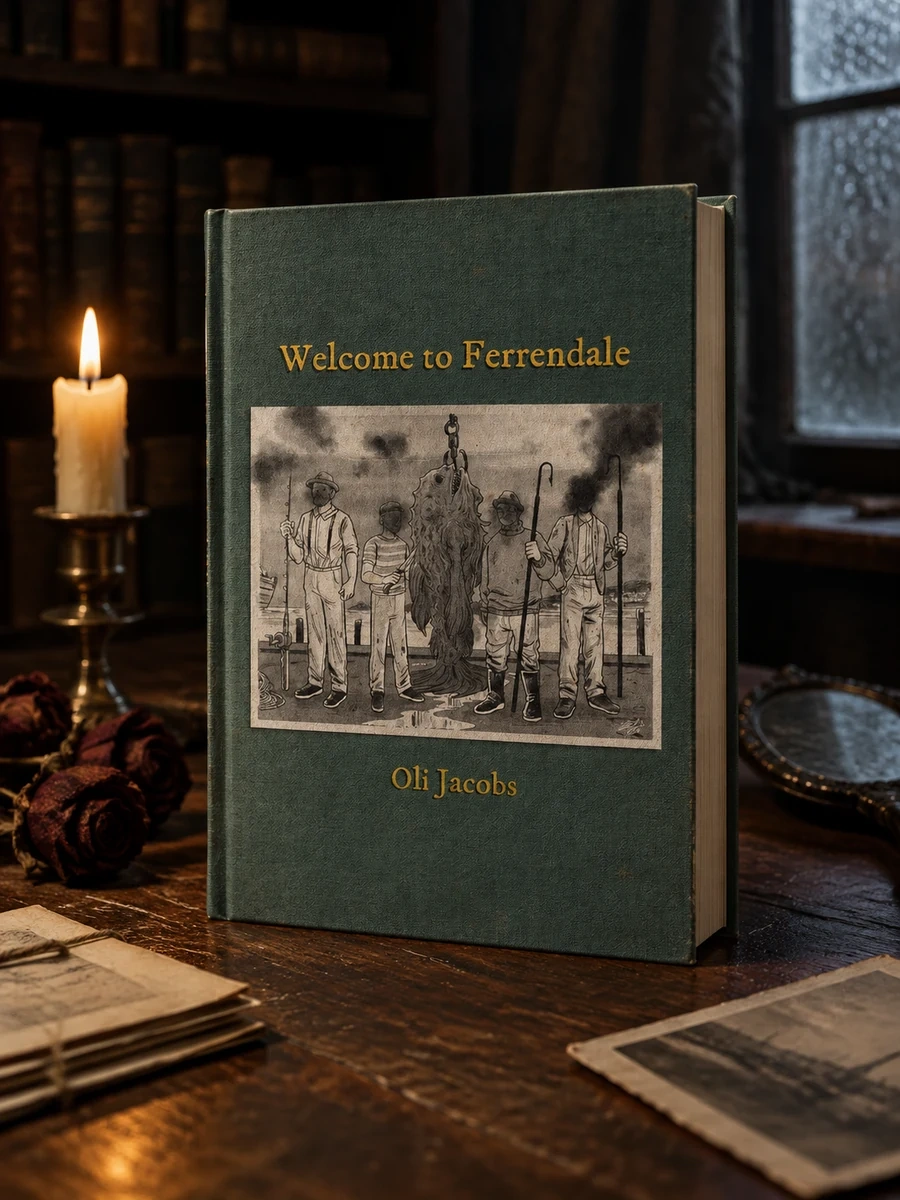


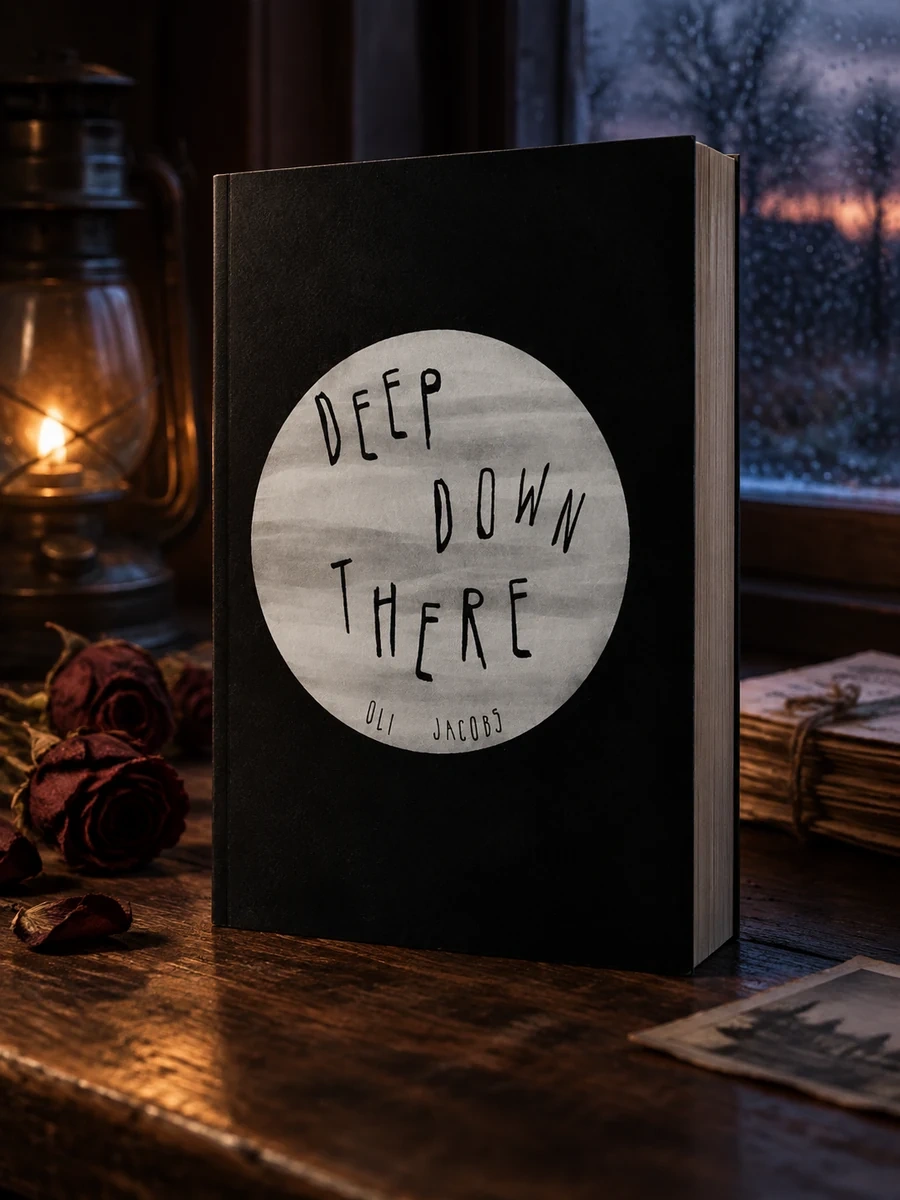
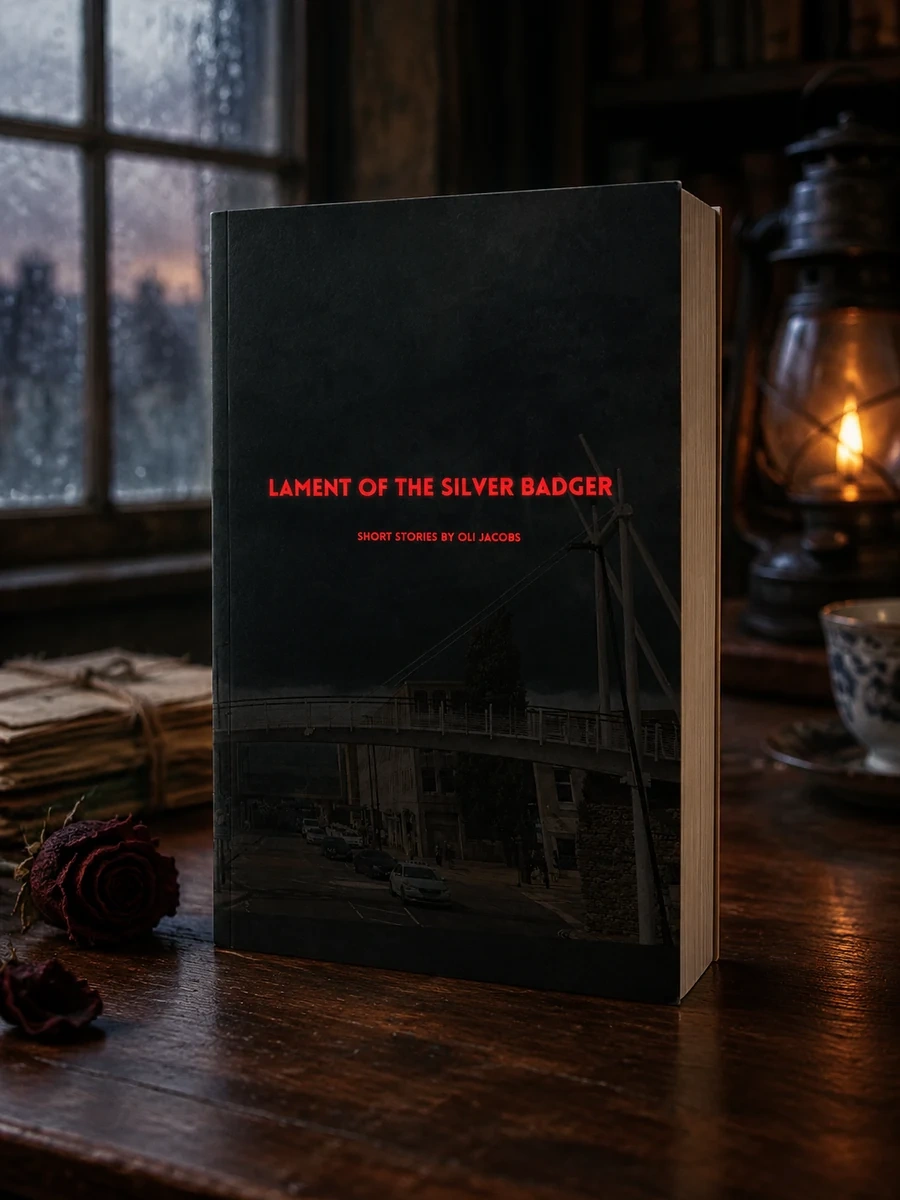
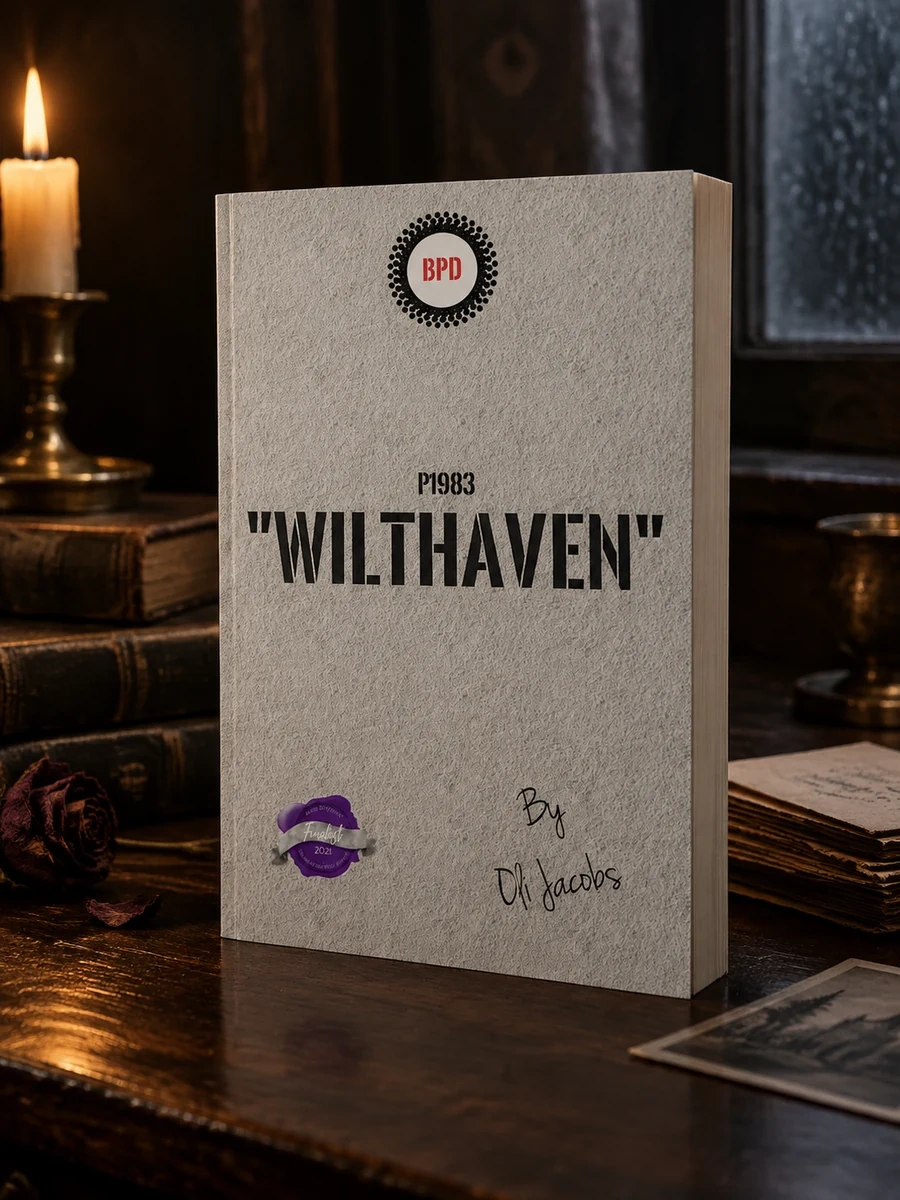
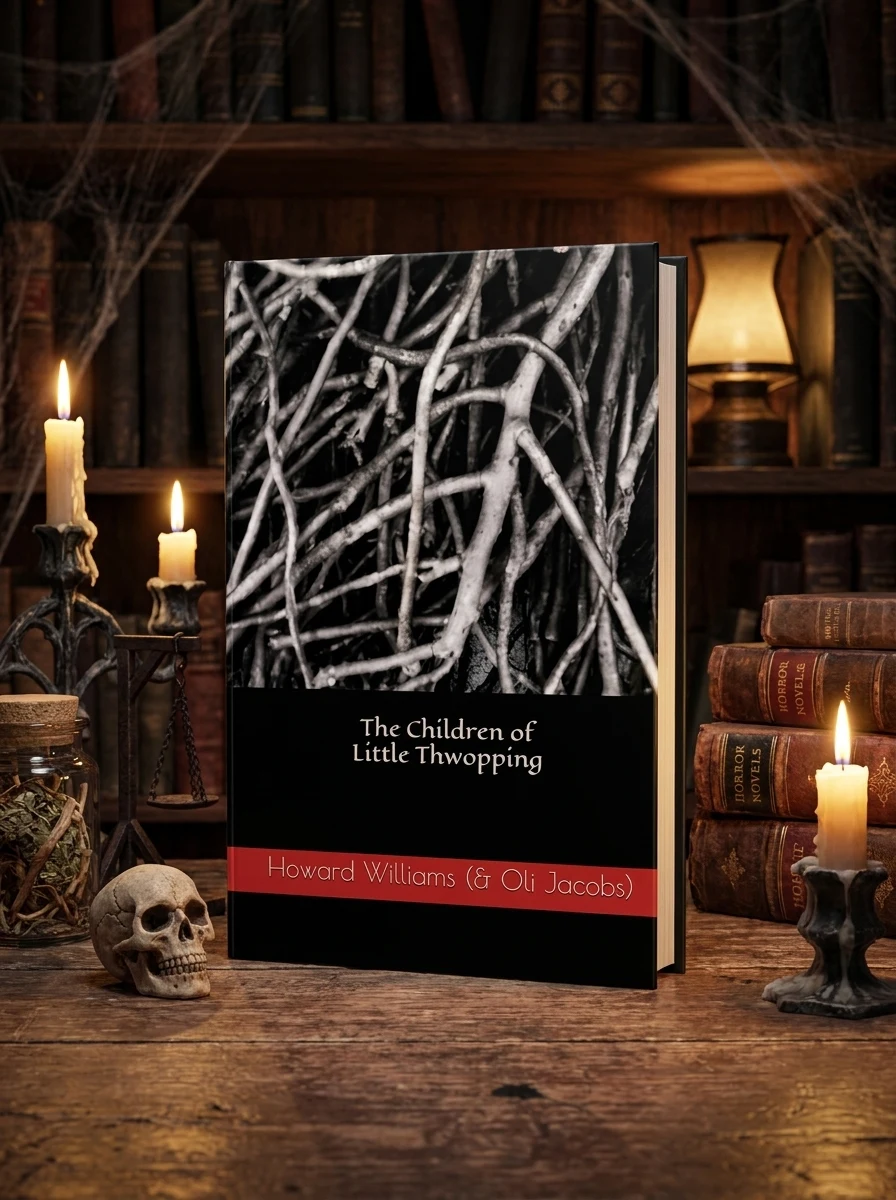
🏛 Books from this publisher Independently Published






You might also like
See more →
Have a question about this item?
Ask about the edition, condition, delivery or anything else — we reply by email or phone, usually within a day.
