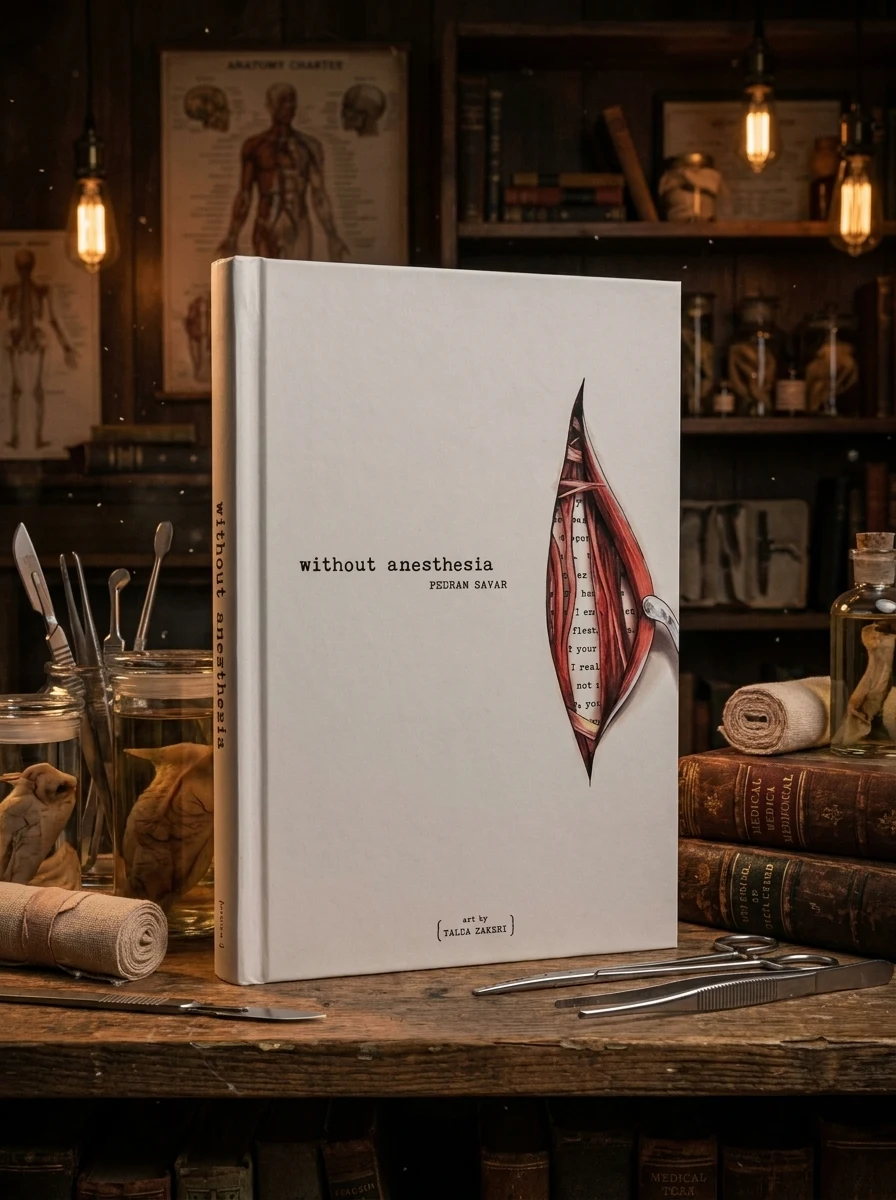
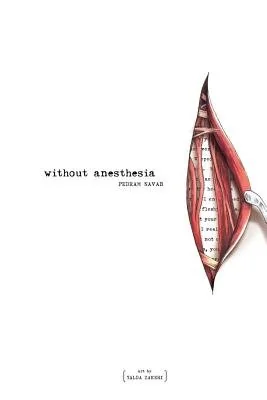
Without Anesthesia: a novel (color edition)
A medical horror novel examining clinical dread and bodily vulnerability.
Zakeri’s novel combines medical thriller tropes with horror to explore psychological tension. The plot shows how professional calm can hide deep fear in hospital settings. It focuses on the discomfort of physical vulnerability while completely ignoring supernatural themes. Published by Jaded Ibis Press, this paperback targets readers who prefer realistic scares over ghost stories. The narrative highlights the breakdown of human control when facing pain and medical procedures. An atmosphere of constant uncertainty pervades the text, appealing to those who like plausible scenarios pushed to extremes. This method creates a chilling experience based on physical reality rather than imaginary monsters.
Published by Jaded Ibis Press in 2014, this paperback targets readers seeking grounded scares over ghost stories. It sits within the intersection of medical thrillers and horror fiction, emphasizing realistic scenarios pushed to frightening extremes rather than supernatural events.


📝 Description: Without Anesthesia: a novel (color edition)
💎 Our verdict on Without Anesthesia: a novel (color edition)
📖 Why choose it
Why this book is worth reading
Readers who derive tension from plausible scenarios pushed to their psychological extremes will find this title compelling. It appeals to those fascinated by the breakdown of human control under surgical stress and pain. The book offers a harsh examination of fear within medical truth, targeting fans of realistic horror who prefer bodily dread over spectral encounters. It is ideal for audiences anxious about hospital settings, where cold professionalism masks deep fear. By ignoring supernatural themes, it creates a chilling experience based on physical reality. Those seeking a disturbing look at clinical terror and physical exposure will appreciate this grounded approach to horror.
⭐ Reader reviews
Reader rating
Zakeri successfully merges medical thriller tropes with horror to create an atmosphere of constant uncertainty. The narrative effectively highlights the discomfort of physical vulnerability in hospital settings, where professional calm hides deep fear. This approach generates a tense, oppressive tone without relying on ghosts or magic. It suits readers who dislike occult plots and prefer realistic scares. However, lovers of traditional hauntings might find it too grounded. The work prioritizes bodily dread over imaginary monsters, offering a chilling examination of clinical terror. It is a strong choice for those who enjoy plausible situations escalated to nightmare levels, providing a harsh but compelling look at fear within the strict limits of medical reality.
You might also like
See more →






Have a question about this item?
Ask about the edition, condition, delivery or anything else — we reply by email or phone, usually within a day.
