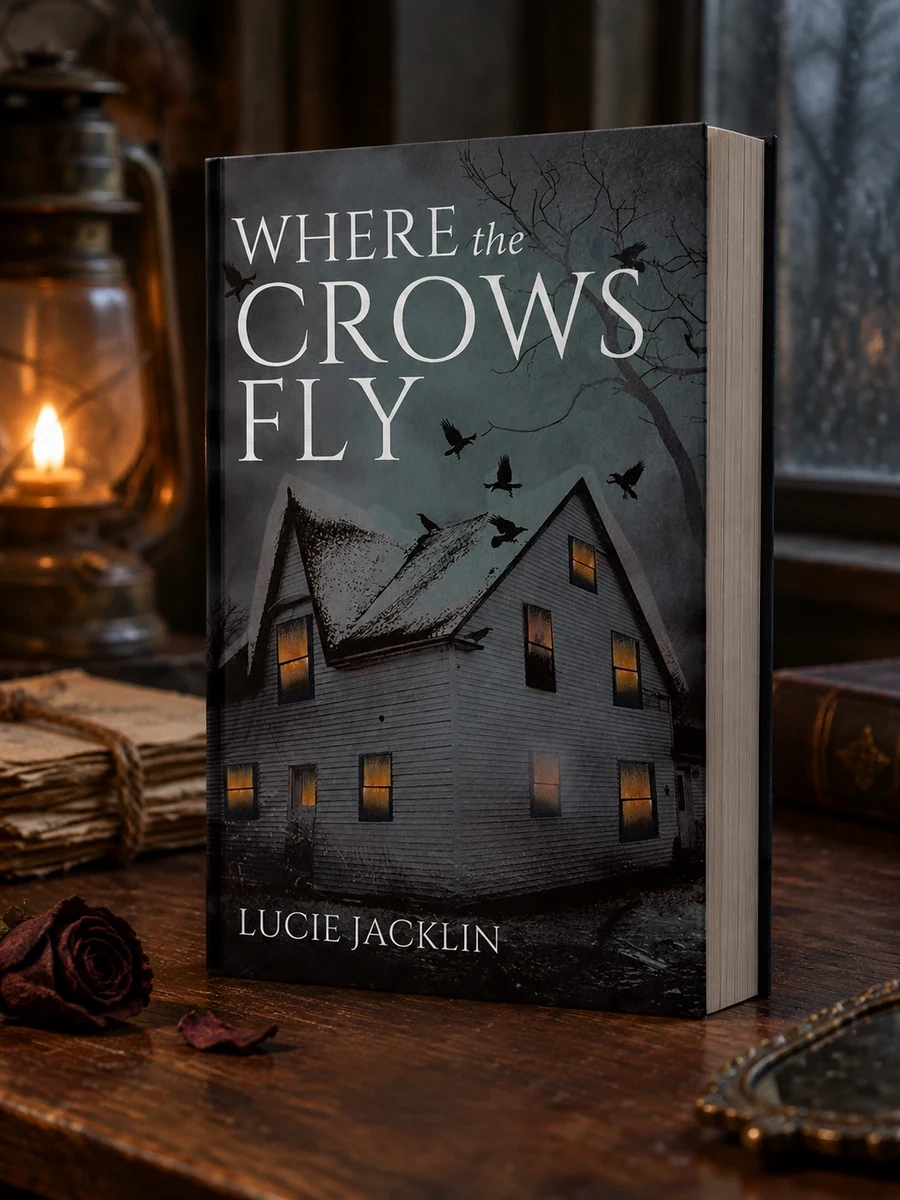
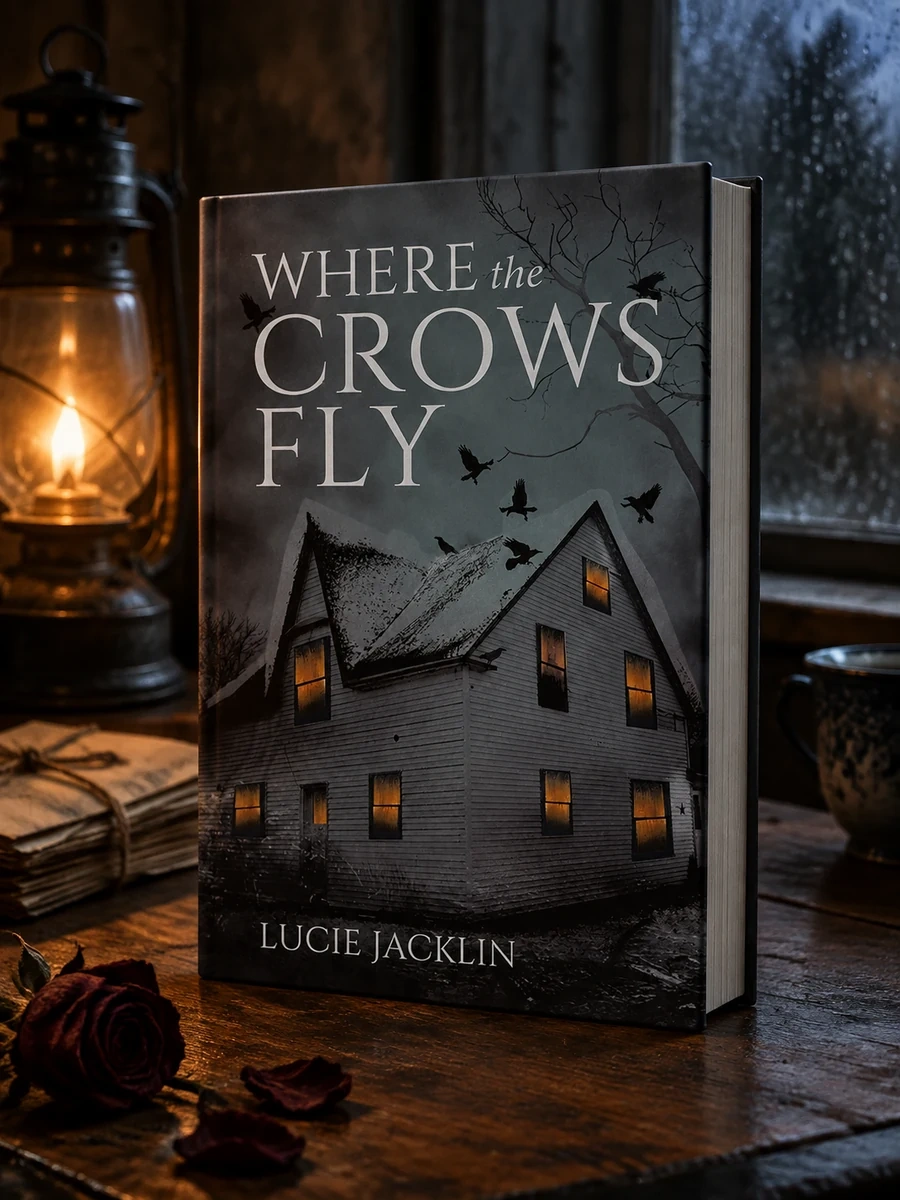
Where the Crows Fly
A haunted house story bridging 1864 Nova Scotia with modern-day residents.
Jacklin examines the intersection of historical trauma and present-day discovery through the lens of a specific property in Argyle. The narrative structure moves between the era of Emma de Villiers and the arrival of new inhabitants. This dual timeline reveals how the house on the corner retains its eerie reputation across generations. The author utilizes the Arcadian style setting to ground the supernatural elements in tangible reality. The story focuses on the auditory horrors of piano music and screams, suggesting a persistent entity that defies death. By contrasting the quiet garden lawn with the terrifying sounds beyond the street, the text highlights the violation of domestic safety. The work does not rely on generic ghost tropes but rather on the specific history of the de Villiers family and the town's collective memory.
The narrative is set in 1864 Nova Scotia, Canada, specifically in the town of Argyle. It draws on Arcadian style architecture and local folklore regarding haunted properties. The story bridges this historical period with the present day, reflecting enduring regional beliefs about the supernatural.


📝 Description: Where the Crows Fly
💎 Our verdict on Where the Crows Fly
📖 Why choose it
Why this book is worth reading
Readers who appreciate atmospheric horror rooted in specific historical contexts will find this title compelling. It offers a slow-burn tension that contrasts quiet domestic safety with terrifying auditory horrors, such as persistent piano music and screams, rather than relying on generic ghost tropes. The narrative appeals to those interested in how the past refuses to remain buried within physical legacies. By examining the intersection of historical trauma and present-day discovery through the lens of a single property, the book provides a focused look at isolation and collective memory. It is ideal for fans of haunted house narratives set in Canadian towns who enjoy architectural details like Arcadian design as integral components of the story's eerie atmosphere.
⭐ Reader reviews
Reader rating
Jacklin successfully grounds supernatural elements in tangible reality by utilizing the Arcadian style setting to create an immersive sense of place. The dual timeline structure effectively reveals how the house on the corner retains its reputation, contrasting the quiet garden with the terrifying sounds beyond the street. This approach highlights the violation of domestic safety without resorting to clichés. The work is best suited for readers seeking historical horror and psychological dread over fast-paced action. It excels in exploring the lingering presence of history within domestic spaces, offering a focused examination of isolation and inherited legacy. Those who enjoy atmospheric tension rooted in specific architectural styles will find this narrative deeply engaging and intellectually stimulating.
📖 Read on the blog
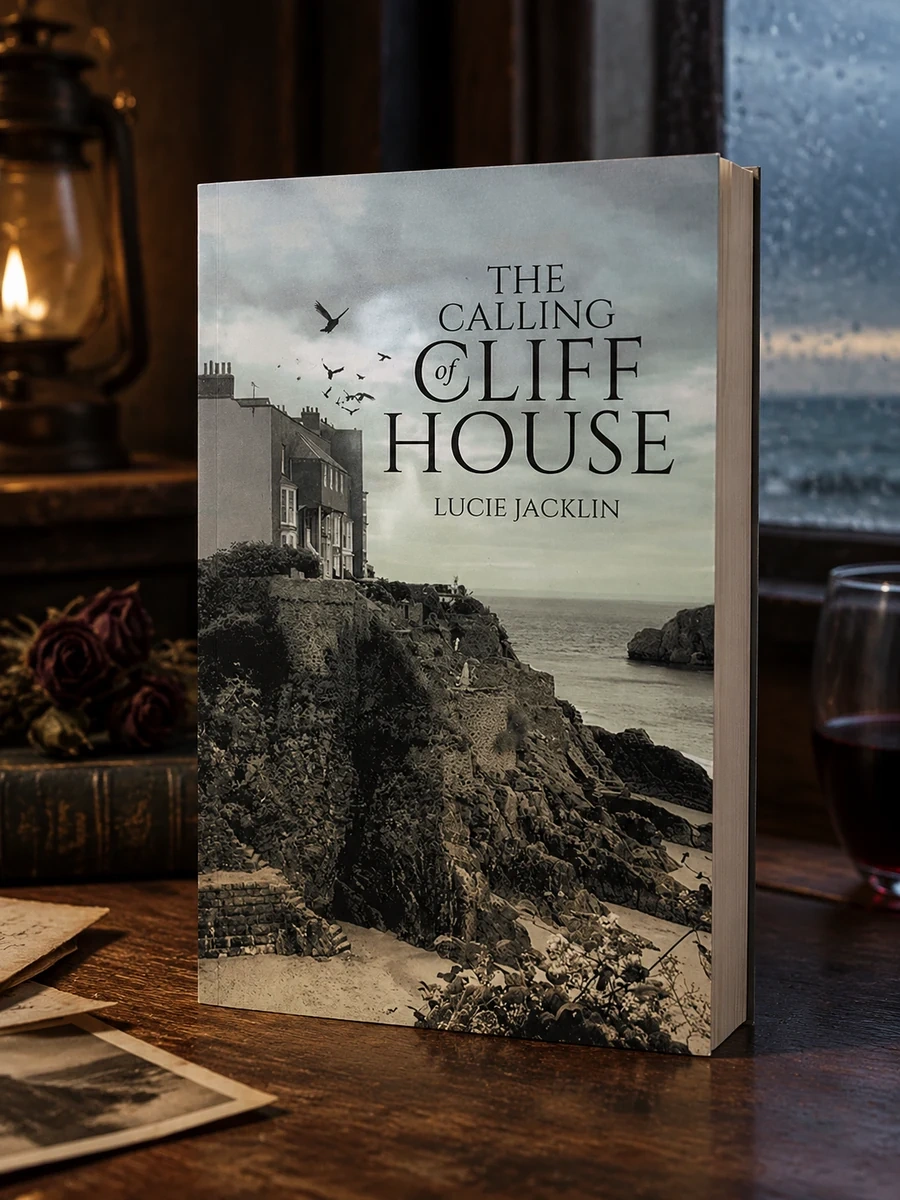
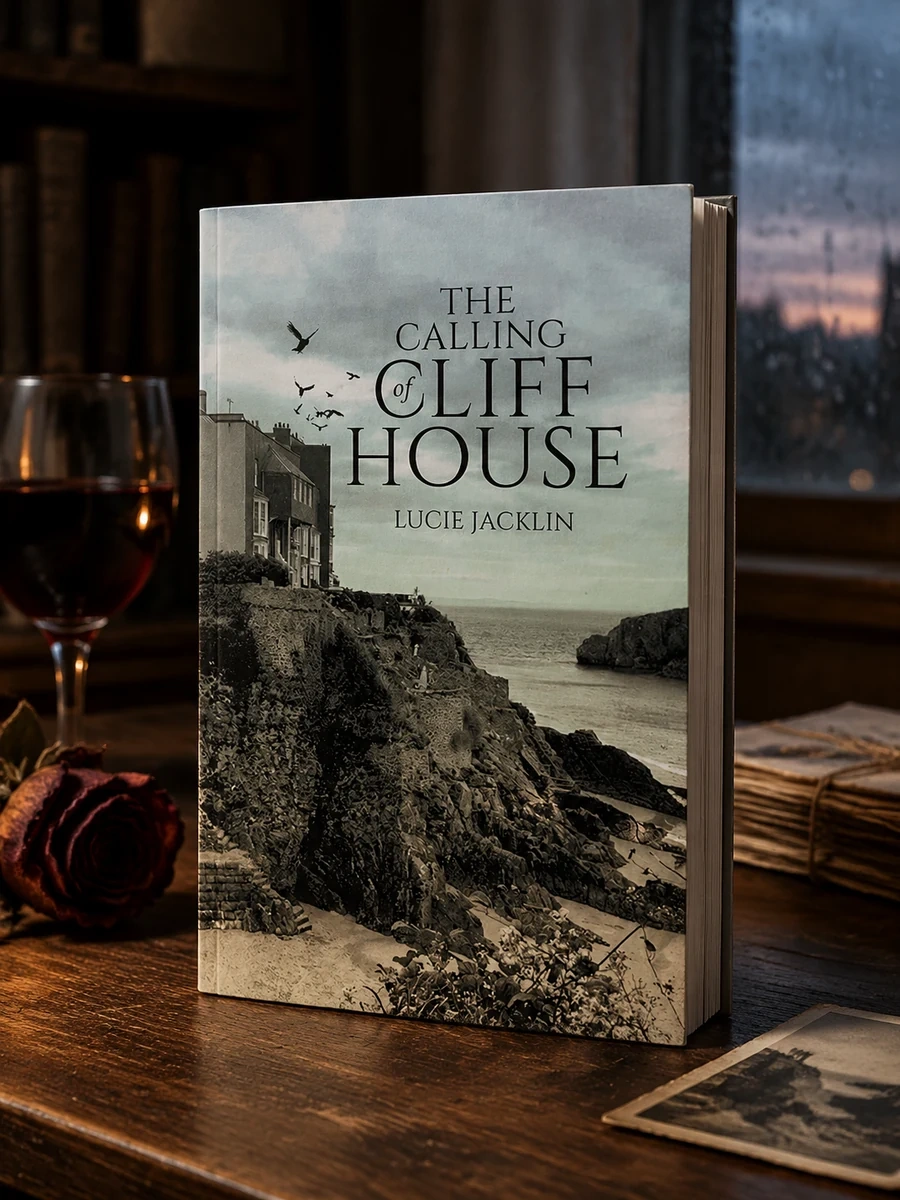
✍️ More books by this author Lucie Jacklin


🏛 Books from this publisher Tellwell Talent
You might also like
See more →
Have a question about this item?
Ask about the edition, condition, delivery or anything else — we reply by email or phone, usually within a day.
