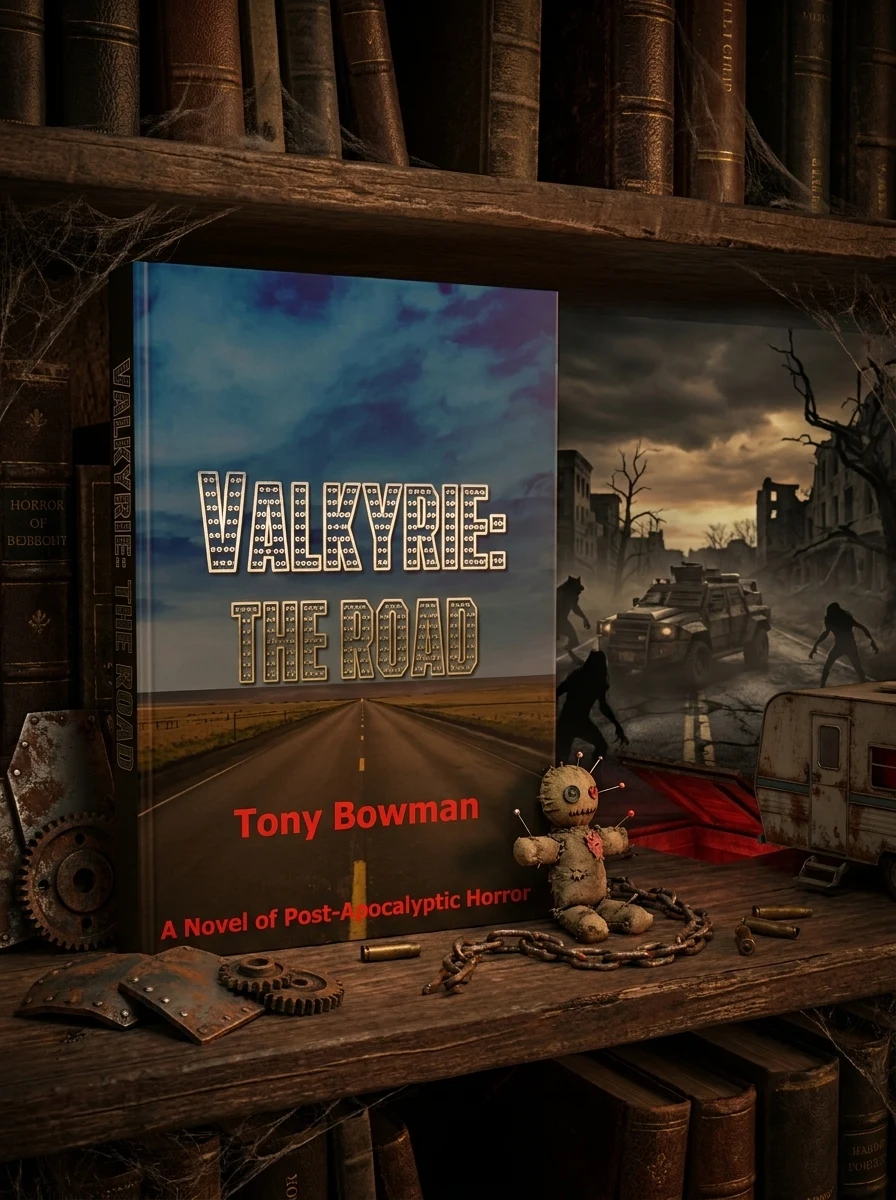
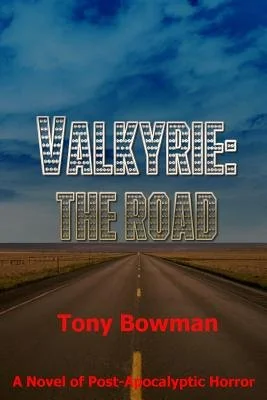
Valkyrie: The Road
A armored truck ferries refugees through a supernatural wasteland between Chicago and New Orleans.
Bowman constructs a narrative where survival depends on secrecy and steel. The protagonist is not a person but the vehicle itself, Valkyrie. It carries two hundred thousand pounds of armor plate across ruined landscapes. The crew navigates territories controlled by vampires and Vodou practitioners. Their public trade masks a desperate rescue operation for the innocent. This dual nature creates constant tension as they move through hostile regions. The addition of a vampire to the crew shifts the power dynamics significantly. The story examines how ordinary people handle extraordinary moral burdens. It does not rely on traditional heroism but on pragmatic survival tactics. The setting provides a backdrop for exploring themes of trust and betrayal.
The story is set in a post-apocalyptic future where Chicago remains under vampire rule while New Orleans falls to Vodou influence. This setting draws on urban legend traditions and gothic horror tropes, blending them with the American road trip narrative structure.


📝 Description: Valkyrie: The Road
💎 Our verdict on Valkyrie: The Road
📖 Why choose it
Why this book is worth reading
Readers who appreciate complex moral ambiguity in extreme conditions will find this narrative compelling. The book offers a unique perspective by personifying the armored truck, Valkyrie, as the central protagonist rather than human crew members. This structural choice highlights themes of trust and betrayal as the vehicle ferries refugees through hostile territories controlled by vampires and Vodou practitioners. Those interested in dark fantasy that blends gothic dread with pragmatic survival tactics will enjoy the tension between the crew's public trade duties and their secret rescue missions. The addition of a vampire to the crew adds internal danger, appealing to fans of supernatural fiction who seek more than just action. It provides a layered plot where every stop threatens exposure, making it ideal for those who enjoy exploring how ordinary people handle extraordinary moral burdens without relying on traditional heroism.
⭐ Reader reviews
Reader rating
Tony Bowman constructs a compelling narrative where survival depends on secrecy and steel. By making the armored truck the protagonist, he creates a fresh perspective on post-apocalyptic horror. The story effectively balances gothic dread with practical survival tactics, avoiding clichéd heroism in favor of pragmatic realism. The dual nature of the crew's mission—public trade versus secret rescue—creates constant tension as they navigate vampire-controlled Chicago and Vodou-dominated New Orleans. This work suits readers who enjoy dark fantasy and urban legends, particularly those interested in moral ambiguity. It may not appeal to those seeking lighthearted adventure or historical non-fiction. The narrative structure relies on the journey itself, connecting disparate supernatural territories through the vehicle's movement. While the premise is strong, the execution focuses heavily on atmosphere and internal conflict rather than external spectacle.