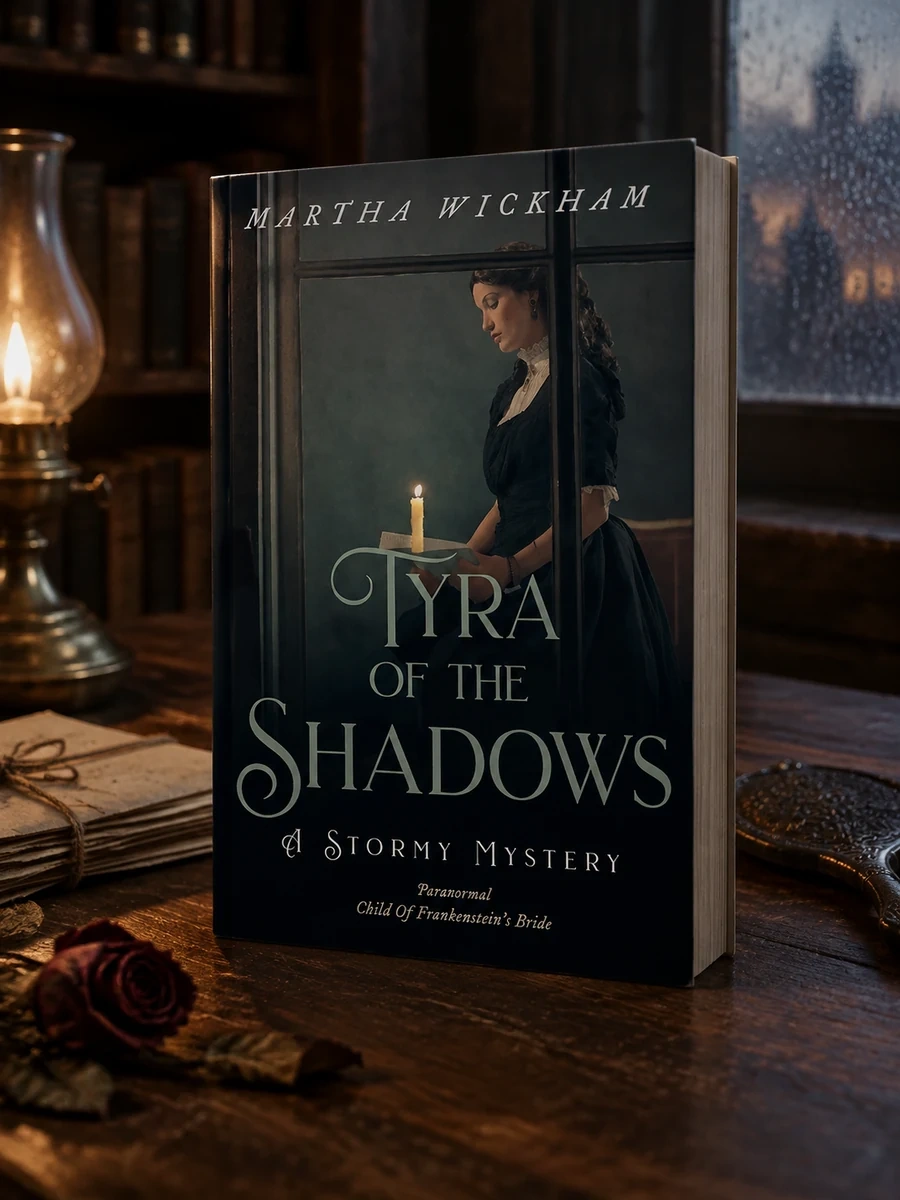
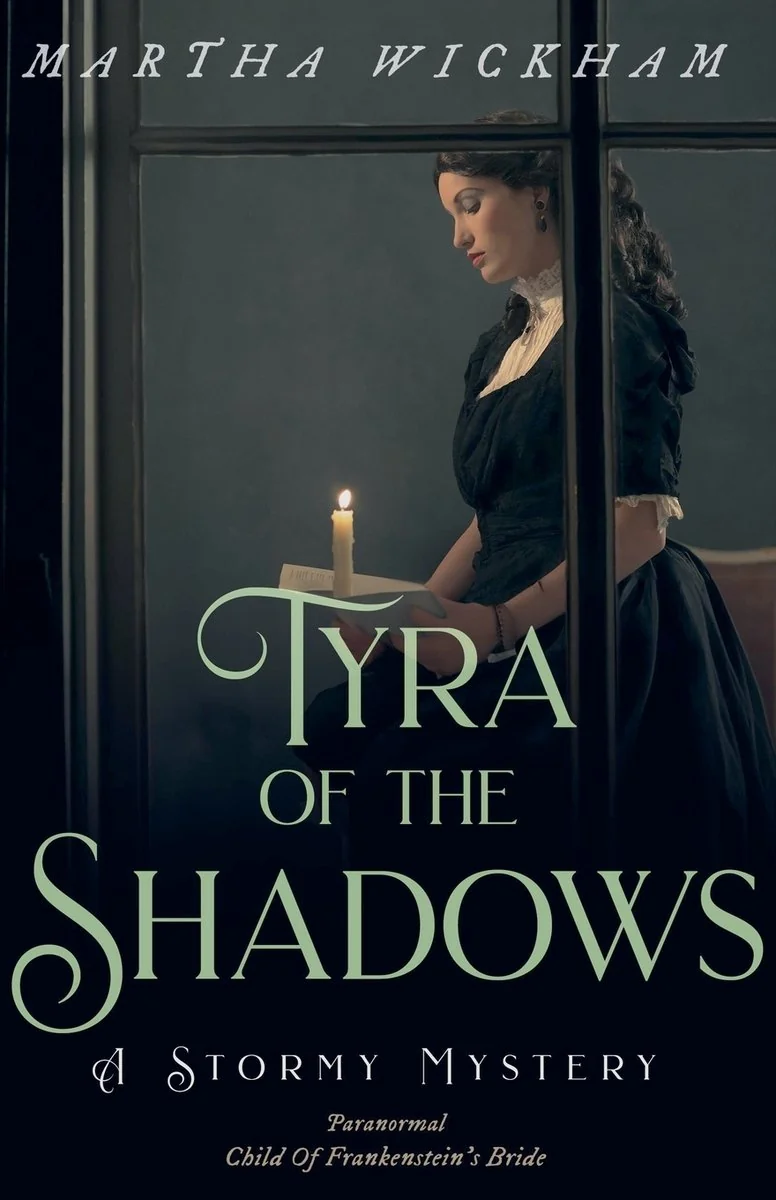
Tyra of the Shadows
A 1949 tale of a girl turning her haunted home into a business attraction.
This novel centers on the intersection of adolescent development and supernatural horror. It details how economic necessity drives Margaret to monetize her family’s haunted history. The book tracks the physical and emotional remodeling of the house, contrasting the playful intentions of children with the darker reality of Abby’s growing hunger. Wickham presents a narrative where the boundary between home and haunt blurs, forcing Tyra to reconcile her friendship with the ghost against the backdrop of societal trends in 1949 entertainment.
The story is set in 1949, reflecting a time when haunted houses were emerging as a popular form of public entertainment. It draws on the tradition of domestic hauntings and the cultural fascination with ghost stories during the post-war era, positioning the Smythe family home within this broader historical context of supernatural attraction.


📝 Description: Tyra of the Shadows
💎 Our verdict on Tyra of the Shadows
📖 Why choose it
Why this book is worth reading
Readers interested in the intersection of adolescent psychology and supernatural horror will find this narrative compelling. It offers a unique exploration of how economic pressure forces the monetization of family grief, transforming a private home into a public attraction. The book is ideal for those who appreciate atmospheric tension that stems from blurred boundaries between the living and the dead. By focusing on Tyra’s emotional bond with Abby amidst commercial exploitation, it provides a poignant look at belonging and loss. It suits audiences seeking horror that critiques societal trends in entertainment while delivering eerie, character-driven suspense without relying on cheap shocks.
⭐ Reader reviews
Reader rating
Wickham effectively constructs a chilling atmosphere where the renovation of the house mirrors the fracturing of domestic safety. The narrative excels in depicting the complex friendship between Tyra and Abby, grounding supernatural elements in genuine emotional stakes rather than mere spectacle. The 1949 setting provides a fascinating backdrop for examining how grief is commodified, turning personal tragedy into paid entertainment. This approach appeals to readers who prefer psychological depth over gore. The blurring of lines between home and haunt creates sustained unease, making the horror feel intimate and invasive. It is a strong choice for those enjoying gothic tales that critique the exploitation of history and memory through a lens of dark fantasy.
📖 Read on the blog
📖 From the series “A Circle of Roses”
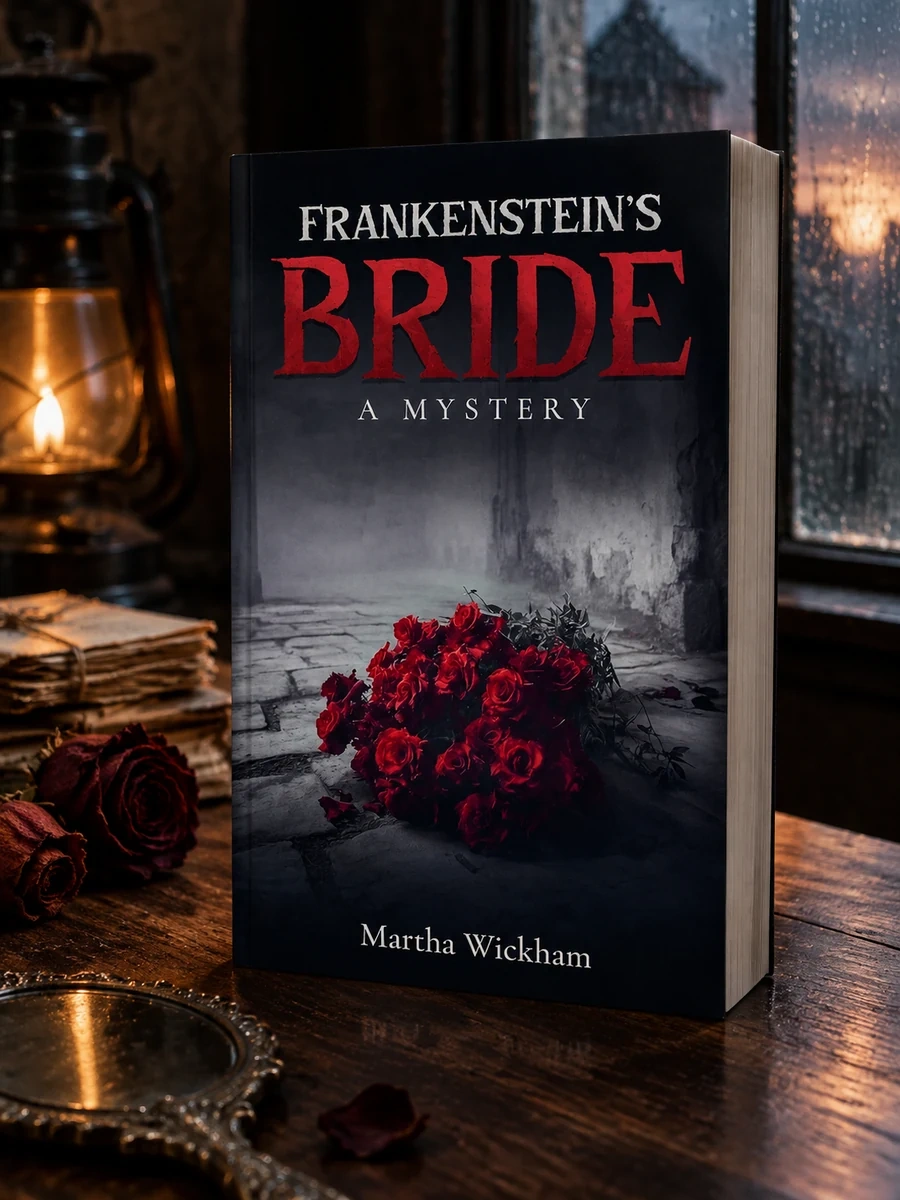


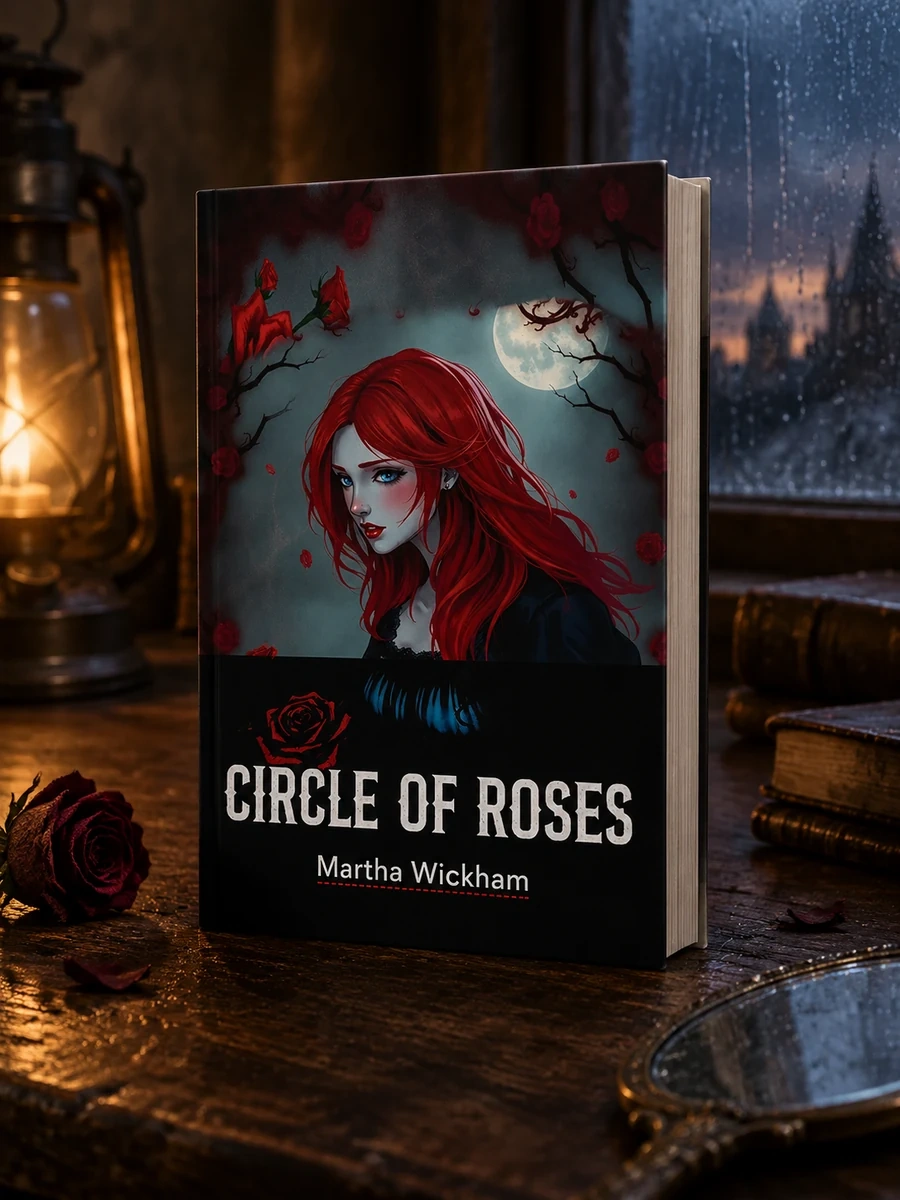
✍️ More books by this author Martha Wickham
🏛 Books from this publisher Martha Wickham
You might also like
See more →


Have a question about this item?
Ask about the edition, condition, delivery or anything else — we reply by email or phone, usually within a day.
