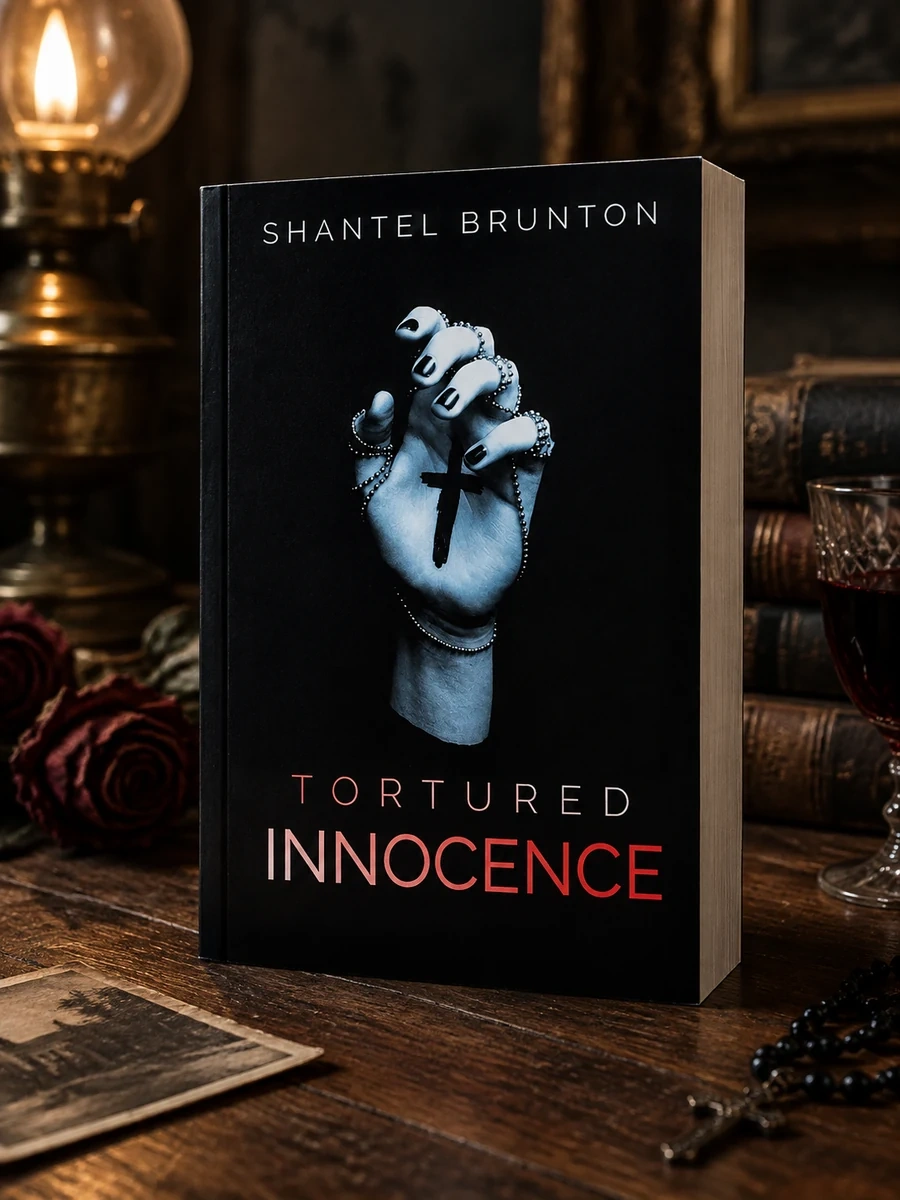
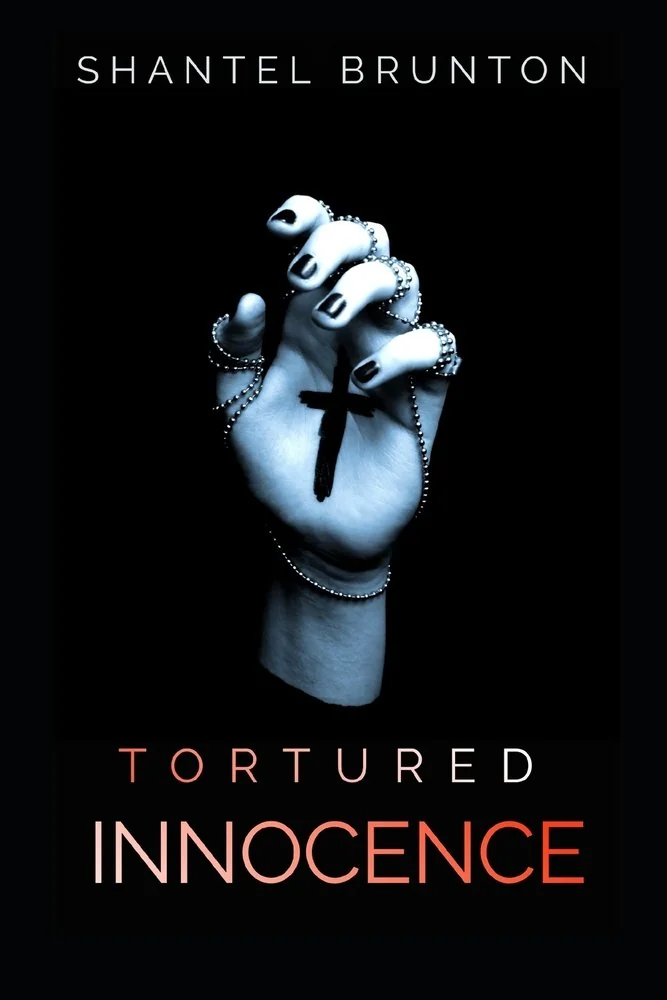
Tortured Innocence
A psychological horror novel about trauma manifesting through anonymous letters and nightmares.
Nicole survived a horrific event at age six. A decade later, she believes her life is stable. Anonymous letters disrupt this peace. Voices enter her thoughts during the day. Her dreams begin to overlap with reality. The source of these disturbances remains hidden in the shadows. Brunton explores how past trauma can resurface through supernatural means. The narrative tracks Nicole's descent from perceived normalcy into fear. The story does not offer easy answers about the identity of the antagonist. It focuses on the erosion of Nicole's mental state as she tries to understand the threats. The book examines the lingering effects of early childhood tragedy and how they can distort perception over time.
This 2017 independent publication by Shantel Brunton fits within the modern tradition of psychological horror fiction. It draws on themes of supernatural intrusion and delayed trauma response common in contemporary gothic narratives.


📝 Description: Tortured Innocence
💎 Our verdict on Tortured Innocence
📖 Why choose it
Why this book is worth reading
Readers who enjoy character-driven horror will find this novel compelling for its deep dive into mental instability and the lingering effects of childhood tragedy. It appeals to those interested in stories where delayed trauma responses distort perception, creating a sense of dread that permeates daily life. The book offers a slow-burn exploration of how past events can resurface through unexplained phenomena, blurring the lines between reality and nightmare. Those who prefer psychological depth over fast-paced action or extensive world-building will appreciate the focus on internal decay. It is ideal for fans of narratives that examine the erosion of sanity and the invasion of personal space by unknown entities, providing a chilling look at the human mind under pressure.
⭐ Reader reviews
Reader rating
Shantel Brunton delivers a tense psychological horror narrative that prioritizes internal dread over jump scares. The story effectively tracks Nicole’s descent from perceived normalcy into fear as anonymous letters and invading voices disrupt her stability. The linear progression builds tension around the mystery of the antagonist, though it deliberately withholds easy answers to focus on the protagonist's mental erosion. This approach suits readers who appreciate character-driven plots and the exploration of delayed trauma responses. However, those seeking extensive historical context or detailed world-building may find the narrative’s narrow focus on psychological decay less engaging. The book succeeds in creating an atmosphere of unexplained phenomena and lingering dread.
📖 Read on the blog
🏛 Books from this publisher Independently Published








You might also like
See more →



Have a question about this item?
Ask about the edition, condition, delivery or anything else — we reply by email or phone, usually within a day.
