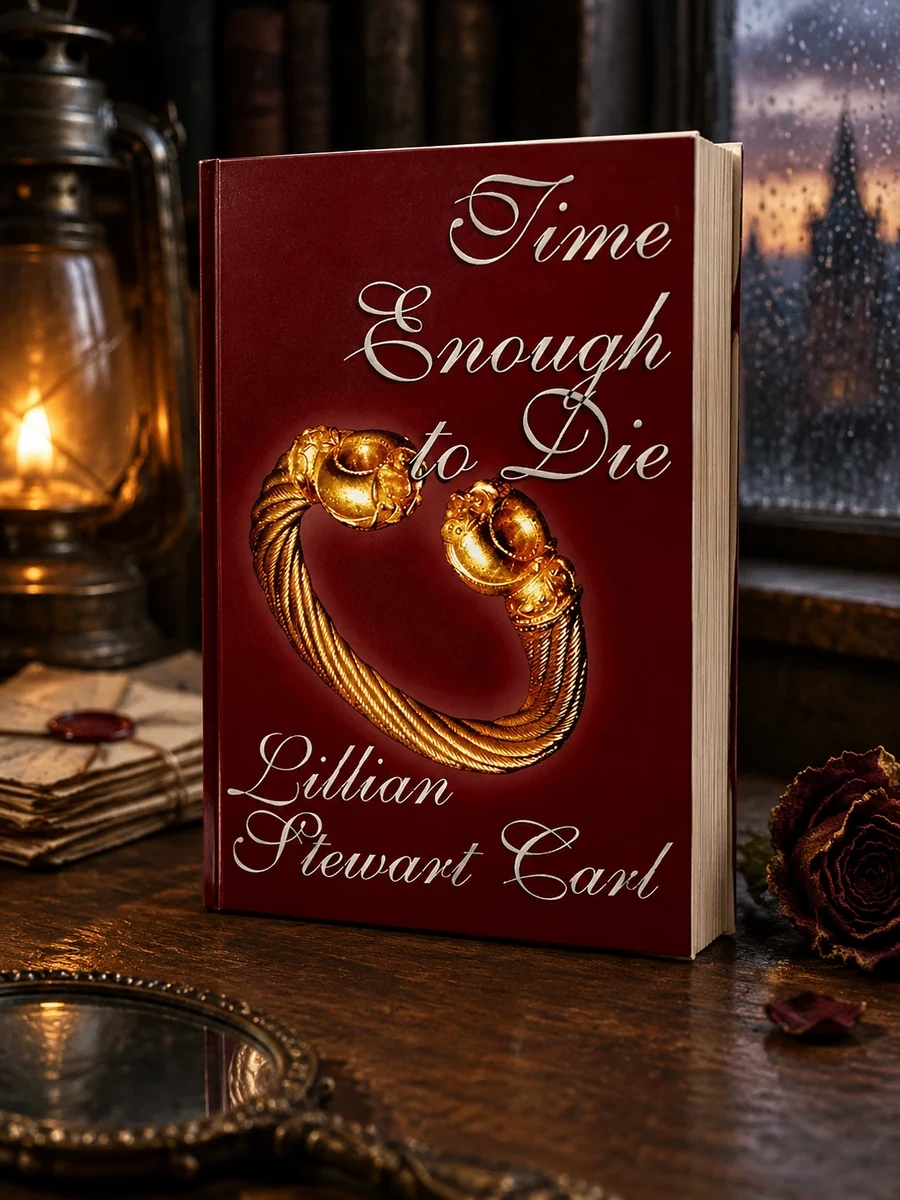

Time Enough to Die
A detective and an archaeologist race to stop murders linked to stolen Roman and Celtic artifacts.
This novel focuses on the intersection of academic knowledge and police procedure. Matilda Gray provides insight into Roman and Celtic history, while Gareth March applies investigative tactics from Scotland Yard. Their partnership is tested by their conflicting approaches to solving the crime. The central conflict revolves around a victim who knew too much about stolen antiquities. Carl uses this premise to explore themes of greed and historical preservation. The story does not rely on supernatural elements but rather on human motives and the value of ancient objects. Readers will find the dynamic between the two protagonists compelling as they learn to trust each other's methods.
The book is published by Borgo Press in 2002. It draws on British archaeological traditions and the setting of Scotland Yard, reflecting a specific era of mystery fiction that emphasizes historical accuracy alongside crime solving.


📝 Description: Time Enough to Die
💎 Our verdict on Time Enough to Die
📖 Why choose it
Why this book is worth reading
Readers who enjoy character-driven detective fiction and historical context will find this book compelling. It appeals to those interested in the tension between academic expertise and police procedure, offering insight into the antiquities market without relying on supernatural horror. The narrative focuses on human motives, greed, and the value of ancient objects, making it suitable for fans of British archaeology mysteries who appreciate emotional depth over fast-paced action. The dynamic between the protagonists provides a unique perspective on solving crimes linked to stolen relics.
⭐ Reader reviews
Reader rating
Lillian Stewart Carl delivers a nuanced exploration of the clash between academic knowledge and police procedure. The novel succeeds in portraying the strained partnership between Matilda Gray and Gareth March, highlighting their conflicting approaches to solving murders linked to stolen Roman and Celtic artifacts. While it lacks supernatural elements, the book offers rich historical context and procedural dynamics that satisfy fans of British mystery. It is best suited for readers who value character development and thematic depth regarding greed and preservation over rapid plot progression.
📖 Read on the blog
✍️ More books by this author Lillian Stewart Carl
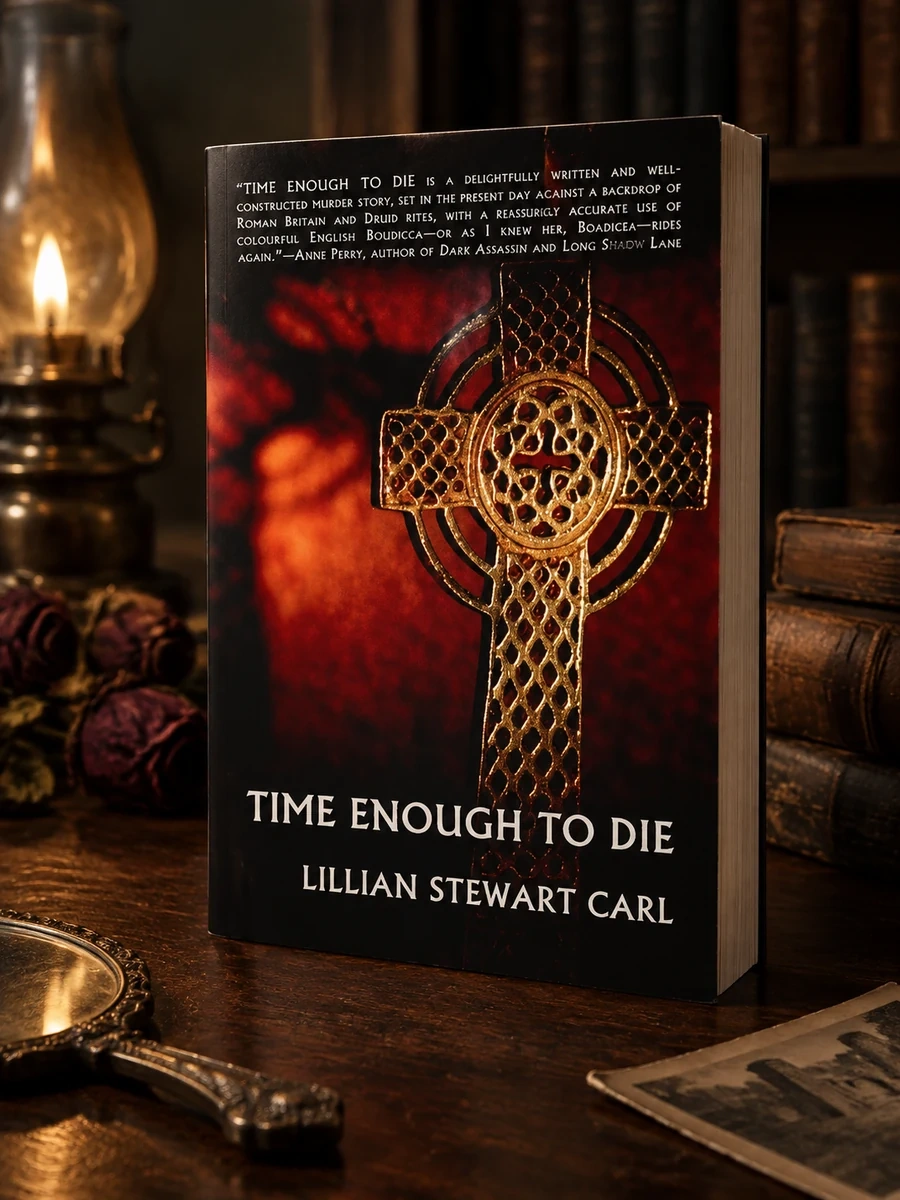


🏛 Books from this publisher Borgo Press





You might also like
See more →



Have a question about this item?
Ask about the edition, condition, delivery or anything else — we reply by email or phone, usually within a day.
