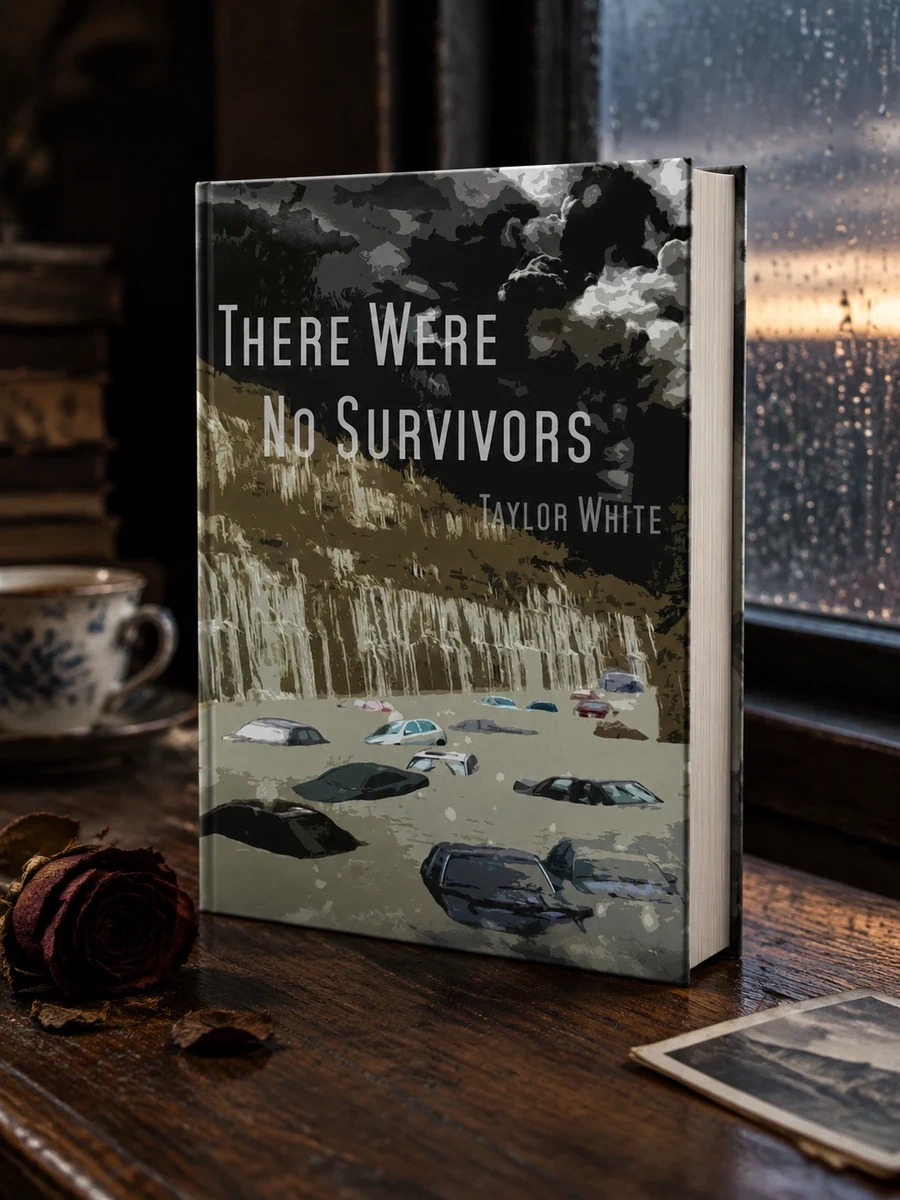
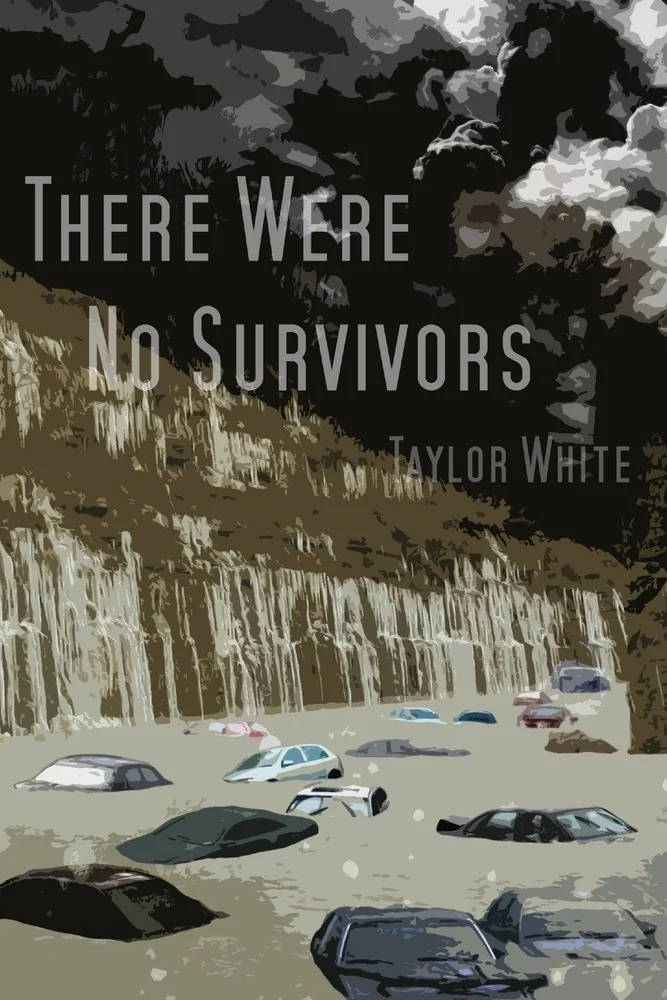
There Were No Survivors
A satirical horror collection exploring societal collapse through zombie and cannibal narratives.
White uses humor to dissect the persistence of human absurdity during the end times. The stories highlight how media, politics, and daily routines endure even when surrounded by monsters. "Disaster World" anchors the collection with a longer narrative form, while shorter pieces like "Dumpster Buddies" focus on the boredom of survival. The inclusion of cannibalistic debates underscores the author's critique of democratic rituals. This approach distinguishes the work from standard apocalyptic fiction by prioritizing social commentary over action.
Published in 2013, this collection reflects contemporary anxieties about societal collapse and the endurance of political rituals. It draws on the tradition of satirical horror, using zombies and cannibals to critique modern democratic processes and media culture during times of perceived crisis.


📝 Description: There Were No Survivors
💎 Our verdict on There Were No Survivors
📖 Why choose it
Why this book is worth reading
Readers who appreciate dark humor and satirical takes on zombie and cannibal tropes will find this collection rewarding. It appeals to those interested in how social norms survive catastrophic events, offering a cynical look at human nature under pressure. The book is ideal for audiences seeking irony rather than traditional heroic narratives or pure gore without commentary. By highlighting the persistence of media, politics, and daily routines amidst monsters, it provides a unique perspective on societal collapse. Those who enjoy dissecting the absurdity of human behavior during the end times will gain insight into how democratic rituals and mundane survival coexist in wastelands.
⭐ Reader reviews
Reader rating
Taylor White effectively blends satire with horror to examine the absurdity of human behavior during an apocalypse. The collection stands out by grounding the supernatural in the ordinary, as seen in 'Dumpster Buddies,' where survival is tedious rather than thrilling. 'The Great Black Hills Presidential Debate' offers a sharp critique of media circus and democratic processes through cannibalistic discourse. This volume suits readers who appreciate dark humor and social commentary over action. While it lacks definitive survival guides or heroic arcs, its detached tone and focus on societal persistence make it a distinctive entry in apocalyptic fiction for those willing to engage with its cynical perspective on human nature.