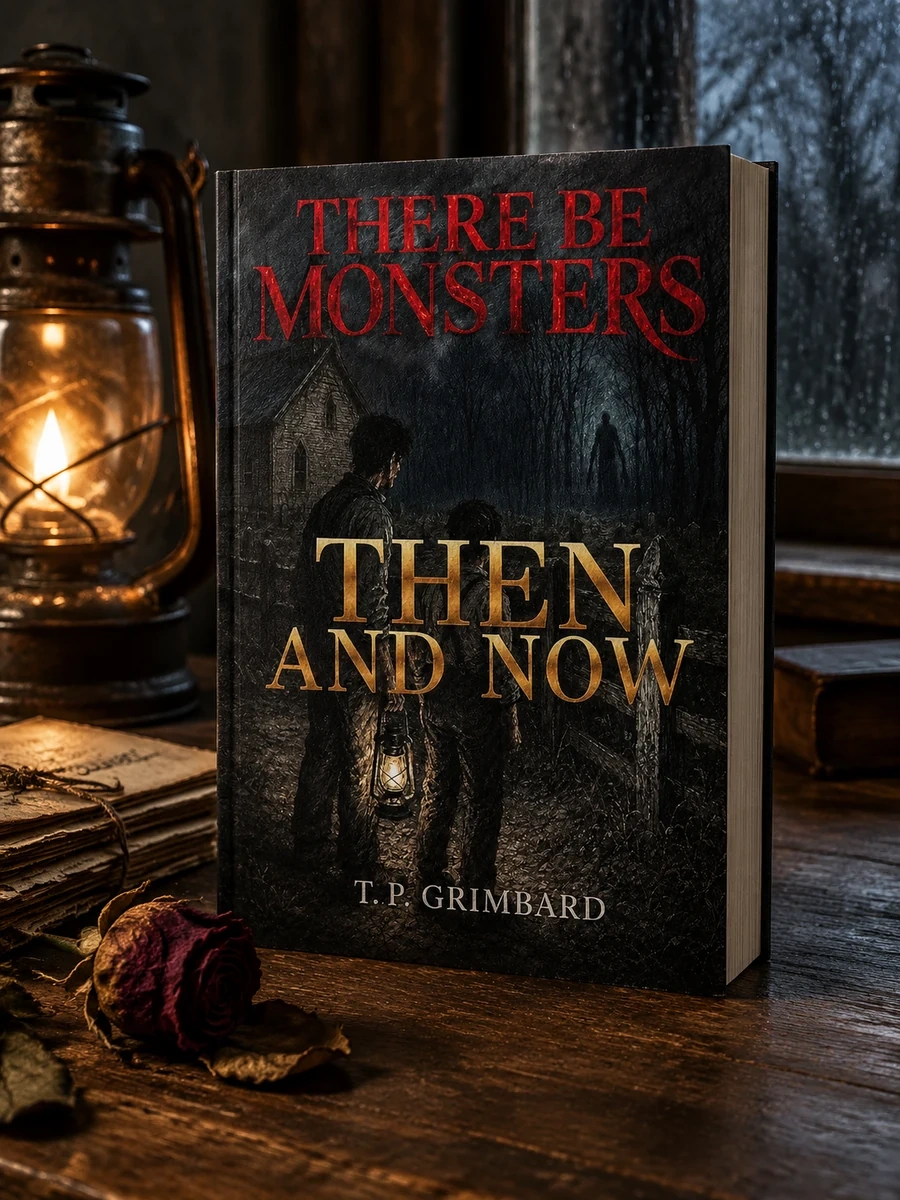
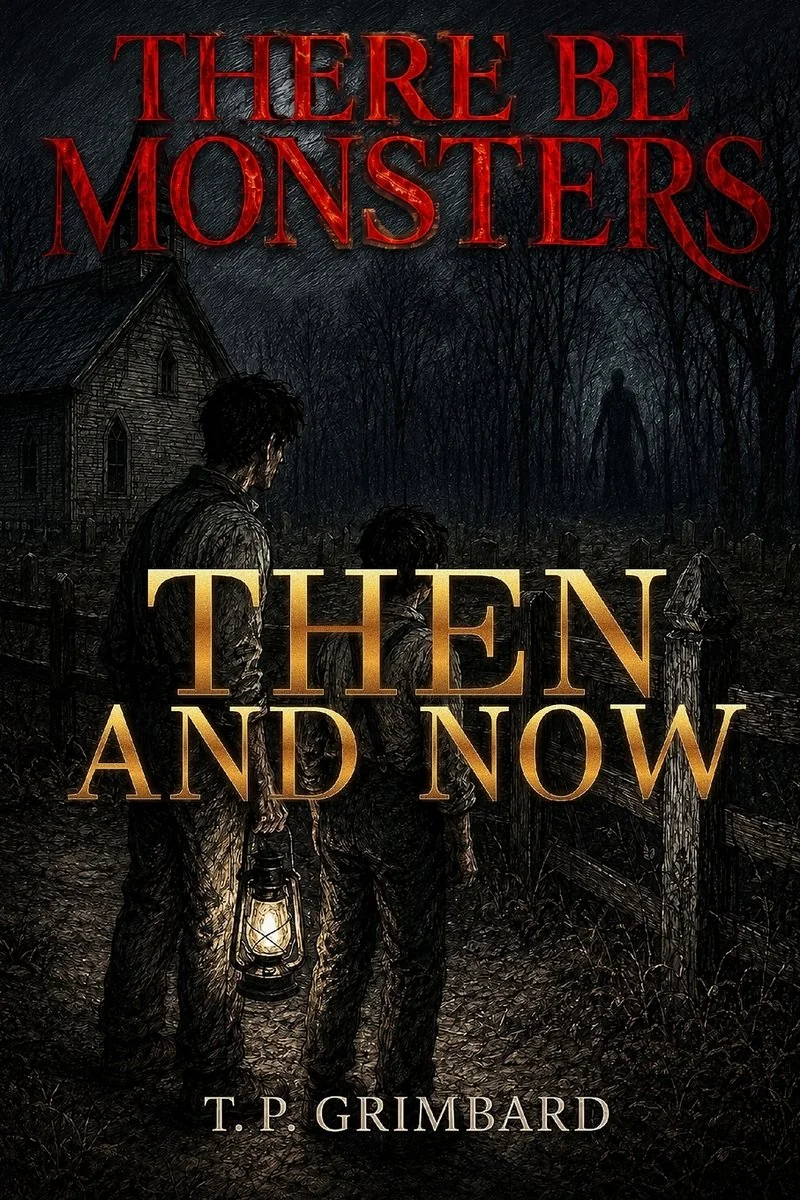
There Be Monsters: Then and Now: Thirteen Tales of Folk Horror and Haunted Places
A collection of thirteen illustrated folk horror stories about haunted places and forgotten histories.
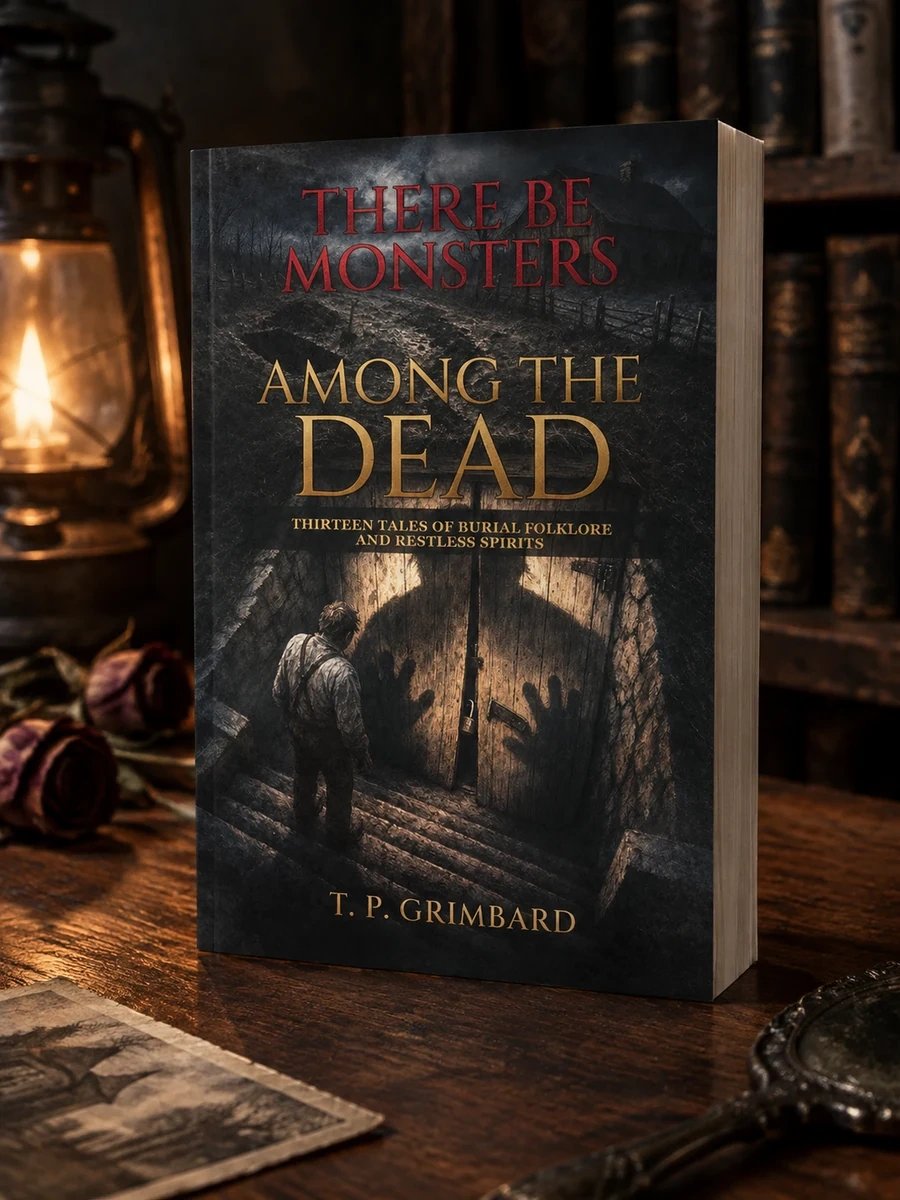
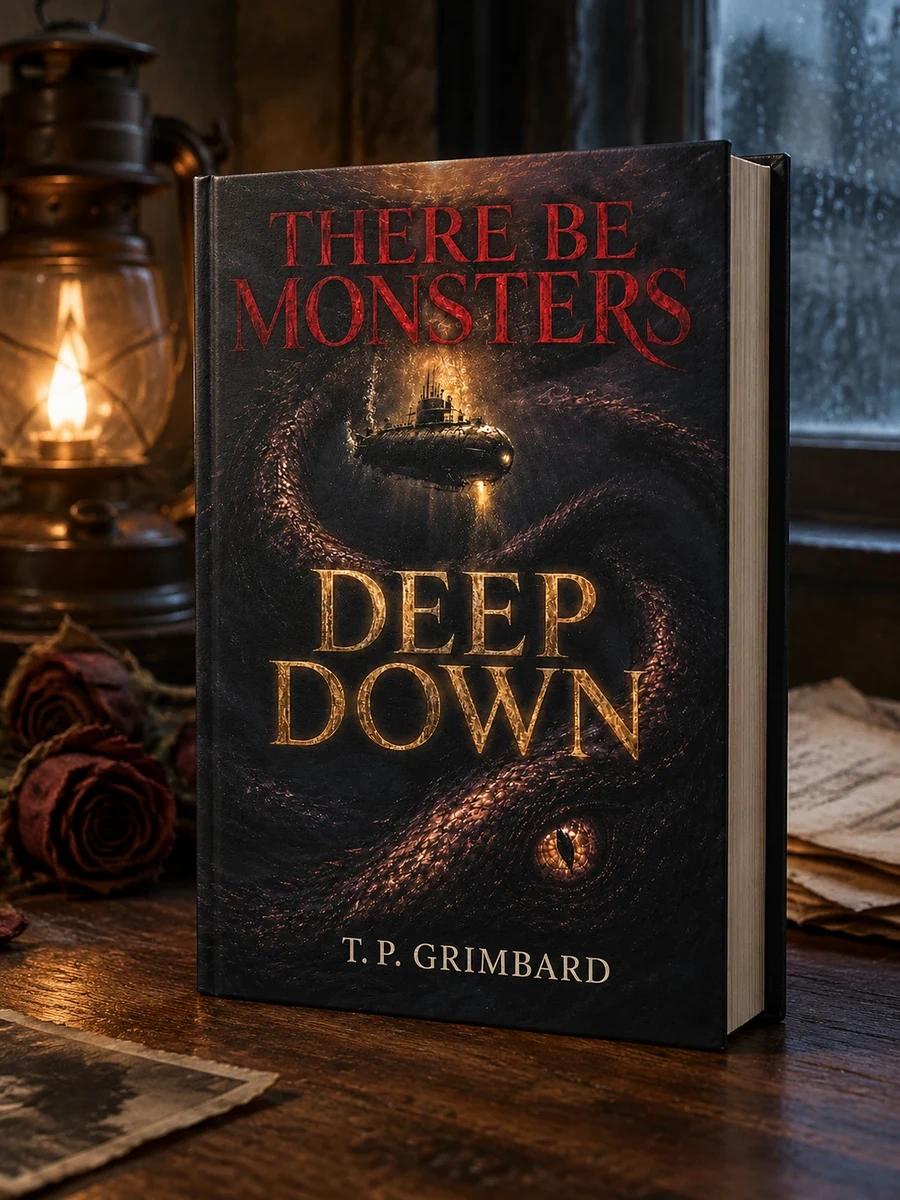
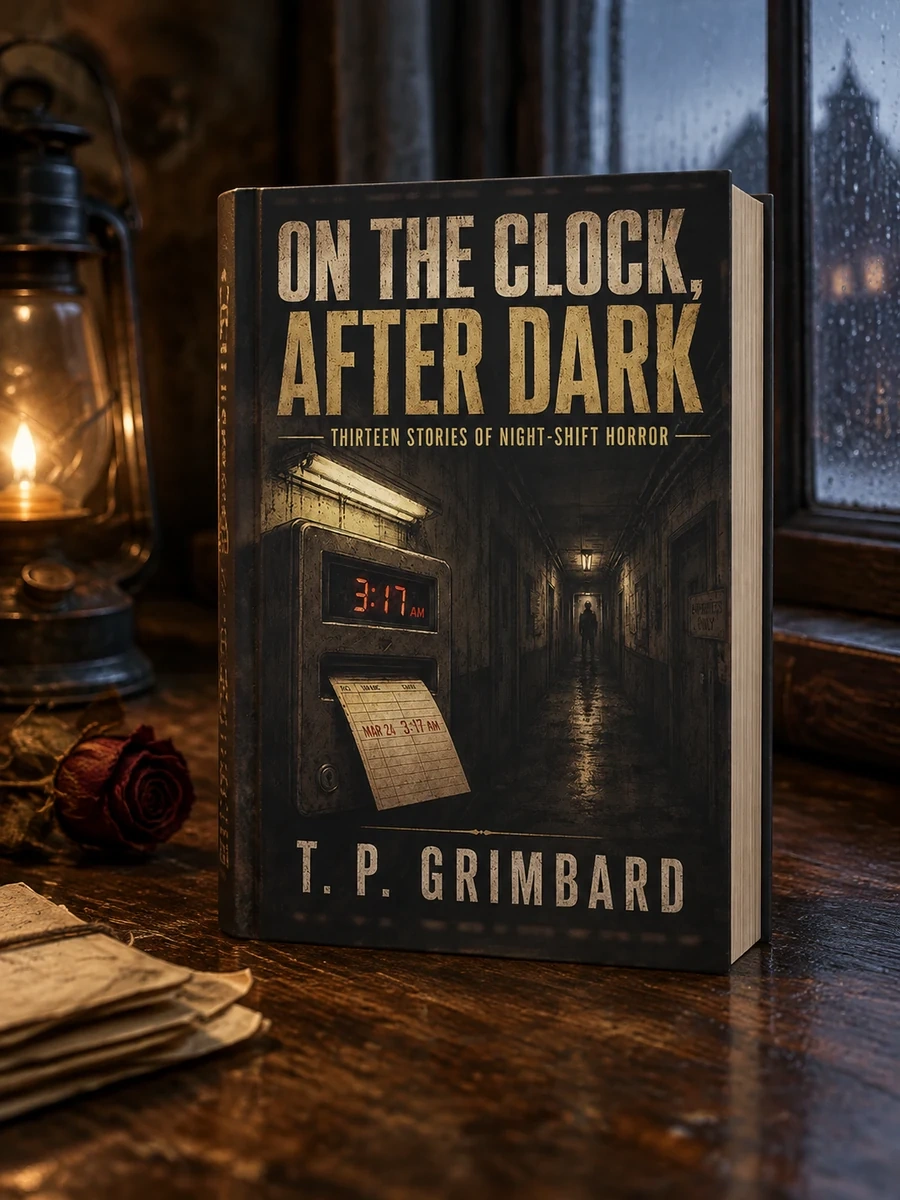
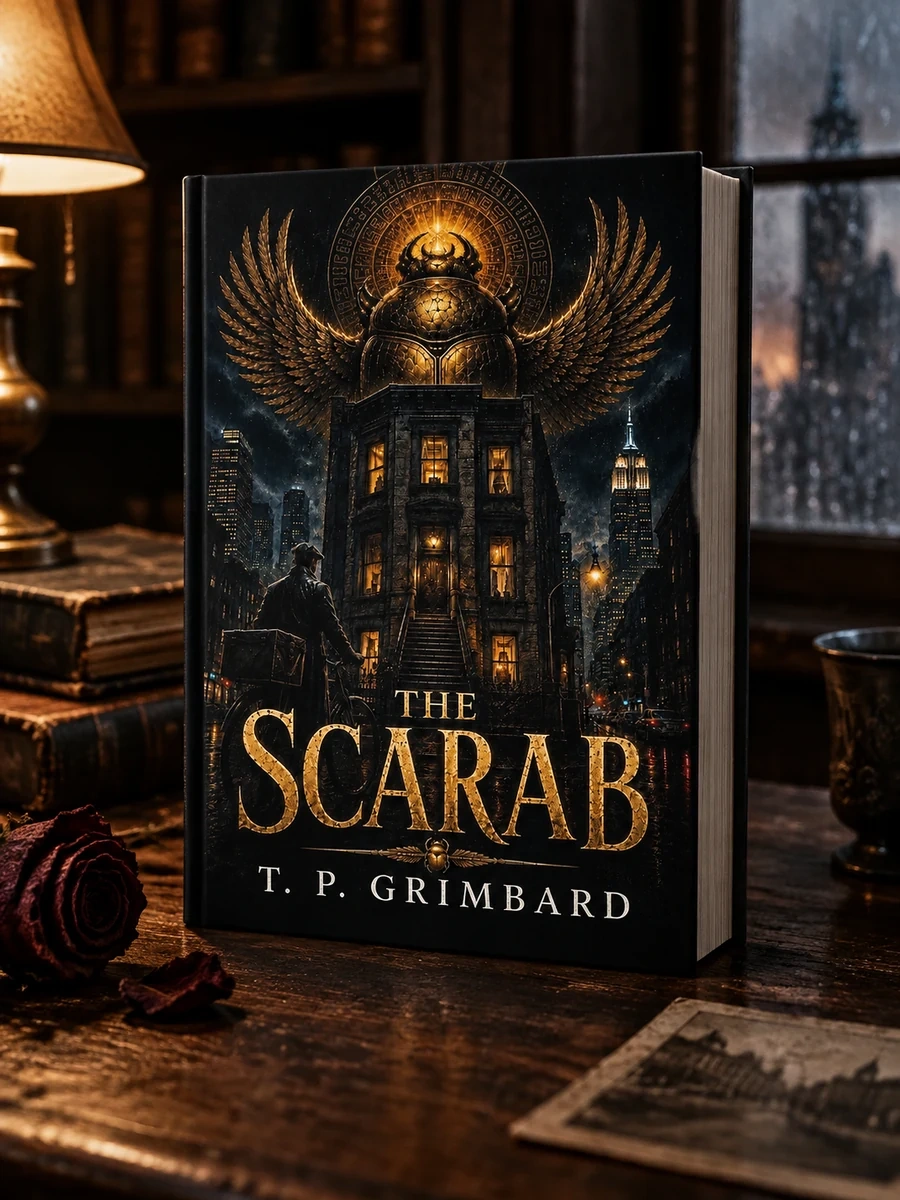
Grimbard organizes this volume around the concept that monsters can be locations, memories, or secrets rather than physical creatures. The work examines how old warnings and sealed spaces act as gateways to impossible escapes. Readers encounter narratives where environmental elements like church bells, lakes, schoolhouses, crawlspaces, and wells serve as active agents of dread. The illustrations support the text by visualizing the quiet horror inherent in these settings. The collection does not rely on gore but instead builds tension through the persistence of past events. It targets an audience interested in the psychological weight of cursed histories and the lingering nature of supernatural threats.
This 2026 release sits within the genre of folk horror and supernatural suspense. It draws on American traditions of haunted places and old warnings that refuse to stay buried. The work reflects a cultural interest in cursed histories and the idea that some monsters are not creatures but memories.


📝 Description: There Be Monsters: Then and Now: Thirteen Tales of Folk Horror and Haunted Places
💎 Our verdict on There Be Monsters: Then and Now: Thirteen Tales of Folk Horror and Haunted Places
📖 Why choose it
Why this book is worth reading
Readers who appreciate atmospheric tension over visceral shock will find value in this collection's focus on the lingering presence of past events. Those interested in how environmental elements like wells, schoolhouses, and lakes act as active agents of fear should engage with these tales. It is ideal for fans of psychological horror who enjoy endings that linger long after the book is closed. The work appeals to those seeking a quiet, persistent dread rooted in family secrets and cursed histories rather than fast-paced action or gore.
⭐ Reader reviews
Reader rating
Grimbard constructs a compelling world where places themselves hold terror, using thirteen illustrated tales to explore the persistence of memory and warning. The book excels at building tension through environmental storytelling, where church bells ring for the dead and crawlspaces whisper from below. It suits readers who enjoy supernatural suspense and haunted locations with psychological depth. The black-and-white illustrations complement the quiet dread effectively. While it lacks traditional creature-based horror or action, its strength lies in the atmospheric weight of forgotten histories. This collection offers a unique perspective on how old secrets refuse to stay buried, making it a standout for fans of slow-burn horror.