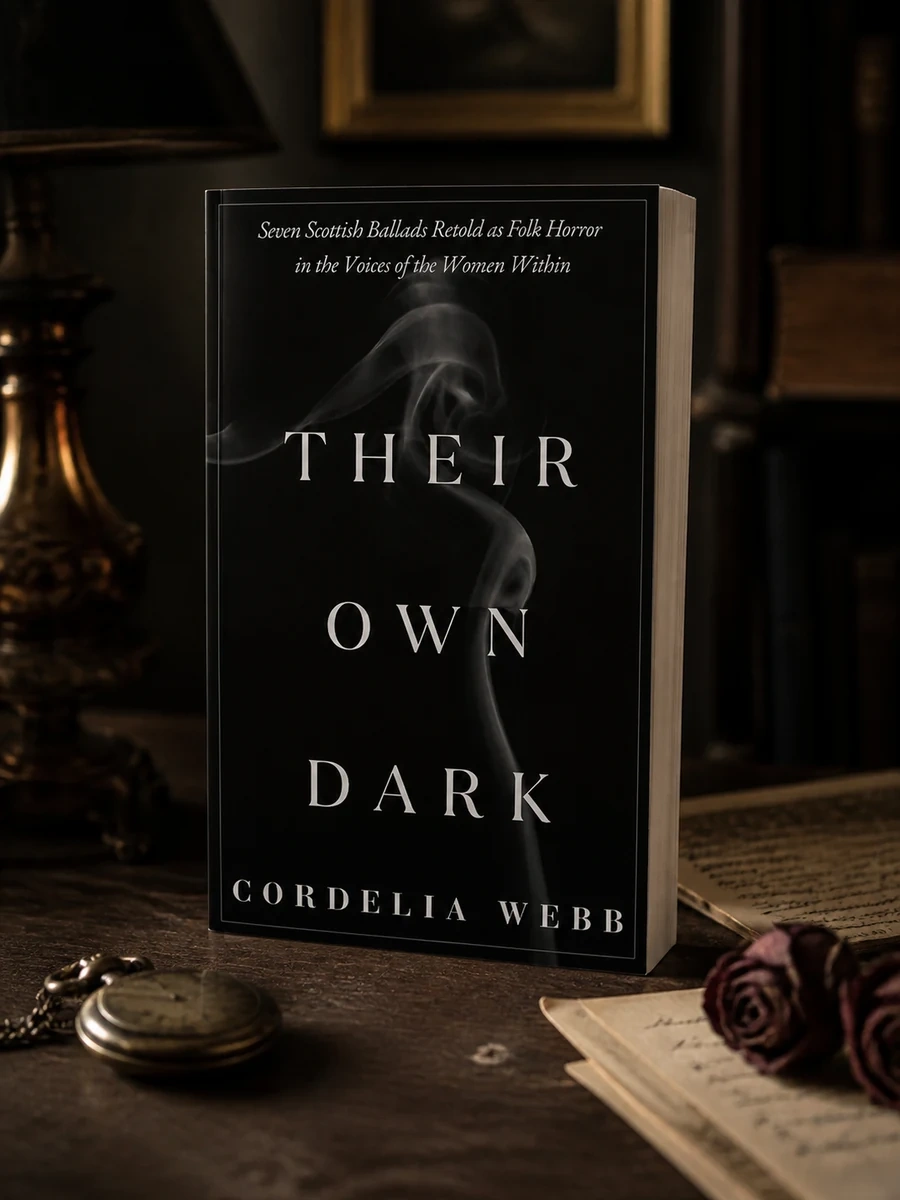
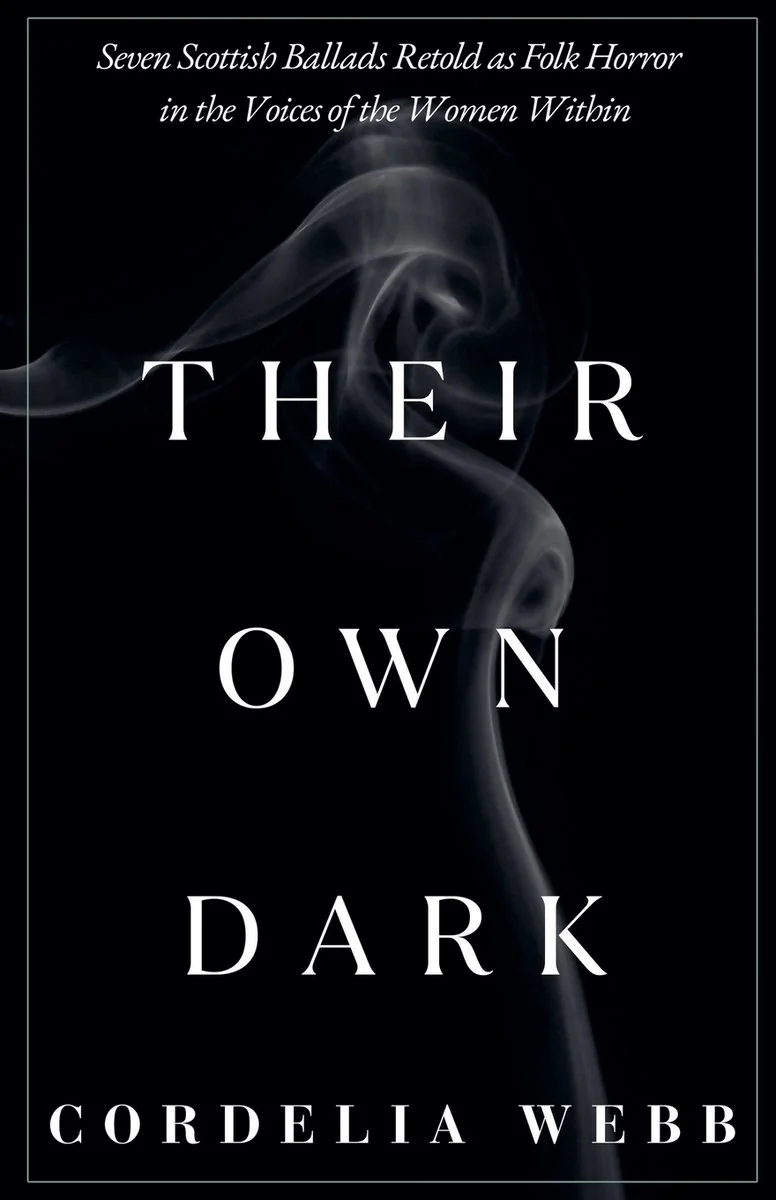
Their Own Dark
Seven women reclaim Scotland's oldest ballads through dark folk horror retellings.
Webb inverts the narrative of Scottish folklore by giving voice to the women reduced to warnings in traditional songs. The collection features seven short stories where characters like Nannie, Janet, and the Queen of Elfland explain their actions and consequences. These tales are organized as confessions that reveal the truth behind the myths. The author draws on two hundred years of ballad history to construct a modern critique of how these women were portrayed. This approach creates a unsettling atmosphere that blends historical tradition with supernatural elements. Readers looking for a departure from standard horror tropes will find this work distinct.
This collection sits within the tradition of Scottish folklore and gothic fiction. Webb draws on two hundred years of ballad history to retell Scotland's oldest stories. The work aligns with contemporary authors like Angela Carter, Kirsty Logan, and Carmen Maria Machado in its approach to supernatural narrative.


📝 Description: Their Own Dark
💎 Our verdict on Their Own Dark
📖 Why choose it
Why this book is worth reading
Readers seeking a departure from standard horror tropes will find this work distinct and compelling. It offers a dark, atmospheric exploration of agency within historical ballads, inviting those interested in gothic retellings to engage with supernatural fiction that challenges patriarchal myths. The collection suits audiences who enjoy genre-bending narratives where traditional voices are reclaimed. By placing seven women at the center of their own stories, Webb provides a necessary critique of how these figures were portrayed for two hundred years. This book is ideal for those who appreciate lyrical prose and confessional structures that reveal the truth behind myths rather than simply repeating them.
⭐ Reader reviews
Reader rating
Webb’s debut collection excels in its inversion of narrative perspective, giving voice to women reduced to warnings in traditional songs. The structure functions effectively as a series of confessions, curses, or reckonings from voices waiting centuries to speak. Webb’s lyrical style, steeped in folk horror traditions, creates an unsettling atmosphere that blends historical tradition with supernatural elements. While it may not satisfy readers seeking traditional horror or linear plots, it offers a profound exploration of agency. The work appeals strongly to those interested in gothic retellings and feminist critiques of folklore. It stands as a significant contribution to the genre, offering depth and atmospheric resonance over conventional plot mechanics.
You might also like
See more →





Have a question about this item?
Ask about the edition, condition, delivery or anything else — we reply by email or phone, usually within a day.
