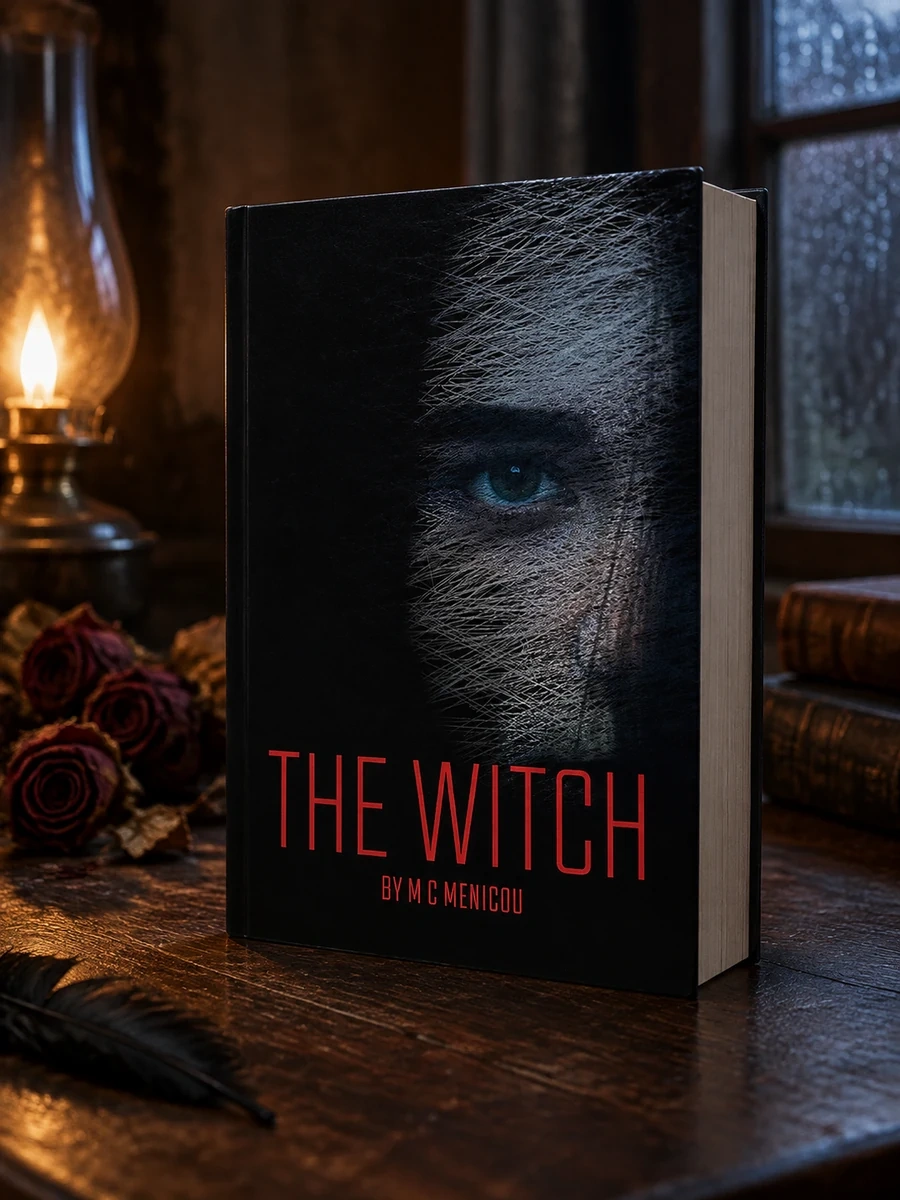
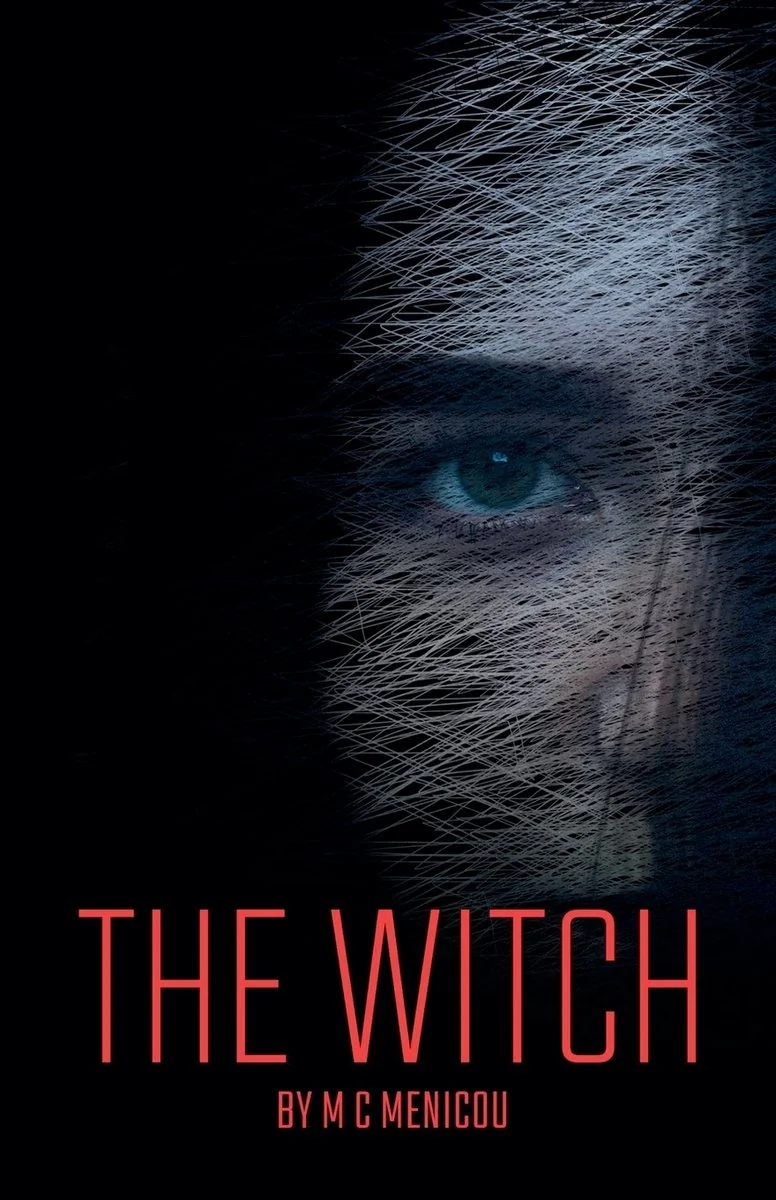
The Witch
A modern couple reawakens a 17th century curse in the South of England.
This narrative connects the actions of a 17th century healer with events occurring four hundred years later. Old Mother Ludlum enforces a two-day return policy for her lent items. When a stranger keeps her cauldron beyond the deadline, she places a curse on the village. The story then shifts to Julia and David, who are touring the South of England. They learn about the white witch legend during their travels. David makes jokes about the situation but ultimately triggers the old terror. The book examines how local folklore persists and affects those who encounter it. It does not provide a comprehensive history of English witches. Instead, it focuses on this specific lineage of events. The prose avoids academic analysis in favor of storytelling. Readers looking for detailed maps or genealogical charts will find none here. The focus remains tightly on the characters and the legend they disturb.
The story is set in 17th century England and later in the South of England. It draws on local folklore regarding a healer named Old Mother Ludlum. The narrative bridges the gap between historical superstition and modern tourism in that specific region.


📝 Description: The Witch
💎 Our verdict on The Witch
📖 Why choose it
Why this book is worth reading
Readers who appreciate the slow burn of gothic atmosphere and the chilling resonance of local legends will find this narrative compelling. It offers a tight, character-driven exploration of how broken oaths can unleash ancient terrors across centuries. Those interested in the persistence of folklore and its impact on contemporary lives will engage with the story's focus on Julia and David’s encounter with the white witch legend. It is ideal for audiences who prefer storytelling over academic analysis, seeking an immersive experience rooted in specific historical superstition rather than broad mythological surveys.
⭐ Reader reviews
Reader rating
McMenicou delivers a focused tale that effectively bridges the gap between seventeenth-century village life and modern tourism. The narrative structure successfully contrasts Old Mother Ludlum’s strict enforcement of her two-day return policy with the casual disregard shown by later generations. By centering on the specific legend of the white witch, the book avoids the pitfalls of general historical documentation, offering instead a visceral connection to past transgressions. It suits readers who enjoy localized horror where the setting itself feels alive with consequence. The prose prioritizes storytelling over analysis, creating a chilling atmosphere that lingers long after David inadvertently reawakens the old terror.
📖 Read on the blog
✍️ More books by this author McMenicou


🏛 Books from this publisher McMenicou537
You might also like
See more →


Have a question about this item?
Ask about the edition, condition, delivery or anything else — we reply by email or phone, usually within a day.
