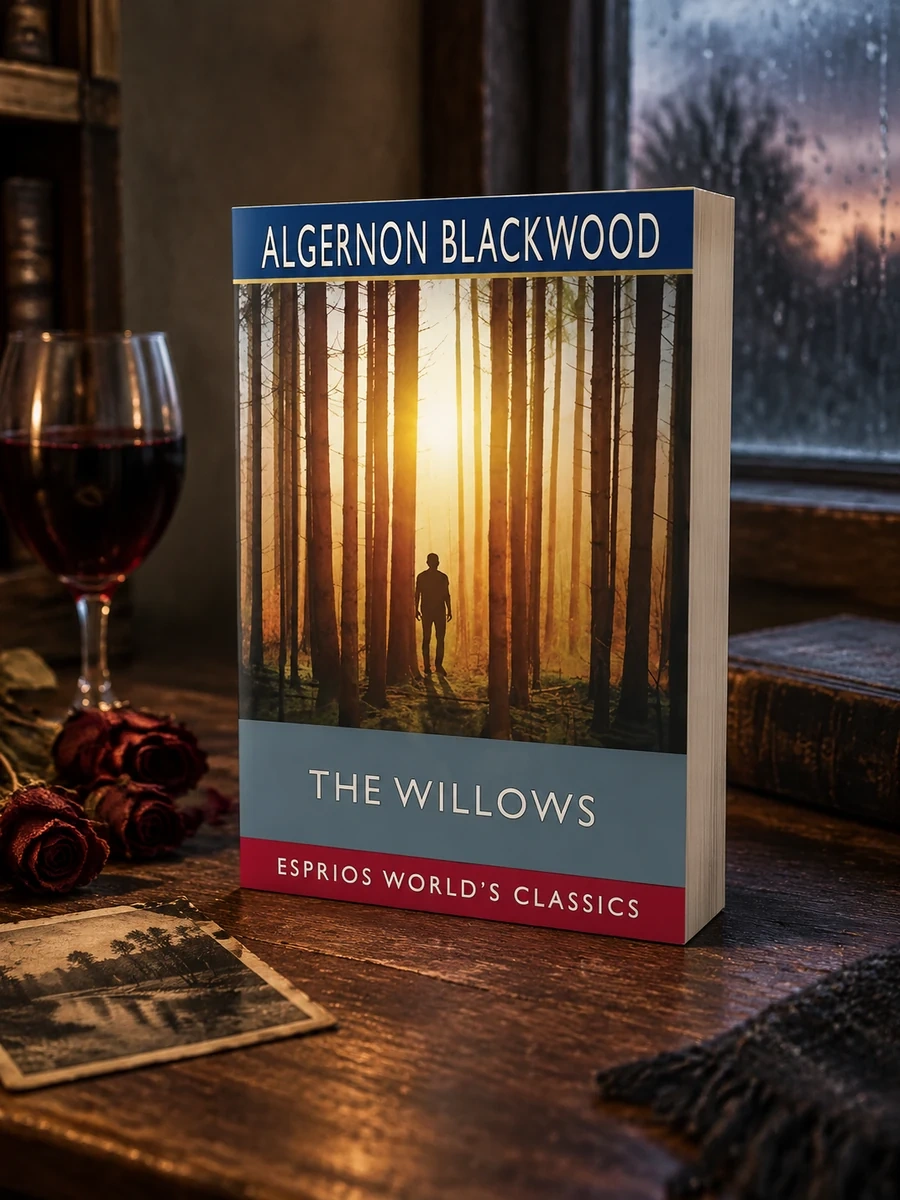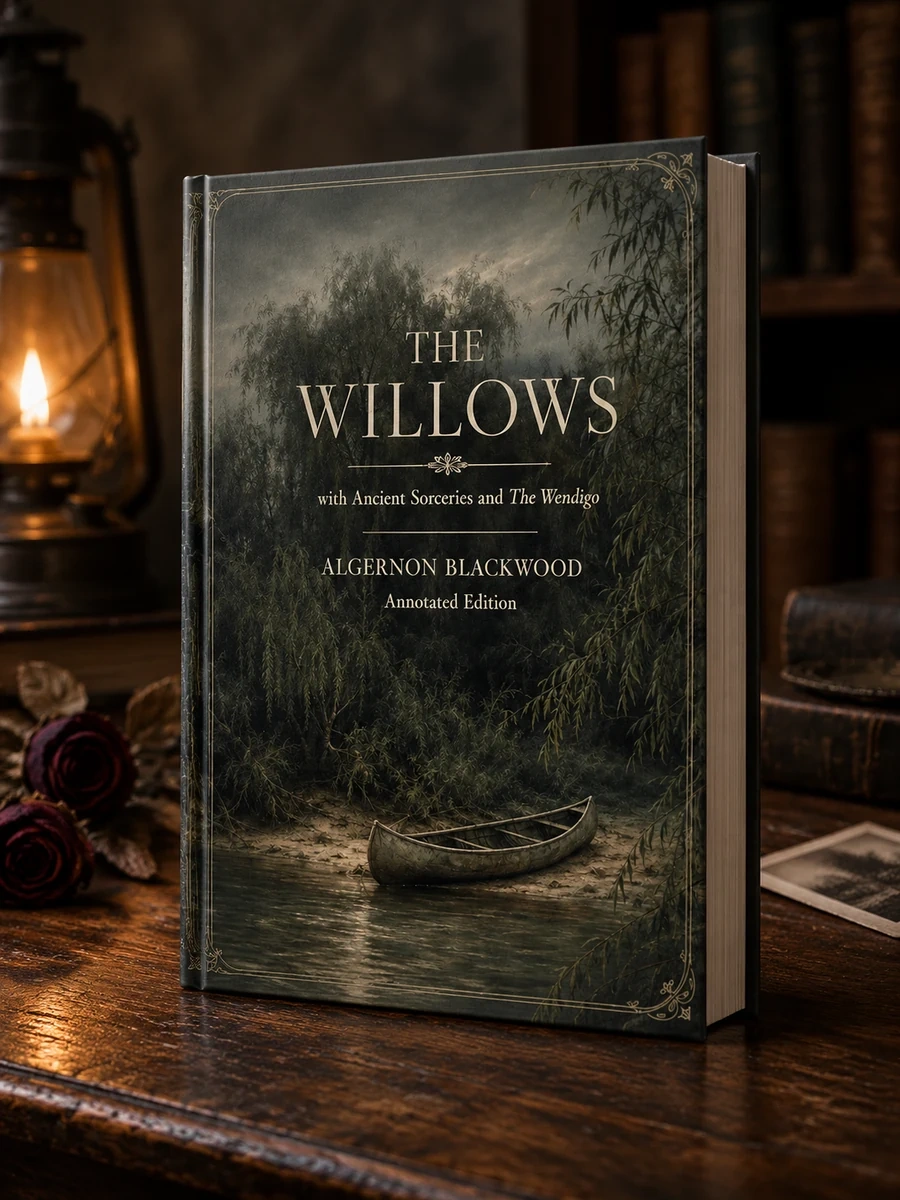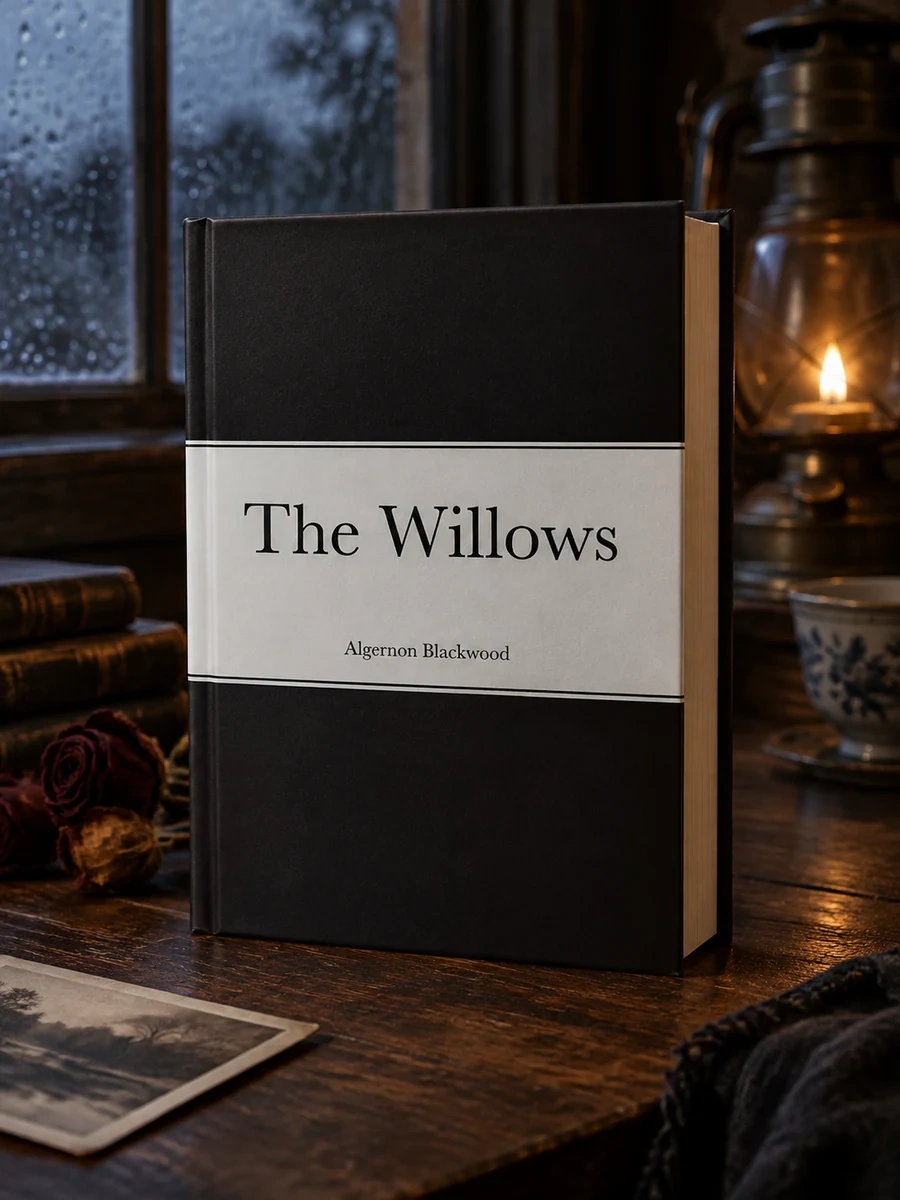

The Willows
A classic novella about two men facing supernatural dread on the Danube.
Blackwood presents a tale of isolation and terror. Two travelers stop near a forest and find a dead body. Their escape route vanishes with their oars. Night brings a palpable sense of wrongness to the willows. The story focuses on psychological unease rather than monsters. Lovecraft recognized its power, calling it the best supernatural tale in English. This endorsement underscores its importance in horror history. The narrative style is deliberate and immersive. It captures the fear of being trapped in an ancient landscape.
Algernon Blackwood published this work in 1907 as part of The Listener and Other Stories. It emerged from English literature but gained significant traction in the United States. H.P. Lovecraft later cited it as a major influence on his own writing style.


📝 Description: The Willows
💎 Our verdict on The Willows
📖 Why choose it
Why this book is worth reading
This book is ideal for readers who appreciate atmospheric tension and classic horror over fast-paced action or modern gore. Fans of slow-burn narratives will value the detailed buildup and immersive narrative style that captures the fear of being trapped in an ancient landscape. Those interested in the fragility of human sanity and nature's indifference will find this work compelling. It offers a deliberate, psychological exploration of terror rather than relying on sudden shocks or monsters, making it a rewarding experience for those seeking depth and historical significance in supernatural fiction.
⭐ Reader reviews
Reader rating
Blackwood crafts a masterful tale of isolation where the landscape itself becomes a source of profound dread. The narrative excels in building tension gradually through an unsettling atmosphere rather than conventional scares. By focusing on psychological unease, the story explores the limits of human sanity when confronted with ancient, indifferent forces. This approach makes it particularly suitable for readers who enjoy immersive, slow-burn horror and appreciate literary craftsmanship over visceral thrills. The work remains a vital piece of early twentieth-century fiction for its unique and enduring portrayal of supernatural fear.