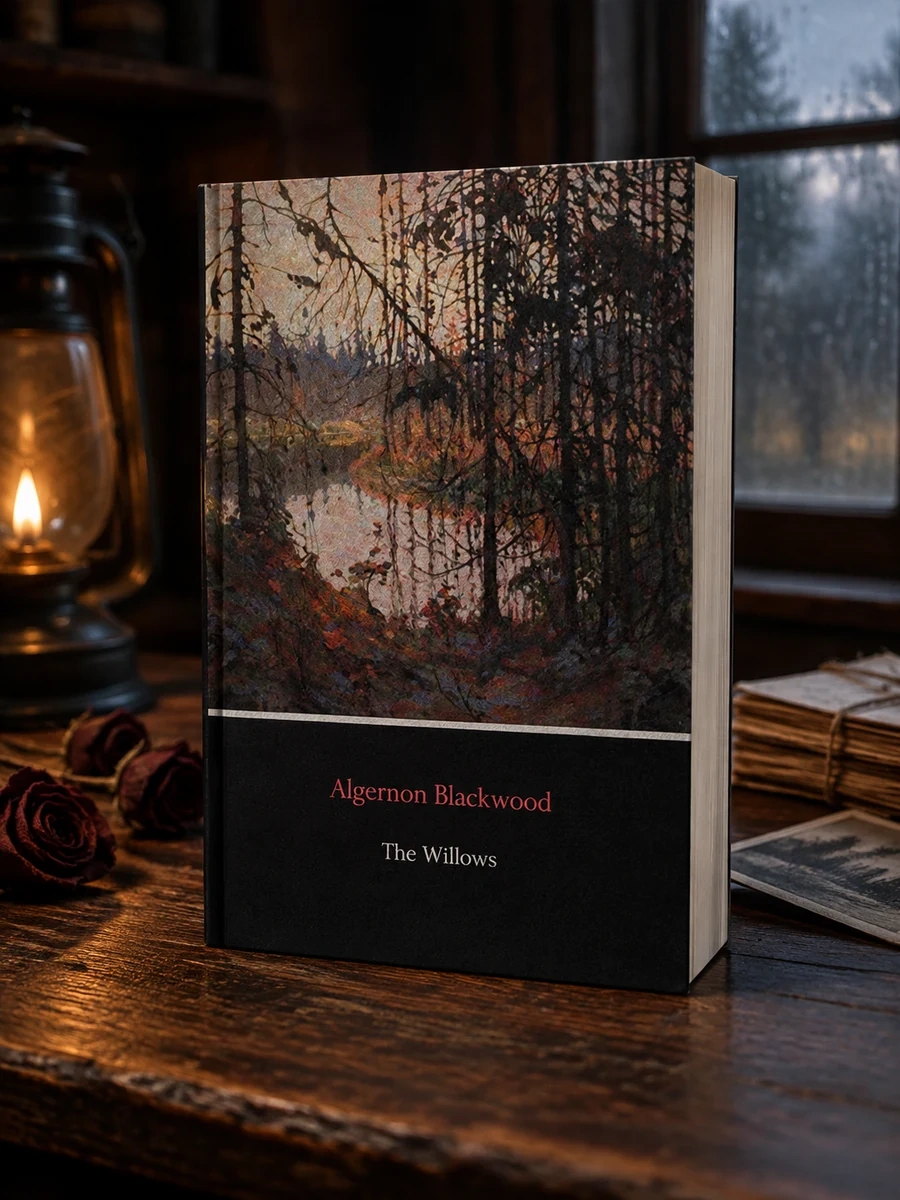

The Willows
A classic supernatural tale about two friends stranded on the Danube.
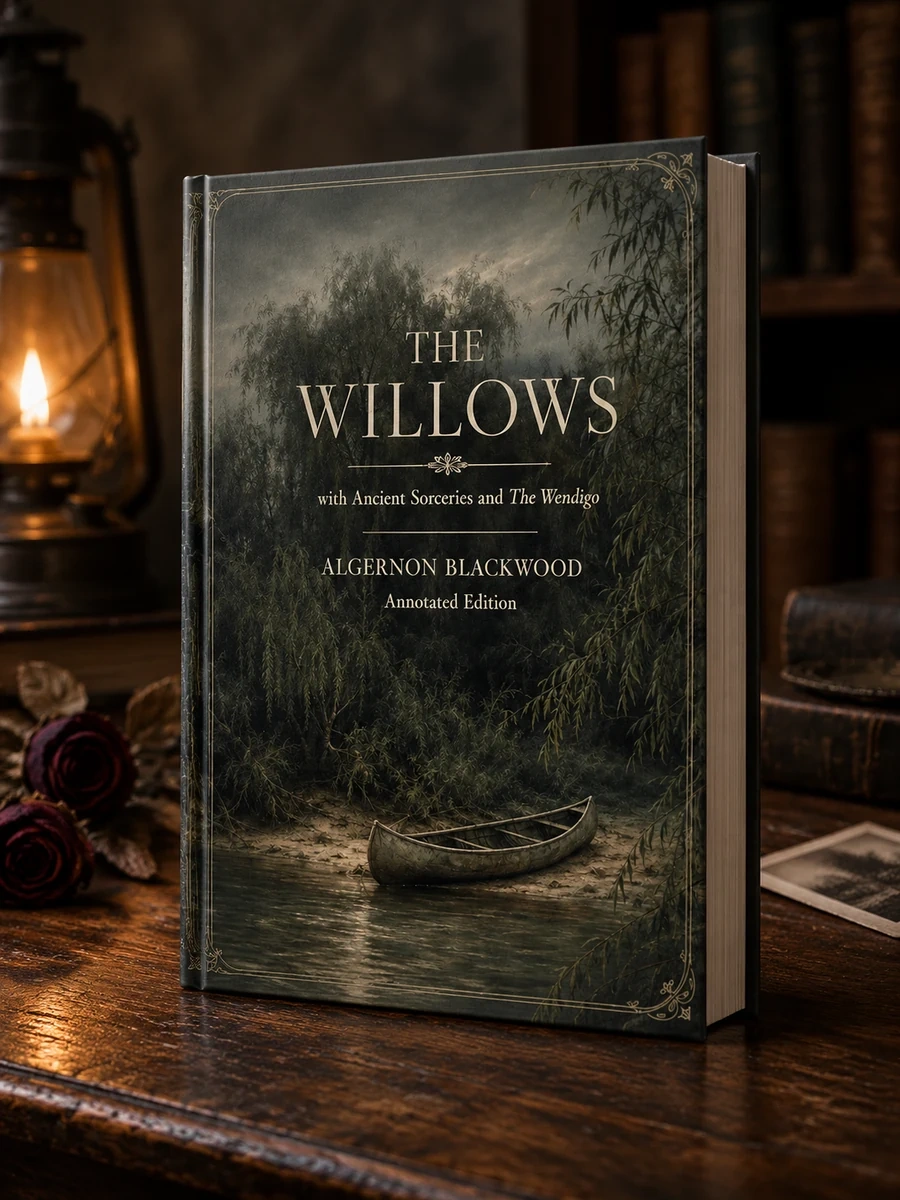
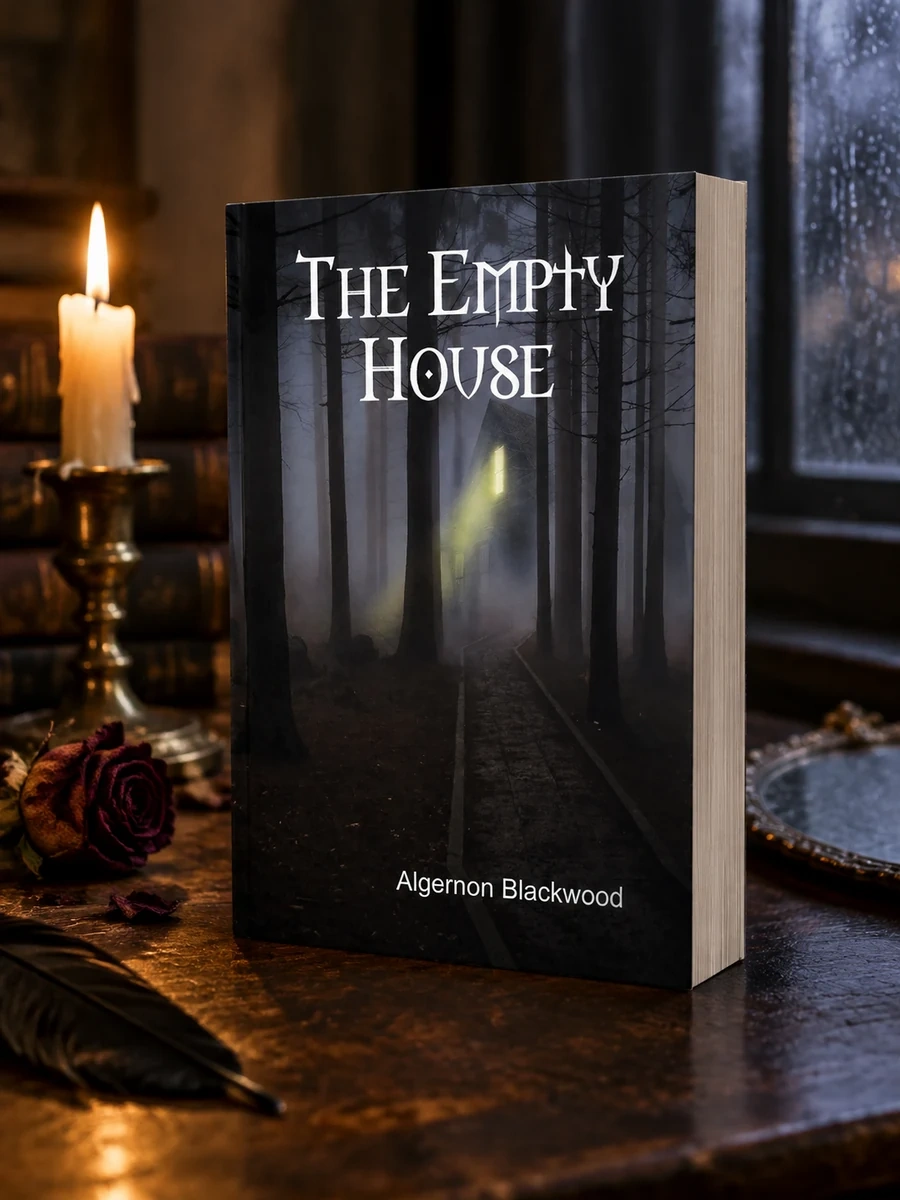
This work centers on two men whose canoe journey down the Danube is interrupted by a grim discovery. They lose their oars and face an escalating sense of dread as night approaches. Blackwood uses this setup to explore themes of isolation and helplessness against unseen forces. The narrative relies on atmosphere rather than explicit horror elements. Lovecraft’s endorsement underscores its importance in the genre. The story reflects early twentieth-century anxieties about nature and the unknown. It appeals to readers who prefer psychological tension over gore.
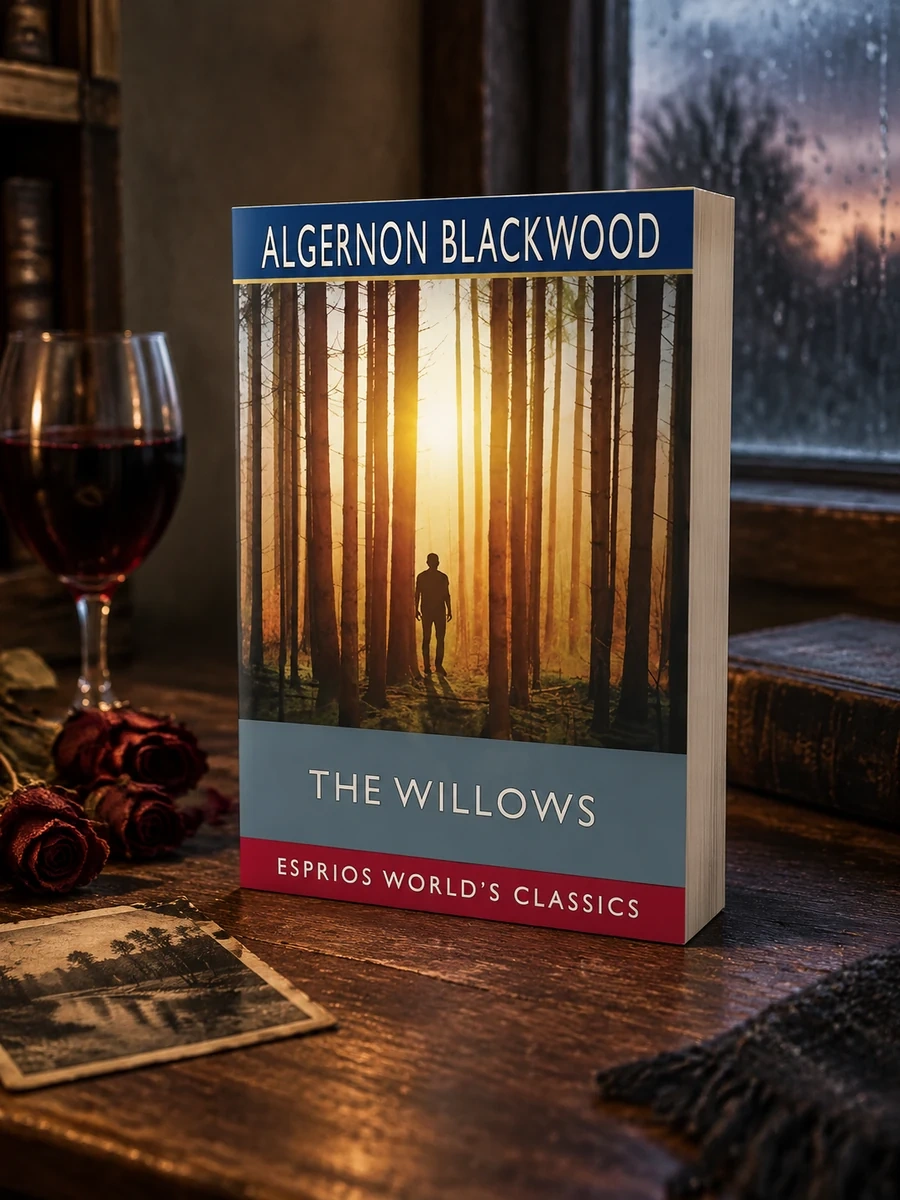
Published in 2019 by Lulu.com, this edition preserves Blackwood’s original text. Lovecraft’s praise links it to the broader tradition of American and British weird fiction. The Danube setting grounds the supernatural elements in a real geographic location.


📝 Description: The Willows
💎 Our verdict on The Willows
📖 Why choose it
Why this book is worth reading
Readers who prioritize atmospheric dread and psychological tension over explicit gore or fast-paced action will find profound value in this text. It appeals to those interested in the intersection of nature writing and cosmic horror, offering a masterclass in building isolation and helplessness against unseen forces. Fans of gothic traditions and ghost stories will appreciate its focus on mood rather than plot mechanics. The narrative’s exploration of human vulnerability within a wild environment provides a unique perspective on early twentieth-century fears. By valuing subtle unease over shock tactics, the book offers a refined experience for connoisseurs of classic supernatural fiction who seek depth in their reading material.
⭐ Reader reviews
Reader rating
This text excels in cultivating an overwhelming sense of isolation and dread through its setting along the Danube River. Blackwood’s background in nature writing allows for detailed environmental descriptions that enhance the psychological impact of the unknown. The narrative relies on atmosphere rather than explicit horror elements, creating a slow-burn tension suitable for patient readers. While those seeking immediate action may find the pace sluggish, fans of atmospheric horror will recognize its significance. Its influence on later writers underscores its importance in the genre. The work remains a key example of early weird fiction, demonstrating how subtle unease can be more terrifying than graphic content.