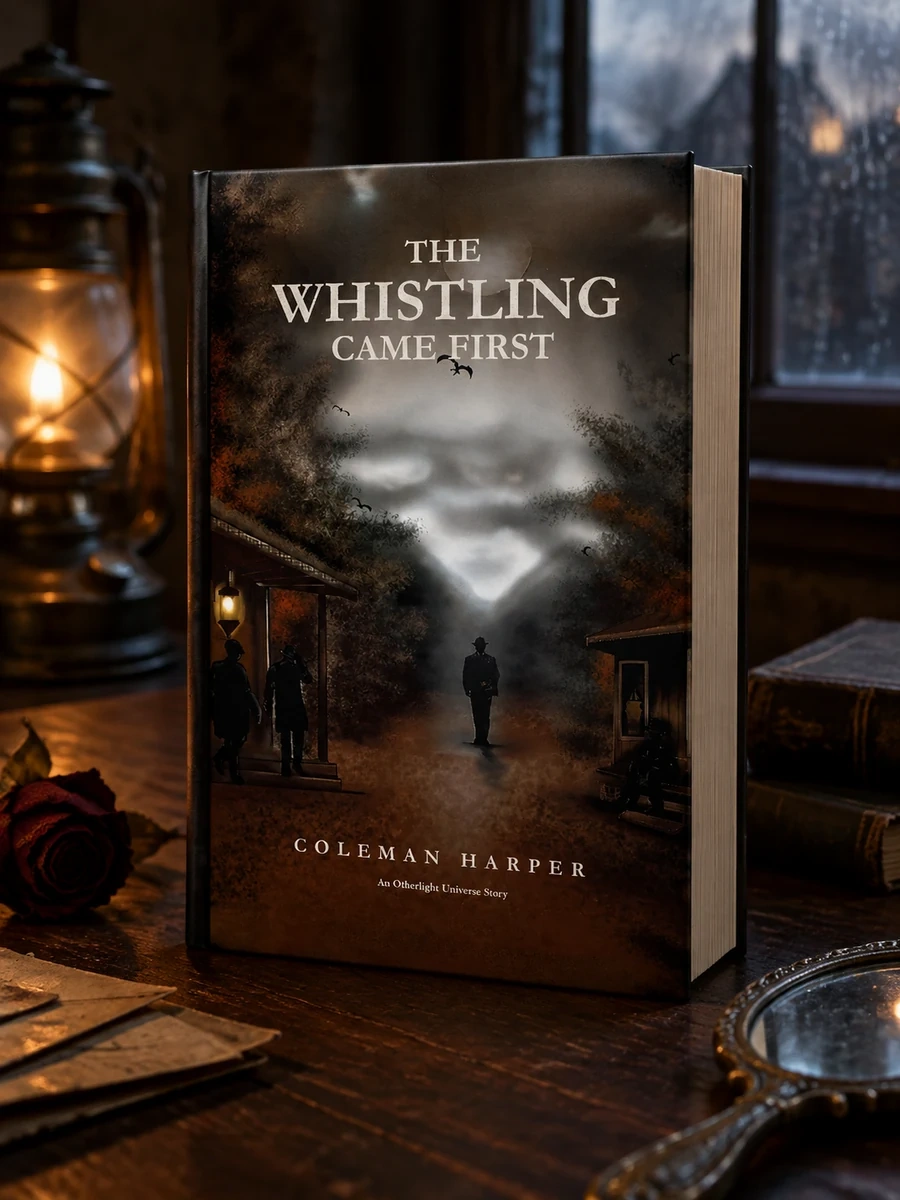
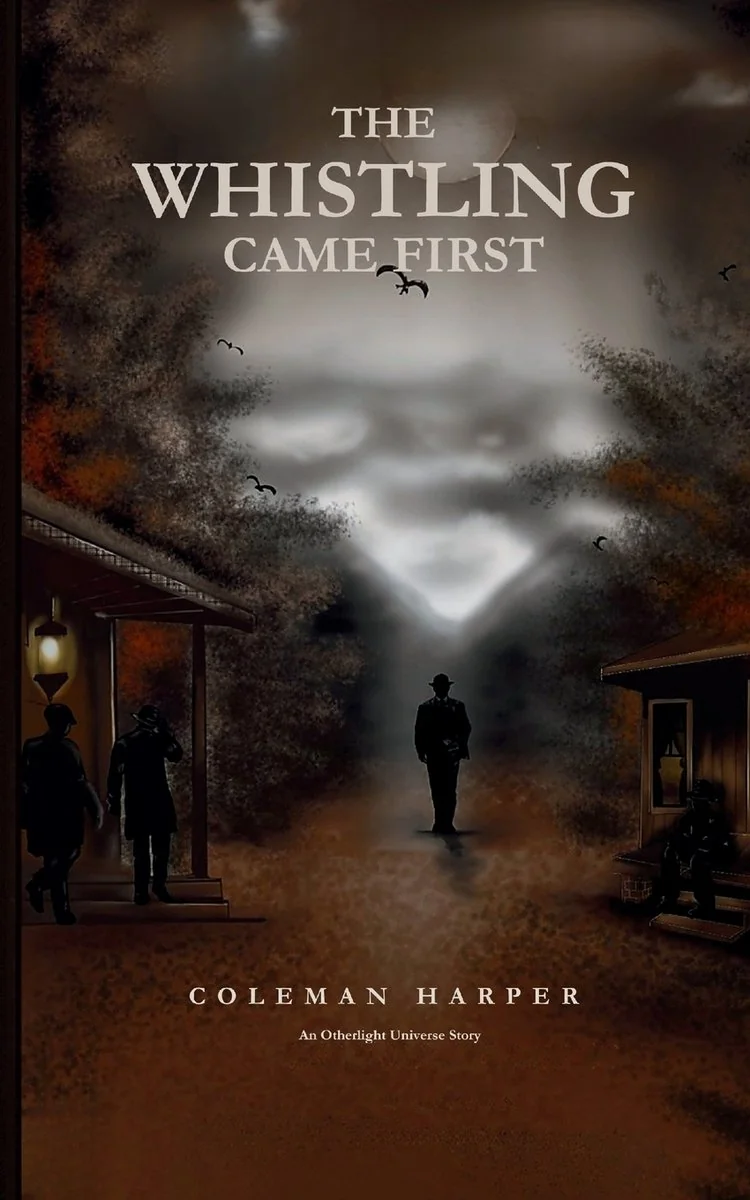
The Whistling Came First
A Southern Gothic tale where the land remembers what people forget in 1926 Arkansas.
This novel focuses on a small town in the Ouachita Mountains built by Black families. A mysterious figure brings a whistle that causes people to stop existing. Etta Mae Crawford, who records names, fights against this erasure. The narrative is driven by the voice of the earth rather than human characters alone. Harper uses this perspective to explore how history is preserved or lost. The story avoids violent conflict in favor of existential dread. Readers interested in the intersection of folklore and supernatural horror will engage with these events. The text does not offer easy resolutions but rather a stark look at memory.
Set in 1926 Mastonia, Arkansas, this work draws on Southern Gothic traditions and the history of Black communities in the Ouachita Mountains. It reflects on how land retains memory while people forget.


📝 Description: The Whistling Came First
💎 Our verdict on The Whistling Came First
📖 Why choose it
Why this book is worth reading
Readers interested in the intersection of folklore and supernatural horror will engage with these events, particularly those who appreciate atmospheric tales rooted in specific historical contexts. This book offers a stark look at memory and the power of oral history through a unique environmental voice. It is ideal for audiences seeking depth over action, exploring how history is preserved or lost without offering easy resolutions. The narrative avoids violent conflict in favor of existential dread, providing a compelling examination of erasure. Those who value precise thematic exploration and regional specificity will find this work rewarding and thought-provoking.
⭐ Reader reviews
Reader rating
Harper crafts a compelling Southern Gothic horror that emphasizes how the earth remembers what people forget. By utilizing the perspective of the land itself, the narrative drives the plot forward through an environmental voice rather than traditional human-centric action. This approach creates a profound sense of existential dread as residents vanish without violence. The work is best suited for readers who appreciate atmospheric tales and regional folklore over fast-paced plots. It successfully examines memory and erasure with precision, avoiding simple resolutions to provide a stark, enduring commentary on history. The unique structural choice elevates the thematic weight significantly.
You might also like
See more →






Have a question about this item?
Ask about the edition, condition, delivery or anything else — we reply by email or phone, usually within a day.
