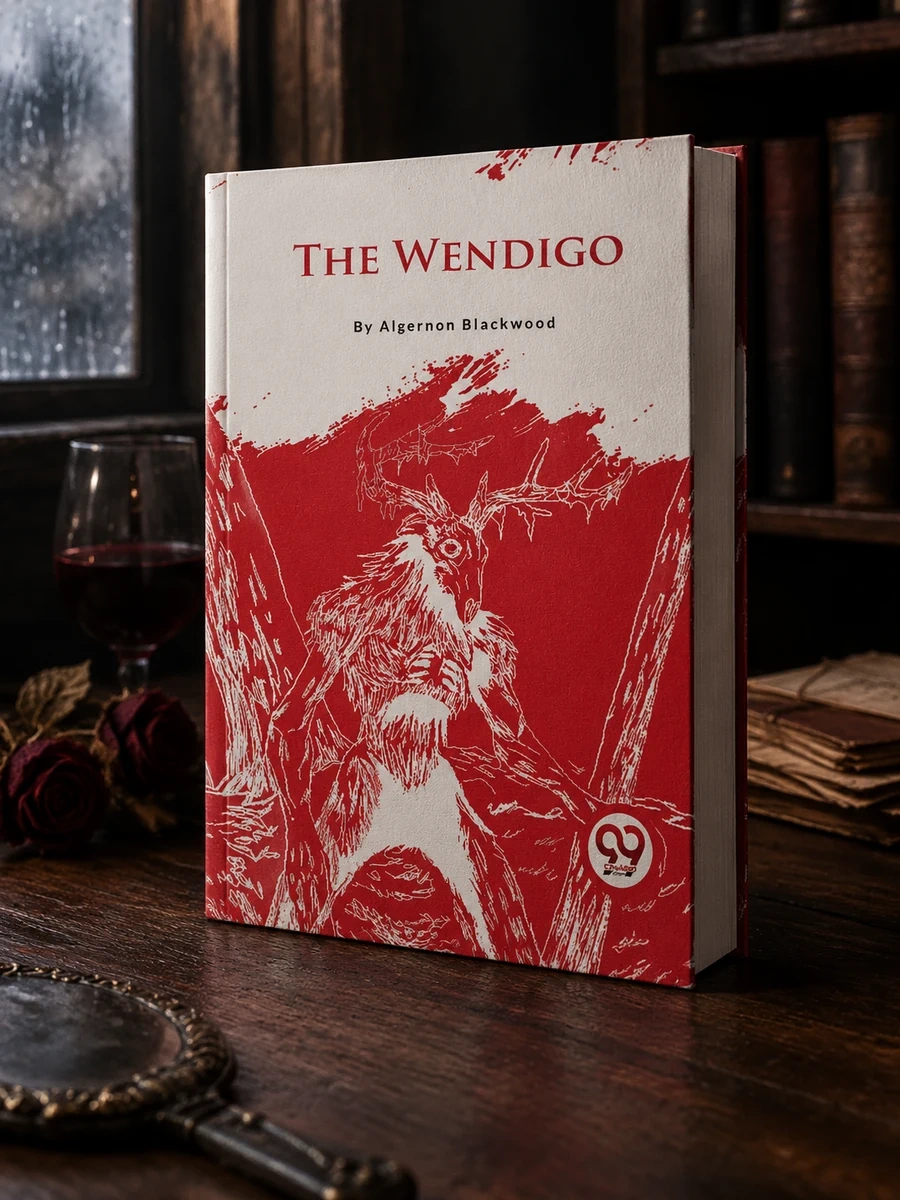
The Wendigo
A 1910 novella about hunting-induced madness in Northwestern Ontario.
Blackwood’s work examines the fragility of the human mind when isolated in harsh environments. The plot centers on a hunting expedition that descends into psychological horror. Characters confront entities that challenge their perception of reality. The narrative does not offer clear answers, leaving the reader with lingering questions about the nature of the Wendigo and the validity of Dr. Cathcart’s theories on shared delusions. The story concludes with tragedy and confusion rather than resolution.
Published in 1910 by Eveleigh Nash, this work reflects early twentieth-century British interest in Canadian wilderness lore. It draws on local folklore surrounding the Wendigo and the psychological theories of its time regarding mass hysteria and environmental stress.


📝 Description: The Wendigo
💎 Our verdict on The Wendigo
📖 Why choose it
Why this book is worth reading
This novella is essential for readers who appreciate atmospheric, slow-burn psychological horror rooted in specific geographic settings like the Canadian north. It appeals to those interested in early twentieth-century gothic fiction and tales of collective hallucination, offering a focused exploration of fear and the unknown. Readers seeking fast-paced action or modern scientific explanations may find it less engaging, but fans of cosmic dread will value its lingering questions about reality and madness. The text provides a chilling narrative that challenges perception without offering clear answers, leaving a profound sense of unease regarding the nature of the Wendigo and shared delusions.
⭐ Reader reviews
Reader rating
Blackwood crafts a chilling narrative where the harsh environment of Northwestern Ontario becomes a character itself, blurring the line between reality and madness. The novella excels in building psychological tension through isolation, forcing characters to confront entities that challenge their sanity. It is best suited for readers who enjoy atmospheric horror and early gothic traditions rather than those seeking resolution or scientific explanation. The story’s strength lies in its ambiguous conclusion, which leaves the reader with lingering questions about the validity of Dr. Cathcart’s theories. While the pace may feel slow to some, the focused exploration of fear makes it a compelling read for enthusiasts of psychological terror and supernatural dread.
📖 Read on the blog
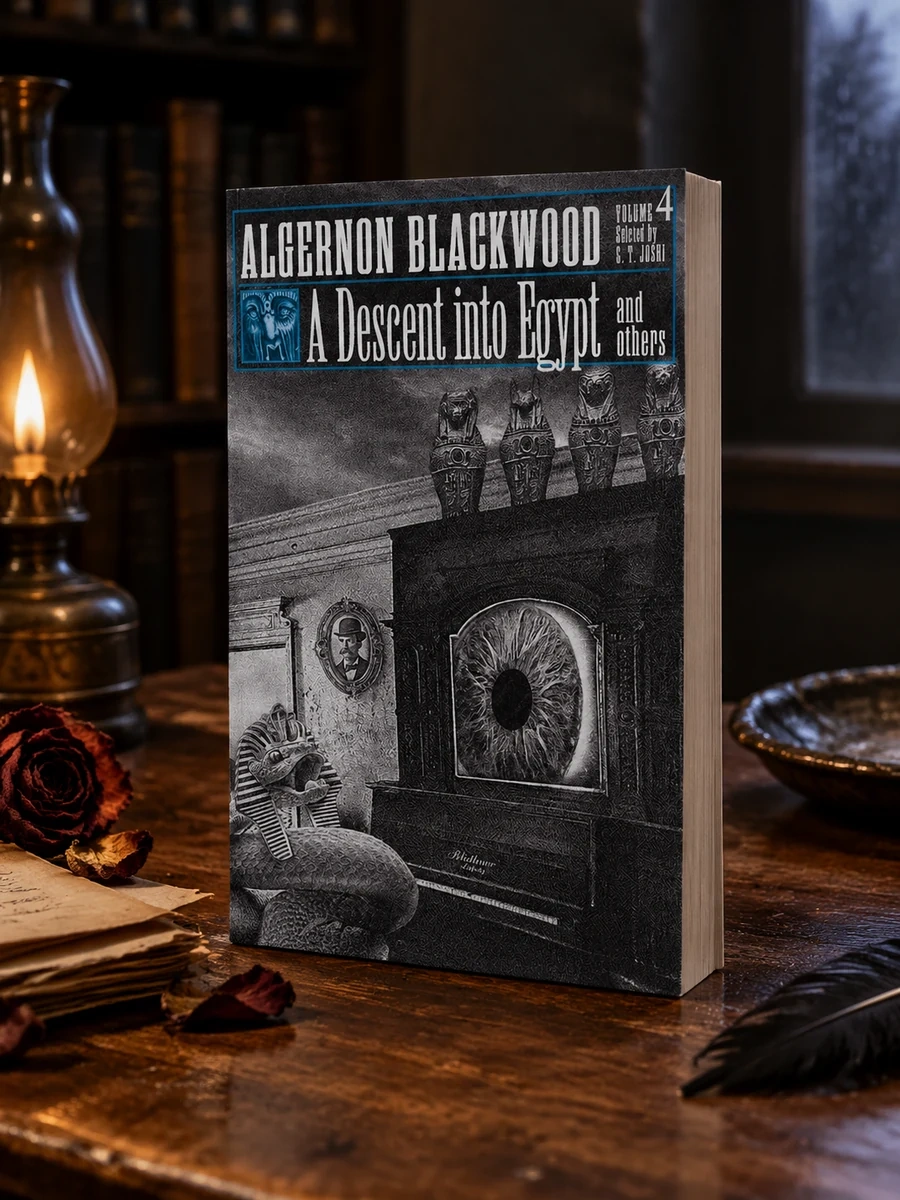
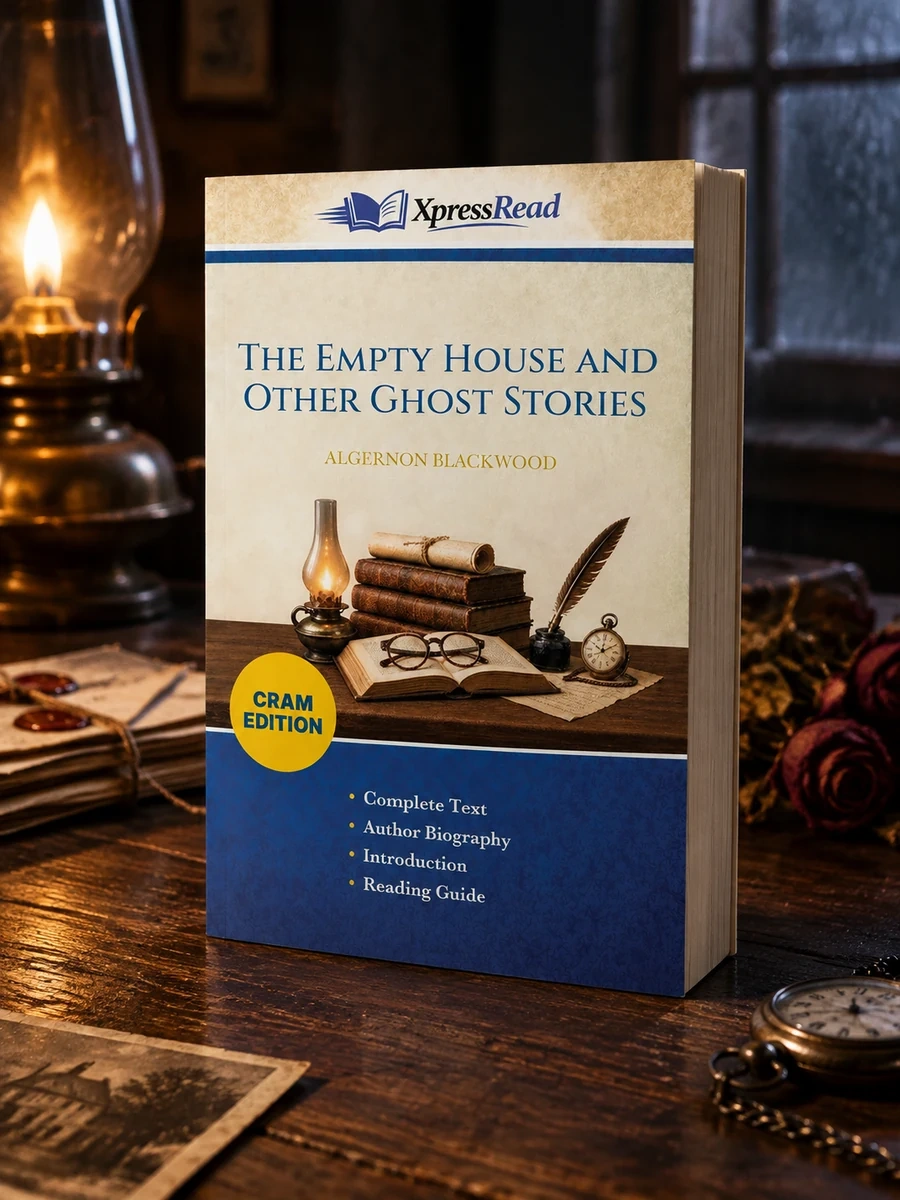
✍️ More books by this author Algernon Blackwood


🏛 Books from this publisher Double 9 Booksllp
You might also like
See more →

Have a question about this item?
Ask about the edition, condition, delivery or anything else — we reply by email or phone, usually within a day.
