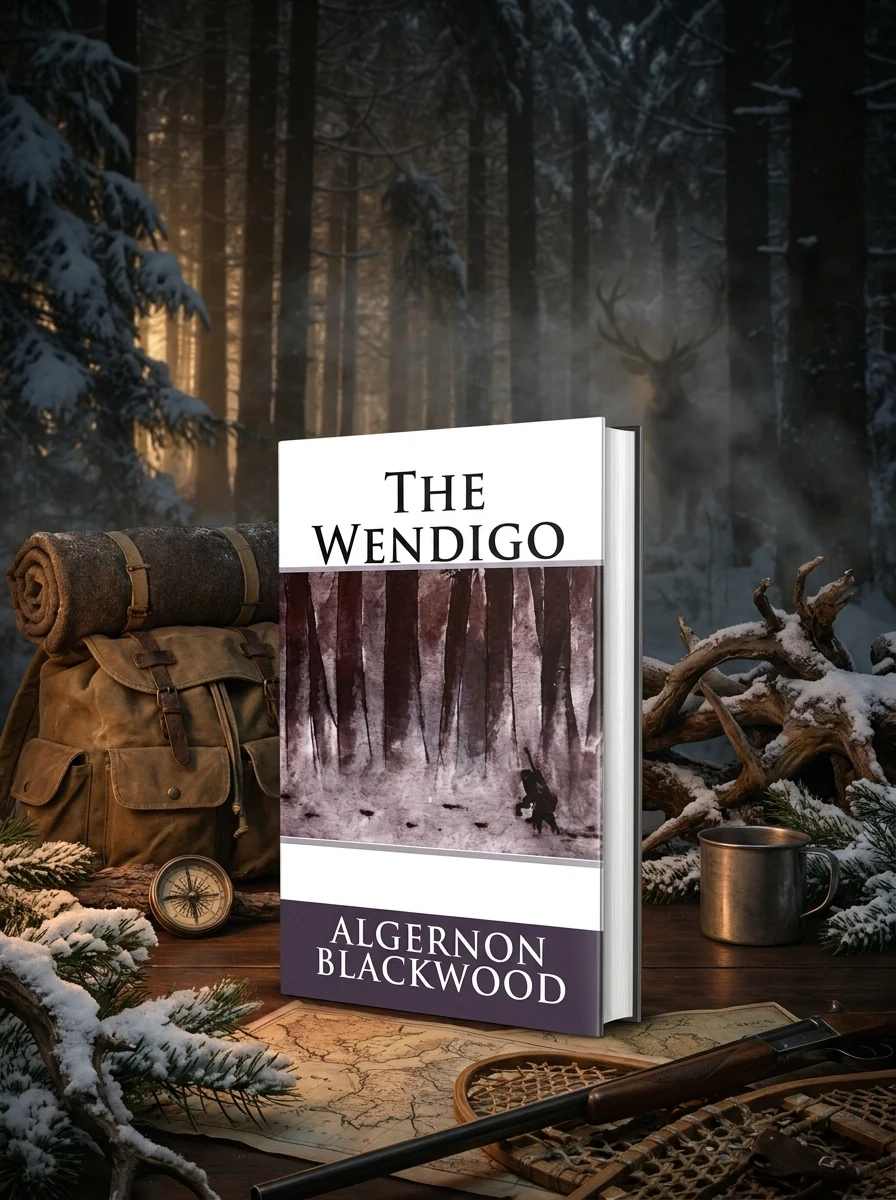
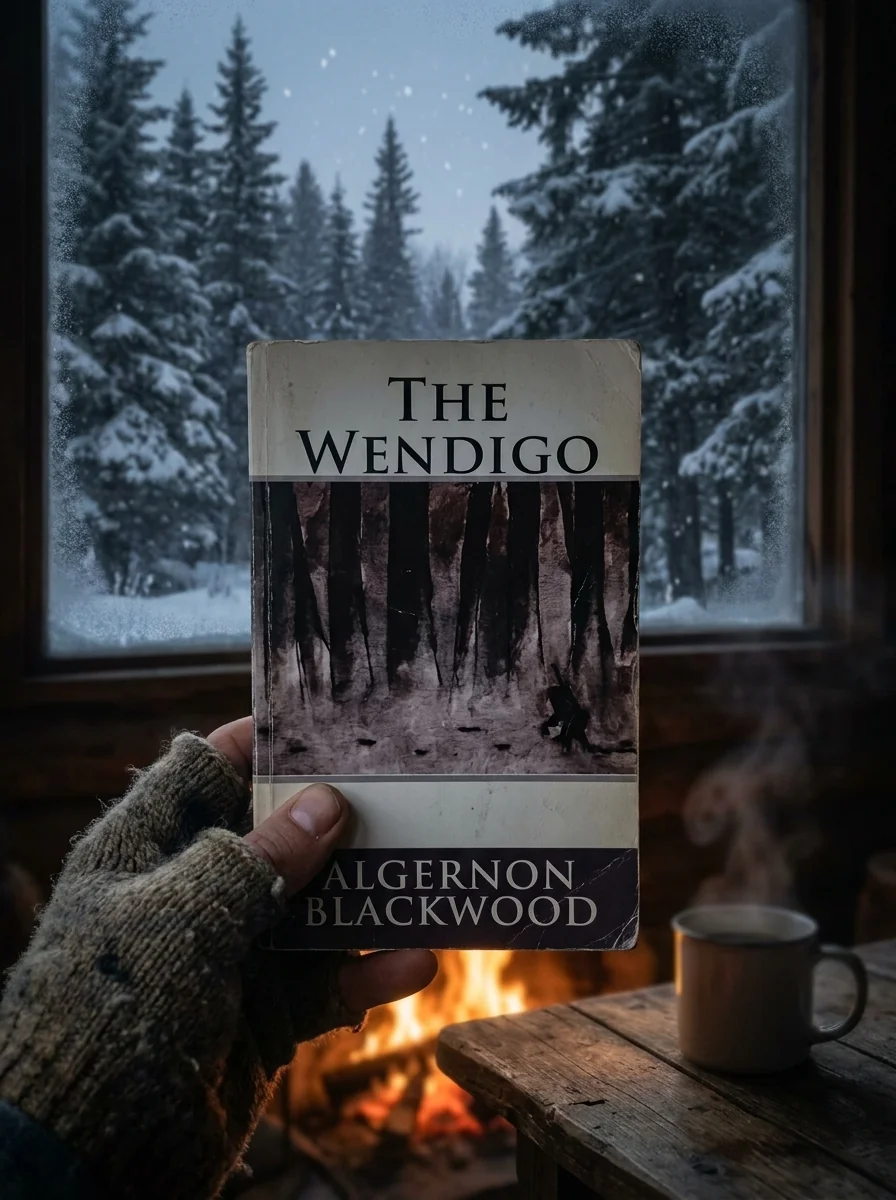
The Wendigo
A classic monster tale exploring madness in the Canadian wilderness
Blackwood investigates the psychological toll of isolation through a hunting trip gone wrong. The story follows Dr. Cathcart and Mr. Simpson as they venture deep into northern Canada with their guides. The separation of the group allows fear to grow alongside the physical challenges of survival. The narrative does not rely on jump scares but rather on the slow erosion of mental stability. It presents a scenario where the environment itself becomes an antagonist, forcing the characters to confront their own fragility. The work examines how removing people from society exposes hidden aspects of their nature.
The story draws on North American folklore regarding the Wendigo, a creature associated with cannibalism and winter starvation. It reflects early twentieth-century anxieties about civilization versus nature. The setting in northern Canada provides a backdrop for exploring superstition and the fear of the unknown frontier.


📝 Description: The Wendigo
💎 Our verdict on The Wendigo
📖 Why choose it
Why this book is worth reading
Readers who appreciate atmospheric tension over visceral gore will find this book compelling. It offers a masterclass in slow-burn psychological horror, demonstrating how isolation and the unknown can erode mental stability without explicit supernatural spectacle. Those interested in the subgenre of cosmic horror or tales where the environment itself acts as an antagonist will gain insight into Blackwood’s unique ability to blend physical survival with existential dread. The narrative appeals to those who enjoy exploring the fragility of human sanity when stripped of societal structures. It is ideal for fans of classic monster stories that prioritize intellectual unease and lingering ambiguity rather than clear resolutions or lighthearted adventure.
⭐ Reader reviews
Reader rating
Blackwood delivers a potent examination of madness through the lens of Canadian wilderness survival, avoiding cheap jump scares in favor of profound psychological erosion. The narrative effectively transforms the uninhabited land into an active antagonist, forcing characters to confront their own hidden ferocities and fragility. This approach creates a deep sense of unease that resonates long after reading. The book excels in its atmospheric density and thematic depth regarding the loss of identity. It suits readers who enjoy gothic fiction and psychological horror, particularly those interested in how isolation exposes the darker aspects of human nature. Fans of classic monster tales will appreciate the intellectual challenge presented here.
📖 Read on the blog
✍️ More books by this author Algernon Blackwood
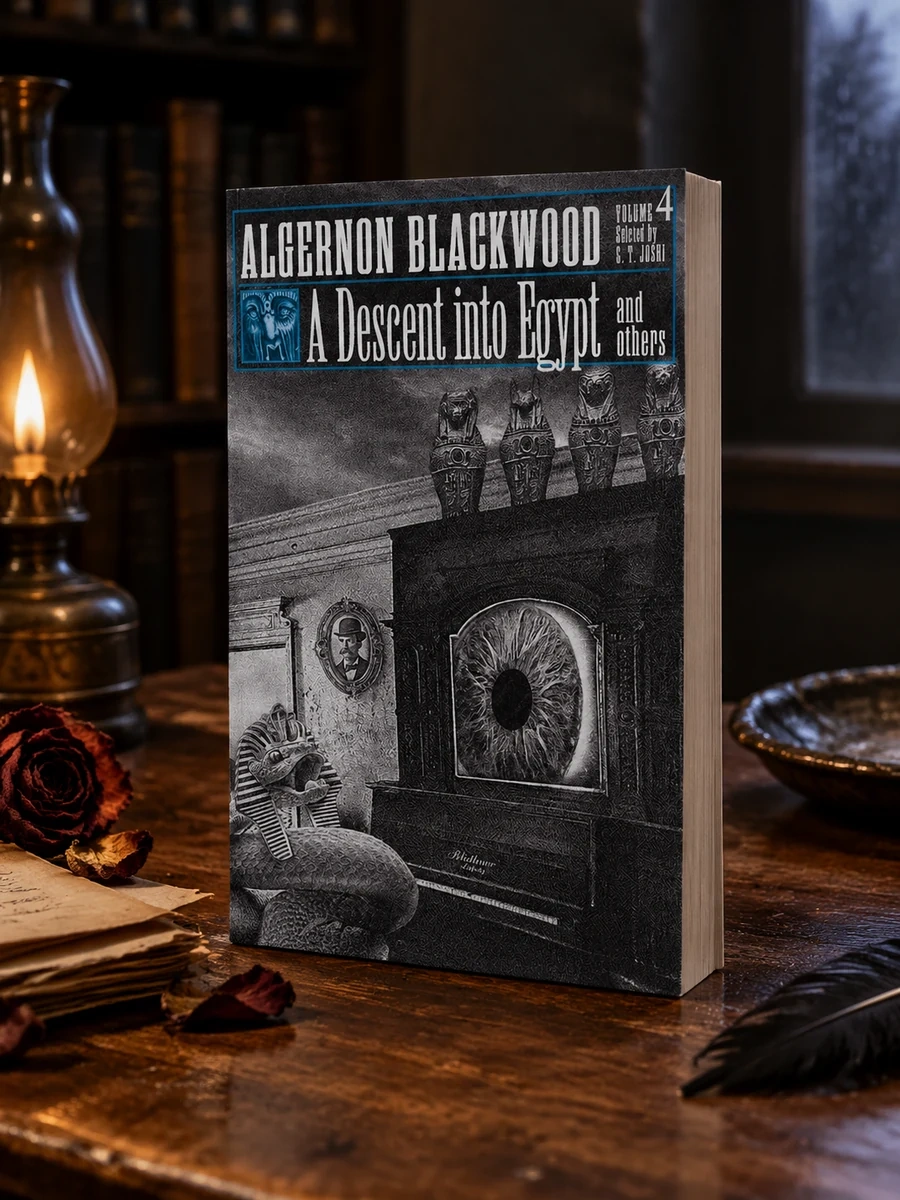



🏛 Books from this publisher Createspace Independent Publishing Platform






You might also like
See more →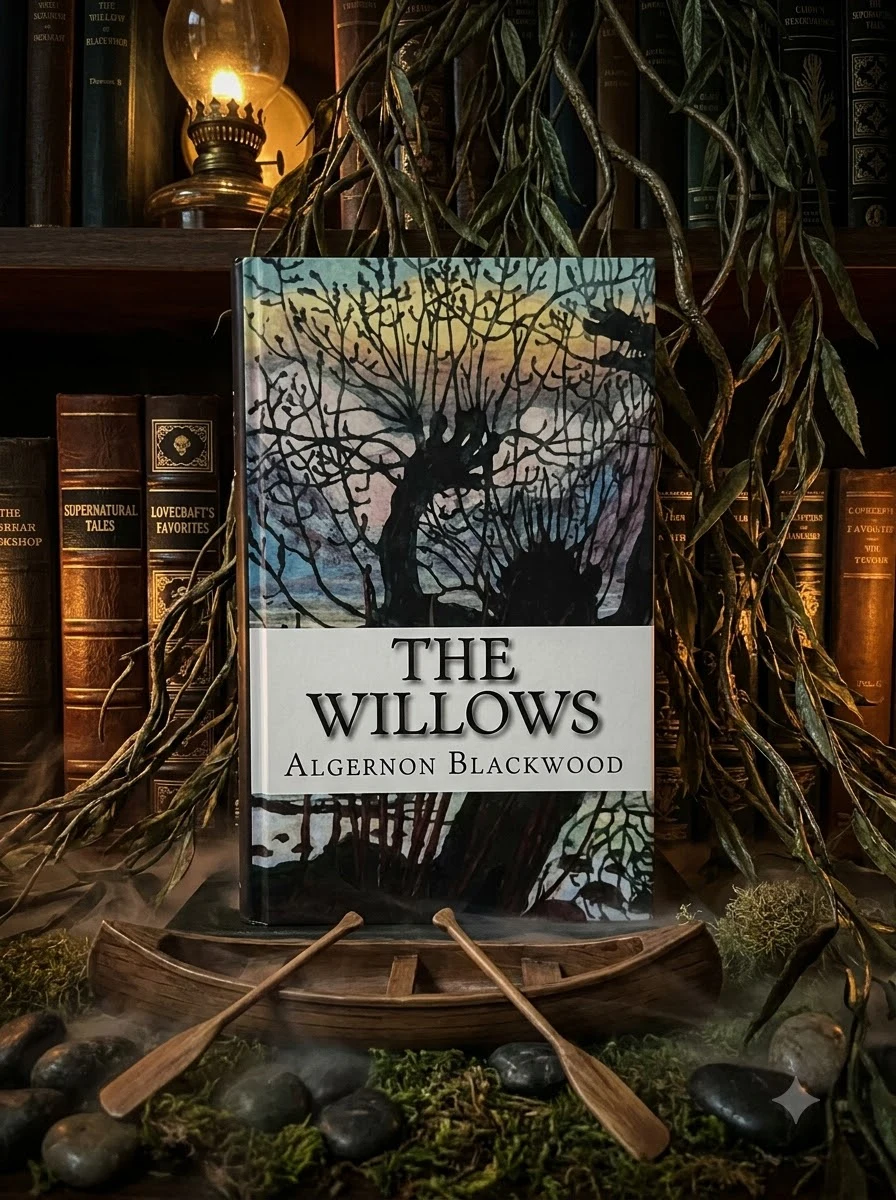
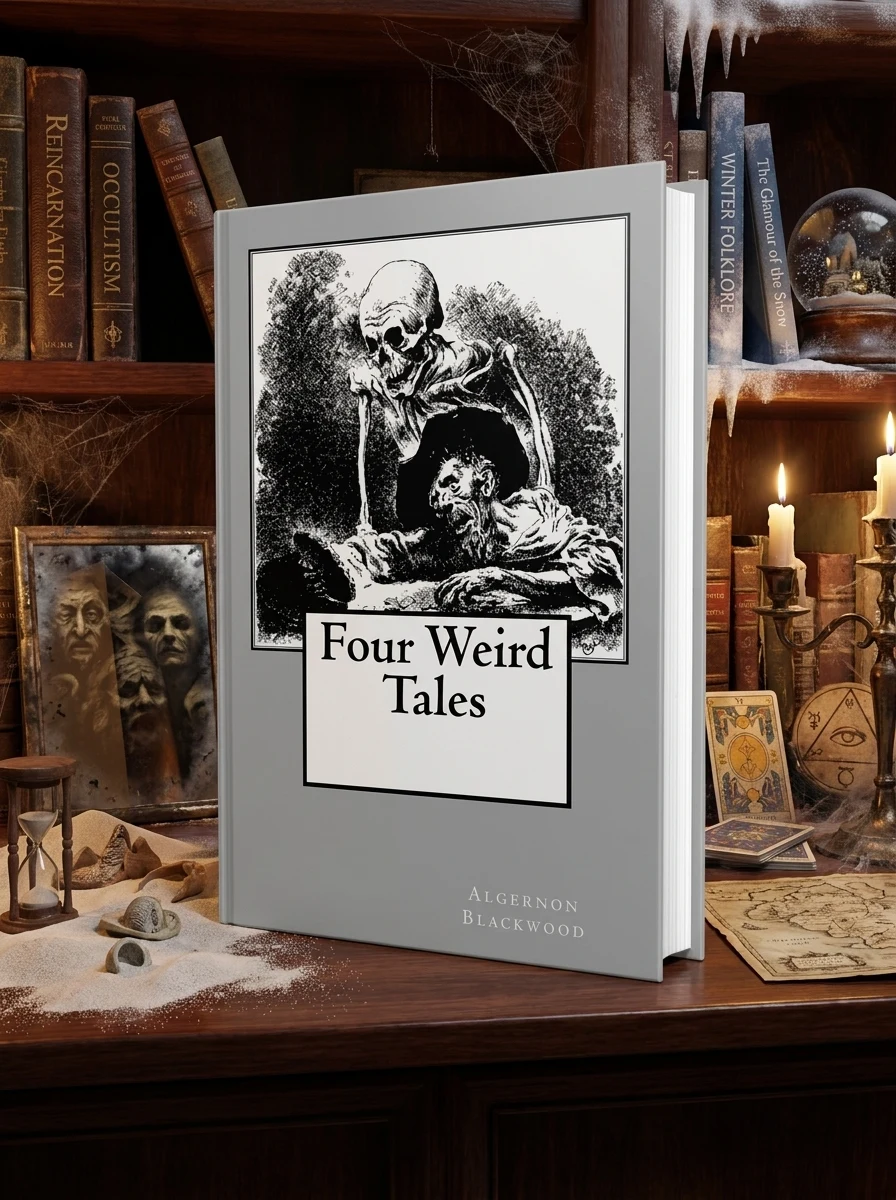
Have a question about this item?
Ask about the edition, condition, delivery or anything else — we reply by email or phone, usually within a day.
