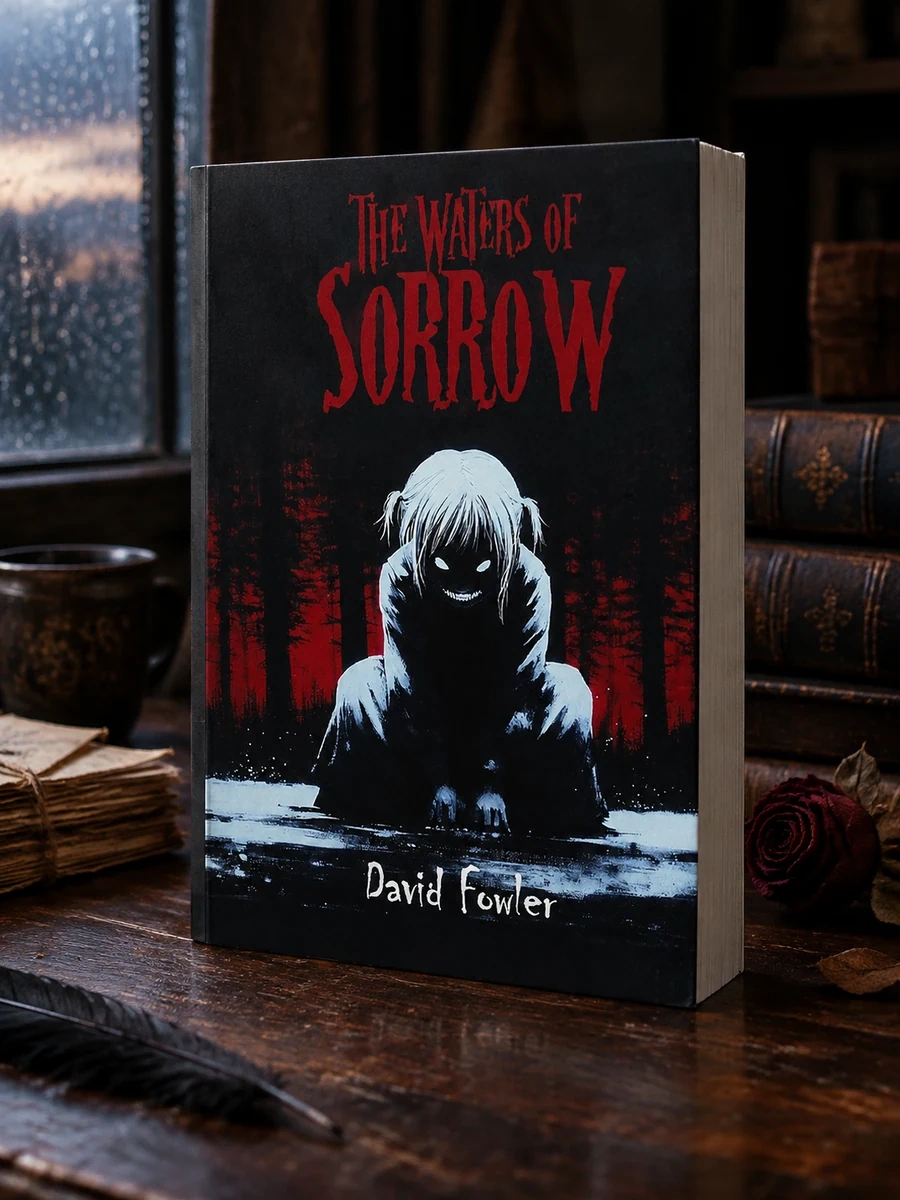
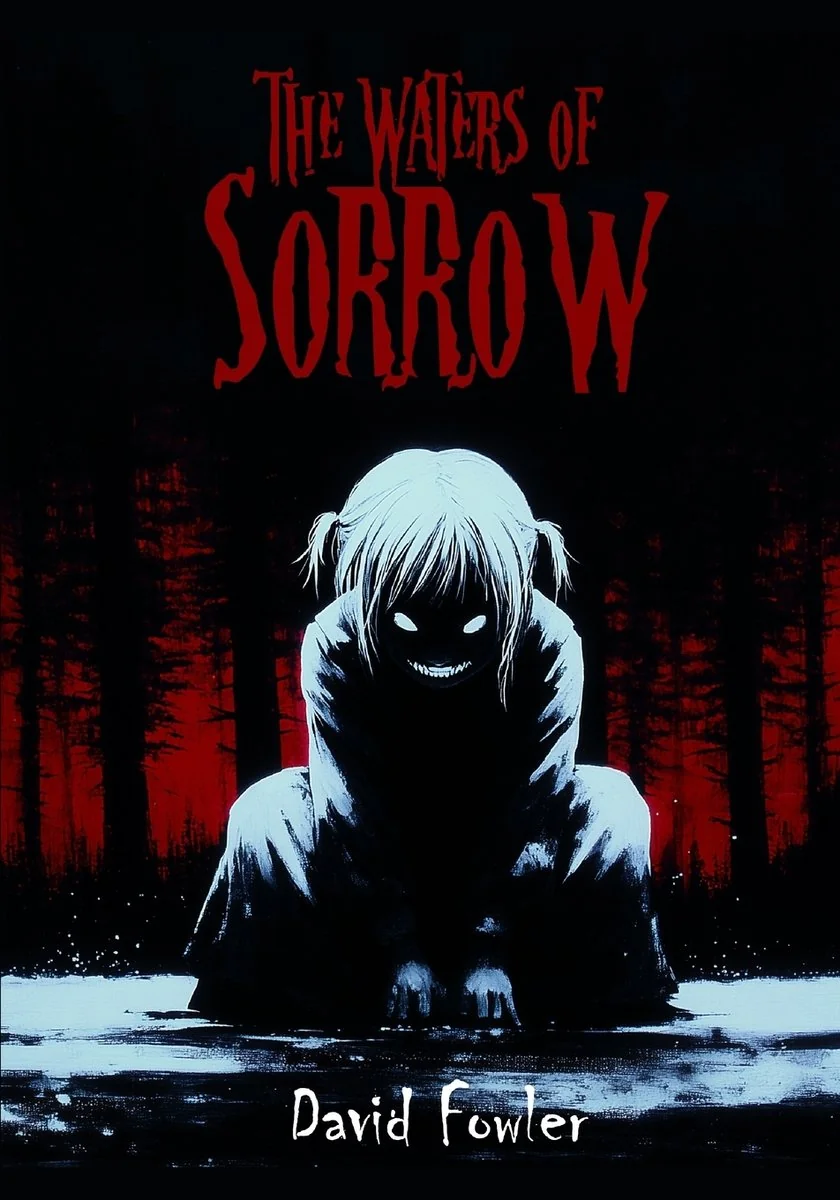
The Waters of Sorrow
A graphic novella linking a starving Norwegian couple to an English family in a haunted wilderness.
Fowler connects two distinct time periods through a shared location in Norway. The first section establishes the origin of a curse during a severe winter in 1865. A couple faces starvation and makes a choice that alters their fate. The second section shifts to an English family arriving in that same remote area. They encounter supernatural forces linked to the earlier events. The narrative explores how folklore bleeds into reality. The graphic art style supports the visual elements of the horror. The story does not offer easy answers or safe resolutions.
The story is set in Scandinavia, specifically the far north of Norway. It begins in 1865 during a brutal winter. The narrative then jumps forward many generations to feature an English family. This structure highlights the enduring nature of local folklore and the harshness of the environment.


📝 Description: The Waters of Sorrow
💎 Our verdict on The Waters of Sorrow
📖 Why choose it
Why this book is worth reading
Readers who appreciate atmospheric, slow-burning dread over fast-paced action will find this novella rewarding. It appeals to those interested in the intersection of historical suffering and supernatural consequence, particularly within isolated geographic settings. Fans of folk horror will enjoy seeing how a desperate act in 1865 casts a long, chilling shadow over an English family decades later. The graphic format offers a distinct visual experience for those who prefer imagery that enhances the terror of the frozen landscape. This book is ideal for those who value mood and historical weight more than conventional plot resolutions or urban contemporary settings.
⭐ Reader reviews
Reader rating
Fowler creates a compelling link between past starvation and present supernatural horror through a stark graphic narrative. The transition from the brutal 1865 winter to the modern English visitors effectively builds tension without relying on sudden shocks. The visual style complements the isolation of the Norwegian wilderness, making the folklore feel tangible and dangerous. This is a mature exploration of how ancient traditions influence modern fears, offering a chilling reminder that some echoes refuse to stay buried. It suits readers who enjoy literary horror rooted in specific historical periods and geographic isolation.
📖 Read on the blog
🏛 Books from this publisher Independently Published








You might also like
See more →


Have a question about this item?
Ask about the edition, condition, delivery or anything else — we reply by email or phone, usually within a day.
