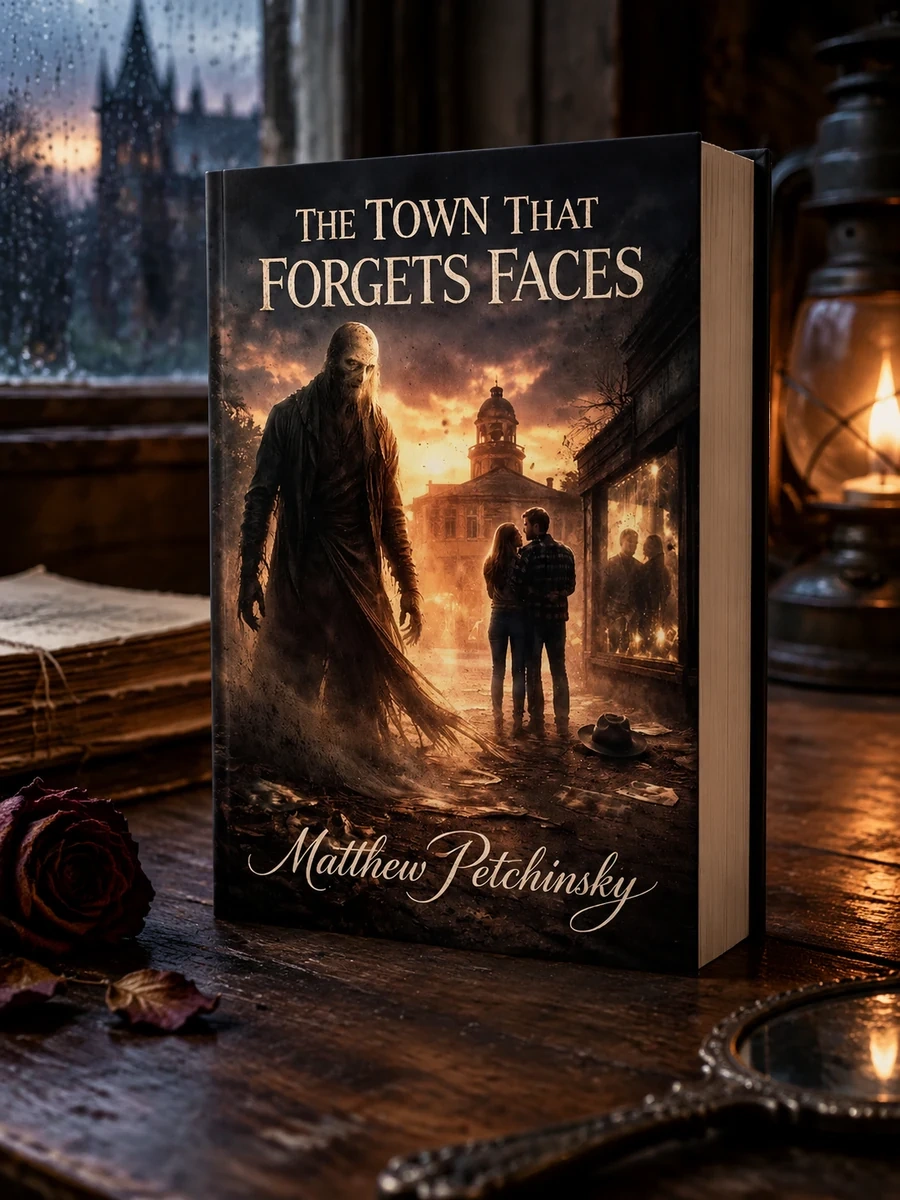
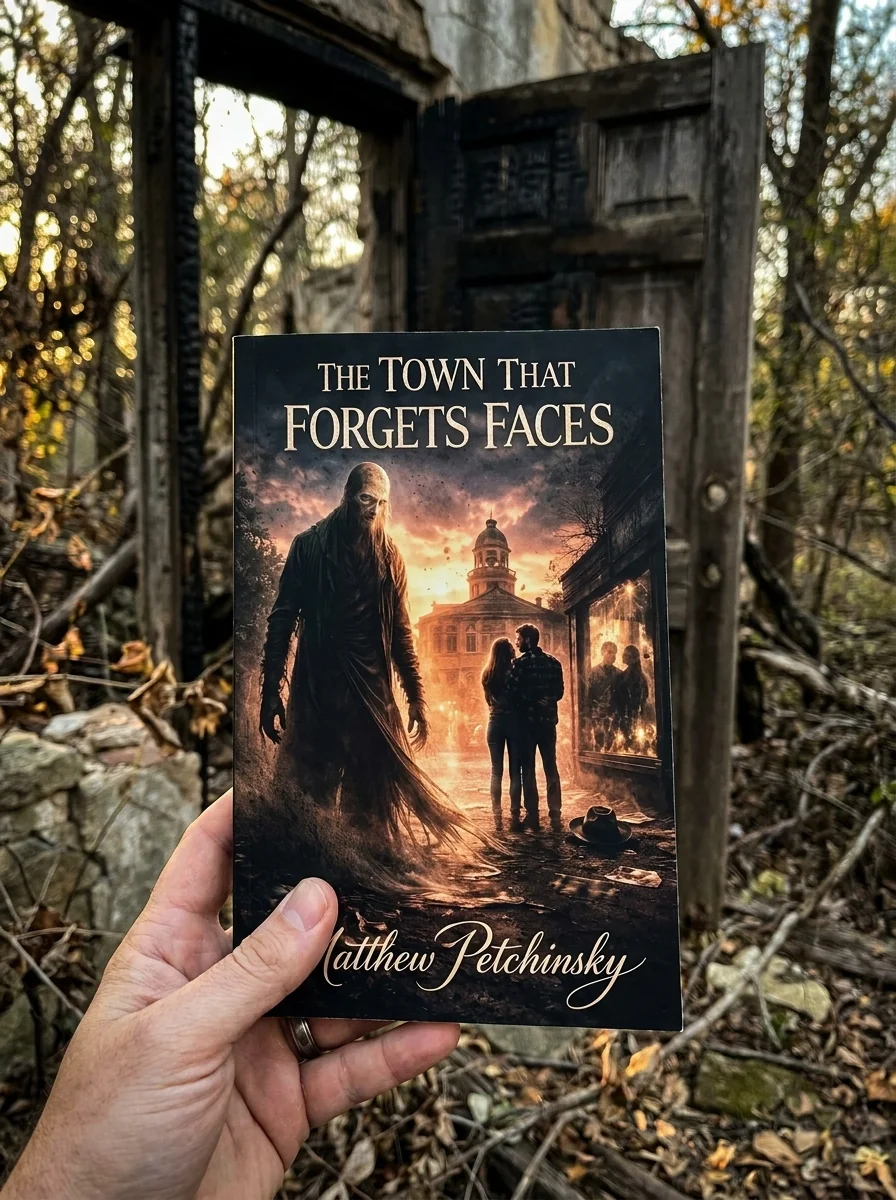
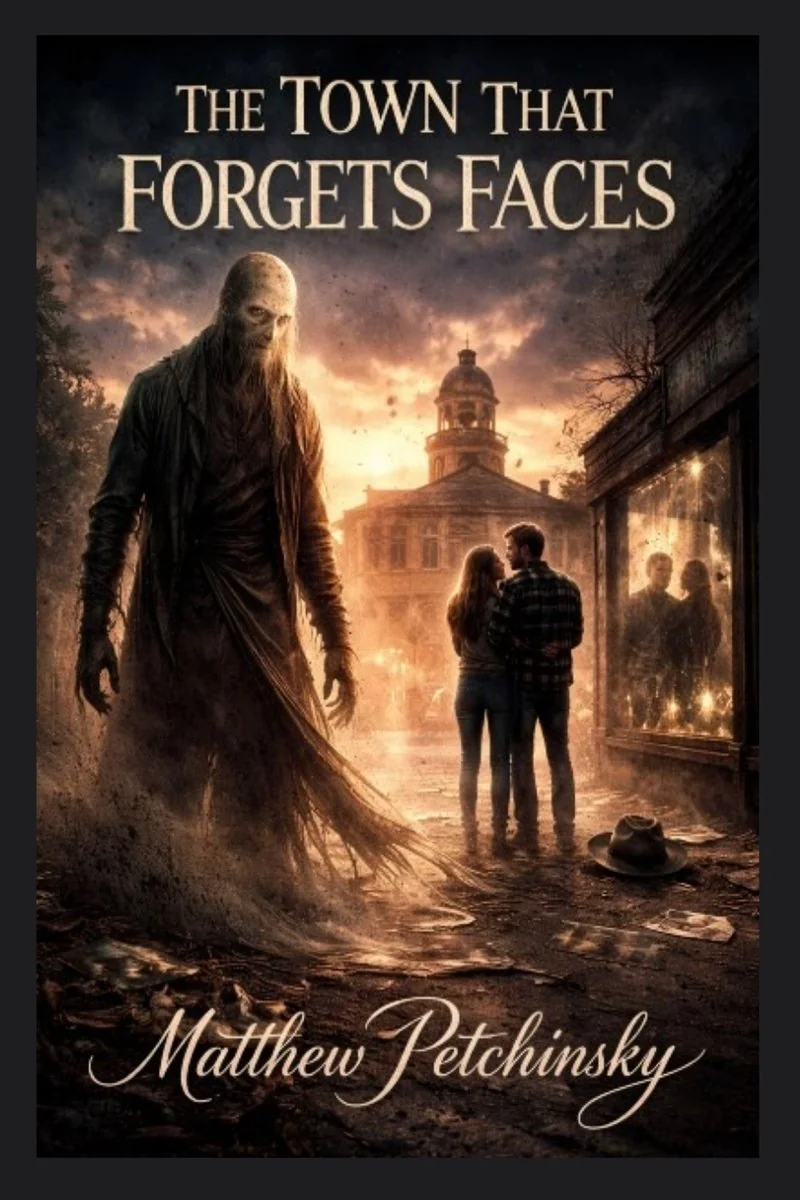
The Town That Forgets Faces
A novel about memory loss in a Texas town.
The narrative centers on two protagonists in a Texas community where memory vanishes voluntarily. Rowan notices visual glitches while Maeve feels an ancient pressure at the edge of her mind. They discover the museum does not take memories by force but invites them through absence. This approach allows a presence to construct pathways from nothingness. The characters must anchor themselves in what remains to survive. The text avoids traditional horror tropes of monsters or violence. Instead, it focuses on the psychological weight of forgetting. The story examines how identity dissolves when details fade. It presents a scenario where relief comes through erasure. This creates a unique tension for the characters who wish to remain whole. The prose emphasizes the slow nature of this disappearance.
This book sits within the American horror and gothic fiction traditions. It draws on supernatural themes common in contemporary speculative literature. The setting in Briar Hollow, Texas, places it firmly in regional Southern Gothic contexts. The publication date of March 2026 marks it as a recent entry in the genre.


📝 Description: The Town That Forgets Faces
💎 Our verdict on The Town That Forgets Faces
📖 Why choose it
Why this book is worth reading
Readers who appreciate slow-burn psychological horror and atmospheric dread will find this book compelling. It offers a unique exploration of identity loss without relying on traditional monsters or violence. The narrative focuses on the terrifying relief of erasure, providing a fresh perspective on the horror of forgetting. Fans of gothic fiction and stories about the dissolution of self in isolated settings will engage with the quiet tension. The emphasis on sensory details like fading ink creates a visceral experience of decay. It suits those willing to accept ambiguous resolutions in favor of deep thematic resonance. The book challenges readers to confront the weight of memory and the seduction of nothingness through its deliberate pacing.
⭐ Reader reviews
Reader rating
Petchinsky crafts a haunting examination of identity erosion, utilizing the quiet horror of becoming less rather than overt terror. The narrative effectively grounds supernatural elements in sensory details, such as ink fading from skin, creating a palpable sense of decay. By focusing on the voluntary nature of memory loss, the book explores the complex tension between relief and self-preservation. It avoids conventional plot twists, relying instead on the gradual thinning of reality to build dread. This approach appeals strongly to readers who prefer atmospheric depth over action. The confined setting enhances the feeling of isolation and internal collapse. While it may frustrate those seeking clear answers or fast pacing, it rewards patience with a gentle yet terrifying descent into oblivion.
📖 Read on the blog
✍️ More books by this author Matthew Petchinsky
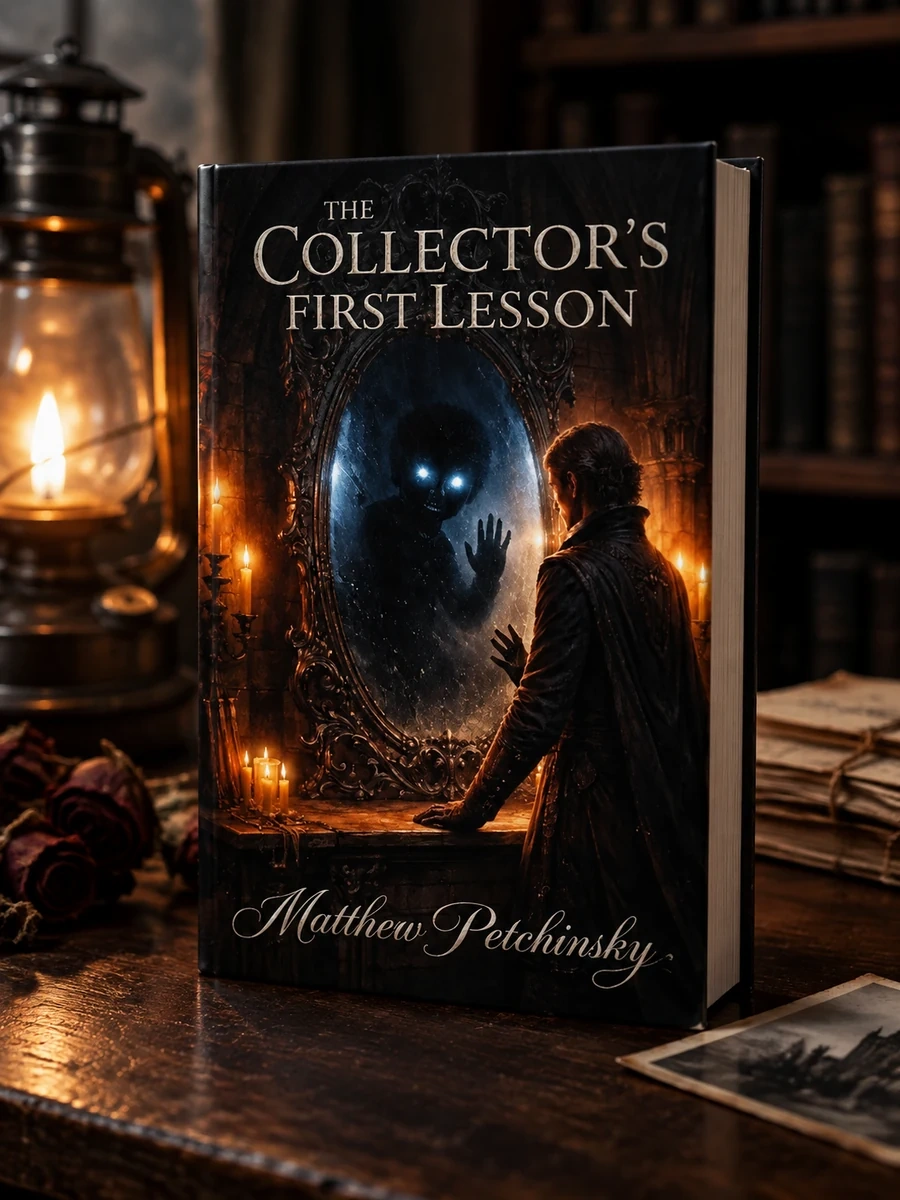


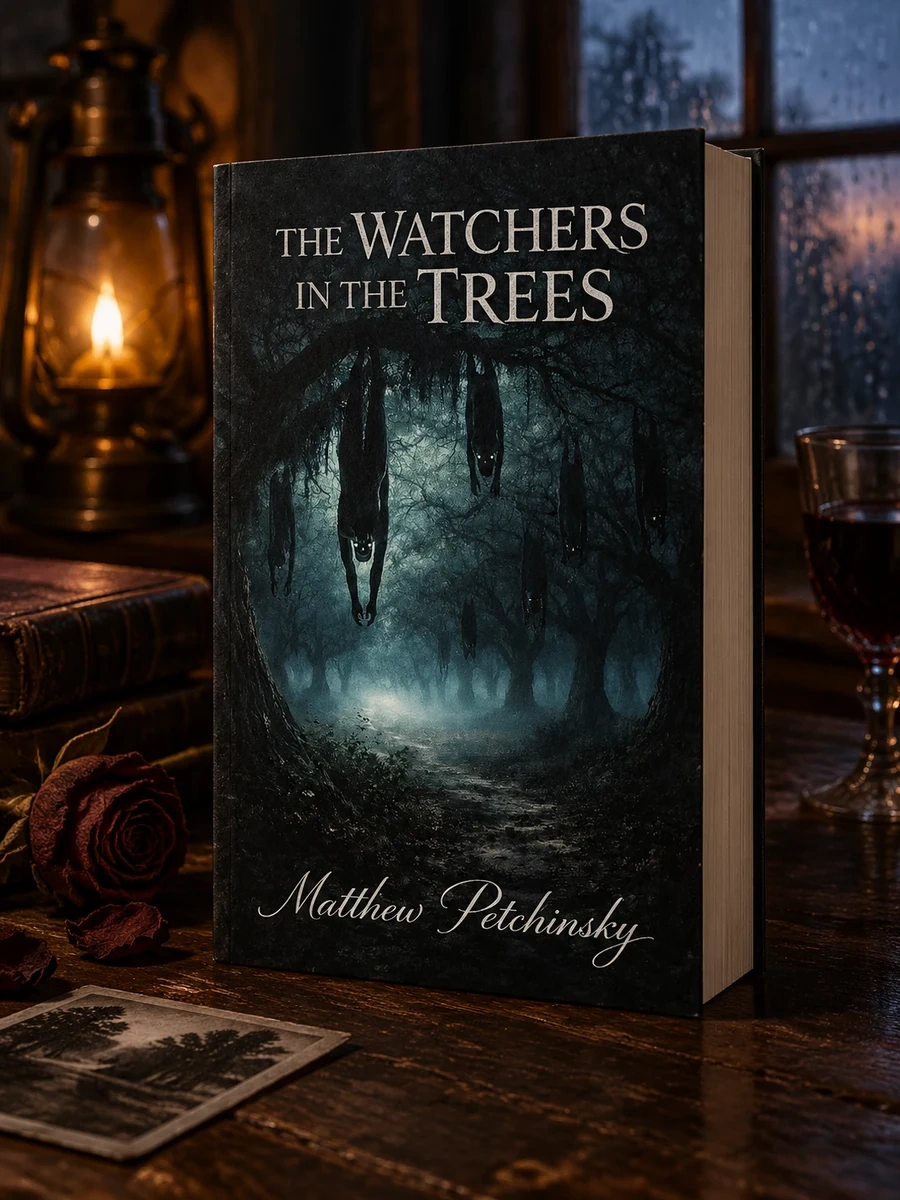
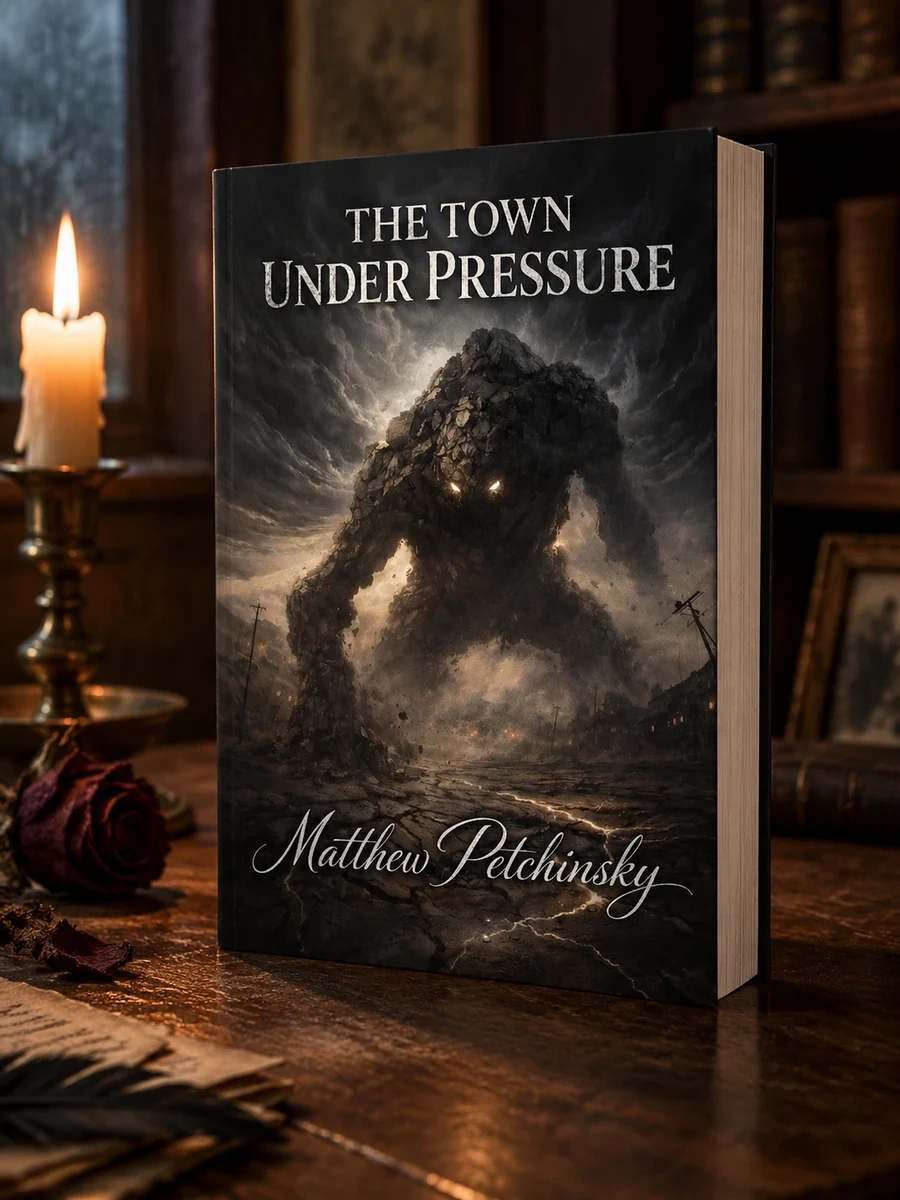
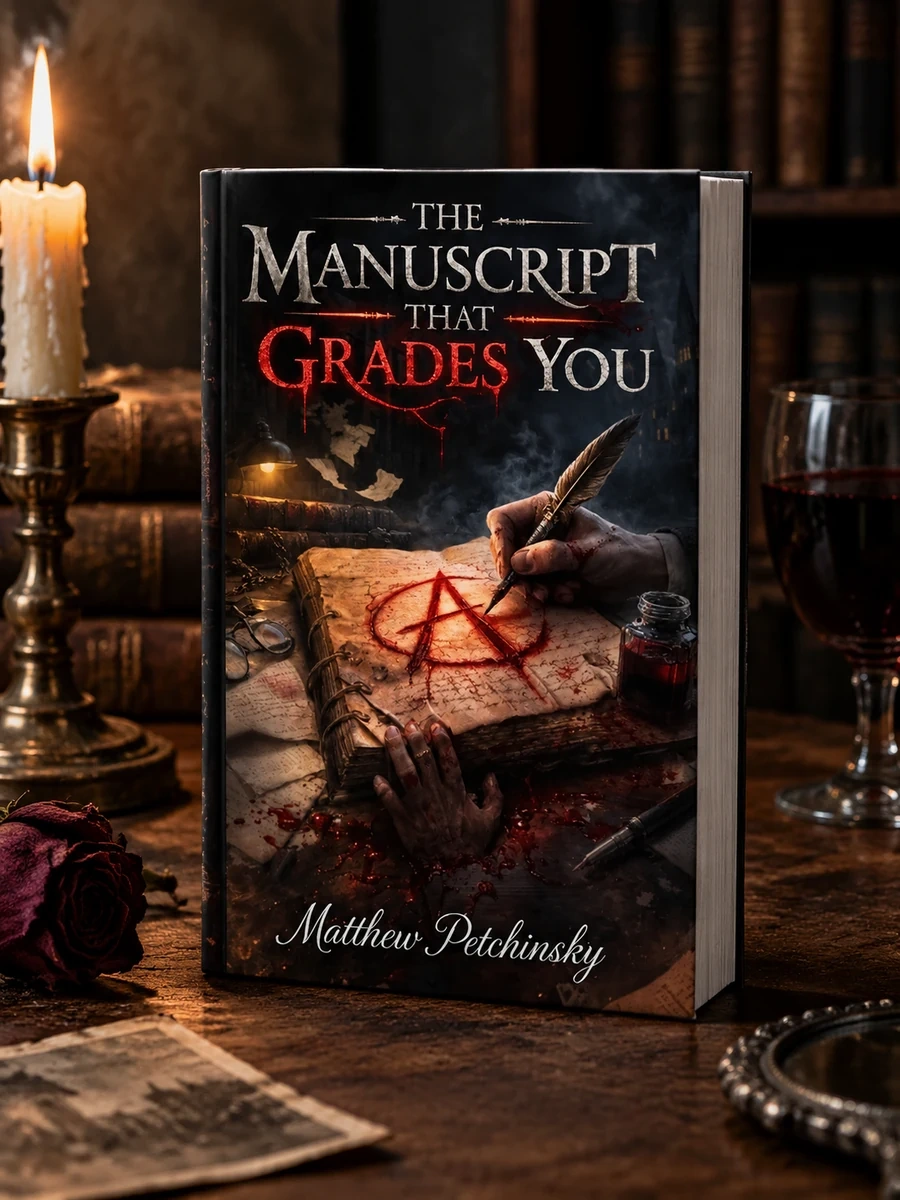
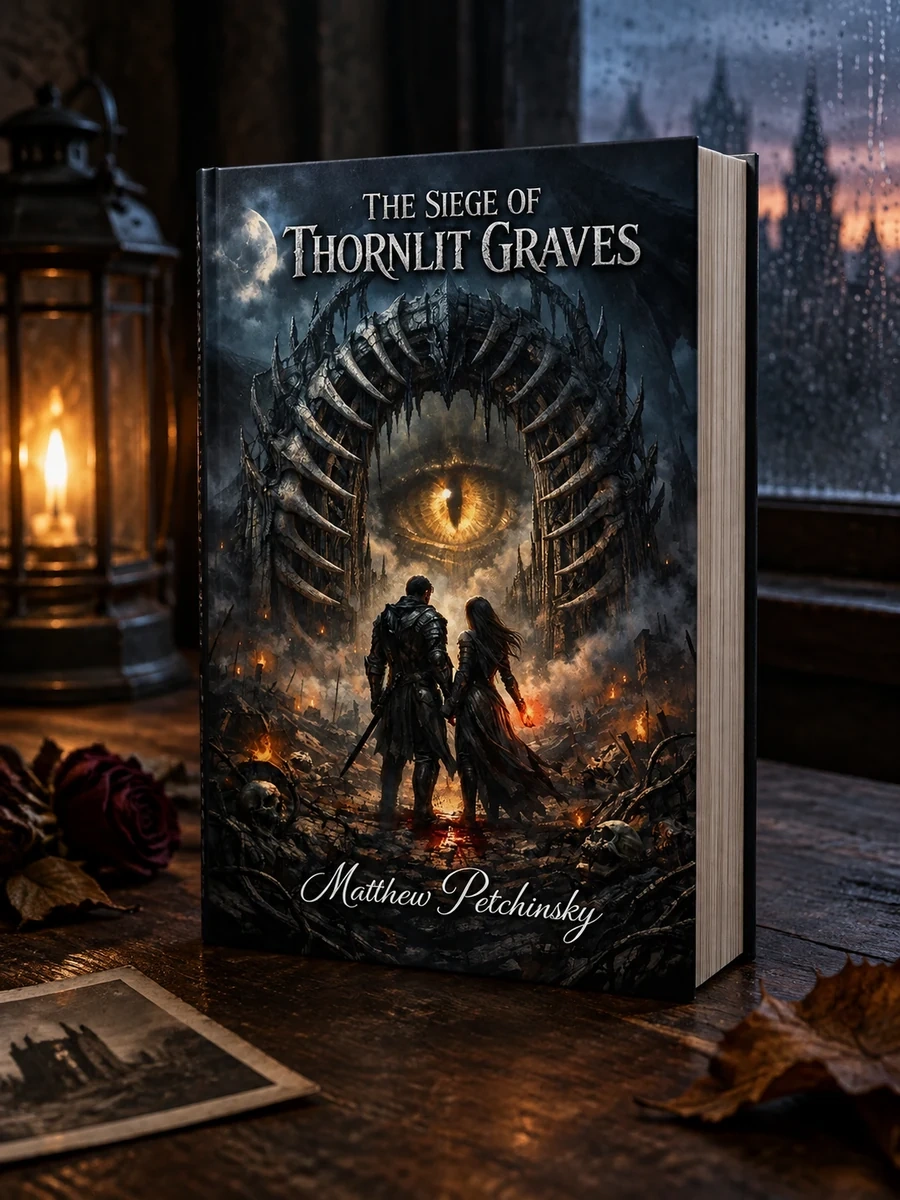
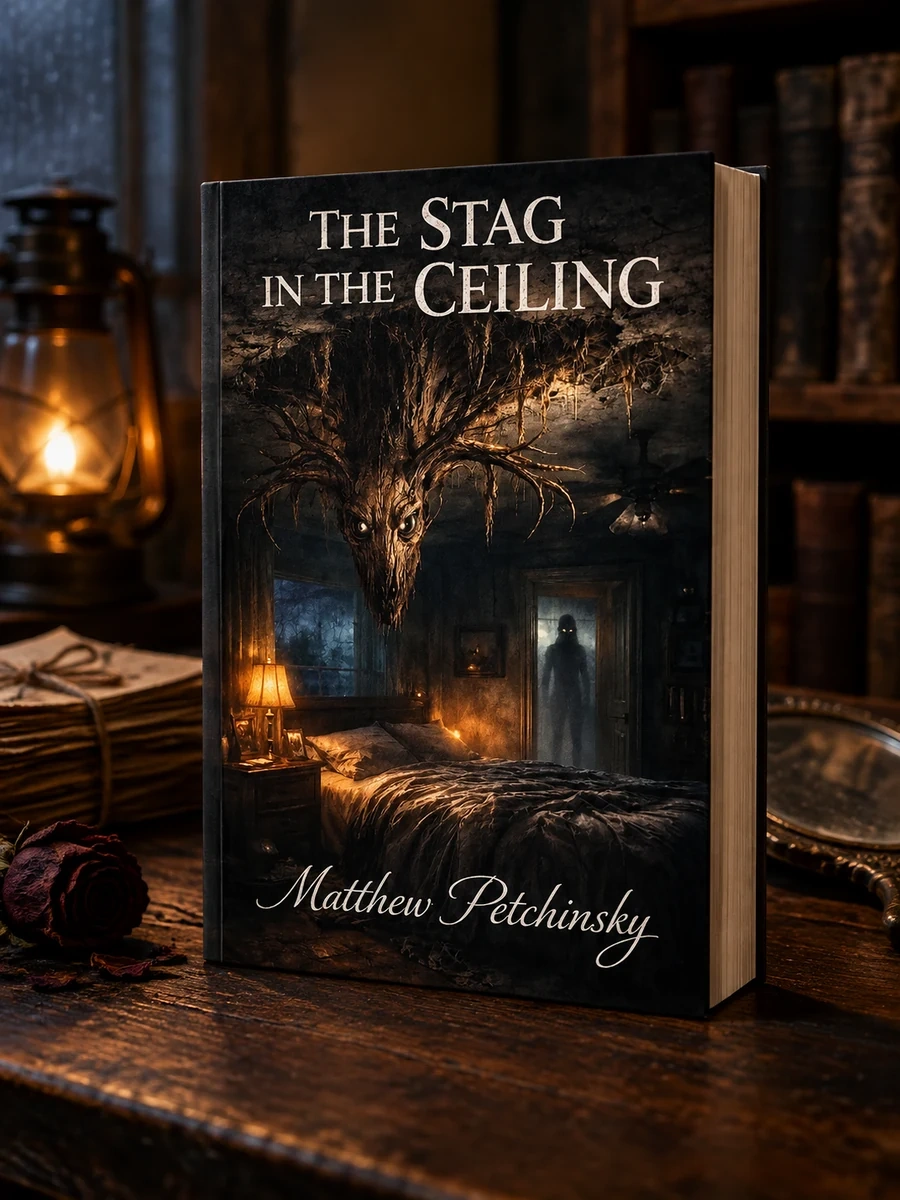
🏛 Books from this publisher Apophis Enterprises LLC
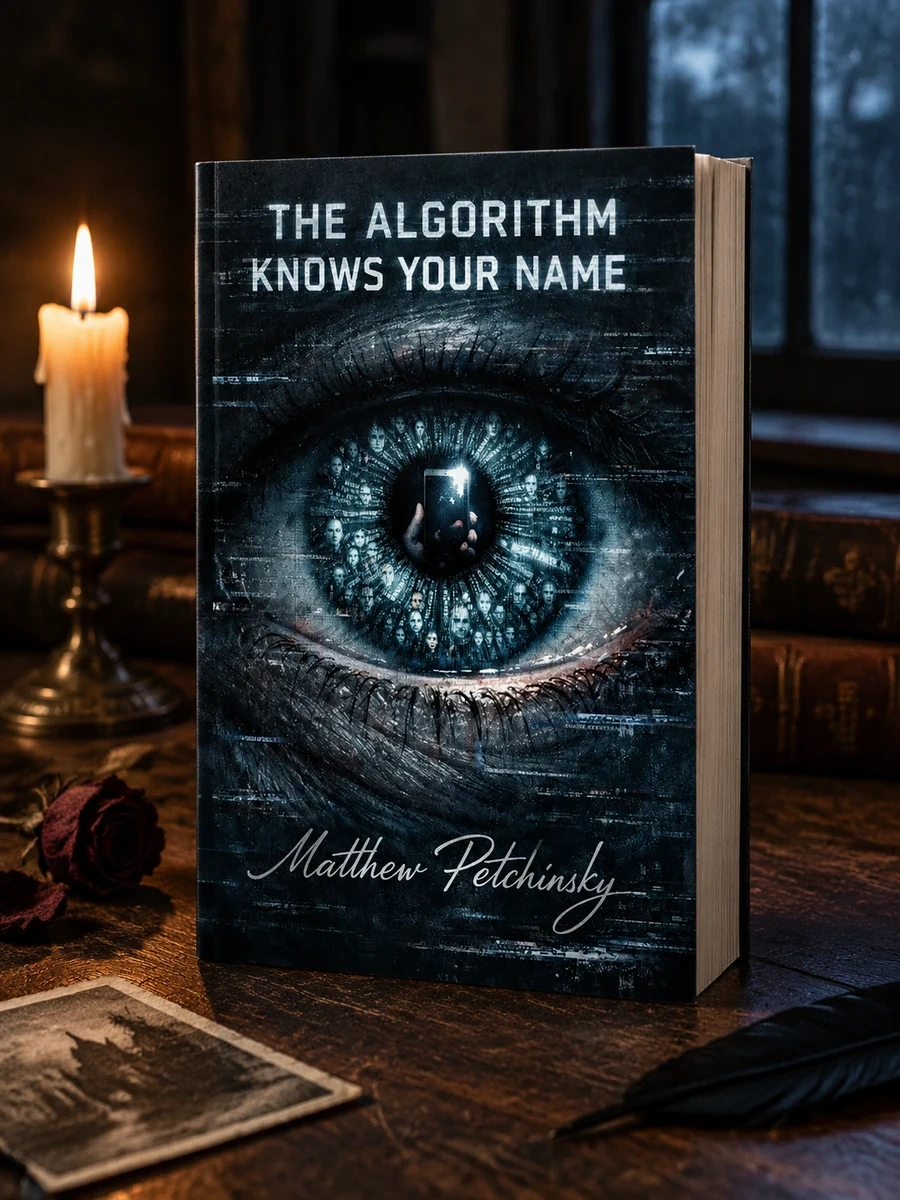
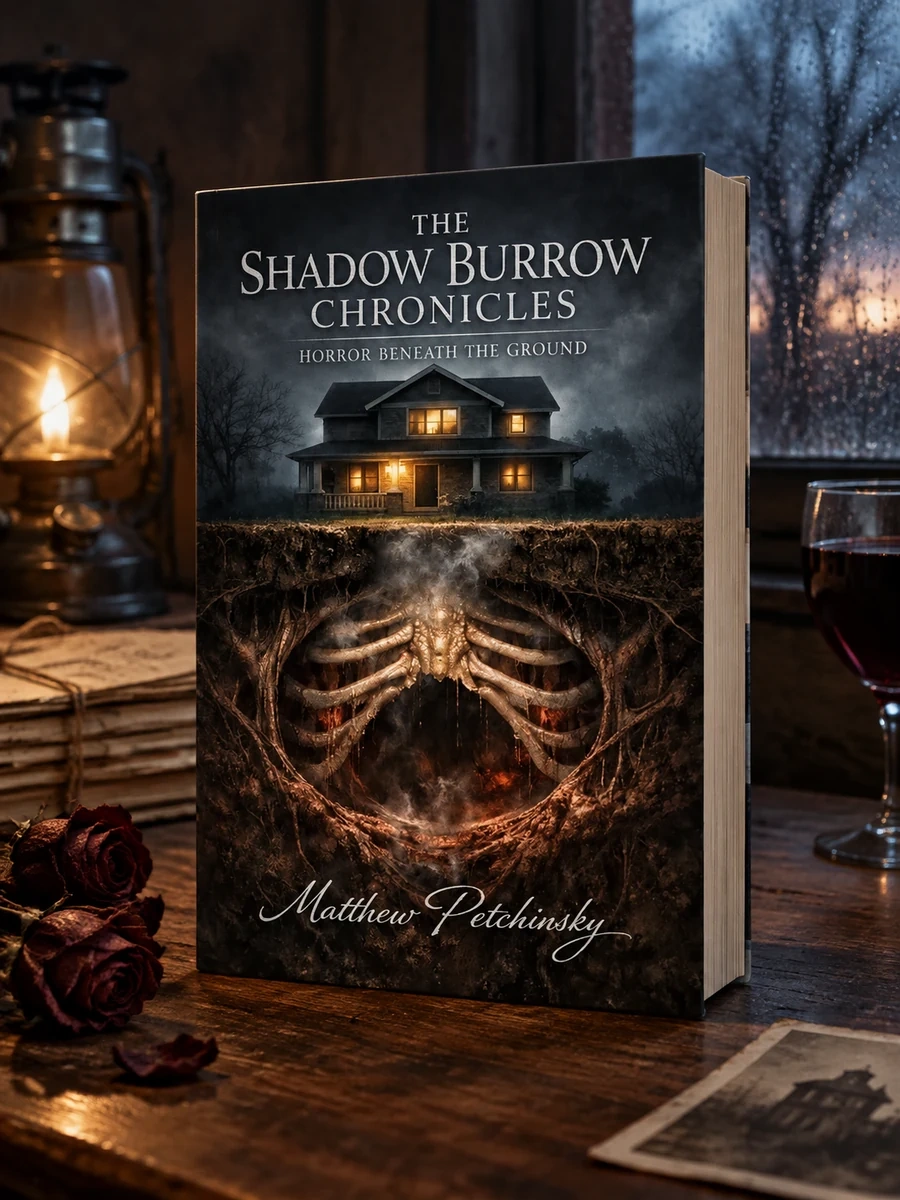
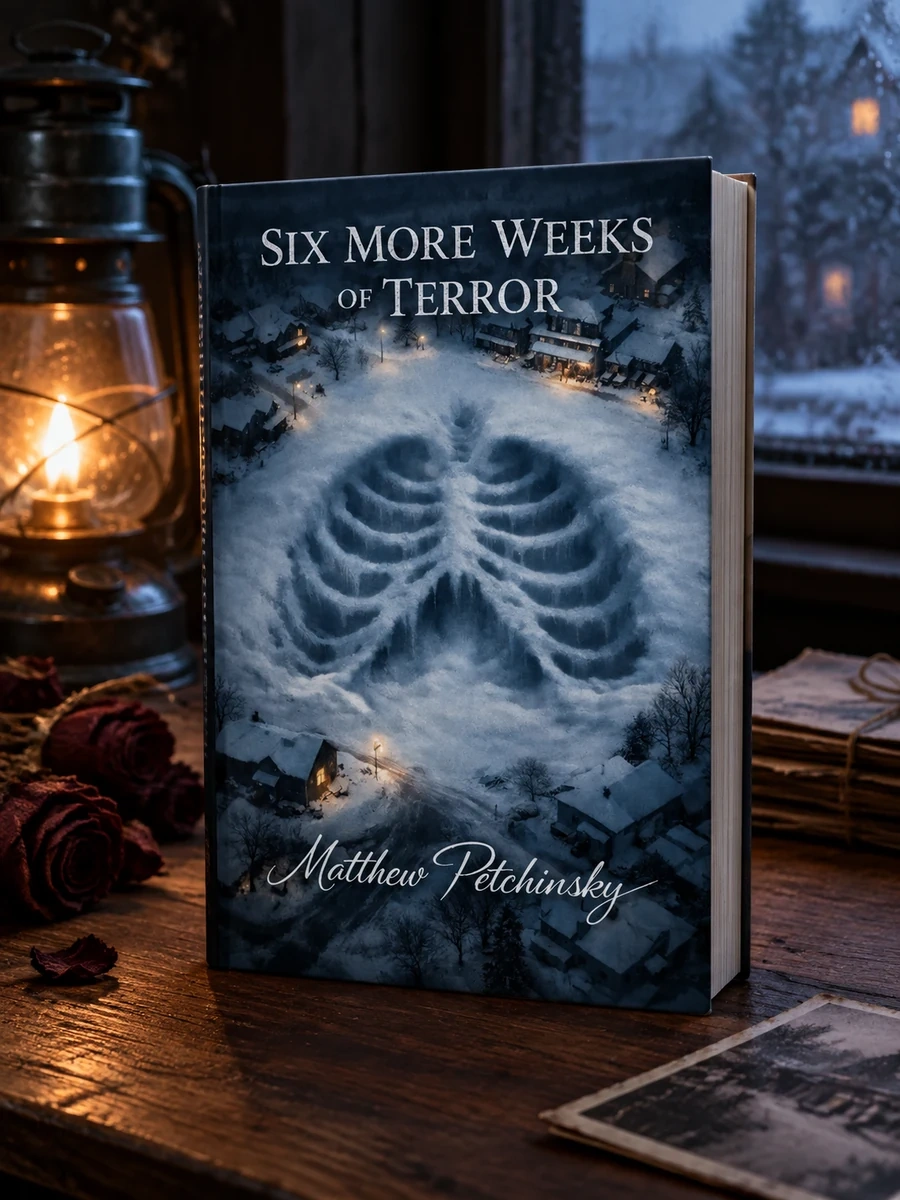


You might also like
See more →
Have a question about this item?
Ask about the edition, condition, delivery or anything else — we reply by email or phone, usually within a day.
