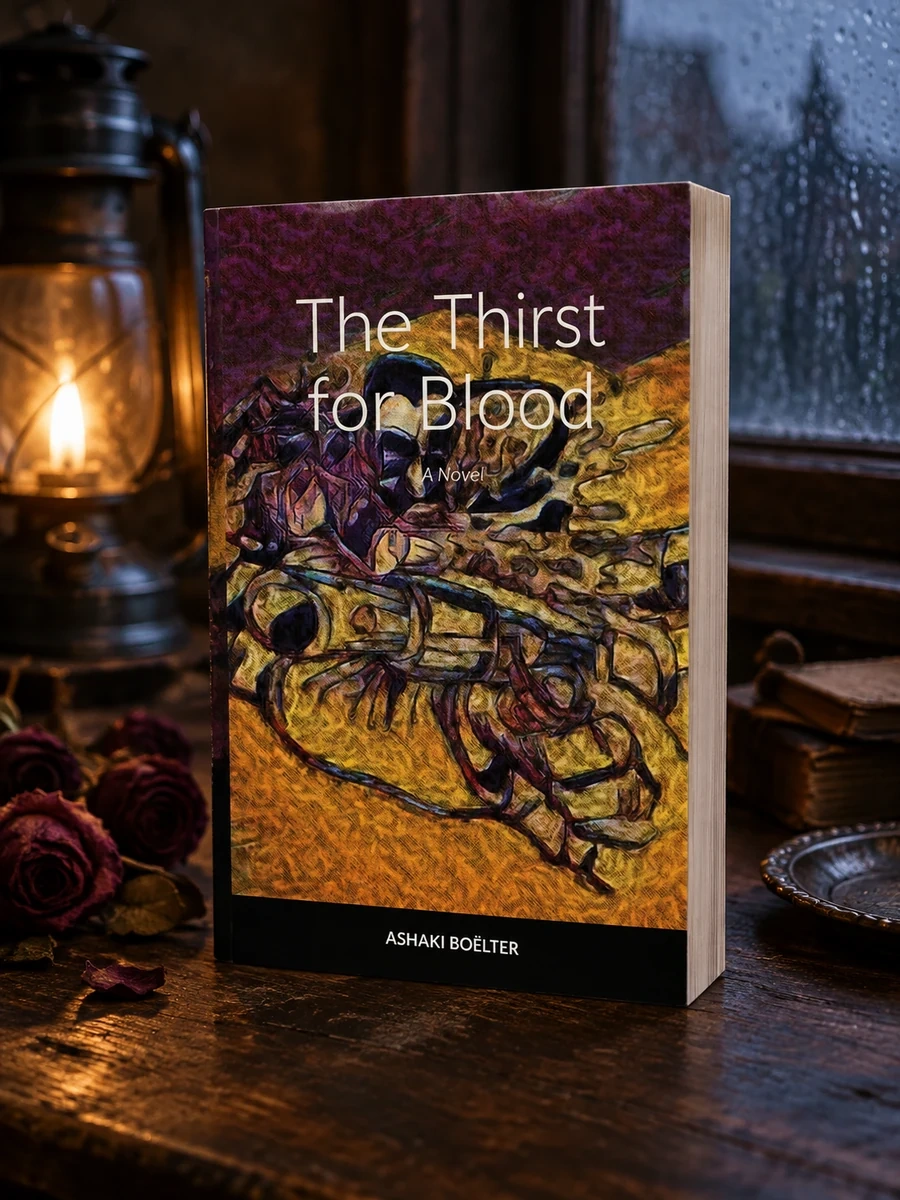
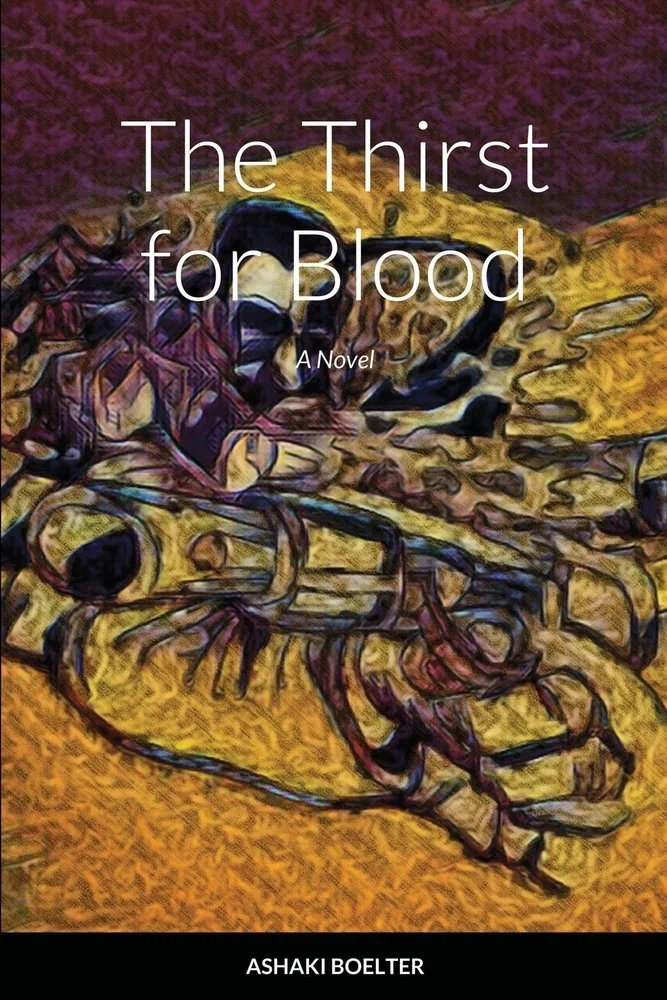
The Thirst For Blood
A resurrected eighteenth-century vampire clashes with professional wrestlers in a modern town.
Sir Sange, an undead noble from the 1700s, wakes up in the present day. He hunts for a woman who looks like his old love. His plan is to bite many people to gain power over the local area. A group of ordinary residents and visiting wrestlers stand in his way. The wrestlers are there for a scheduled show. This creates a unique conflict between ancient magic and modern performance art. The narrative focuses on this confrontation rather than complex lore. Boelter uses the wrestling context to challenge the vampire's dominance. The story avoids typical romantic tropes by focusing on the physical struggle against an immortal foe.
The work sits within the horror genre, specifically drawing on eighteenth-century vampire mythology. It places these traditional elements into a contemporary American setting. The publisher Shakalot High Entertainment released this title in 2020. The narrative blends historical supernatural fiction with modern pop culture references like professional wrestling events.


📝 Description: The Thirst For Blood
💎 Our verdict on The Thirst For Blood
📖 Why choose it
Why this book is worth reading
Readers seeking unconventional genre pairings will find this narrative compelling. It appeals to those who enjoy the disruption of modern life by ancient forces, specifically through the lens of physical spectacle rather than psychological complexity. Fans of vampire lore who prefer action-oriented conflicts over romantic subplots will appreciate the focus on direct confrontation. The book offers a fresh take on the immortal aristocrat trope by pitting supernatural dominance against the choreographed violence of professional wrestling. It is ideal for audiences looking for horror that challenges traditional tropes through physical struggle and modern performance art, providing a unique clash between historical magic and contemporary entertainment.
⭐ Reader reviews
Reader rating
Boelter effectively bridges eighteenth-century gothic traditions with modern spectacle by positioning Sir Sange against professional wrestlers. The narrative excels in its straightforward conflict, avoiding complex lore to focus on the physical and thematic clash between ancient evil and modern performance art. By stripping away typical romantic vampire tropes, the story emphasizes raw power dynamics and survival. This approach suits readers who enjoy supernatural horror mixed with unexpected contemporary settings. The book is particularly strong for those who appreciate genre deconstruction and unconventional pairings. It delivers a clear, engaging confrontation that prioritizes action over atmospheric depth, making it a distinct choice for fans of dark fantasy and horror fiction.