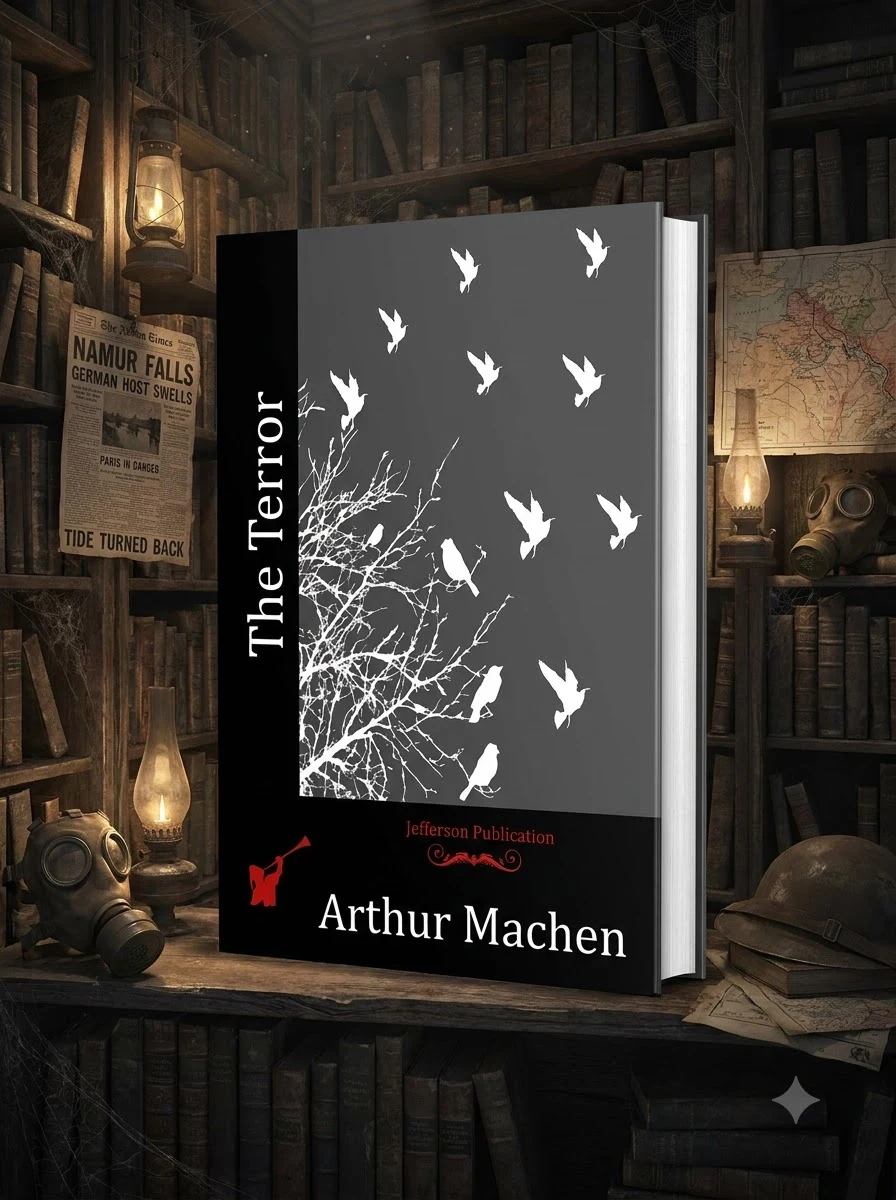
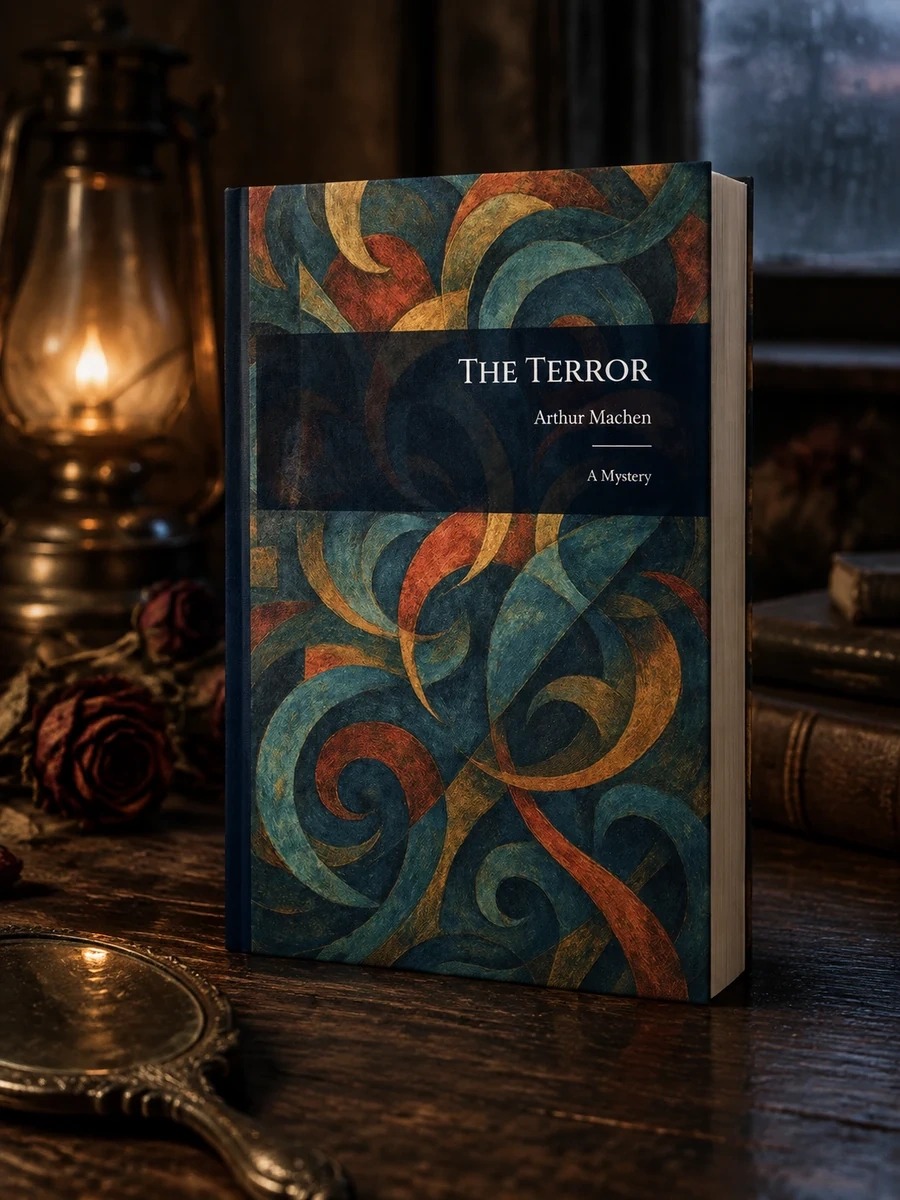
The Terror
A historical account of early World War I reactions.
Arthur Machen reflects on the initial phase of the Great War. He describes how a short time has passed since the conflict began. The author examines the public mood during the fall of Namur. German forces advanced rapidly across French fields. This movement brought them close to Paris. People felt a mix of horror and dread. They viewed the threat as both unbelievable and inevitable. The narrative shifts when news arrives that the advance has stopped. Machen notes the sudden relief in Europe. The city of Paris remained safe for the moment. This pause allowed readers to approach daily news with renewed interest. The text focuses on these specific emotional responses rather than military strategy. It captures the psychological impact of the early war years. This work suits readers interested in historical perspectives on World War I. It appeals to those who study public sentiment during major conflicts. Machen’s background as a writer of supernatural fiction provides a unique lens for this non-fiction account. The book does not offer tactical analysis or biographical details of soldiers. It remains focused on the collective experience of the era.
The book was published in 2015 by Createspace Independent Publishing Platform. It reflects on events from the early years of World War I. The text examines reactions to the fall of Namur and the defense of Paris.


📝 Description: The Terror
💎 Our verdict on The Terror
📖 Why choose it
Why this book is worth reading
This book is essential for readers fascinated by the psychological undercurrents of World War I rather than its tactical mechanics. It offers a rare glimpse into the public mood during the fall of Namur and the subsequent relief when the German advance halted. Machen’s background in horror fiction provides a distinct lens, framing the war not as a military campaign but as an existential threat that evoked dread and disbelief. Those interested in how societal sentiment shifted during major conflicts will find value here. It appeals to scholars studying public emotion in wartime and fans of Machen who wish to explore his non-fiction perspective on the era's traumatic events.
⭐ Reader reviews
Reader rating
Machen delivers a compelling reflection on the early Great War, focusing intensely on the emotional landscape of Europe rather than military strategy. The text effectively captures the tension between the unbelievable nature of the threat and its inevitable proximity to Paris. By emphasizing collective dread and sudden relief, Machen offers a poignant view of civilian anxiety during 1914. This approach suits readers seeking historical context through a psychological lens. It is particularly valuable for those who appreciate atmospheric writing over factual detail. The work succeeds in portraying the era's uncertainty, making it a noteworthy addition for enthusiasts of both war history and gothic sensibilities exploring real-world horrors.
📖 Read on the blog
✍️ More books by this author Arthur Machen



🏛 Books from this publisher Createspace Independent Publishing Platform






You might also like
See more →
Have a question about this item?
Ask about the edition, condition, delivery or anything else — we reply by email or phone, usually within a day.
