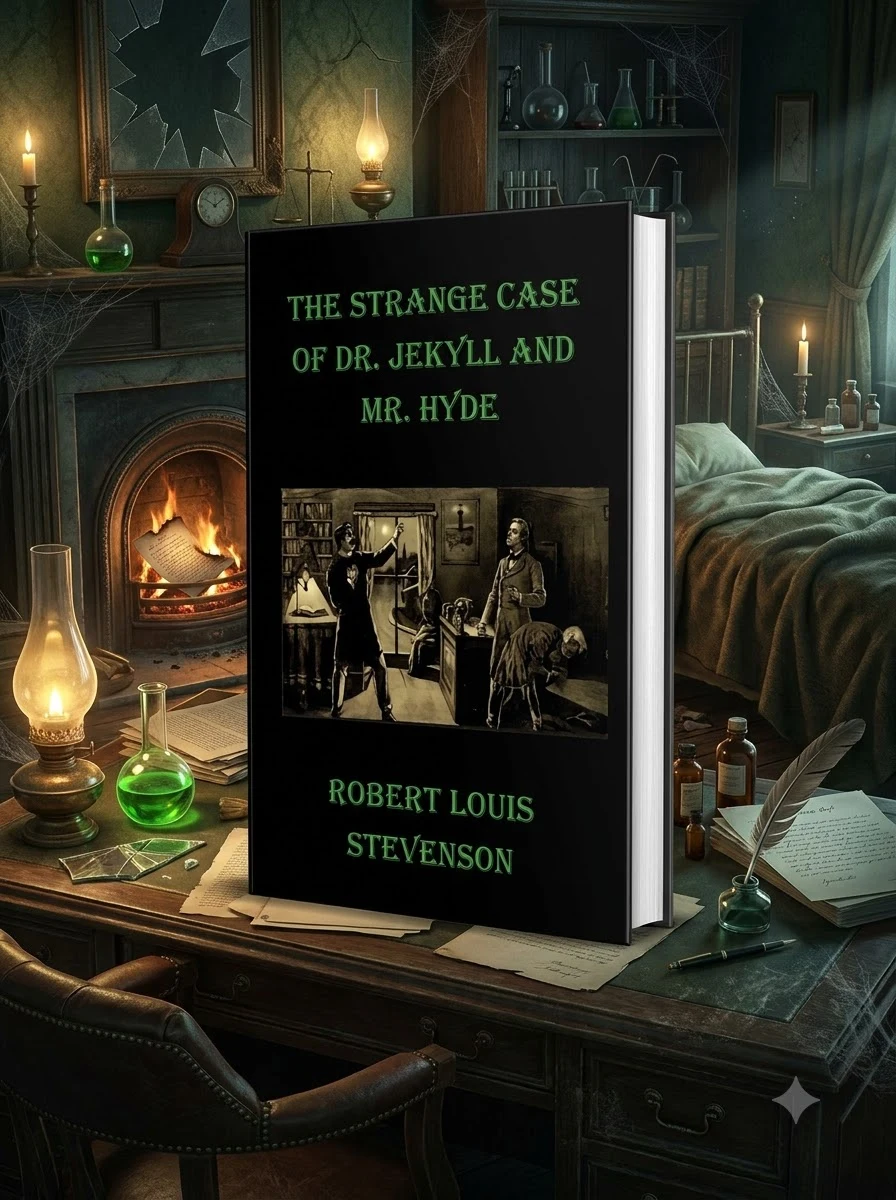
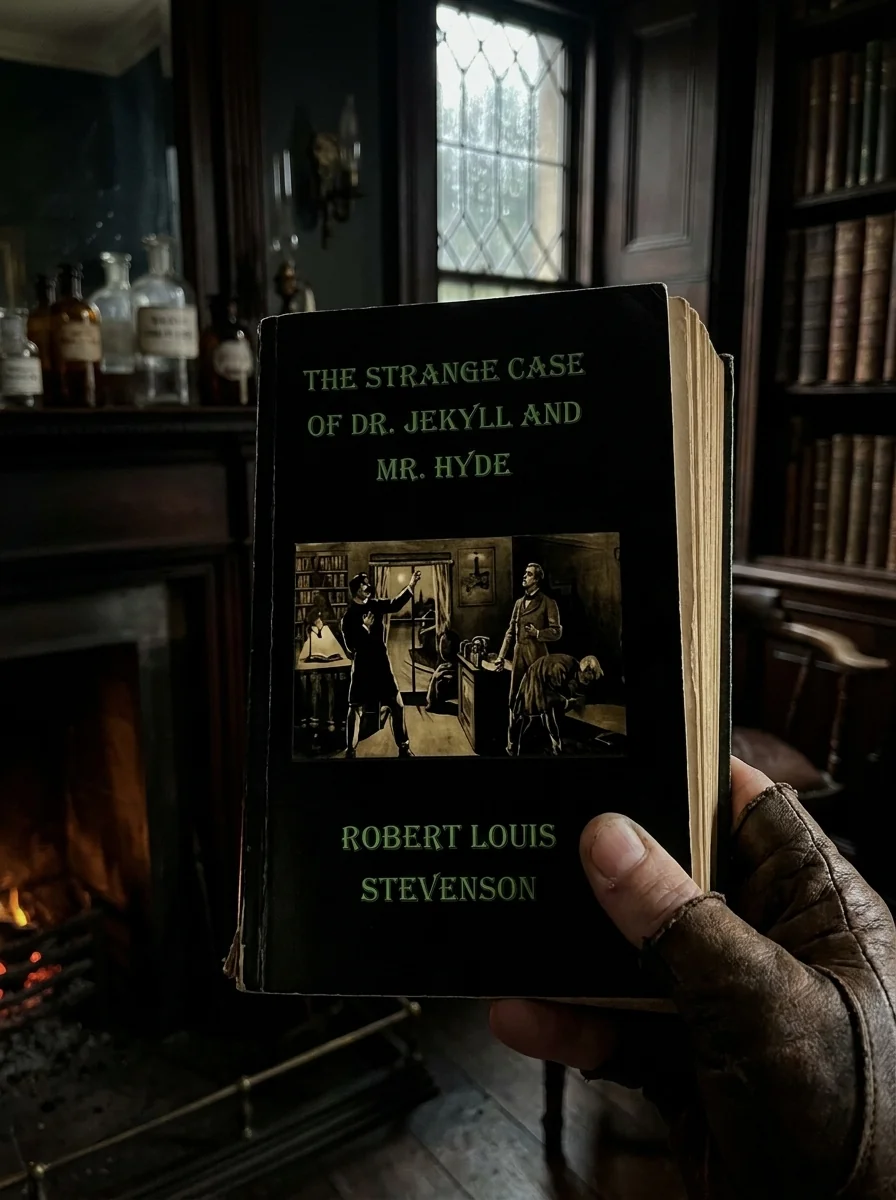
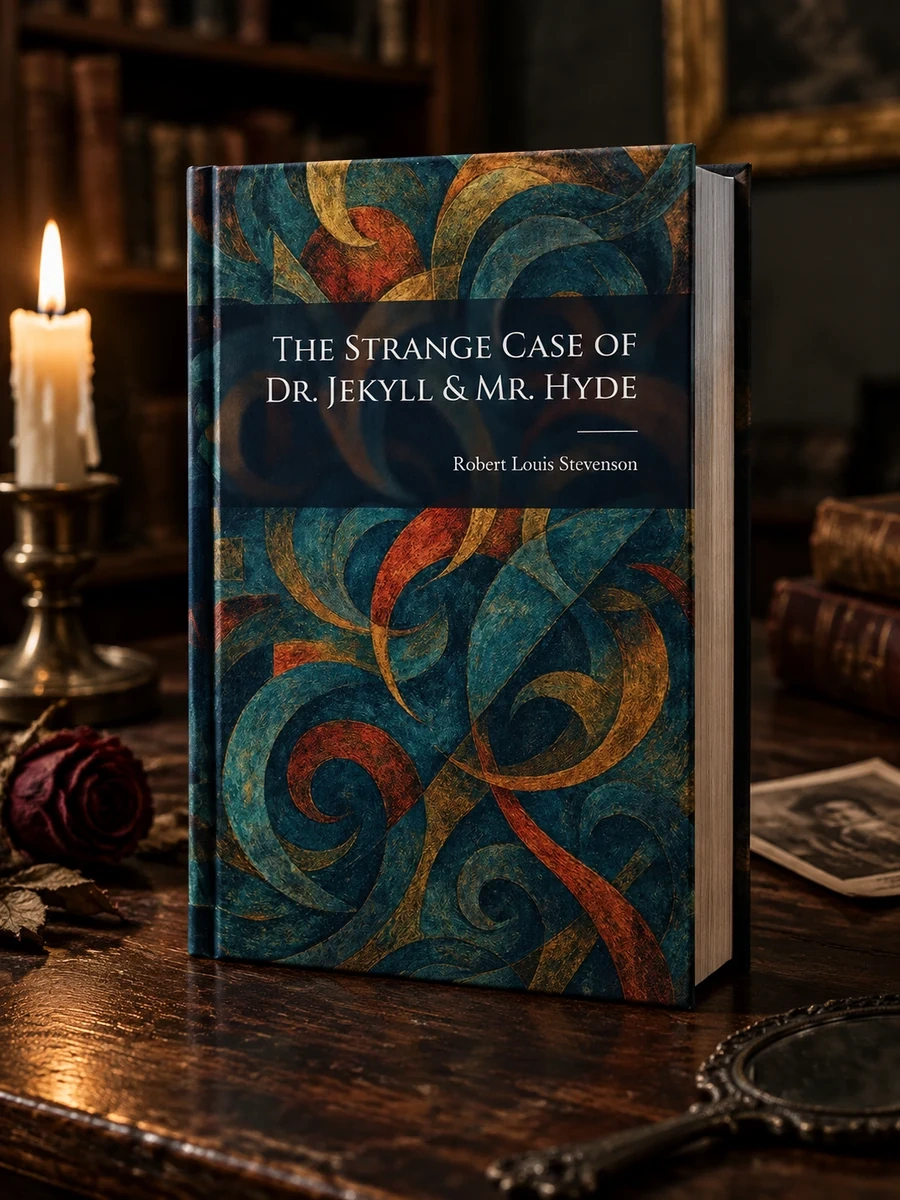
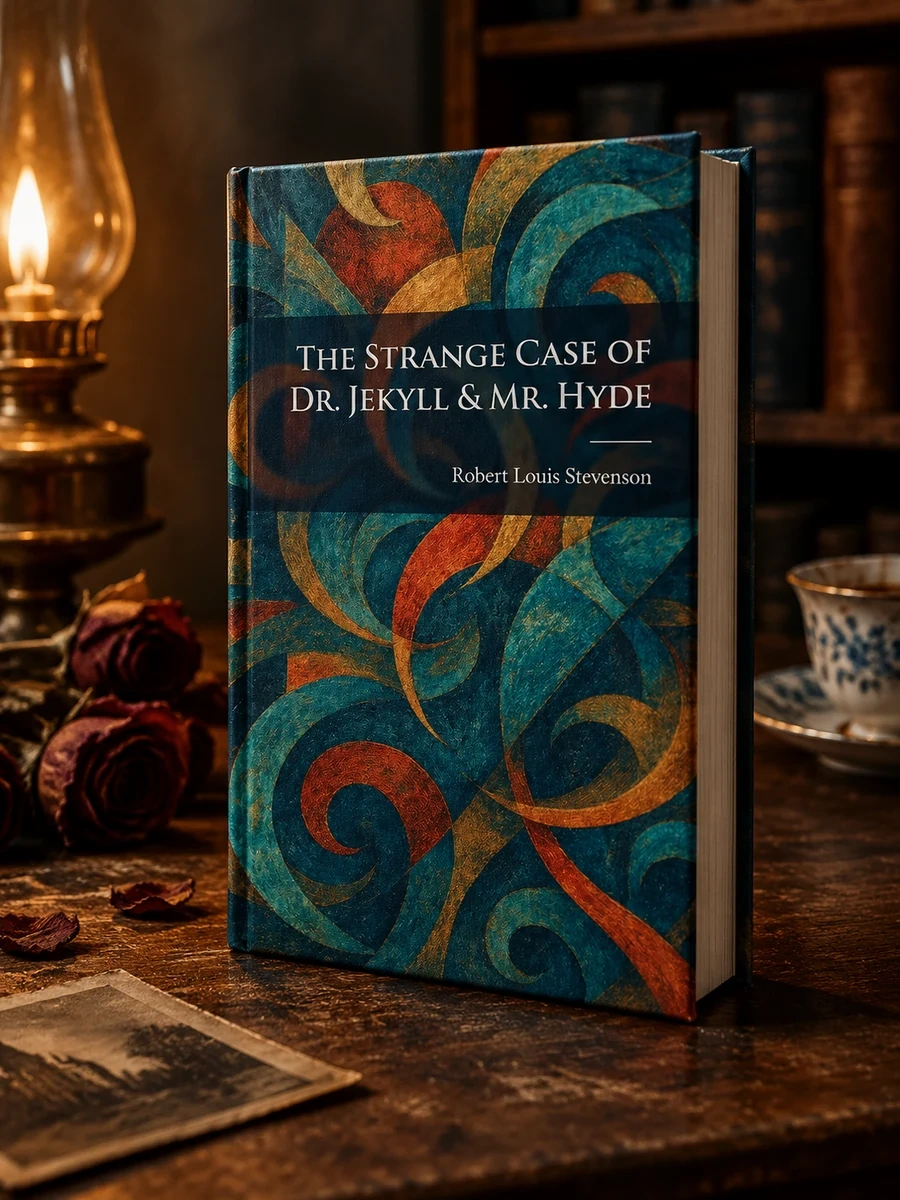
The Strange Case of Dr. Jekyll and Mr. Hyde
A lawyer investigates the dark connection between Dr. Jekyll and Edward Hyde.
The plot centers on Gabriel John Utterson, a London lawyer who notices odd behavior from his old friend Dr. Henry Jekyll. Utterson becomes entangled in the mystery surrounding the sinister figure of Edward Hyde. The narrative reveals how Jekyll’s experiments lead to this dual existence. Stevenson wrote the initial draft in three days while ill with tuberculosis. Cocaine influenced his writing process during this period. His wife rejected the original manuscript because she disliked the monster, which came from a medically influenced dream. She destroyed it by throwing it into the fireplace. Stevenson reconstructed the entire text from memory in another three days. This rapid creation process shaped the intense pace of the story. The book examines the consequences of repressing one’s darker impulses. It fits within the tradition of Gothic fiction that explores psychological terror. The work is suitable for those who enjoy classic supernatural tales with moral complexity.
Robert Louis Stevenson wrote this novel in 1885 while suffering from tuberculosis. He was influenced by cocaine during its creation. The story emerged from a medically induced dream that his wife initially rejected. It stands as a classic example of late nineteenth-century Gothic fiction.


📝 Description: The Strange Case of Dr. Jekyll and Mr. Hyde
💎 Our verdict on The Strange Case of Dr. Jekyll and Mr. Hyde
📖 Why choose it
Why this book is worth reading
Readers who appreciate atmospheric tension and moral complexity will find significant value in this narrative. It appeals to those interested in psychological horror and the Gothic tradition, offering a chilling account of scientific experimentation gone wrong rather than simple jump scares. The story relies on Utterson’s perspective as he uncovers the truth behind Jekyll’s transformation, presenting a dense but rewarding exploration of repressed impulses. Those seeking lighthearted adventure or modern thriller pacing may find the tone too heavy. However, for readers who enjoy classic supernatural tales with deep philosophical undertones, this book provides a unique lens on the consequences of denying one’s darker self, making it essential for understanding the evolution of horror fiction.
⭐ Reader reviews
Reader rating
Stevenson crafts a tale of remarkable intensity, shaped by his rapid creation process while ill with tuberculosis. The narrative effectively examines the duality of human nature through the lens of Victorian Gothic fiction, maintaining a chilling atmosphere throughout. While the text does not offer easy answers about good and evil, it presents a sophisticated study of scientific hubris and psychological fragmentation. This book suits readers who appreciate moral ambiguity and classic supernatural storytelling over fast-paced action. It challenges the reader to consider hidden depths within the human psyche. Although some may find the tone dense or the pacing slow compared to modern thrillers, its literary merit remains undeniable. It is a vital work for anyone interested in the origins of psychological horror and the Gothic tradition's enduring power.
📖 Read on the blog
✍️ More books by this author Robert Louis Stevenson
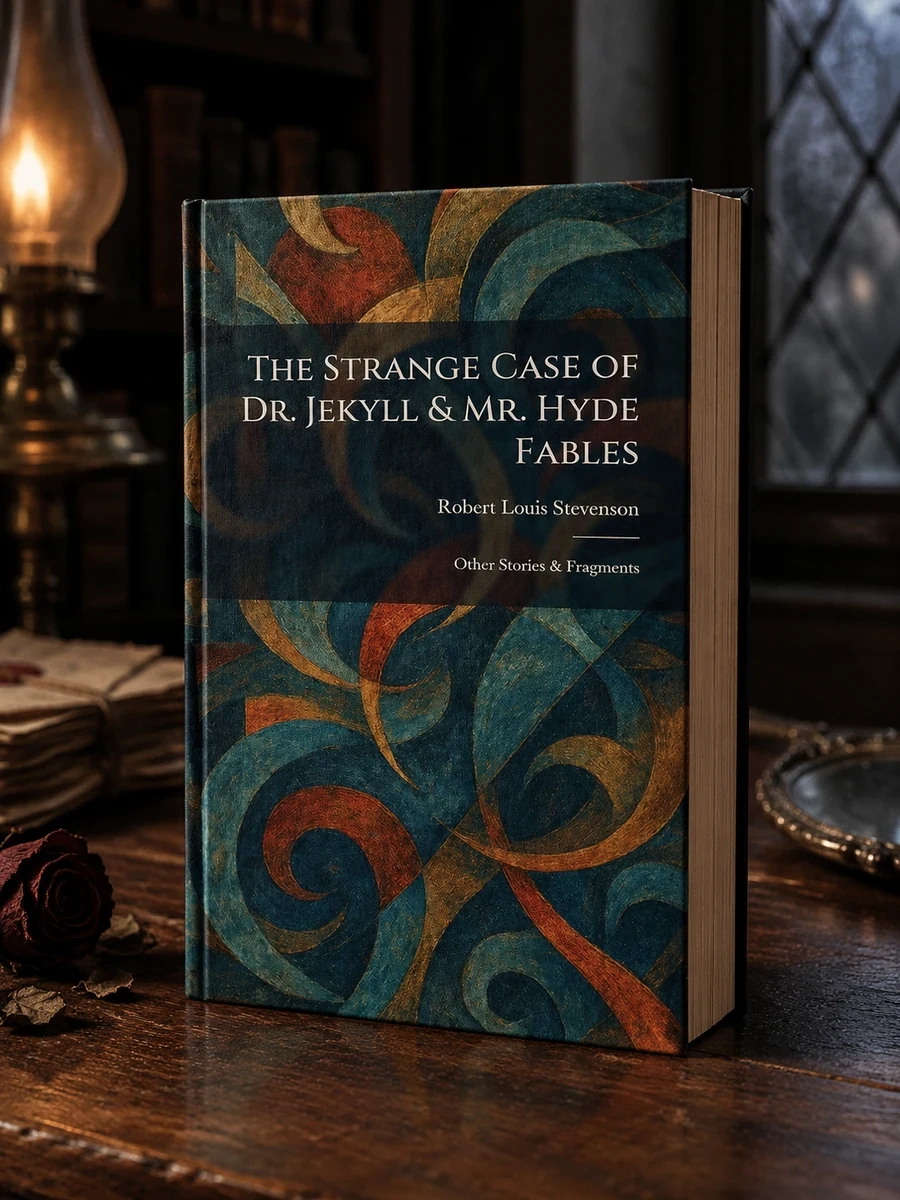


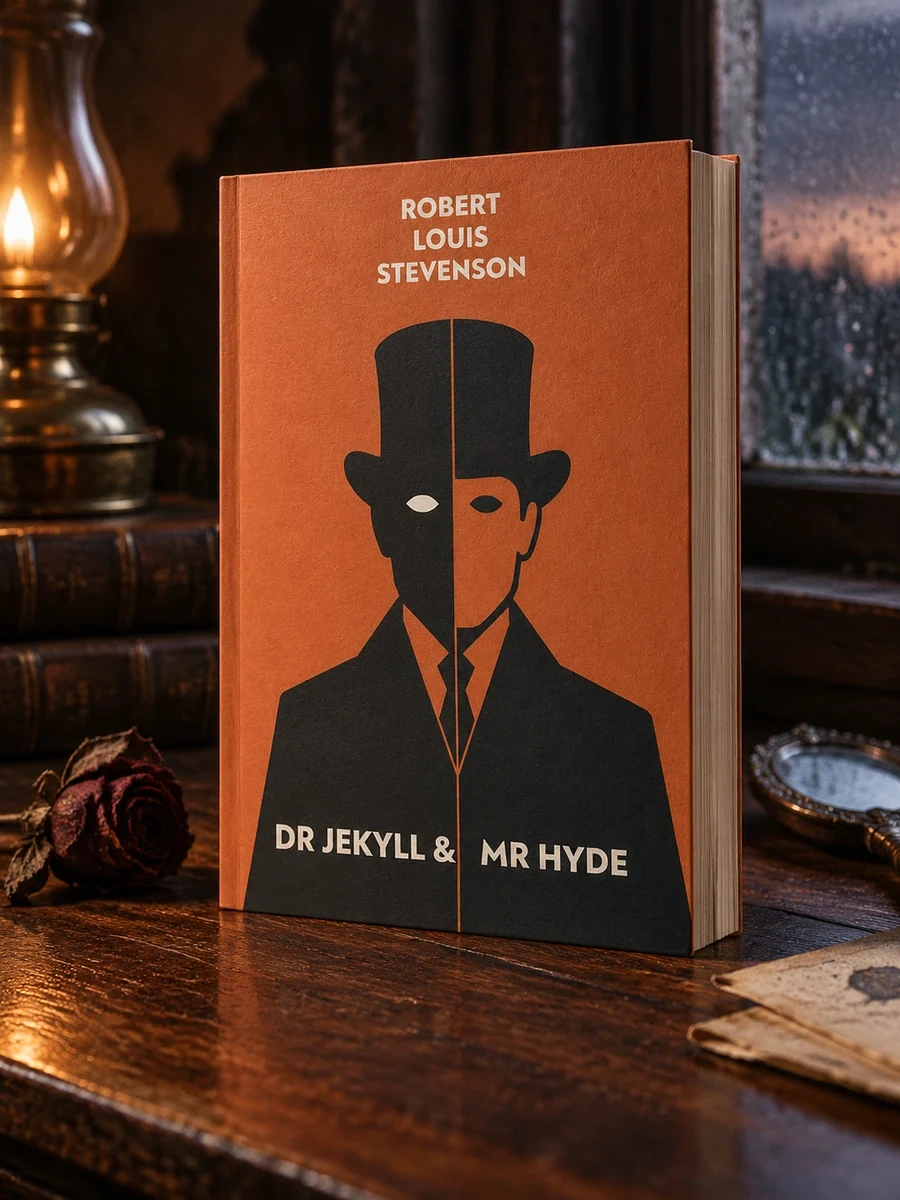
🏛 Books from this publisher Createspace Independent Publishing Platform






You might also like
See more →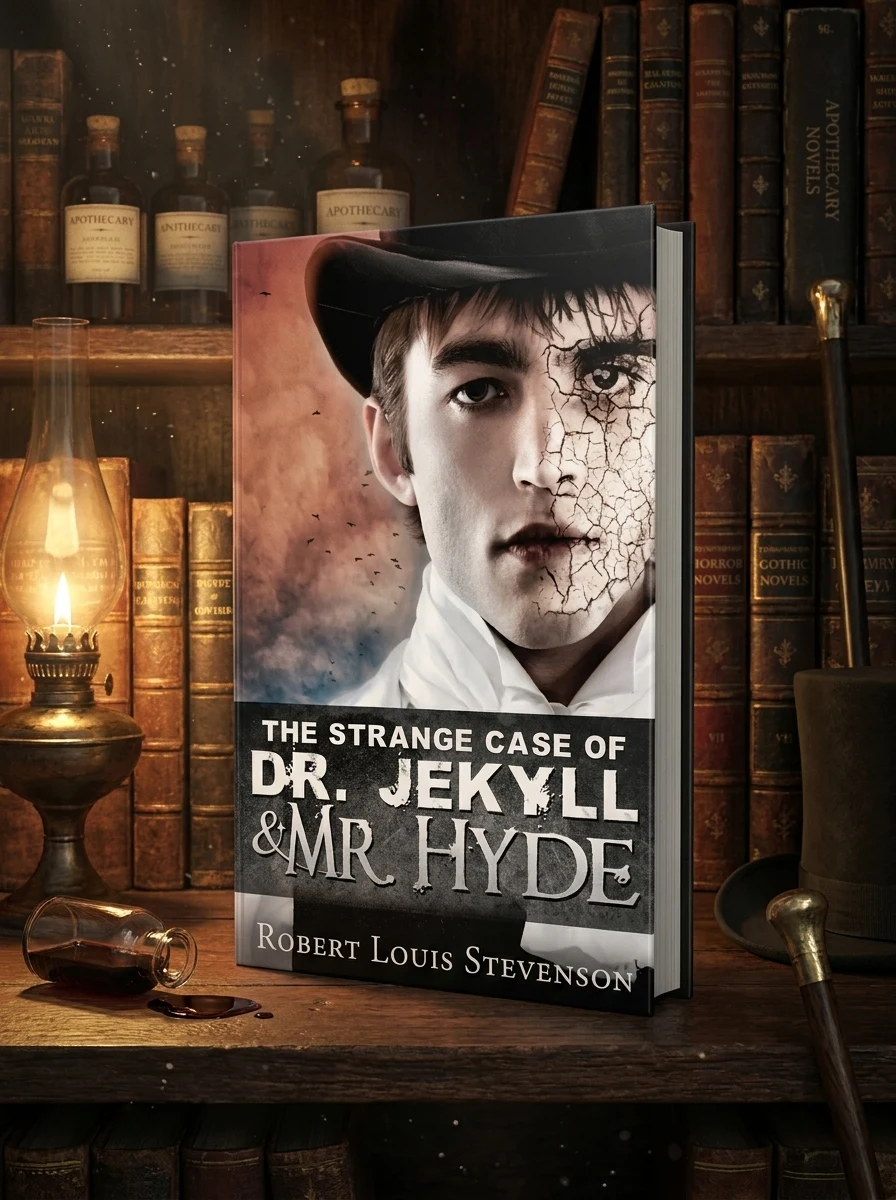
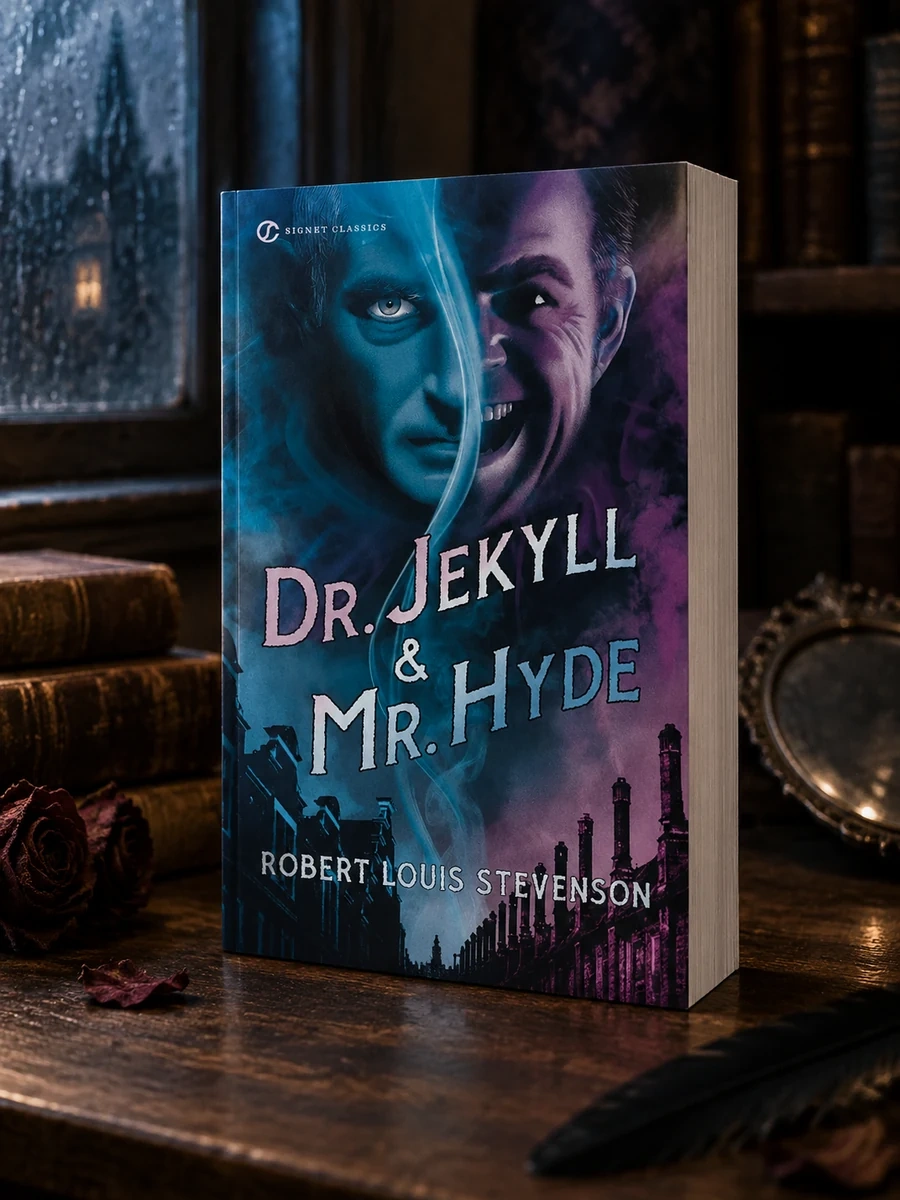
Have a question about this item?
Ask about the edition, condition, delivery or anything else — we reply by email or phone, usually within a day.
