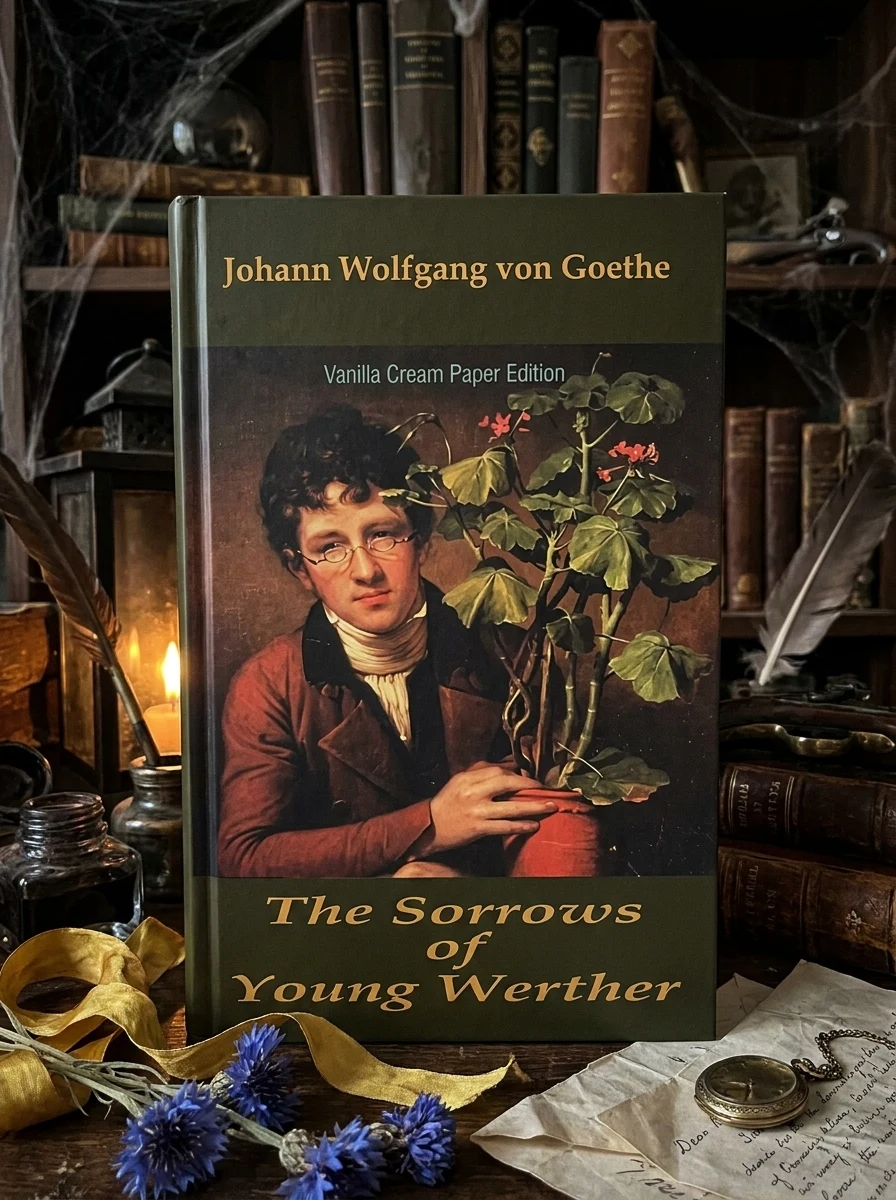
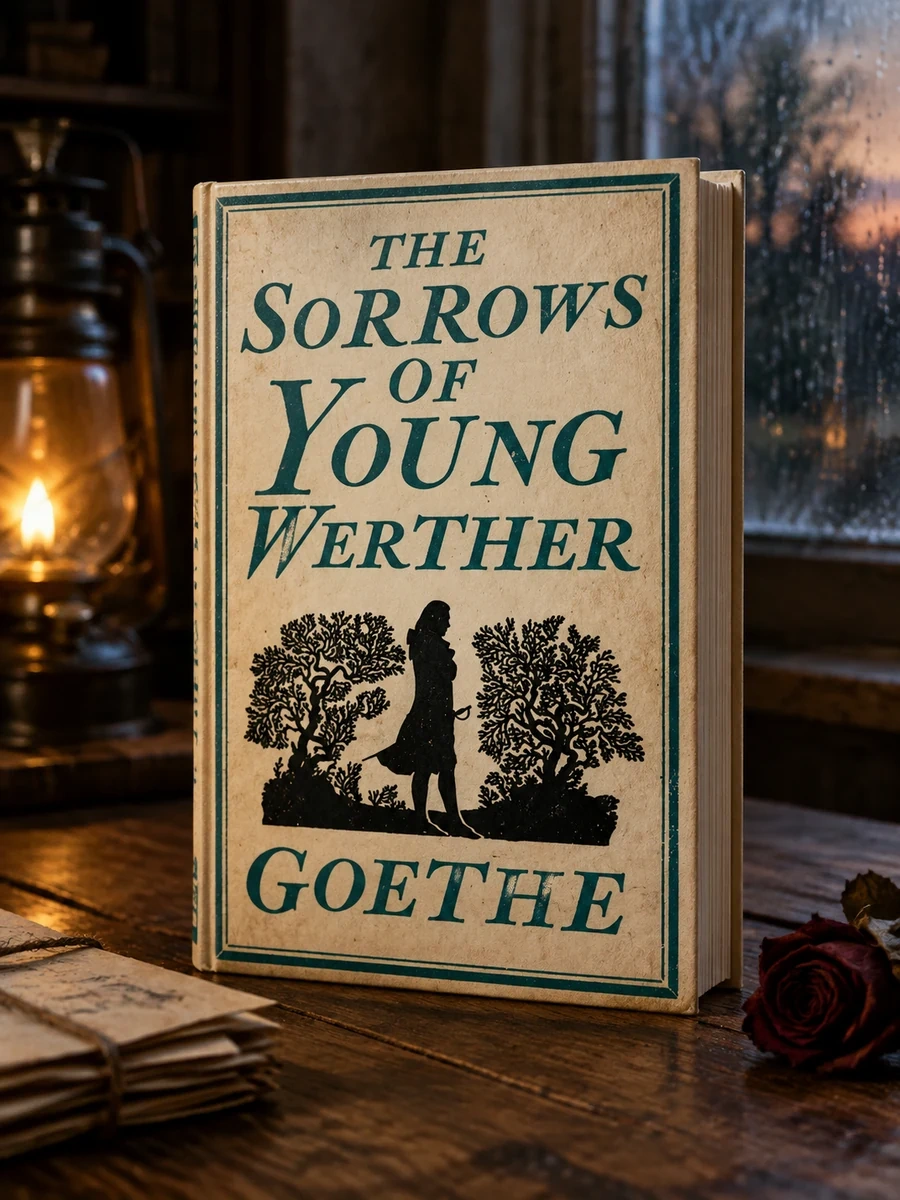
The Sorrows of Young Werther
Goethe's 1774 confessional novel about a young man's despairing love for an engaged woman.
The narrative centers on Werther, a romantic figure whose infatuation with Lotte leads to his torment. He visits a German village where he meets her, yet his passion persists even after he learns of her engagement to Albert. Goethe draws from personal experience and his friend's death to create this first great tragic novel of European literature. The story dissects the mind of an artist at odds with society. It captures the essence of youth sensitivity and the pain of uncontainable emotion. The text stands as a historical artifact that caused sensation upon its initial release, facing both banishment and embrace by young readers. Its enduring power lies in its honest portrayal of emotional collapse.
Published in Germany in 1774, this work created a sensation that led to it being banned and condemned while simultaneously embraced by young readers. It is recognized as the first great confessional novel and the first great tragic novel of European literature, influencing cultural perceptions of youth sensitivity for over two centuries.


📝 Description: The Sorrows of Young Werther
💎 Our verdict on The Sorrows of Young Werther
📖 Why choose it
Why this book is worth reading
This book is essential for readers drawn to the psychological depths of horror and the gothic tradition. It offers a profound exploration of emotional collapse, unrequited love, and artistic isolation. Those interested in the historical roots of tragic fiction will appreciate its honest portrayal of despair. The narrative dissects the suffering inherent in being too sensitive for the world. It provides insight into the pain of youth and the torment of passion that defies societal constraints. Readers seeking fast-paced action may find it slow, but those craving intense emotional realism will find it rewarding. It remains a powerful artifact of European literary history.
⭐ Reader reviews
Reader rating
This text excels in its sensitive examination of romantic torment and mental fragility. Goethe’s confessional style creates an immersive experience into the mind of a protagonist driven to despair by uncontainable emotion. The narrative dissects the isolation of the artist, making it a vital study for students of gothic literature and psychological horror. While not suitable for those seeking modern scientific realism or rapid plot progression, it is perfect for readers who appreciate historical tragedy and emotional intensity. The work’s enduring power lies in its fearless depiction of spiritual breakdown, offering a haunting look at the human condition through the lens of early romantic sensibility.
📖 Read on the blog
✍️ More books by this author Johann Wolfgang Von Goethe


🏛 Books from this publisher Createspace Independent Publishing Platform






You might also like
See more →

Have a question about this item?
Ask about the edition, condition, delivery or anything else — we reply by email or phone, usually within a day.
