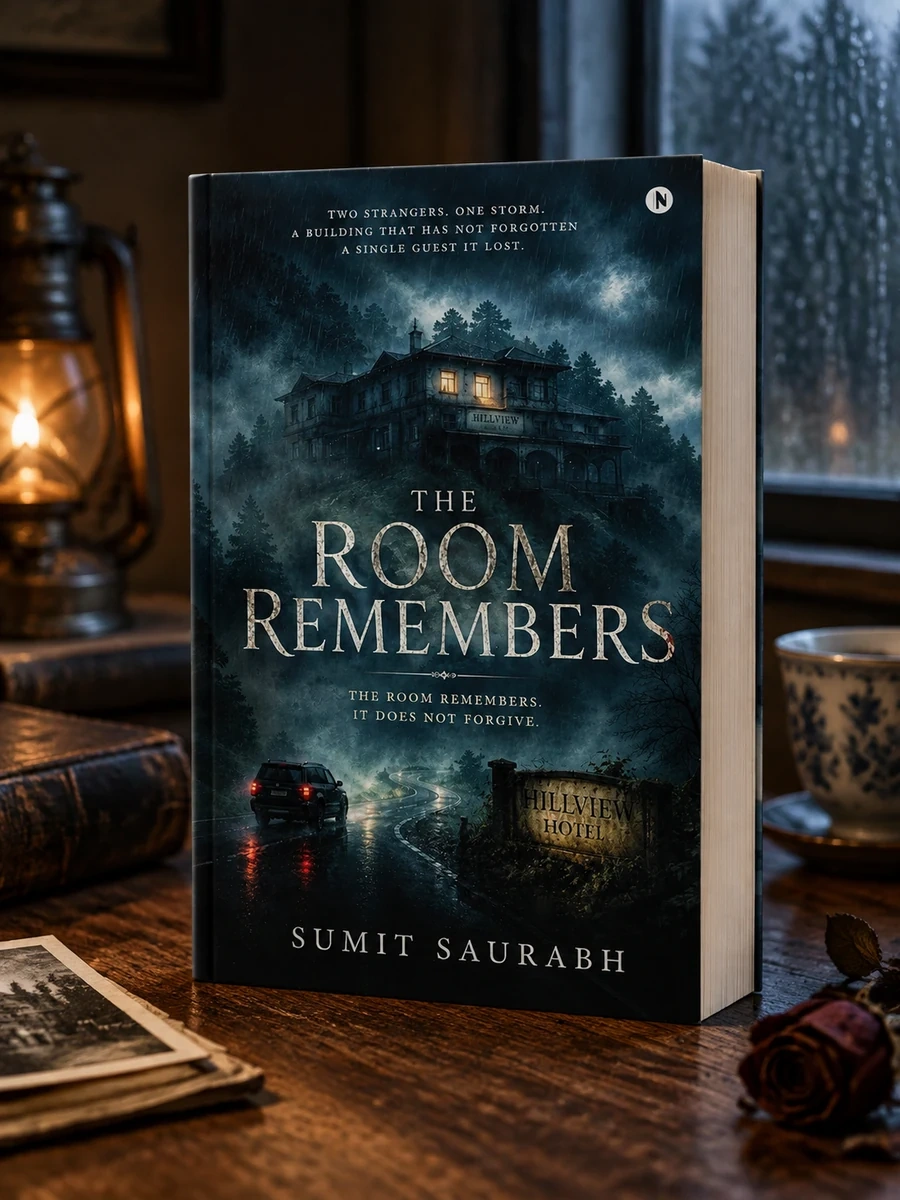
The Room Remembers
A storm-stranded traveler discovers a resthouse that retains the memories of its lost guests.
The narrative follows Ananya’s journey from her office to the Hillview resthouse after a missed bus. She encounters another stranger, and together they occupy adjacent rooms in a building that seems alive with history. The plot unfolds through their interactions with the environment, such as a receptionist who avoids eye contact and keys that feel heavy with implication. Saurabh builds suspense by revealing small anomalies, like the mirror showing an extra person or the diary no one admits to writing. The story does not provide immediate answers but instead focuses on the creeping dread of being watched by something ancient. The structure mirrors the characters’ descent into confusion and fear as they realize the Hillview is not merely a place but an active participant in their fate.
The story sits within the American horror tradition of haunted locations, specifically the trope of the isolated resthouse or motel. It draws on gothic fiction where buildings possess agency and memory. The setting relies on storm isolation to trap characters in a confined space. This approach connects to classic tales where nature forces confrontation with hidden histories.


📝 Description: The Room Remembers
💎 Our verdict on The Room Remembers
📖 Why choose it
Why this book is worth reading
Readers who appreciate slow-burn psychological horror and atmospheric tension will find this narrative deeply engaging. The book appeals to those who enjoy claustrophobic settings where the environment itself acts as an antagonist, trapping characters in cycles of trauma and violence. It is ideal for audiences who prefer ambiguity over clear resolutions and value sensory details that build a sense of creeping dread. Those fascinated by the concept of physical spaces retaining the echoes of past victims will find this exploration of lingering malice compelling. The story offers a meditative yet unsettling look at isolation, forcing characters to confront an ancient presence that refuses to forgive. It serves readers seeking depth in psychological horror rather than immediate action or supernatural spectacle.
⭐ Reader reviews
Reader rating
Saurabh crafts a claustrophobic atmosphere where the Hillview resthouse becomes an active participant in its guests' fate. The narrative excels in using architecture and sensory details like heavy keys and wet stains to amplify tension, creating a palpable sense of being watched by something ancient. By withholding immediate answers, the text builds a sophisticated psychological dread that lingers long after the storm passes. This approach suits readers who enjoy gothic traditions and isolated environments over fast-paced action. The structure mirrors the characters' descent into confusion, making the realization of the building's malice both inevitable and terrifying. It is a refined entry for fans of atmospheric horror who value mood and implication over explicit gore or rapid plot progression.
📖 Read on the blog
✍️ More books by this author Sumit Saurabh
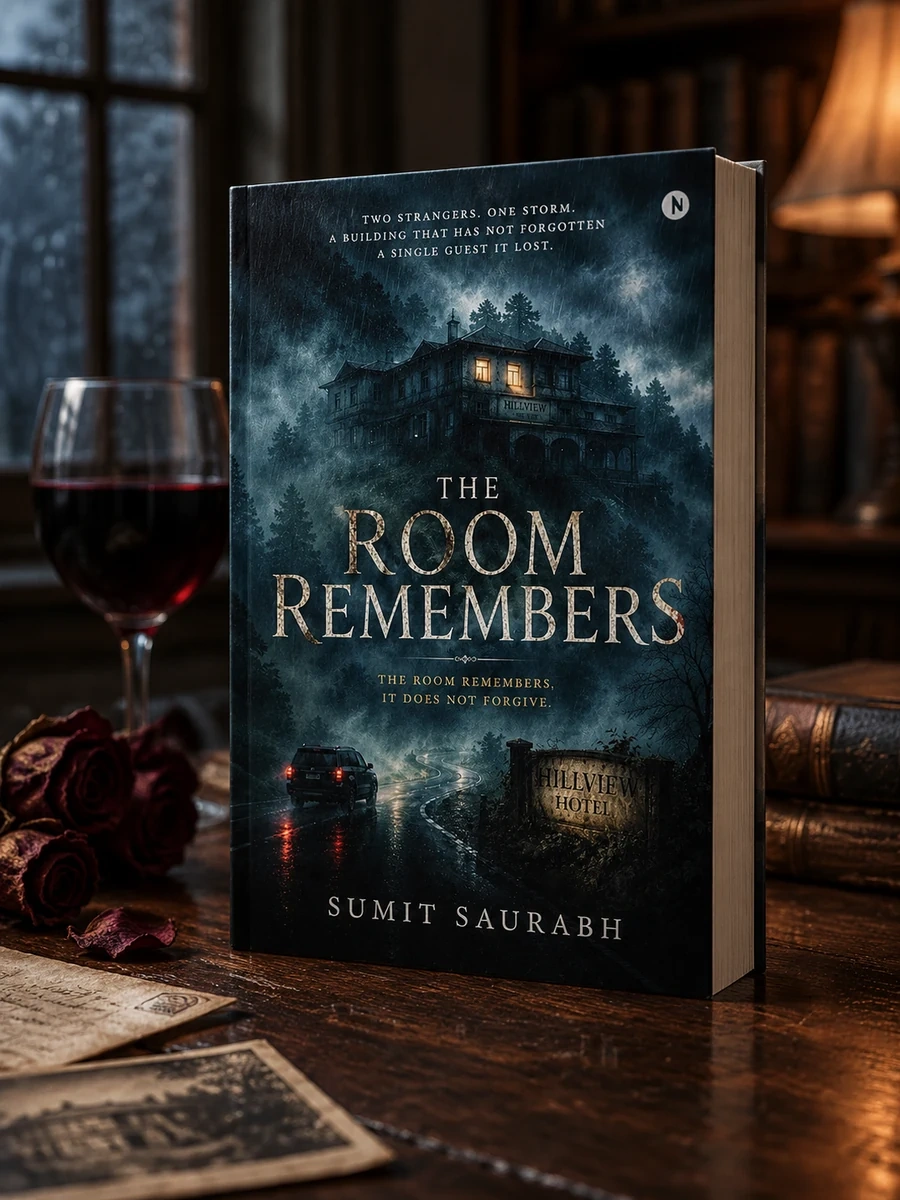


🏛 Books from this publisher Notion Press






You might also like
See more →




Have a question about this item?
Ask about the edition, condition, delivery or anything else — we reply by email or phone, usually within a day.
