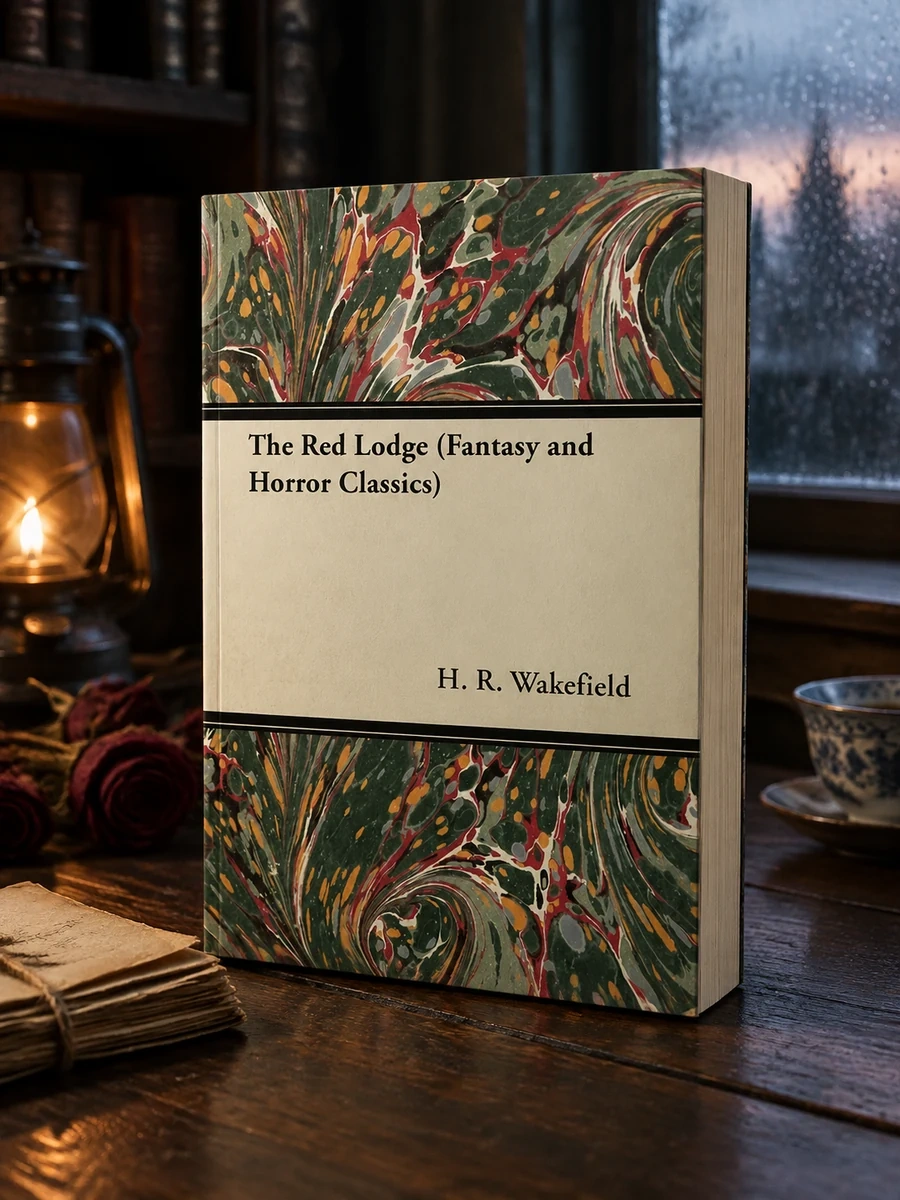
The Red Lodge (Fantasy and Horror Classics)
A classic ghost story about a house with ancient malice asserting itself on its new tenant.
Wakefield crafts a narrative where an isolated country house exerts influence over its occupant. The protagonist faces a notorious history and unsettling atmosphere that worsens over time. Subtle auditory cues and temperature shifts signal the presence of evil. The story tracks the gradual erosion of the tenant’s mental state as he realizes he is being watched. This escalation transforms ordinary fear into pure terror. The work stands as a significant entry in the English ghost story tradition, bridging the gap between Victorian sensibilities and twentieth-century psychological horror. Readers interested in the evolution of supernatural fiction will find value in Wakefield’s methodical approach to building tension.
H. R. Wakefield occupies a key position in twentieth-century English ghost story tradition as a direct successor to M. R. James. This work reflects the stylistic and thematic concerns of that specific literary period, focusing on isolated settings and slow-burn supernatural terror.


📝 Description: The Red Lodge (Fantasy and Horror Classics)
💎 Our verdict on The Red Lodge (Fantasy and Horror Classics)
📖 Why choose it
Why this book is worth reading
This book is essential for enthusiasts of classic ghost stories who appreciate the evolution of supernatural fiction through methodical tension building. Readers seeking slow, unrelenting psychological dread will find value in Wakefield's ability to transform ordinary fear into pure terror without relying on overt violence. The narrative offers a unique study in atmospheric isolation and ancient malice, appealing to those interested in the transition from Victorian ghost stories to twentieth-century psychological horror. It is not suitable for those preferring fast-paced action or modern horror tropes, but serves as a significant entry point for understanding the genre's historical development.
⭐ Reader reviews
Reader rating
Wakefield crafts a masterful exercise in atmospheric pressure, utilizing subtle auditory cues and temperature shifts to signal an encroaching evil presence. The narrative effectively tracks the gradual erosion of the protagonist’s mental state as he ignores local warnings, creating a compelling portrait of vulnerability within isolation. By focusing on psychological pressure rather than gore, the story achieves a chilling effect that resonates with fans of traditional English Gothic literature. While it lacks the immediacy of modern horror, its careful pacing and historical significance make it a rewarding experience for patient readers who value subtle tension over explicit scares.
📖 Read on the blog
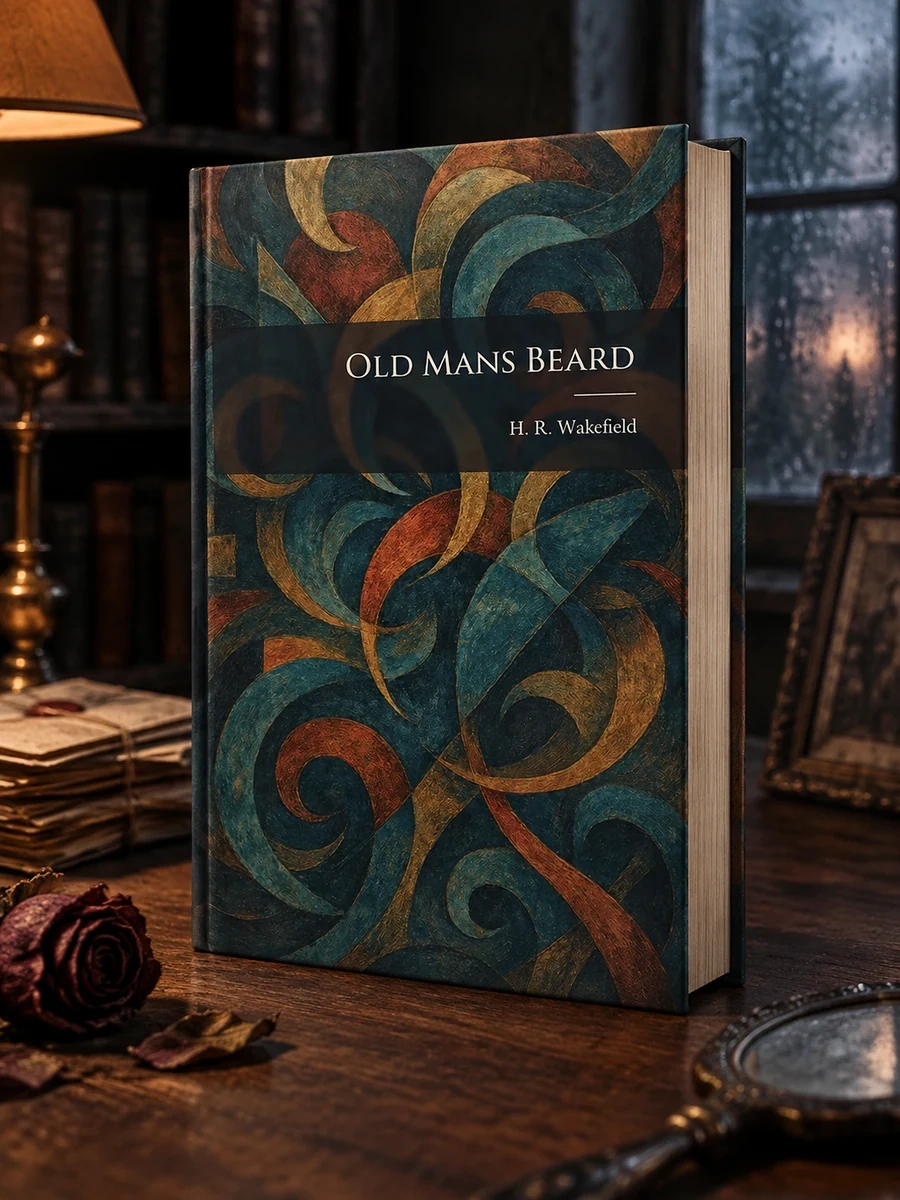
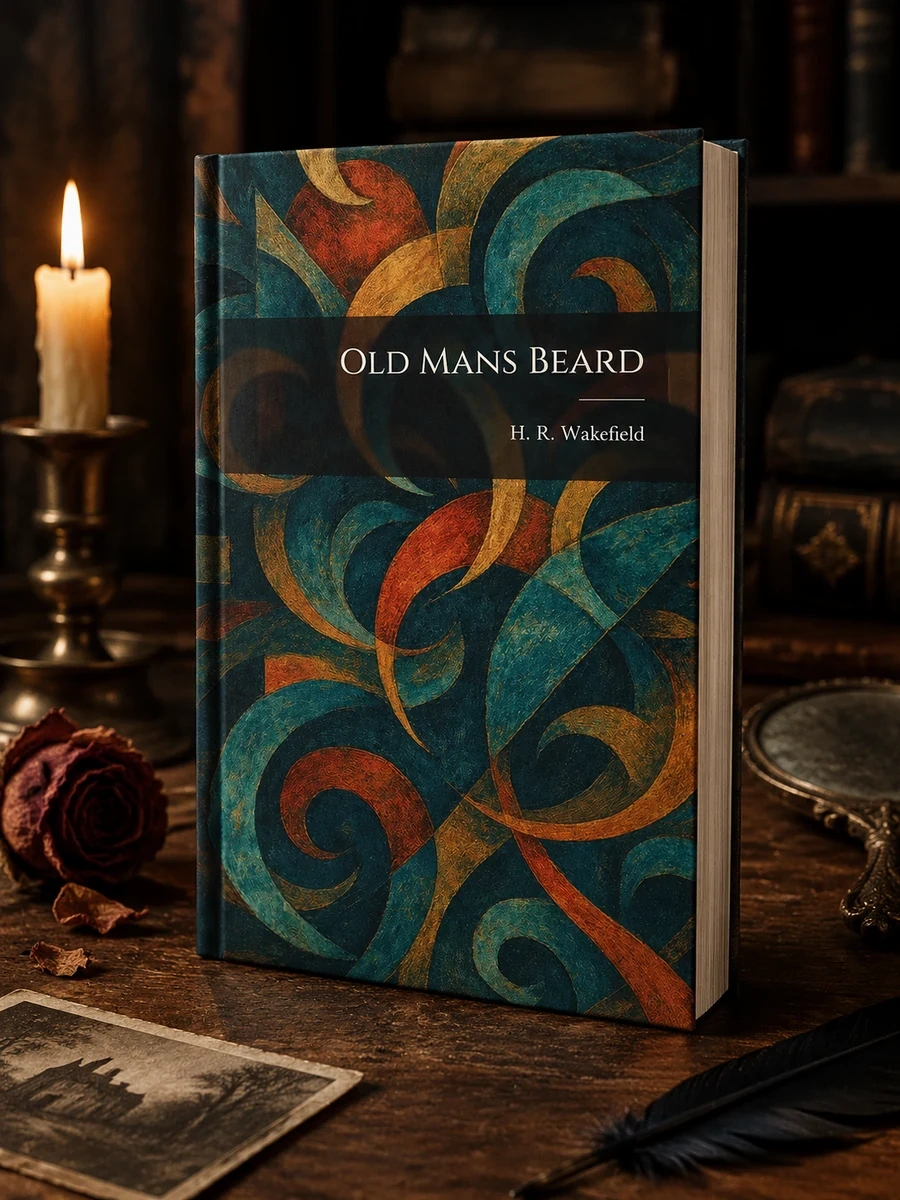
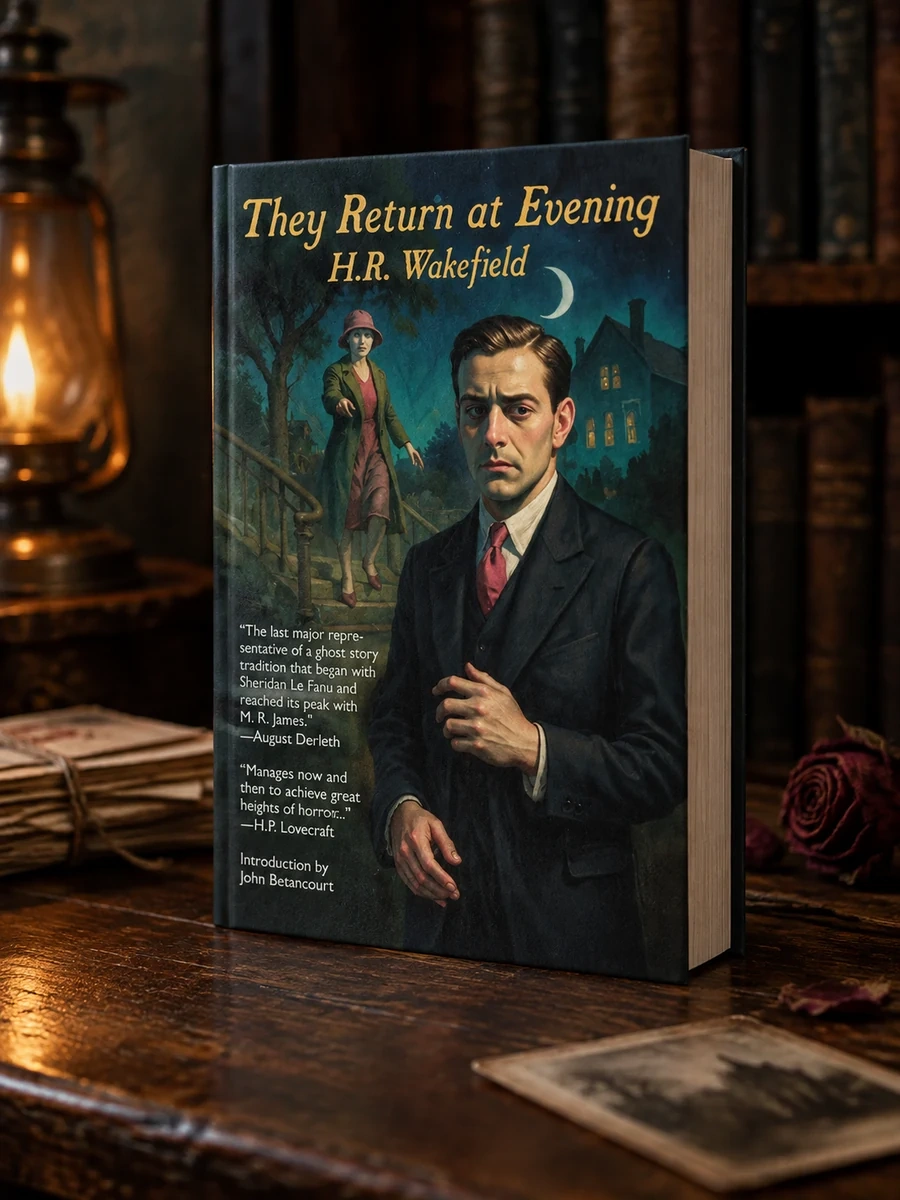
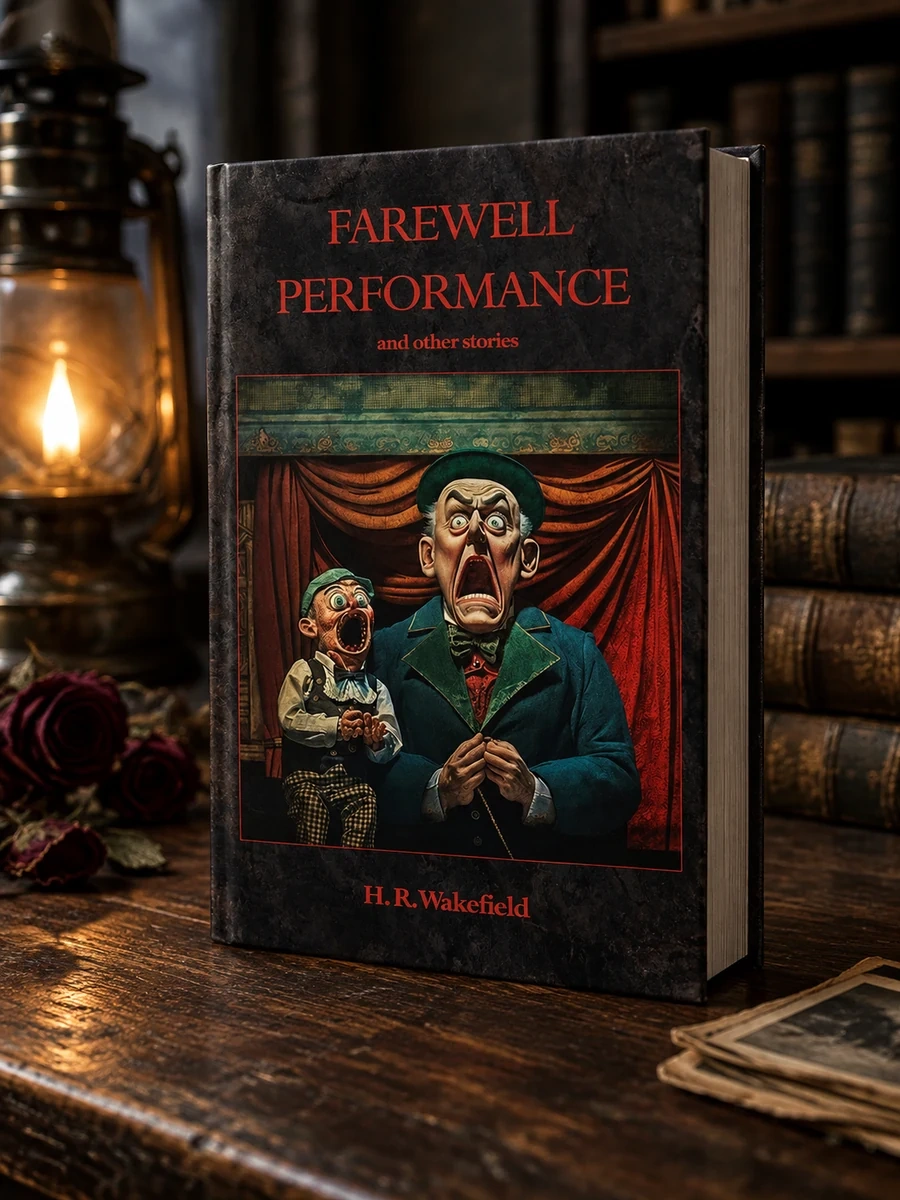
✍️ More books by this author H R Wakefield


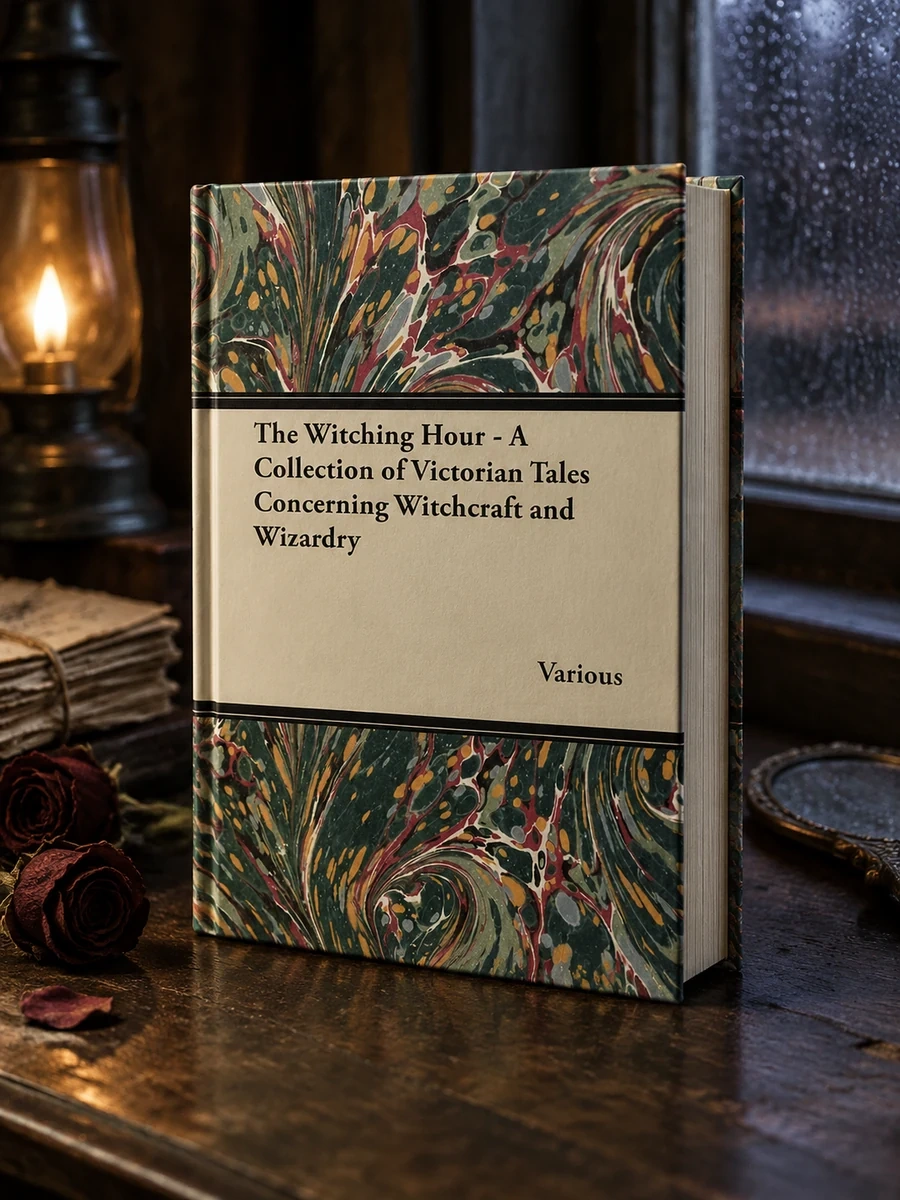
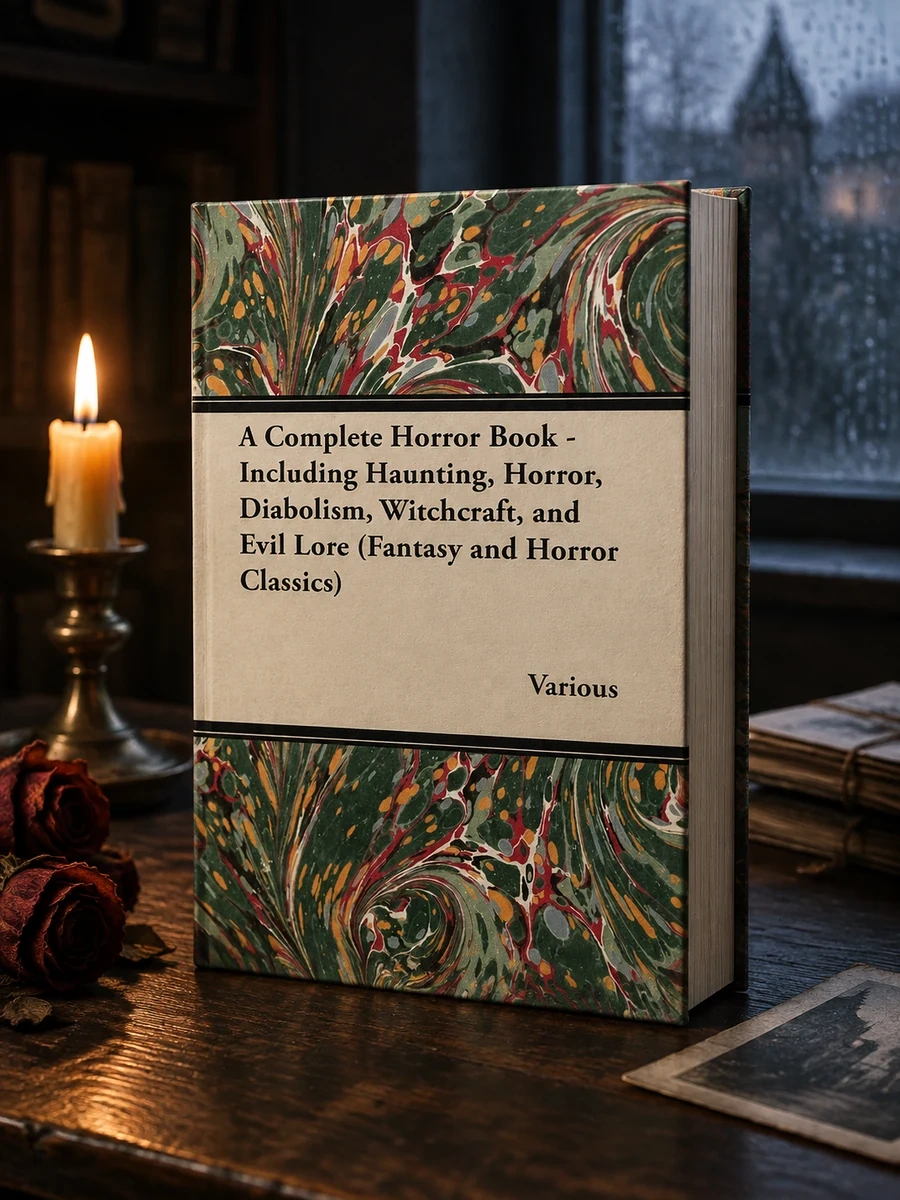
🏛 Books from this publisher Fantasy and Horror Classics
You might also like
See more →
Have a question about this item?
Ask about the edition, condition, delivery or anything else — we reply by email or phone, usually within a day.
