
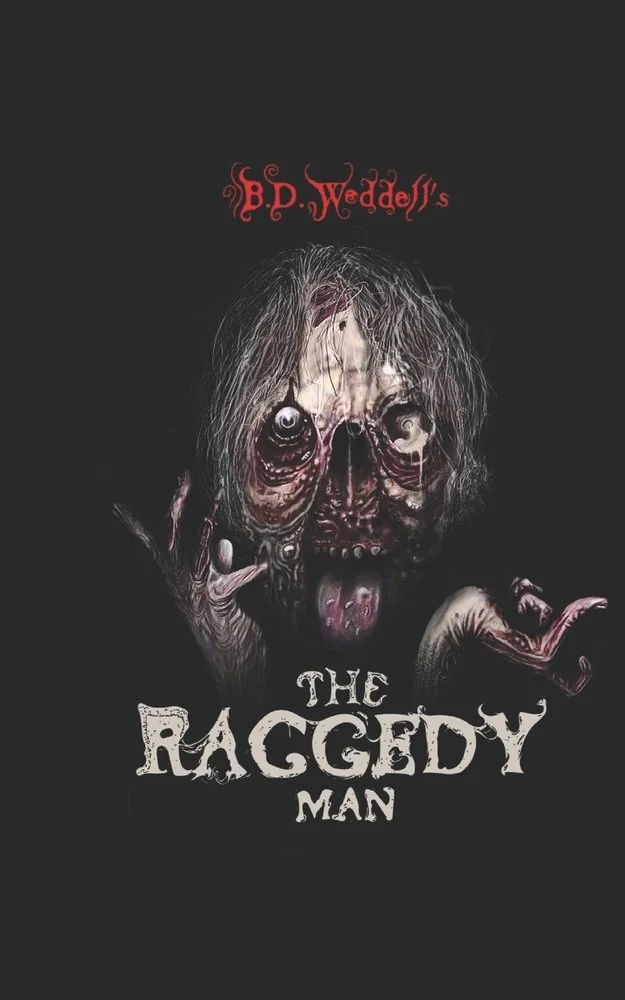
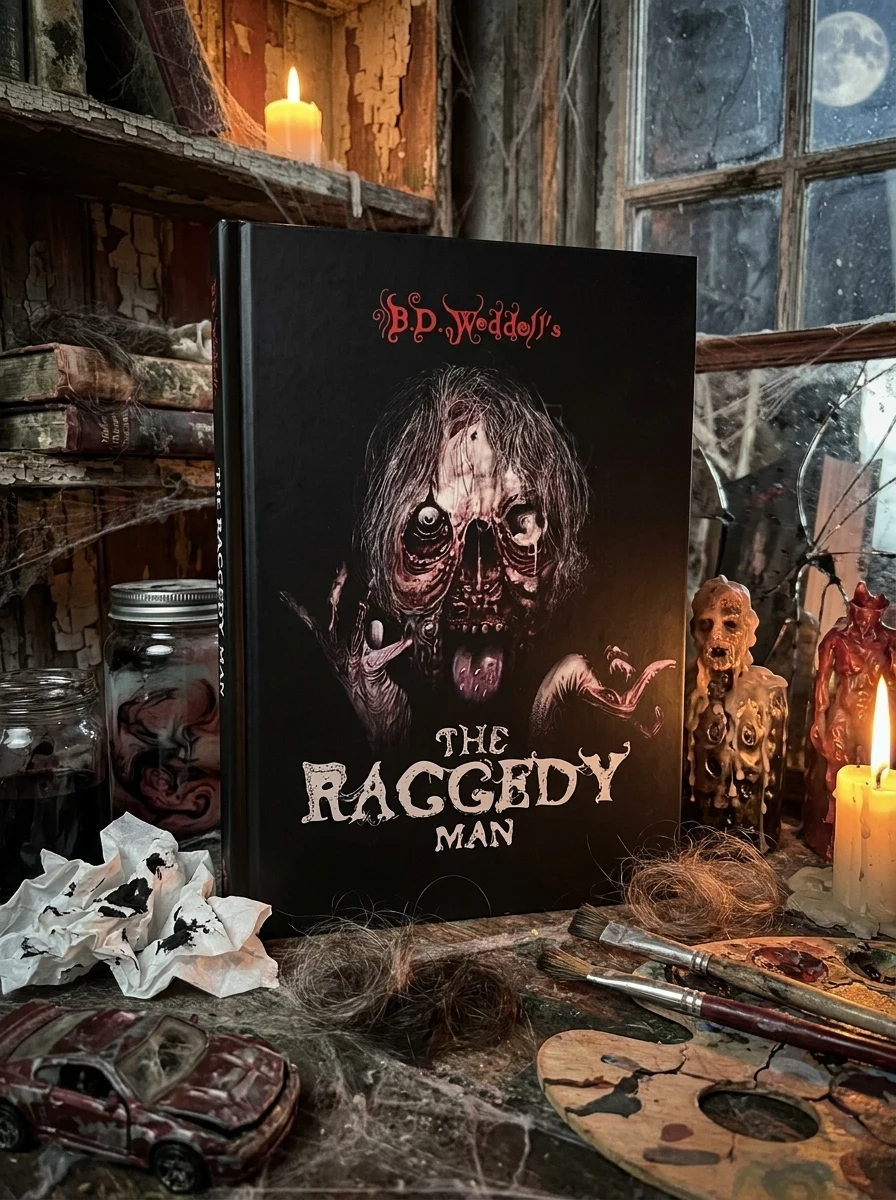
The Raggedy Man
A man slowly rots while alive after a curse takes hold.
This narrative examines the intersection of trauma and supernatural punishment. It tracks how a single accident triggers a chain reaction of personal and physical ruin. The protagonist loses his art, his love, and finally his body. The story does not offer escape but rather documents the process of becoming undead while still conscious. It appeals to fans of slow-burn horror who appreciate detailed descriptions of physiological change. The work relies on the premise that guilt or fate can manifest as disease. It avoids traditional monster hunts, focusing instead on the victim’s perspective. This angle provides a unique take on the curse genre by emphasizing helplessness over heroism.
Published independently in 2021, this work fits within the contemporary US horror market. It draws on gothic fiction traditions that focus on physical deterioration. The book targets readers interested in supernatural fiction and dark psychological themes.


📝 Description: The Raggedy Man
💎 Our verdict on The Raggedy Man
📖 Why choose it
Why this book is worth reading
Readers who appreciate slow-burn horror and visceral descriptions of decay will find this narrative compelling. It offers a unique perspective on the curse genre by focusing on the victim’s gradual physical and mental deterioration rather than traditional monster hunts. Those interested in the psychological toll of isolation and the fear of losing one’s identity to an external malady will connect with the protagonist's helplessness. The book provides a tangible, albeit fictional, reality for those who enjoy detailed accounts of physiological change driven by trauma. It is ideal for fans who prefer atmospheric buildup and a relentless pace over straightforward plots or lighthearted supernatural tales. This work appeals to those seeking a story where fate and guilt manifest as an inescapable, rotting disease.
⭐ Reader reviews
Reader rating
Weddell delivers a grim examination of trauma through the lens of supernatural deterioration. The narrative excels in its detailed depiction of physiological decline, linking Clay’s physical rot directly to his initial psychological fracture. By avoiding magical fixes and focusing on the inevitability of decay, the book creates a haunting atmosphere of helplessness. It suits readers who enjoy visceral horror and gothic themes without offering escape or clear resolutions. The emphasis on the victim's perspective provides a refreshing alternative to hero-centric curse stories. However, those seeking lighthearted tales may find the relentless pace and lack of hope off-putting. The work stands as a serious exploration of guilt manifesting as disease.
📖 Read on the blog
✍️ More books by this author B D Weddell


🏛 Books from this publisher Independently Published






You might also like
See more →
Have a question about this item?
Ask about the edition, condition, delivery or anything else — we reply by email or phone, usually within a day.
