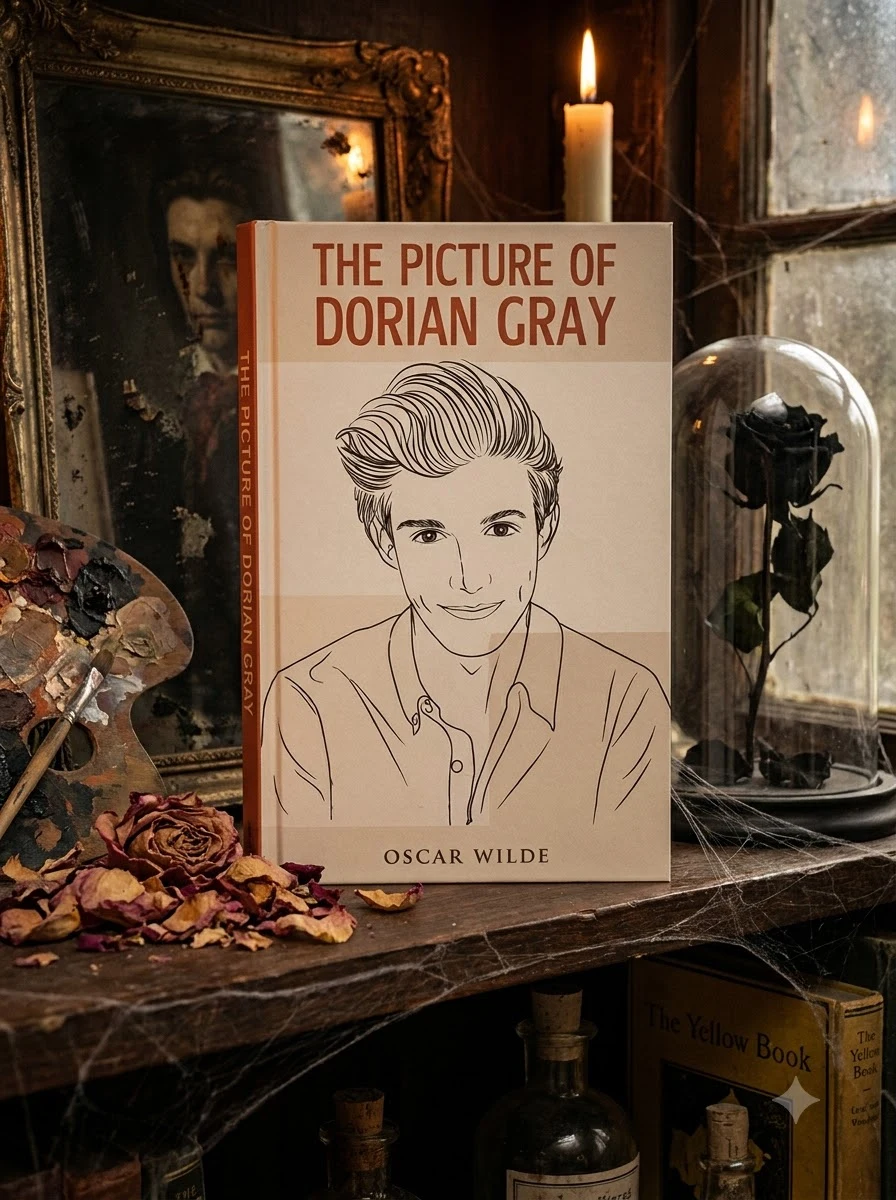
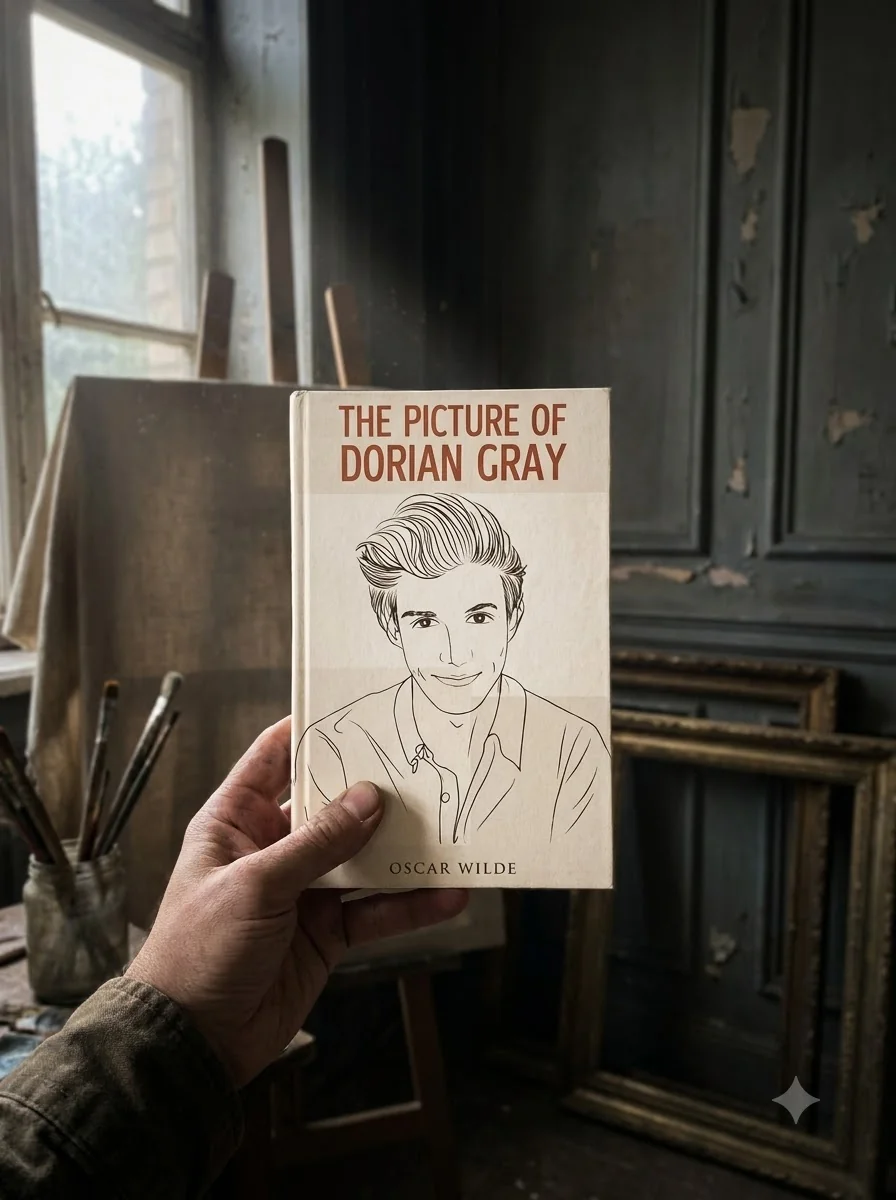
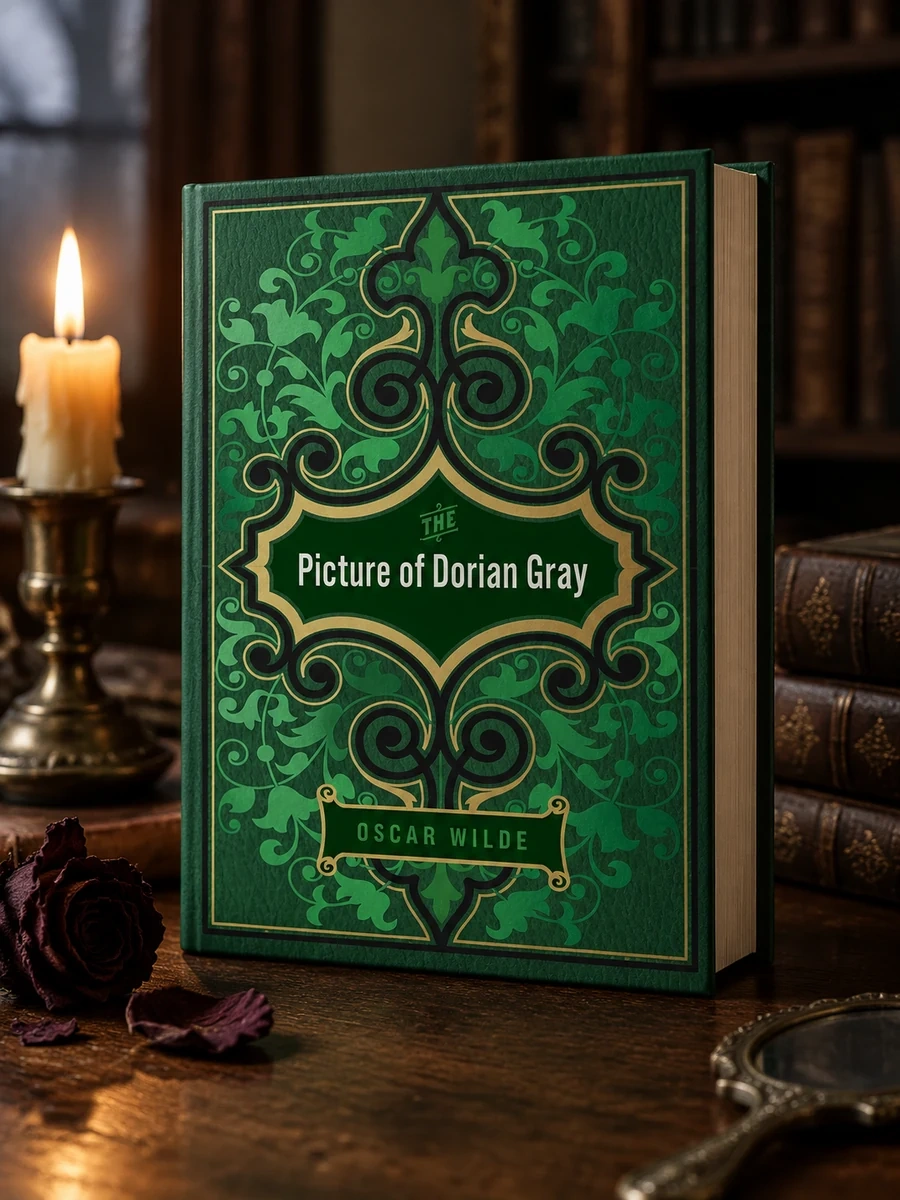
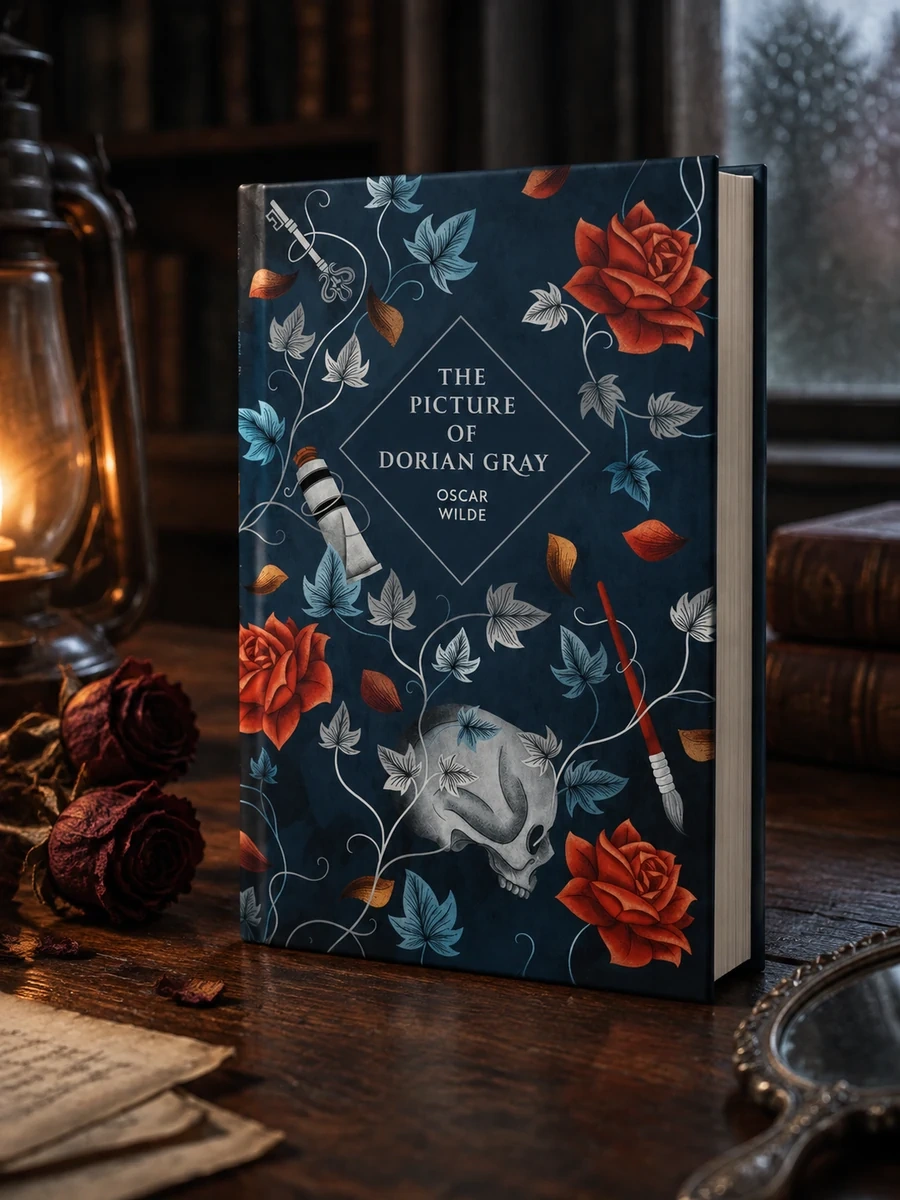
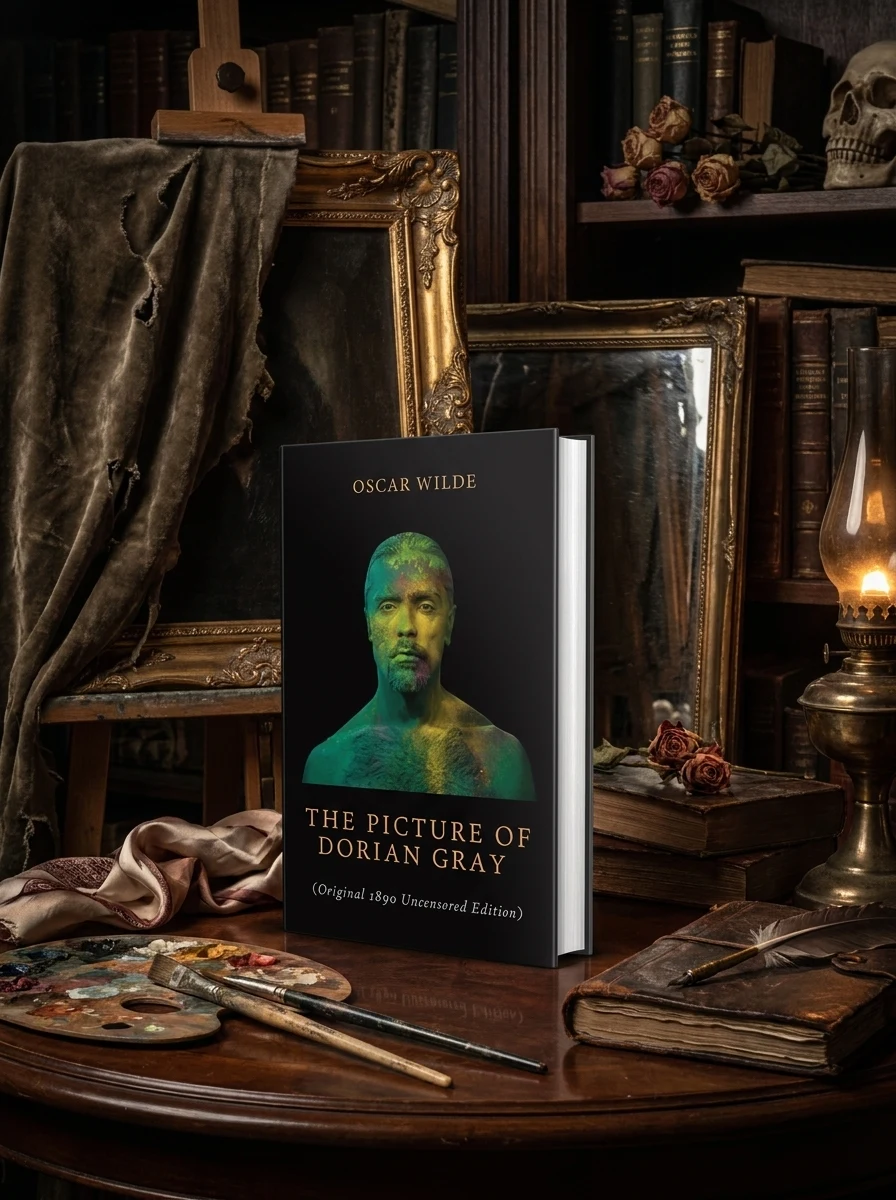
The Picture of Dorian Gray
A Gothic tale of a man whose portrait ages while he stays young.
This edition presents Wilde’s only novel as a study in moral decay. Dorian Gray trades his soul for eternal youth, leaving the canvas to record every sin and scar. Lord Henry’s cynical views on beauty drive the protagonist’s choices. Basil Hallward’s art becomes the vessel for this dark transformation. The narrative examines the relationship between aesthetic pleasure and ethical responsibility. It does not offer easy answers but rather presents a complex puzzle about human nature. The story relies on dialogue and internal reflection to build tension. Readers interested in the intersection of art, life, and consequence will appreciate the depth of the character studies.
Published nearly 125 years ago, this work stands as a classic example of Gothic fiction. It draws on traditions of moral philosophy and aesthetic theory to critique Victorian society’s values regarding beauty and youth.


📝 Description: The Picture of Dorian Gray
💎 Our verdict on The Picture of Dorian Gray
📖 Why choose it
Why this book is worth reading
Readers who appreciate the intersection of art, life, and consequence will find deep engagement in this text. It offers a complex puzzle about human nature rather than easy answers, appealing to those interested in moral decay and psychological horror. The narrative relies on dialogue and internal reflection to build tension, making it ideal for those who enjoy philosophical debates about morality. While straightforward adventure seekers may find the focus on aesthetic theory slow, intellectually curious minds will value the depth of its character studies. It serves as a significant piece of literary history that challenges conventional thinking through its depiction of artistic obsession and the Faustian bargain between beauty and corruption.
⭐ Reader reviews
Reader rating
Oscar Wilde crafts a sophisticated Gothic narrative that functions as a moral commentary on aesthetic ideals. The book excels in using dialogue and internal reflection to build tension, presenting a complex study of how vanity corrupts the soul. It does not offer simple resolutions but rather presents a challenging examination of ethical responsibility. This work is best suited for readers interested in psychological horror and philosophical debates about morality. Those seeking straightforward adventure plots may find the focus on aesthetic theory slow. However, the depth of its character studies and its exploration of the relationship between aesthetic pleasure and consequence make it a rewarding experience for those willing to engage with its intricate themes and literary density.
📖 Read on the blog
✍️ More books by this author Oscar Wilde
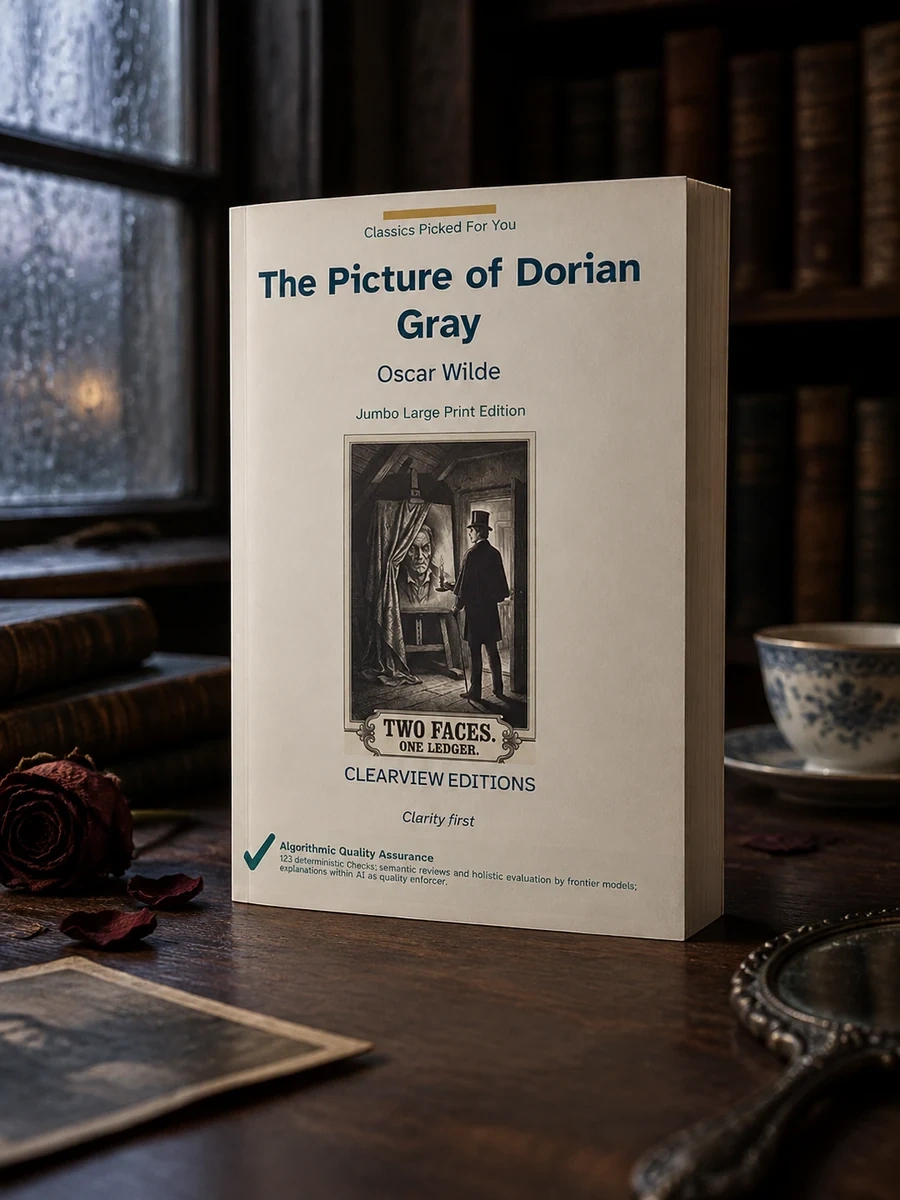


🏛 Books from this publisher Classy Publishing
You might also like
See more →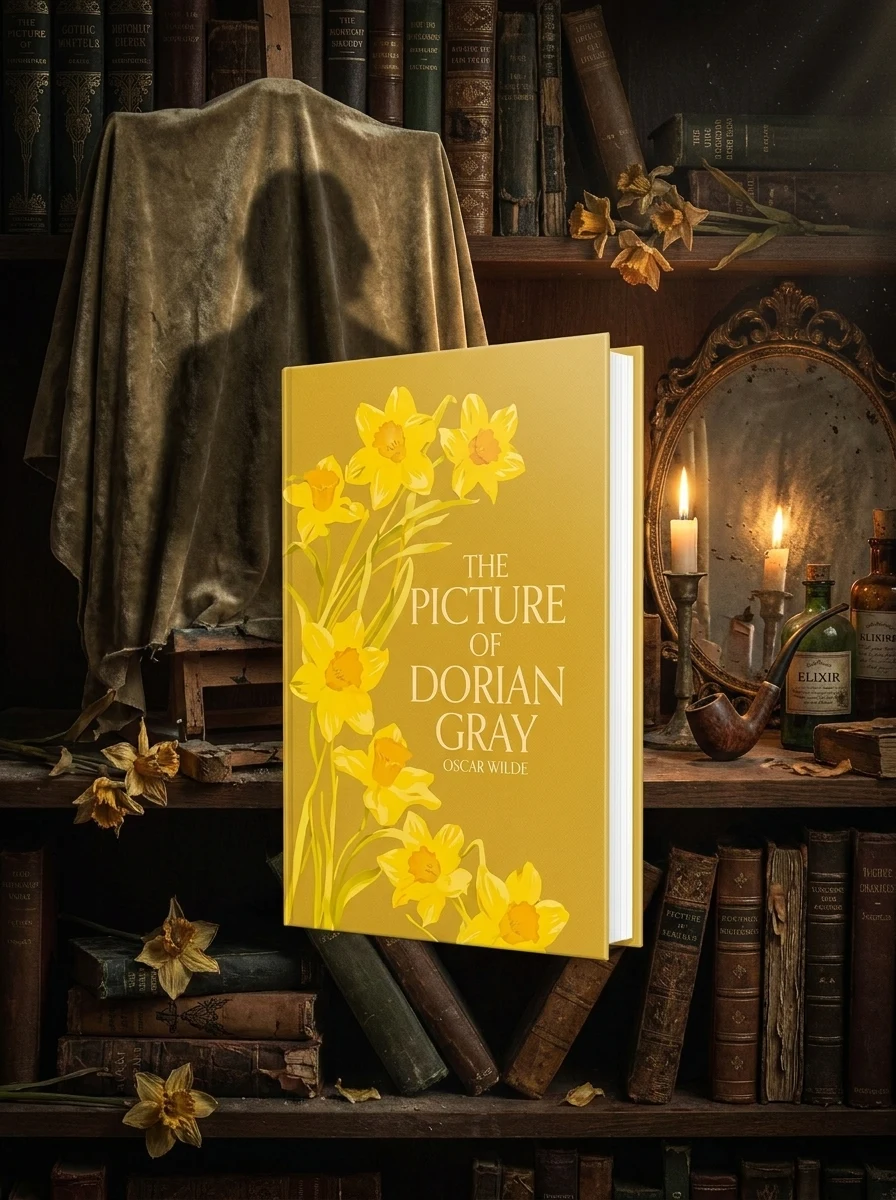

Have a question about this item?
Ask about the edition, condition, delivery or anything else — we reply by email or phone, usually within a day.
