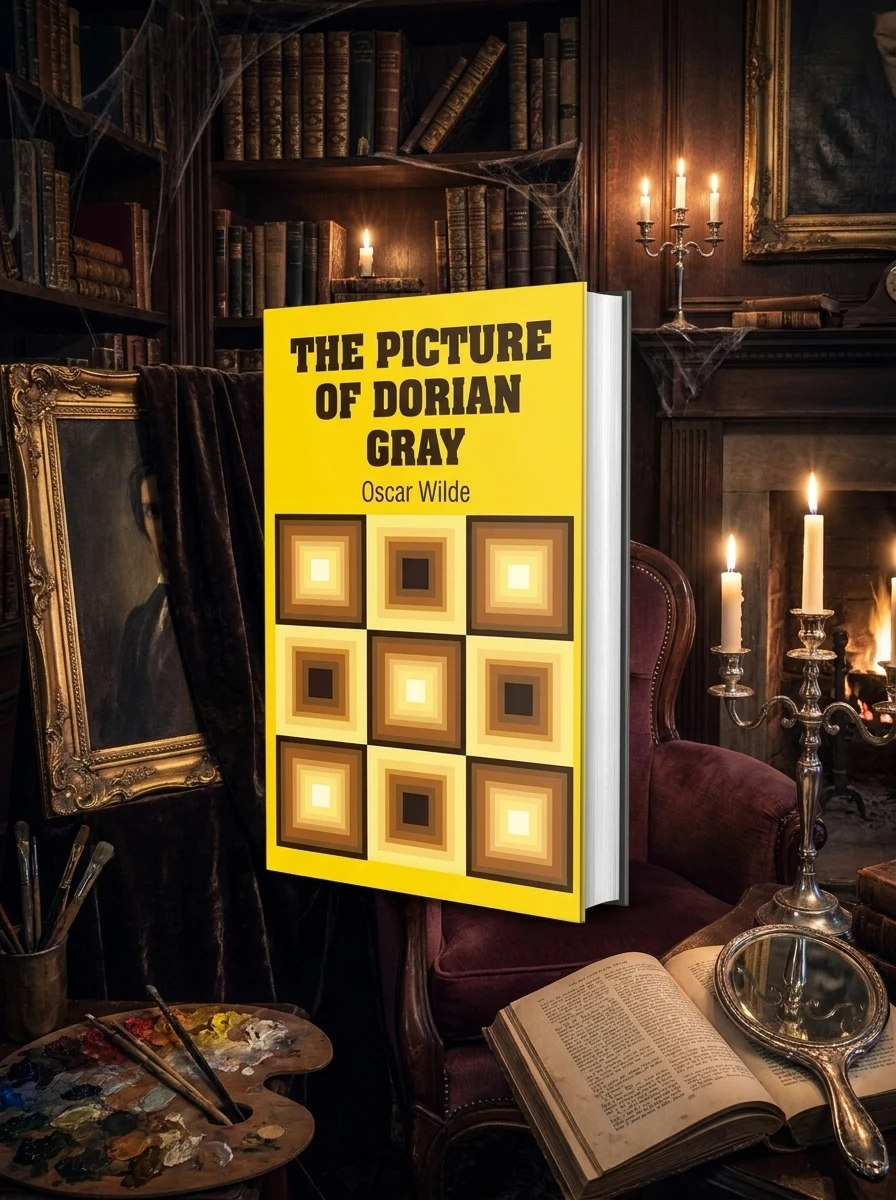
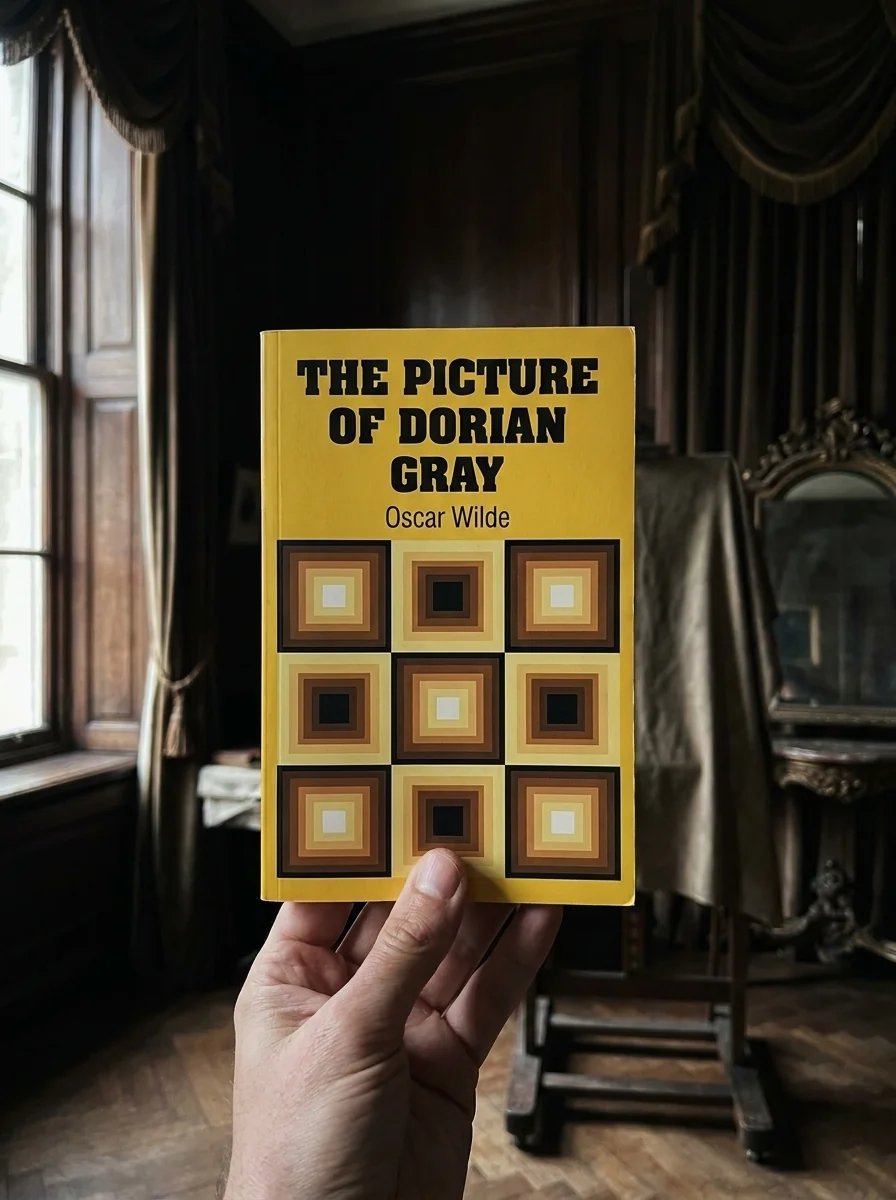
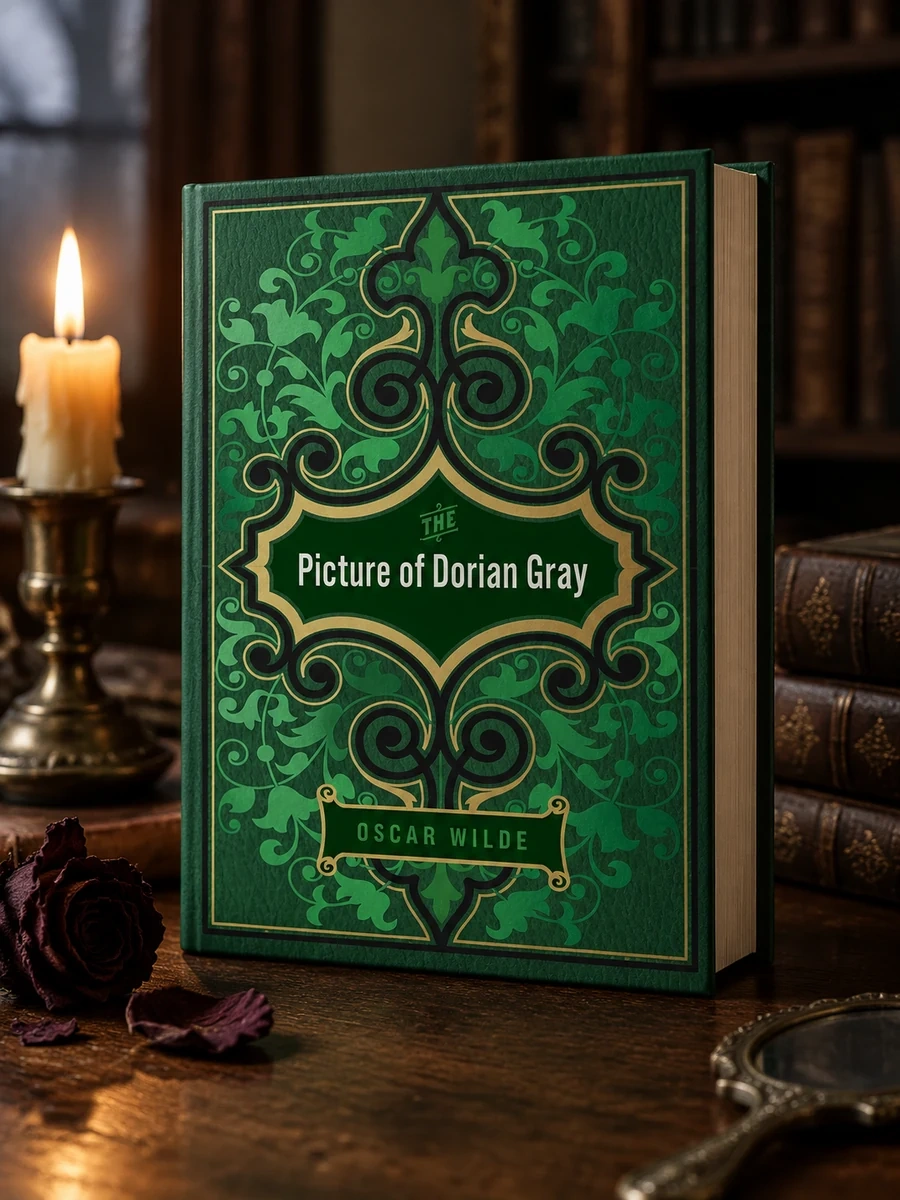
The Picture of Dorian Gray
A portrait ages while its subject remains young in this gothic tale of moral decay.
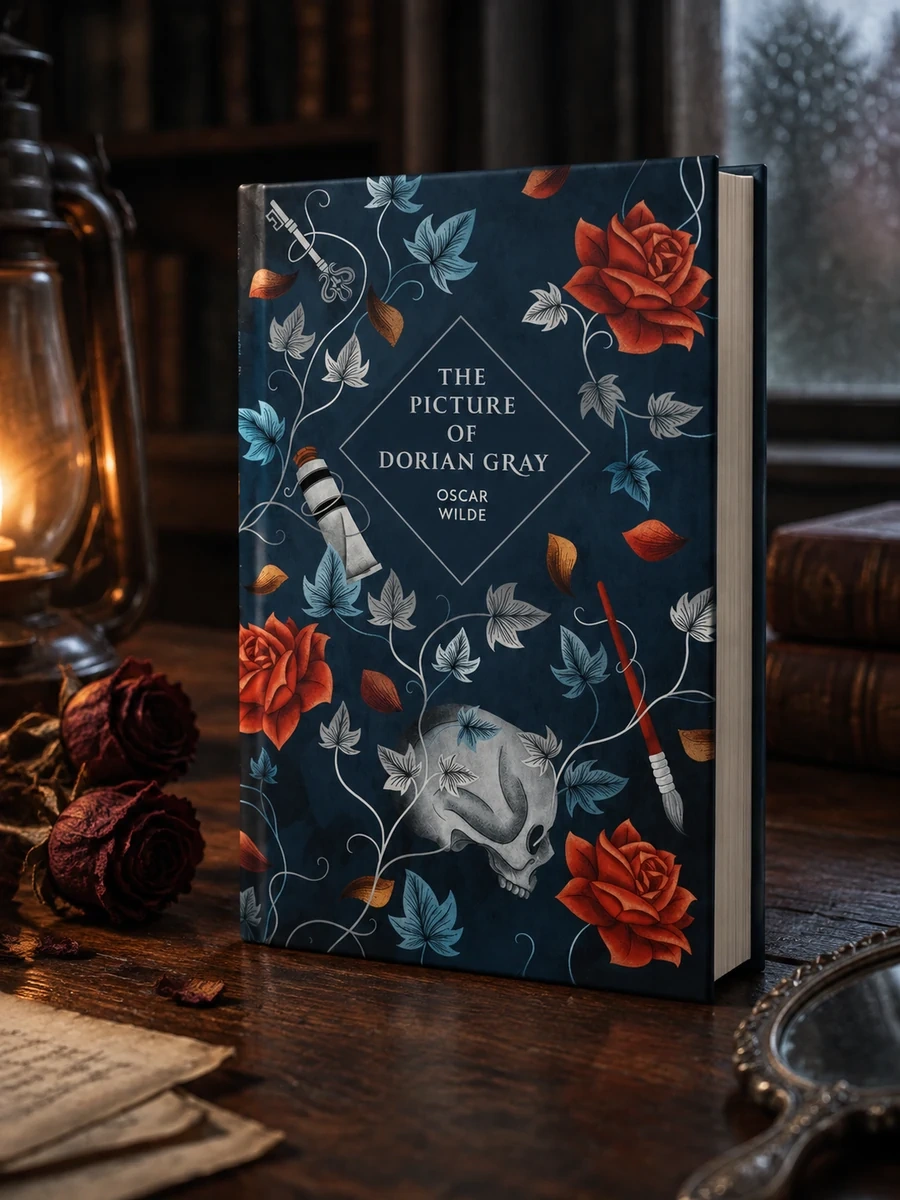
Wilde examines how aesthetic philosophy can justify cruelty. Dorian Gray accepts a wish that transfers aging to his artwork. He then engages in various amoral acts under Lord Henry’s influence. The portrait becomes a hidden record of his sins. This setup allows Wilde to critique the pursuit of beauty above all else. The story remains focused on Dorian’s internal state rather than external action.
This work sits within late nineteenth century literature, reflecting Victorian anxieties about morality and aesthetics. It engages with contemporary debates on art for art's sake and the role of the artist in society.


📝 Description: The Picture of Dorian Gray
💎 Our verdict on The Picture of Dorian Gray
📖 Why choose it
Why this book is worth reading
Readers interested in Victorian literature and philosophical debates about ethics will find this book rewarding. It offers a complex study of vanity, moral responsibility, and the tension between aesthetic pleasure and inner corruption. Those who prefer psychological depth over straightforward adventure plots will appreciate the focus on Dorian’s internal state. The narrative explores how unchecked hedonism leads to decay, providing a nuanced critique of societal values. While it may feel slow to some, the text rewards careful attention with insights into the costs of prioritizing beauty. It is ideal for those seeking a thought-provoking examination of character and consequence rather than external action.
⭐ Reader reviews
Reader rating
Wilde’s gothic masterpiece excels in examining how aesthetic philosophy can justify cruelty through Dorian Gray’s descent into amoral acts. The book does well in maintaining focus on internal decay rather than external events, creating a suspenseful psychological study. It suits readers who enjoy dark fantasy and philosophical horror more than those seeking traditional adventure. The premise of a portrait recording sins effectively masks inner corruption behind physical youth. However, the narrative structure may feel slow to some due to its emphasis on choices over plot. This complex work presents no easy answers but offers a profound look at vanity’s costs. It remains a vital text for understanding the intersection of art, life, and morality in horror fiction.
📖 Read on the blog
✍️ More books by this author Oscar Wilde
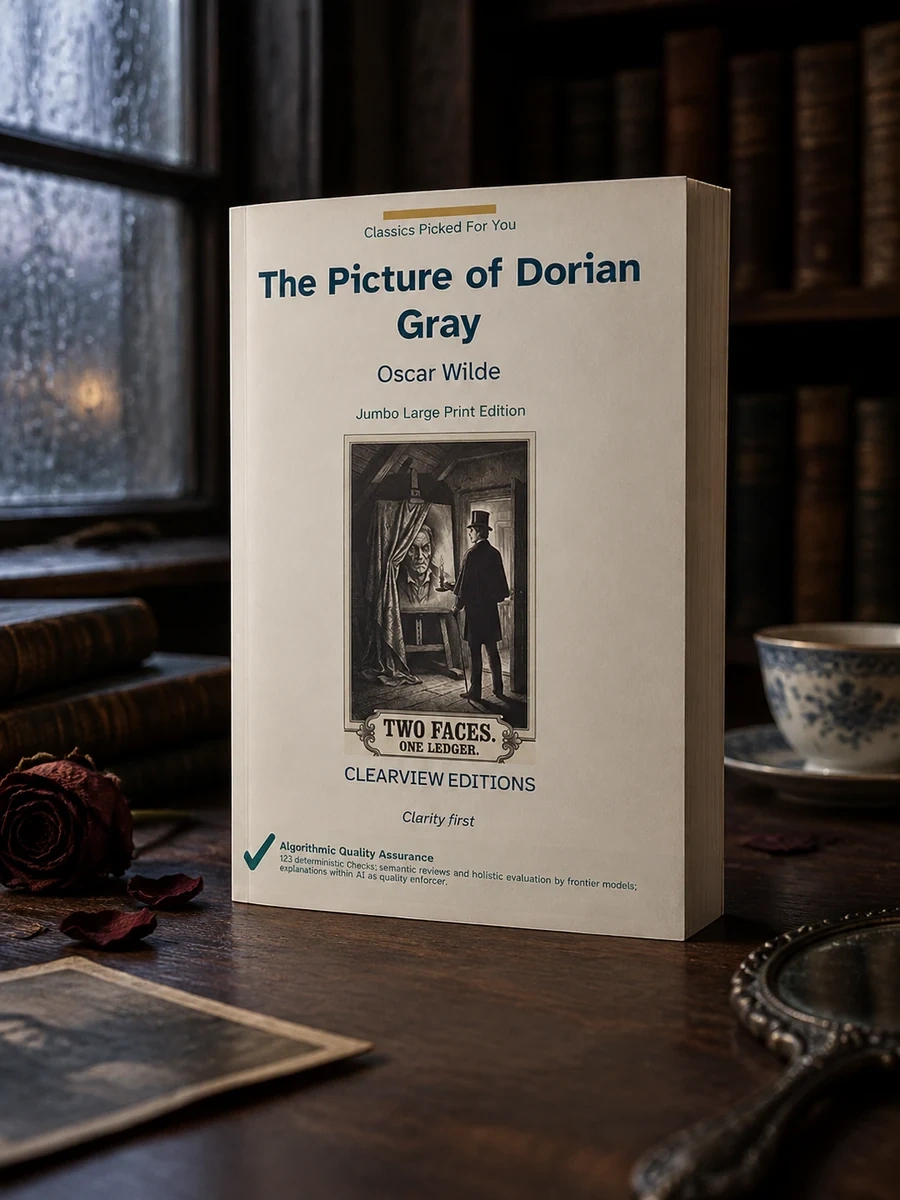


🏛 Books from this publisher Simon & Brown
You might also like
See more →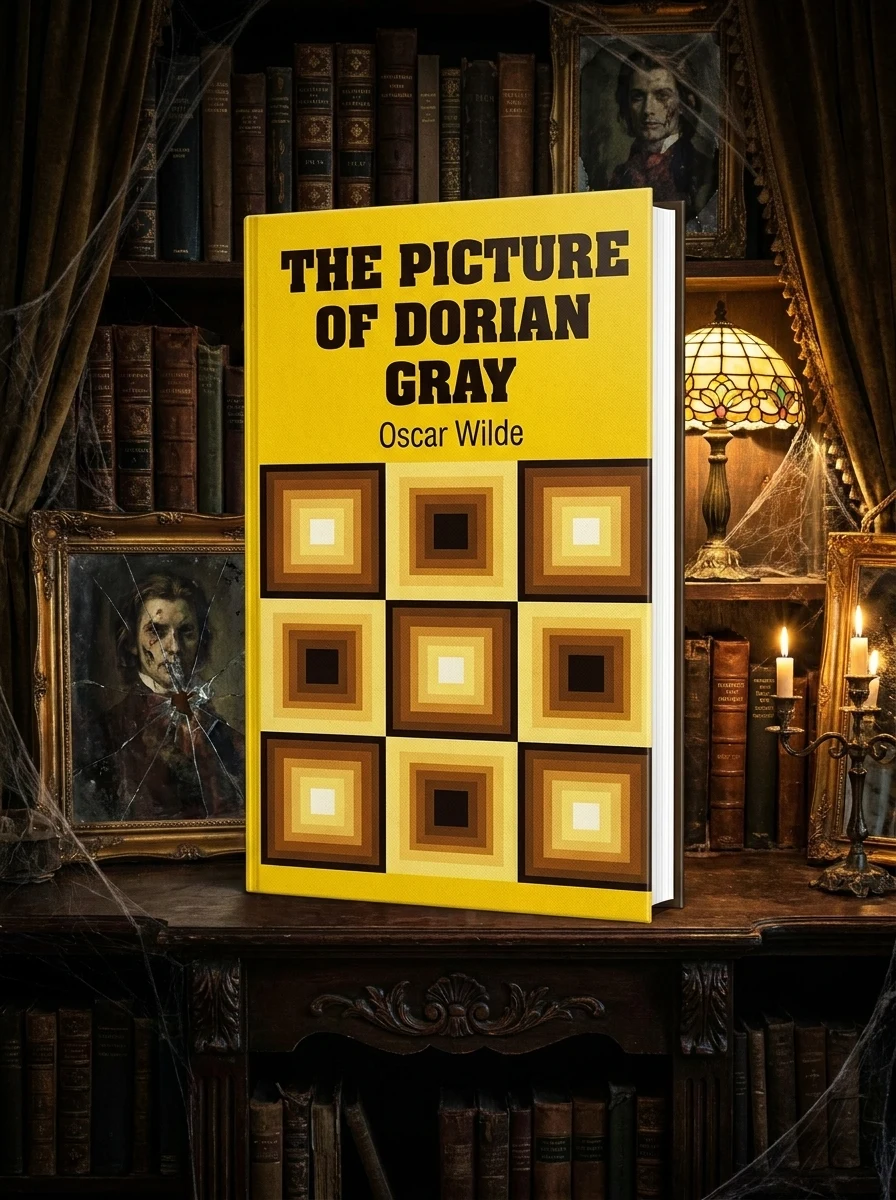


Have a question about this item?
Ask about the edition, condition, delivery or anything else — we reply by email or phone, usually within a day.
