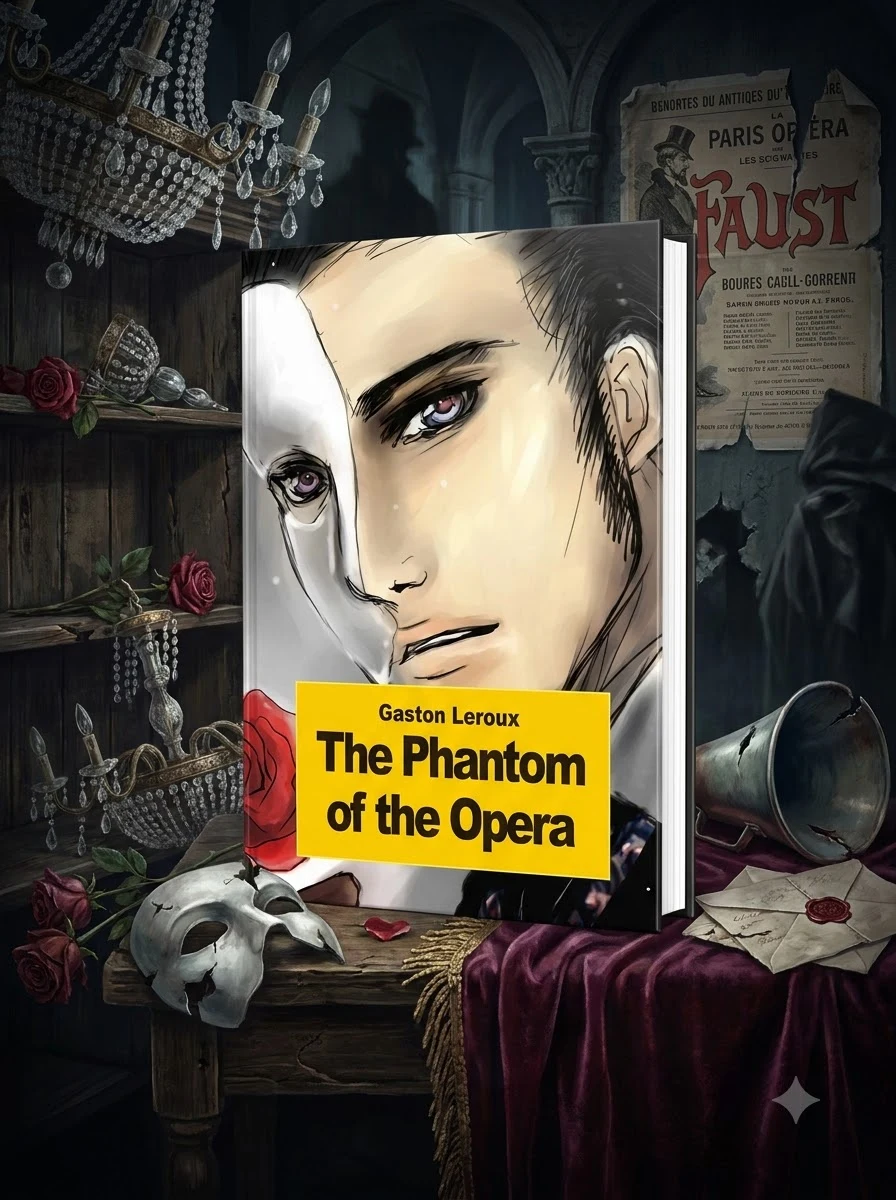
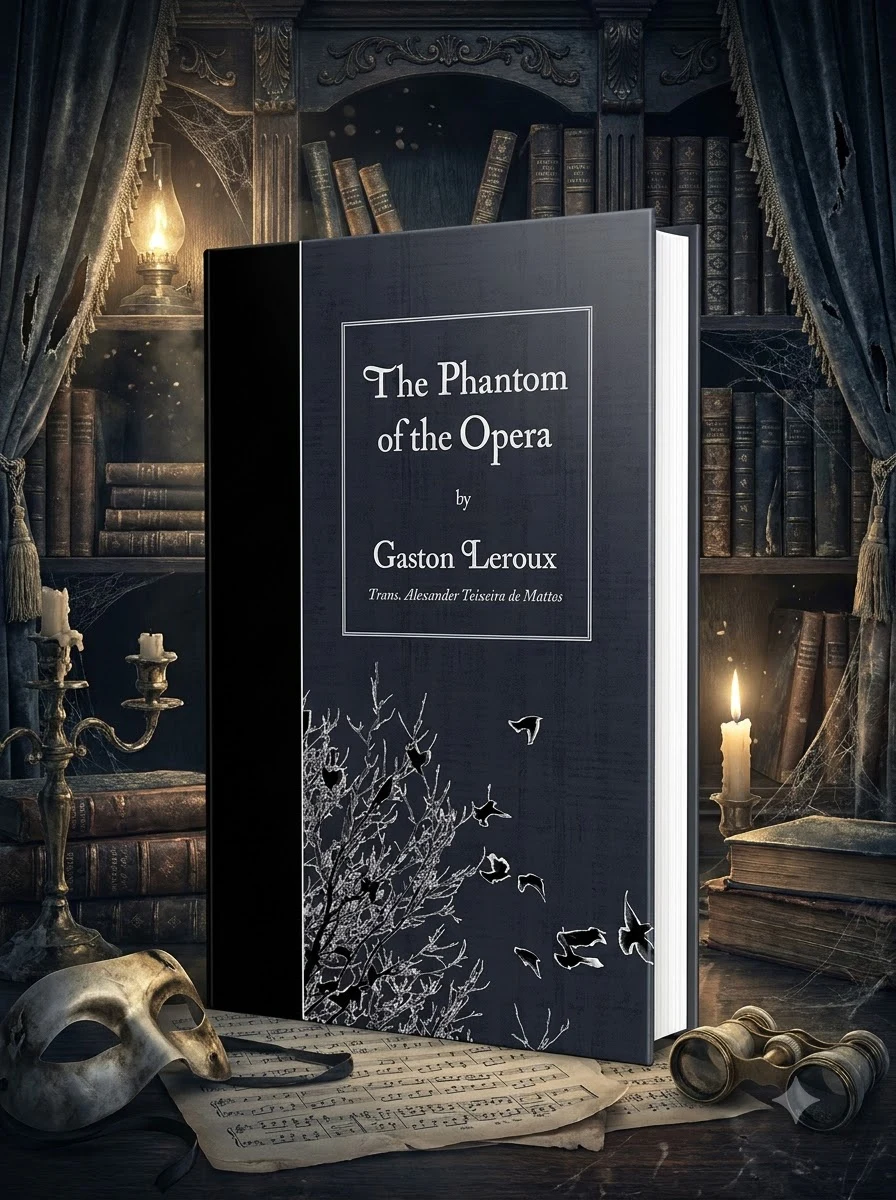
The Phantom of the Opera
A gothic tale of a phantom haunting the Paris Opera during a pivotal performance.
This work examines the intersection of personal history and supernatural fear within a theatrical environment. It tracks the relationship between Christine and Raoul against the backdrop of professional achievement. The narrative highlights the power dynamics between performers and the mysterious figure controlling them from the shadows. By focusing on the night of the gala and the subsequent performance of Faust, the book illustrates how past connections can resurface amidst present danger. The collapse of the chandelier serves as a physical manifestation of the underlying conflict. This structure allows readers to observe the gradual escalation of dread through specific incidents rather than abstract concepts.
The story is set in Paris at the Opera, reflecting late nineteenth-century theatrical culture. It draws on gothic traditions of hidden monsters and haunted buildings. The narrative engages with the era's fascination with the supernatural and the dramatic arts.


📝 Description: The Phantom of the Opera
💎 Our verdict on The Phantom of the Opera
📖 Why choose it
Why this book is worth reading
Readers who appreciate the atmospheric tension of gothic horror will find value in this narrative's focus on the psychological interplay between performers and an unseen controller. It suits those interested in stories where professional ambition collides with supernatural threat, particularly within the unique setting of a Parisian opera house. The book appeals to fans of dramatic, character-driven horror that emphasizes immediate interactions over abstract concepts. Those who enjoy tales of mysterious figures manipulating events from the shadows will find the escalation of dread through specific, tangible incidents engaging. It offers a straightforward exploration of power dynamics between artists and the phantom, providing a clear view of how past connections resurface amidst present danger without requiring complex historical knowledge or appreciation for modern reinterpretations.
⭐ Reader reviews
Reader rating
The narrative effectively establishes a sense of impending doom by anchoring supernatural elements within the high-stakes environment of the Paris Opera. By focusing on the pivotal performance of Faust and the subsequent chaos, the text creates a palpable atmosphere of fear through concrete events rather than vague suggestions. The collapse of the chandelier serves as a powerful physical manifestation of the underlying conflict between Christine, Raoul, and the phantom. This approach allows the dread to escalate gradually, making the horror feel immediate and visceral. The work is best suited for readers who enjoy classic gothic tales with strong theatrical settings and clear power dynamics. It succeeds in highlighting the tension between artistic ambition and hidden threats, offering a compelling look at how past affections can complicate present dangers in a world controlled by mysterious forces.
📖 Read on the blog
✍️ More books by this author Alexander Teixeira De Mattos
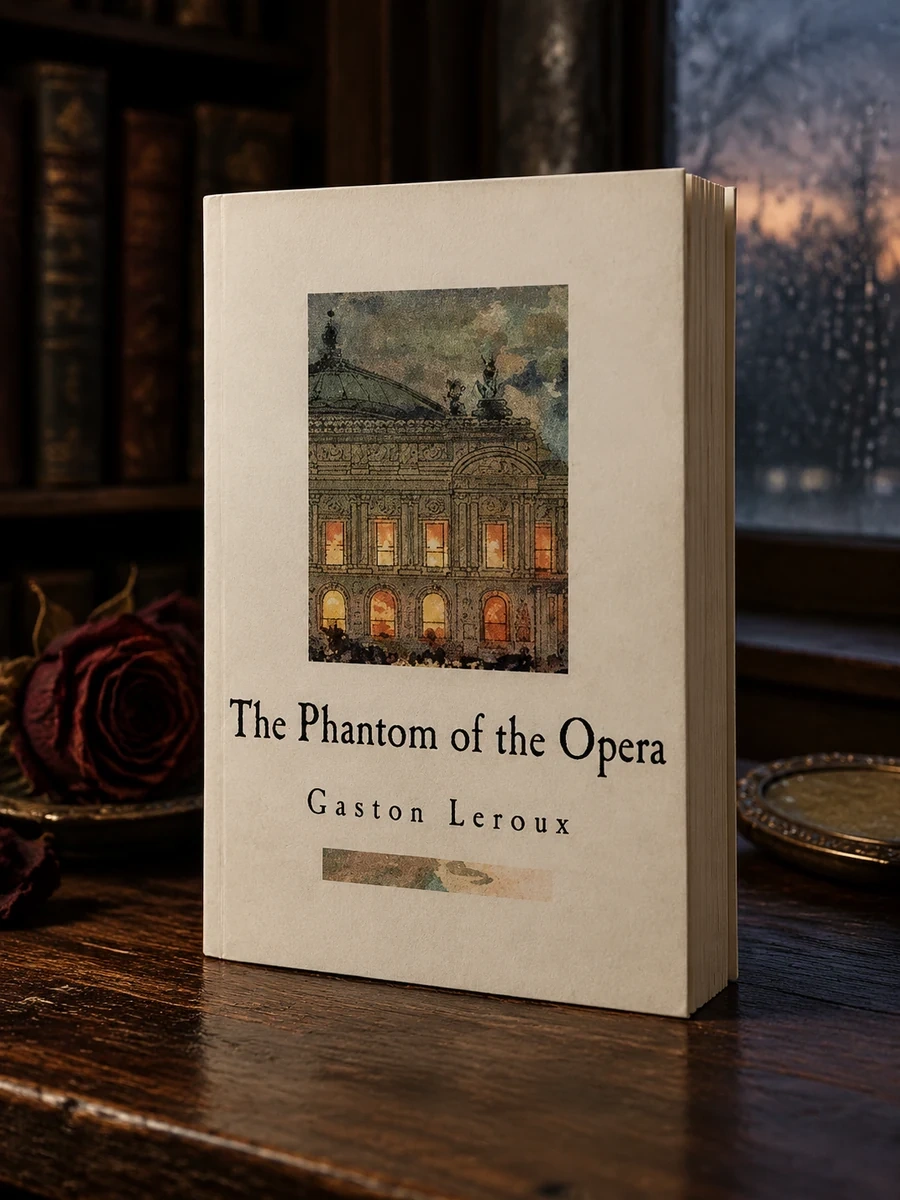



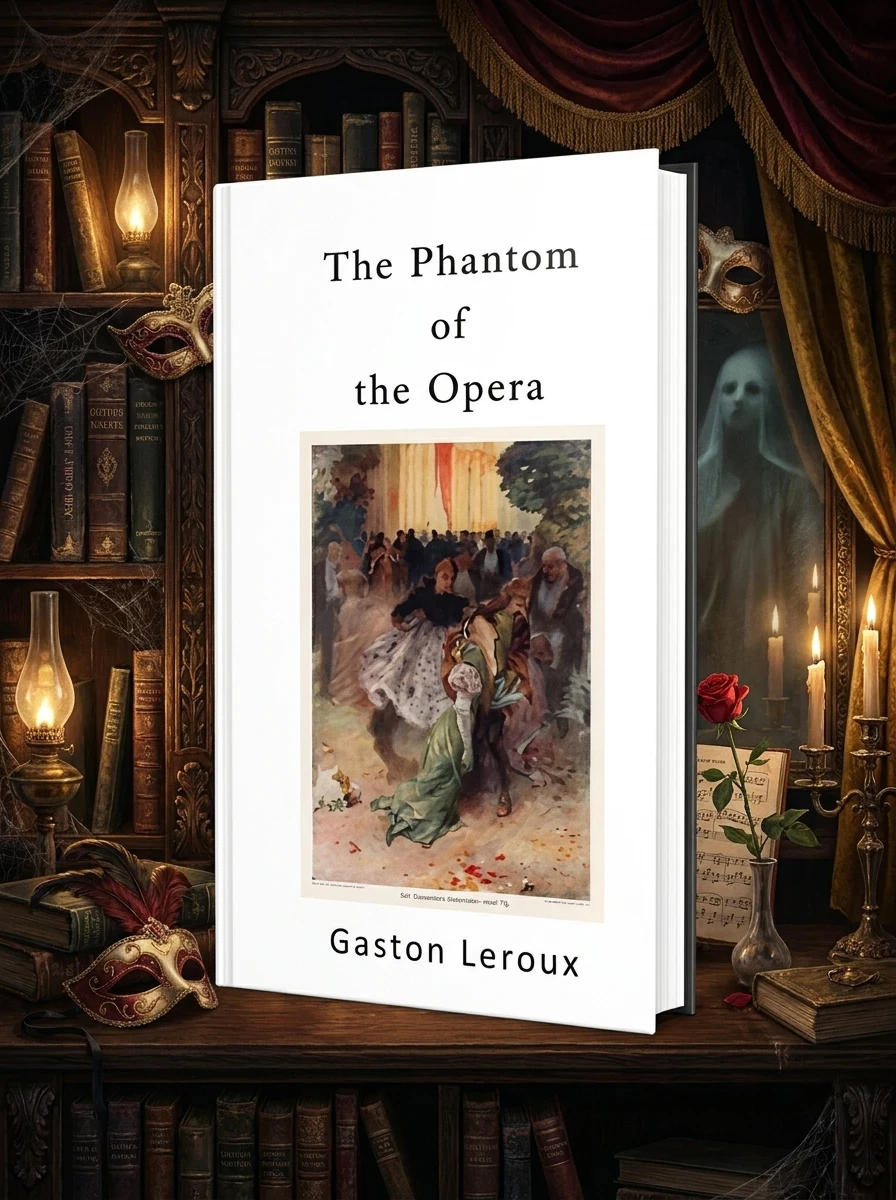
🏛 Books from this publisher Createspace Independent Publishing Platform





You might also like
See more →



Have a question about this item?
Ask about the edition, condition, delivery or anything else — we reply by email or phone, usually within a day.
