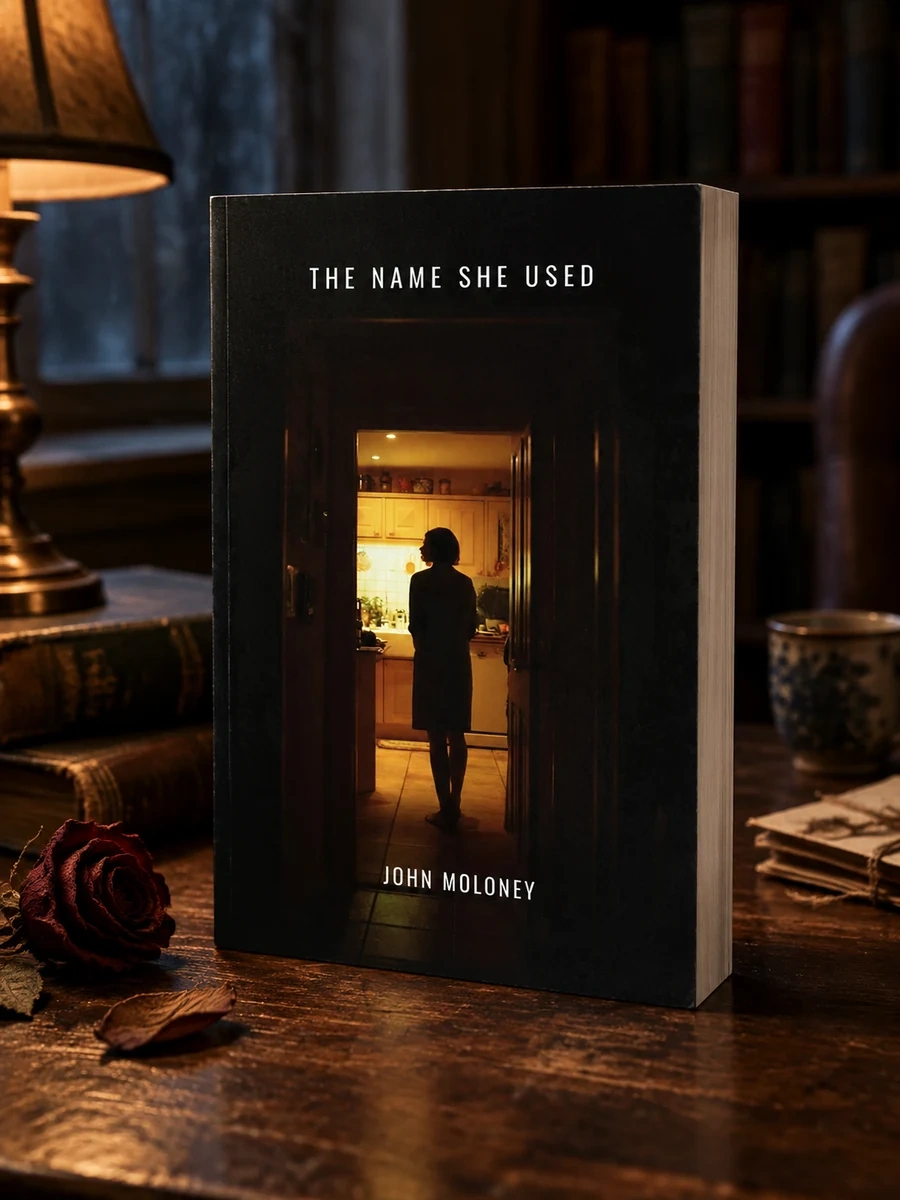
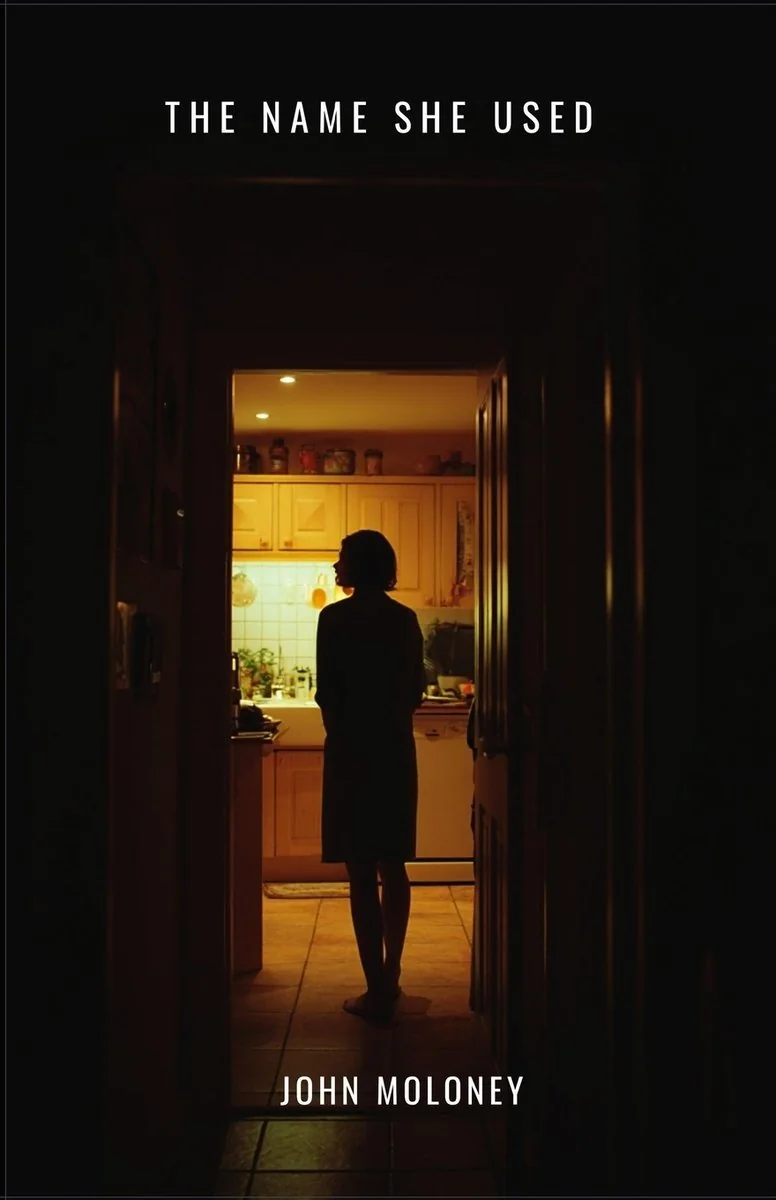
The Name She Used
A mother returns to her haunted childhood home and finds tapes that are not memories but an active presence.
Claire navigates the aftermath of her divorce and her mother's death by returning to the family estate. She is accompanied by her daughter Maisie, who becomes a silent witness to the unfolding events. The core of the plot involves the discovery of labeled cassette tapes stored in every room. These recordings are not passive archives but active agents that seem to be going through Claire. The narrative explores themes of inheritance and the weight of the past. It examines how grief can manifest as physical presence within a domestic space. The story does not offer easy answers or closure, instead leaving the reader with a sense of lingering unease about what remains in the house.
The Name She Used sits within the contemporary American independent publishing landscape, released in 2026. It draws on the long tradition of gothic fiction where the home becomes a site of supernatural terror. The story reflects modern anxieties about family dynamics and the lingering impact of parental relationships.


📝 Description: The Name She Used
💎 Our verdict on The Name She Used
📖 Why choose it
Why this book is worth reading
Readers who appreciate atmospheric horror and psychological tension will find this narrative deeply resonant. Those interested in the intersection of grief and supernatural intrusion will engage with Claire’s internal struggle against an active, invasive past. The book offers a claustrophobic experience for fans of slow-burn dread rather than sudden shocks. It appeals to audiences seeking stories about familial trauma where the setting itself becomes a character. Readers who prefer lingering unease over easy closure will value its exploration of how memory can become a physical burden.
⭐ Reader reviews
Reader rating
Moloney crafts a chilling narrative by using labeled cassette tapes as active agents rather than passive archives. The chronological structure amplifies psychological tension, drawing on gothic traditions of domestic haunting. The isolation of the estate heightens the sense of dread, making the past feel immediate and invasive. This approach suits fans of atmospheric horror who enjoy exploring unresolved grief through supernatural metaphors. The tight focus on Claire’s internal state creates a claustrophobic atmosphere ideal for those who prefer slow-burn storytelling. It effectively examines inheritance and the weight of history without offering easy answers.
📖 Read on the blog
🏛 Books from this publisher Independently Published








You might also like
See more →

Have a question about this item?
Ask about the edition, condition, delivery or anything else — we reply by email or phone, usually within a day.
