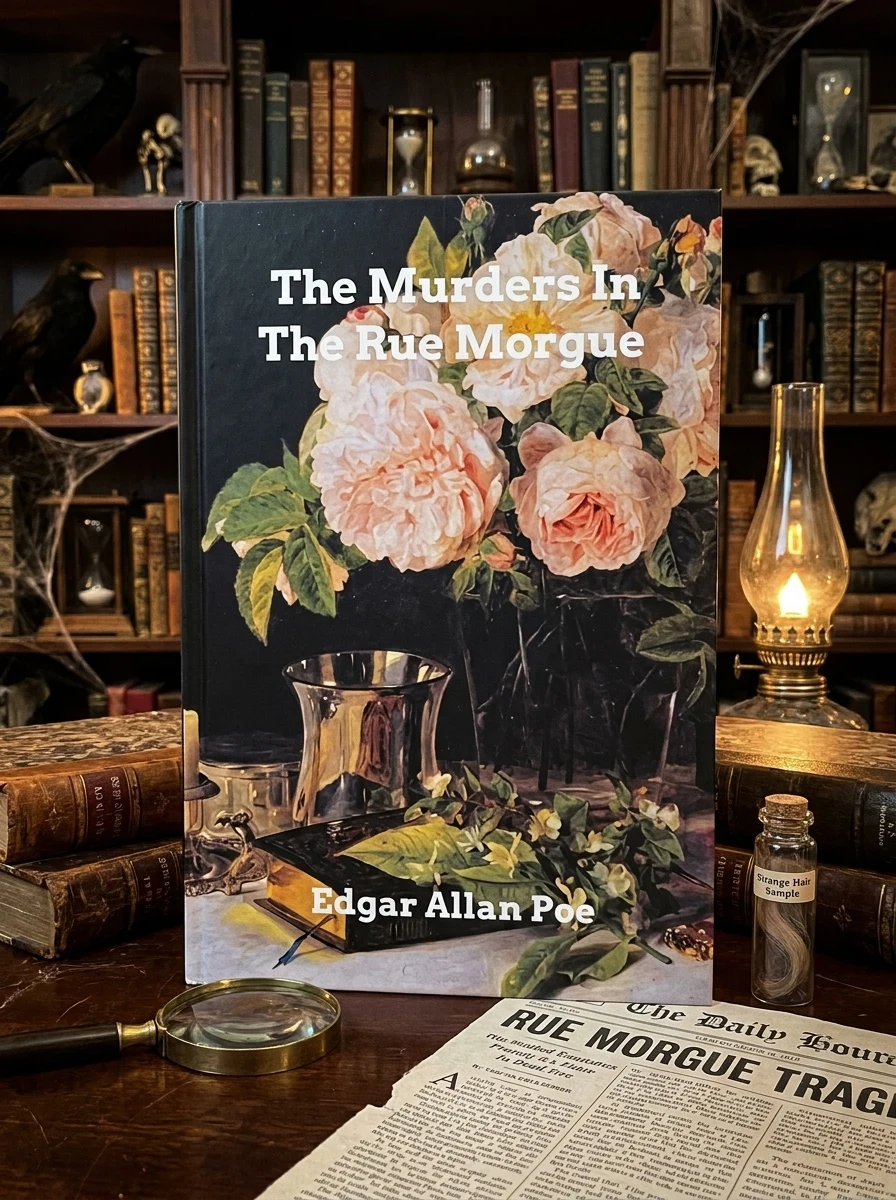
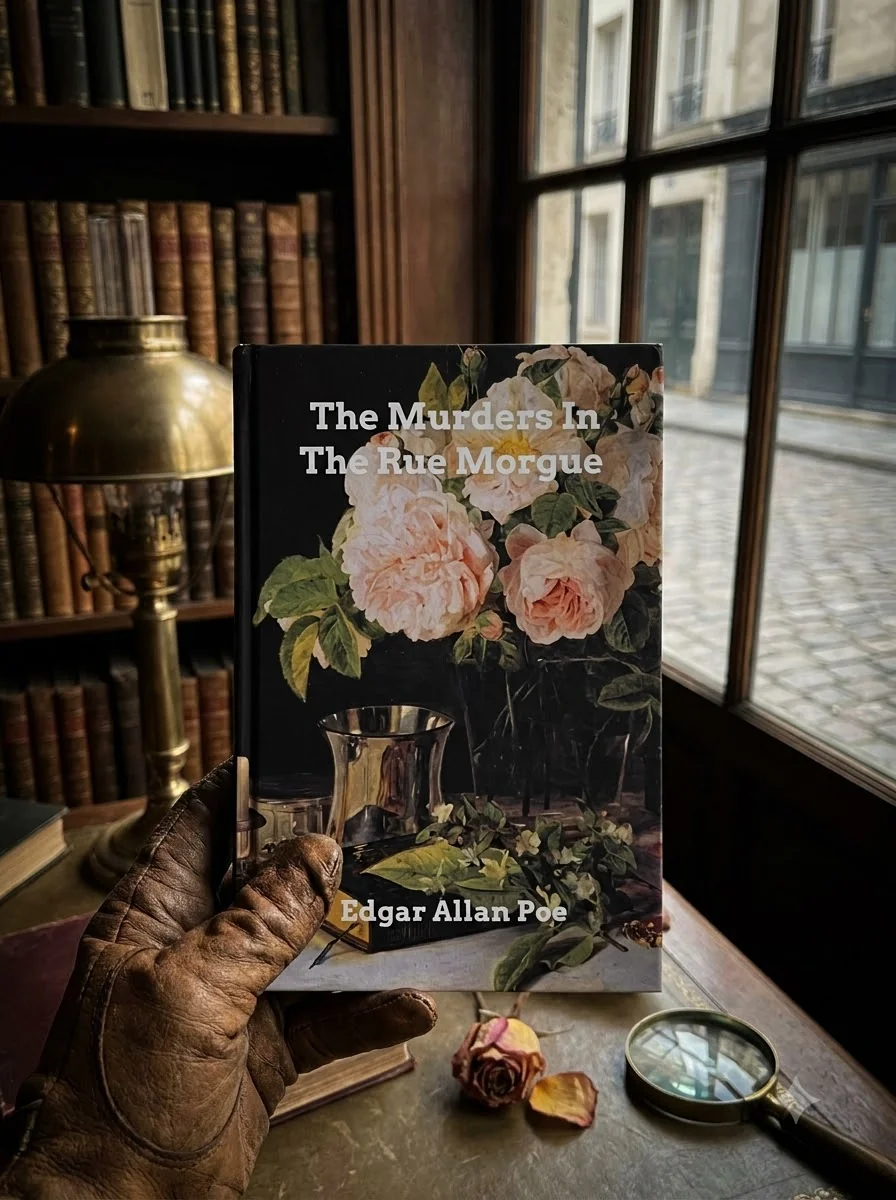
The Murders In The Rue Morgue
Edgar Allan Poe's 1841 story introducing the first fictional detective C. Auguste Dupin.
This volume presents Poe's tale of ratiocination, focusing on the intellectual process of solving a crime rather than mere action. The narrative follows Dupin as he analyzes contradictory witness accounts and physical evidence like a non-human hair. The structure reveals the solution before explaining the logical steps taken to reach it. This approach influenced many later characters in the mystery genre. The story is set in Paris, providing a specific atmospheric backdrop for the investigation. Readers will find a detailed examination of how Dupin uses his intellect to uncover the truth behind the brutal murders. The text highlights the relationship between the detective and his narrator friend. It serves as a foundational piece for understanding the evolution of detective fiction in literature.
Poe published this tale in Graham's Magazine in 1841. He classified it among his tales of ratiocination. The story is recognized as the first modern detective story. It established literary conventions for subsequent fictional detectives like Sherlock Holmes and Hercule Poirot.


📝 Description: The Murders In The Rue Morgue
💎 Our verdict on The Murders In The Rue Morgue
📖 Why choose it
Why this book is worth reading
Readers interested in the origins of detective fiction and the evolution of psychological horror will find this volume essential. It offers a unique glimpse into the development of C. Auguste Dupin, a character who sets the template for future iconic sleuths. The narrative prioritizes ratiocination over action, appealing to those who enjoy analyzing contradictory evidence and complex logical puzzles. Those fascinated by the atmospheric backdrop of Paris and the intellectual relationship between the detective and his narrator will appreciate the detailed examination of the investigative process. This book is ideal for scholars and enthusiasts seeking to understand how Poe’s model influenced subsequent mystery writing and the broader literary landscape.
⭐ Reader reviews
Reader rating
Poe’s narrative excels in its intricate construction, presenting a puzzle that demands intellectual engagement rather than passive consumption. The story effectively utilizes the Parisian setting to enhance the eerie atmosphere surrounding the brutal crimes. By revealing the solution before explaining the logical steps, Poe invites readers to appreciate the mechanics of deduction. This approach highlights the detective's superior intellect and the narrator’s role as an observer. While it may not satisfy those seeking fast-paced action, it rewards patience with a profound exploration of truth and reason. The text remains relevant for its historical significance and its enduring influence on the mystery genre, making it a vital read for understanding literary evolution.
📖 Read on the blog
✍️ More books by this author Edgar Allan Poe


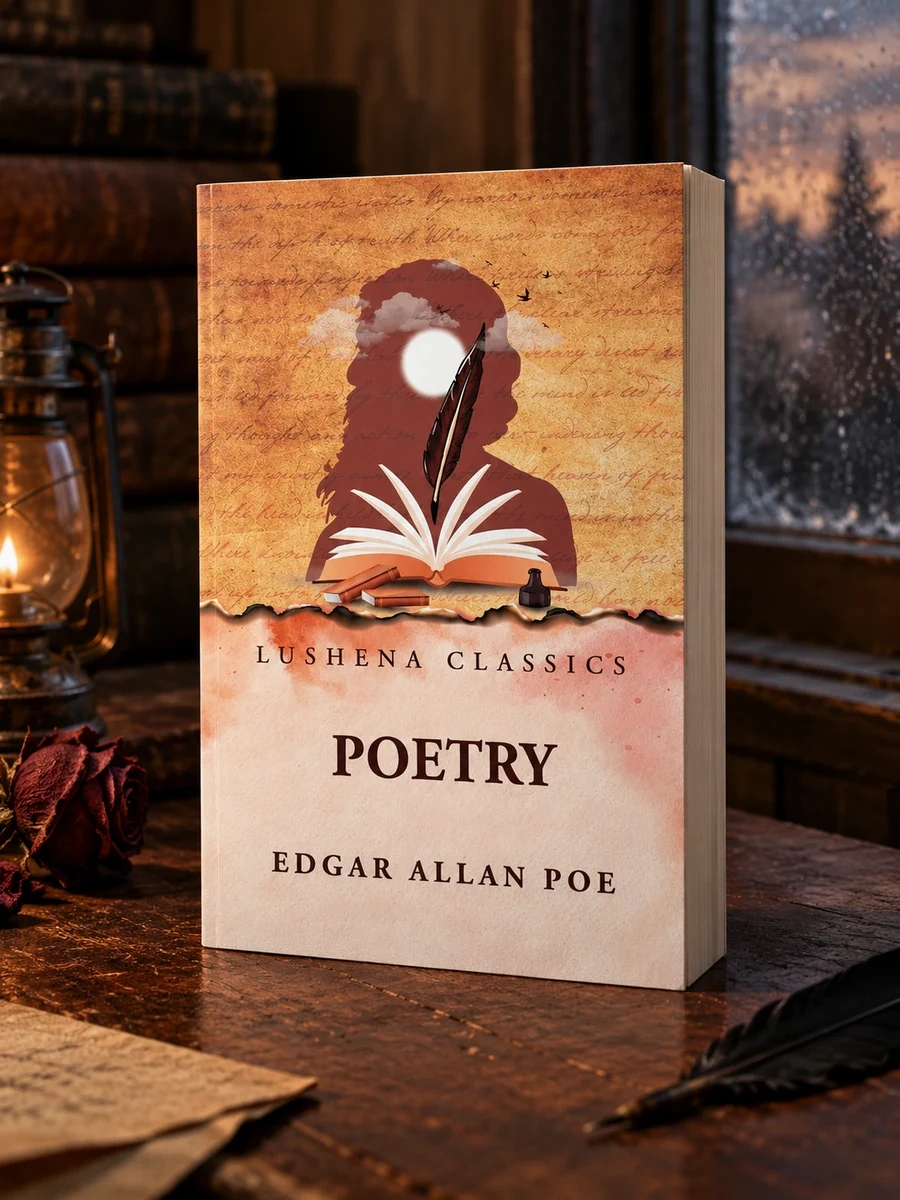

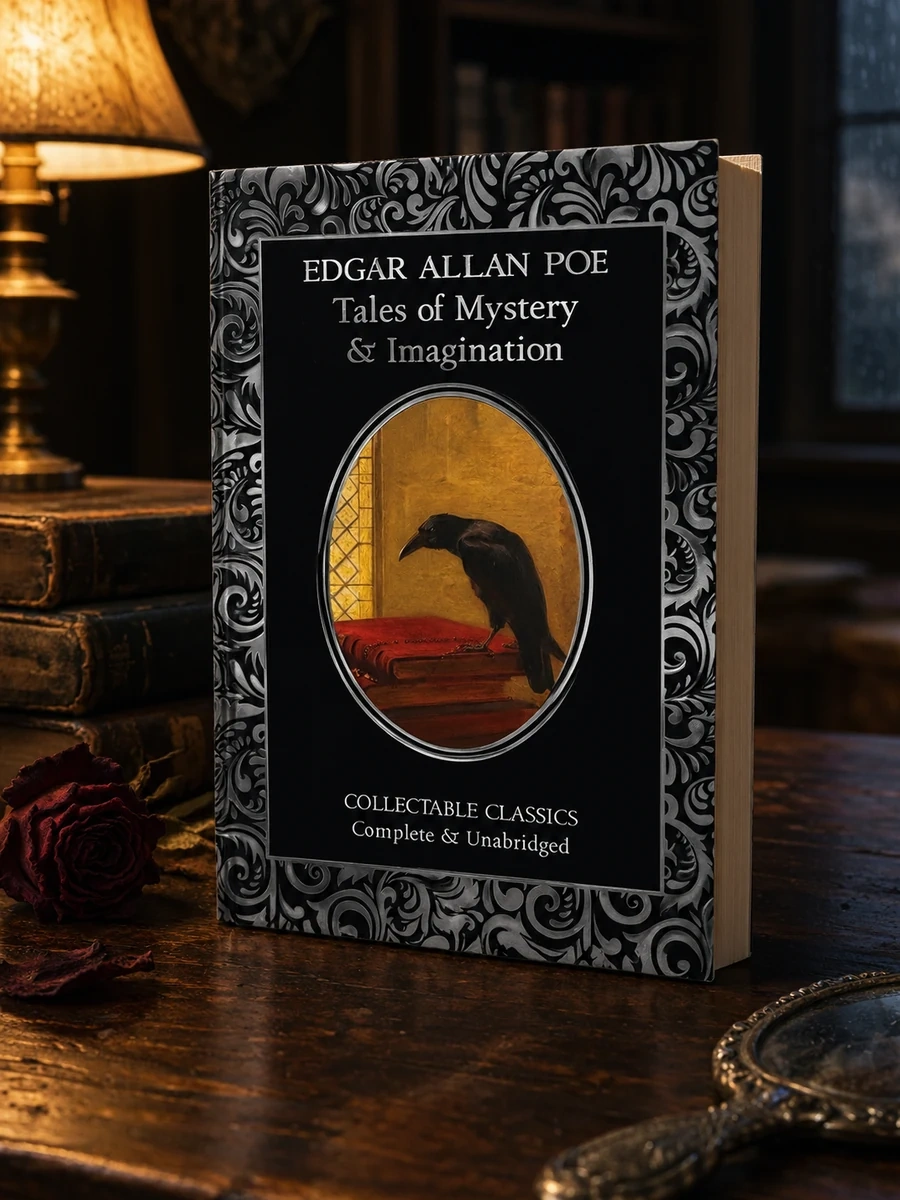

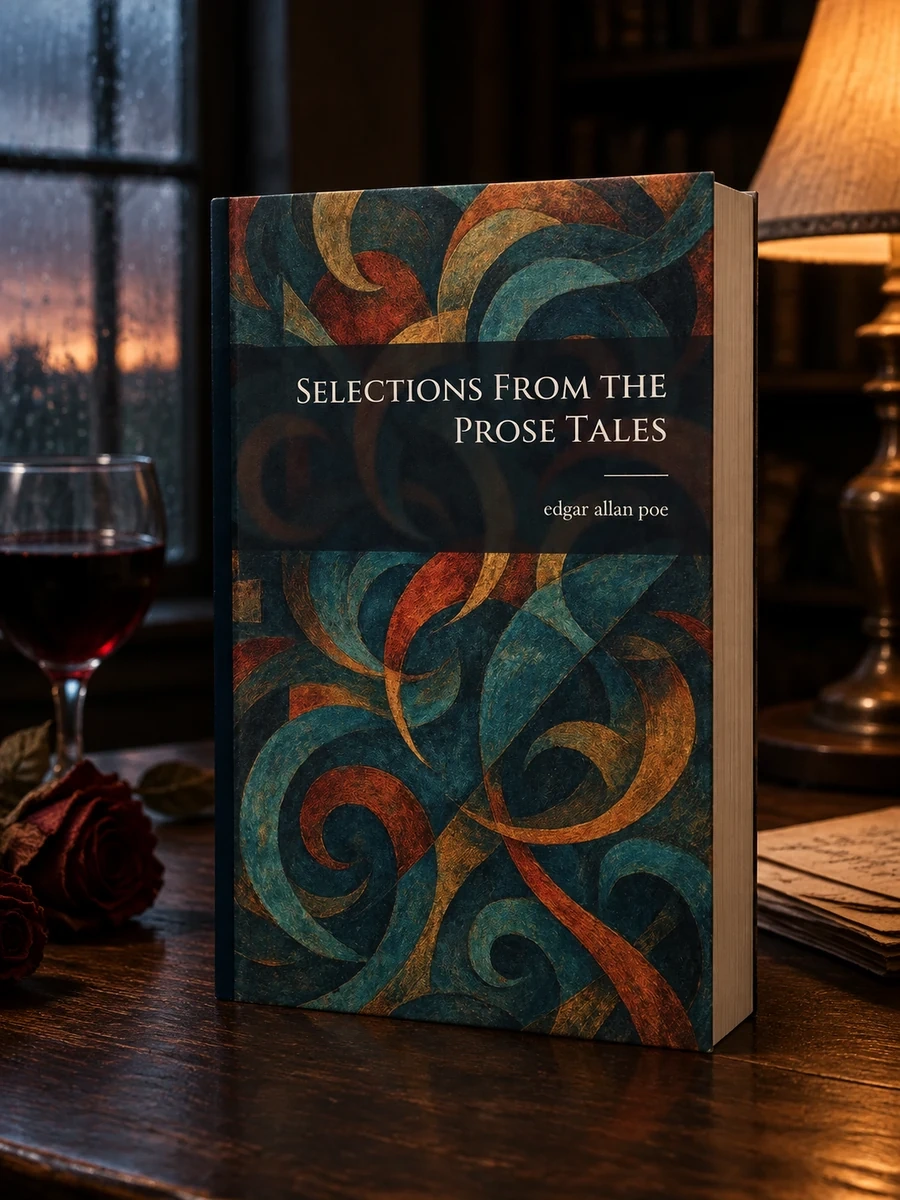
🏛 Books from this publisher Blurb


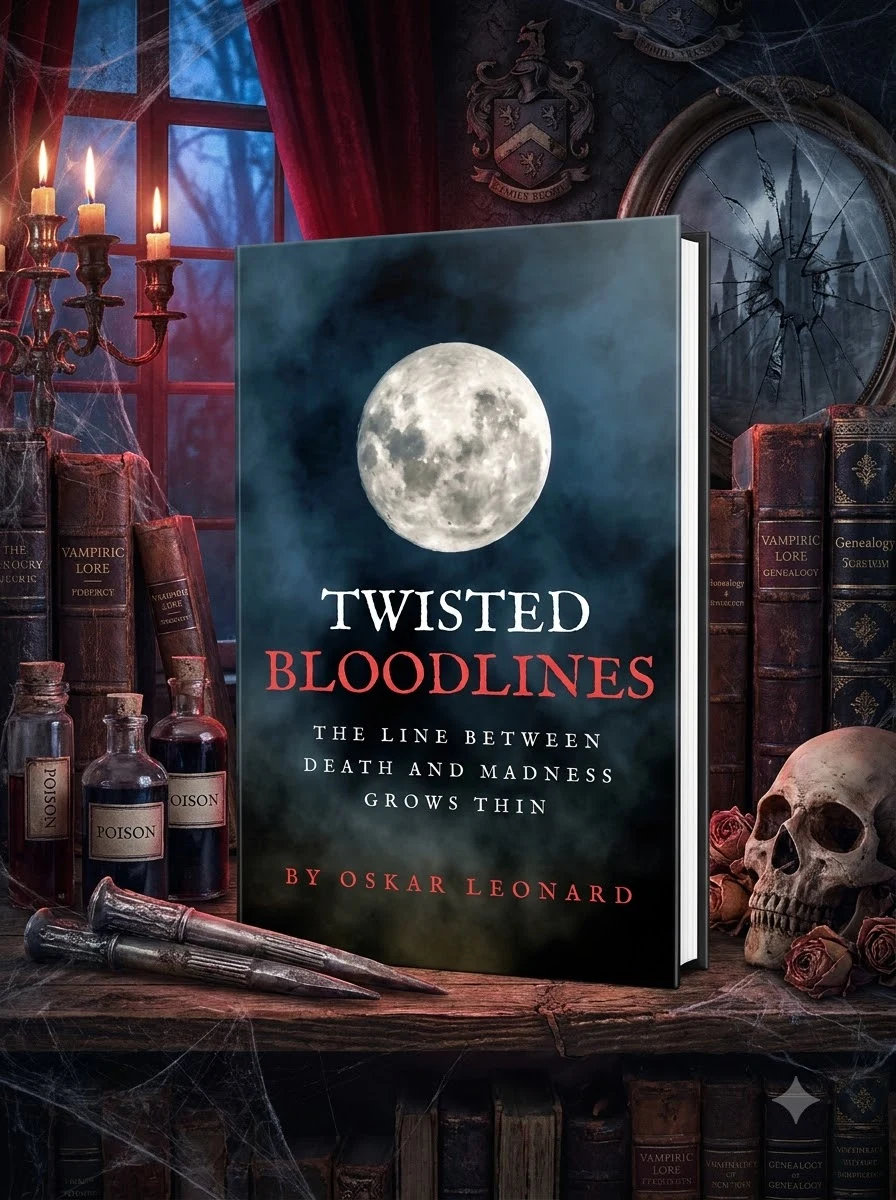


You might also like
See more →
Have a question about this item?
Ask about the edition, condition, delivery or anything else — we reply by email or phone, usually within a day.
