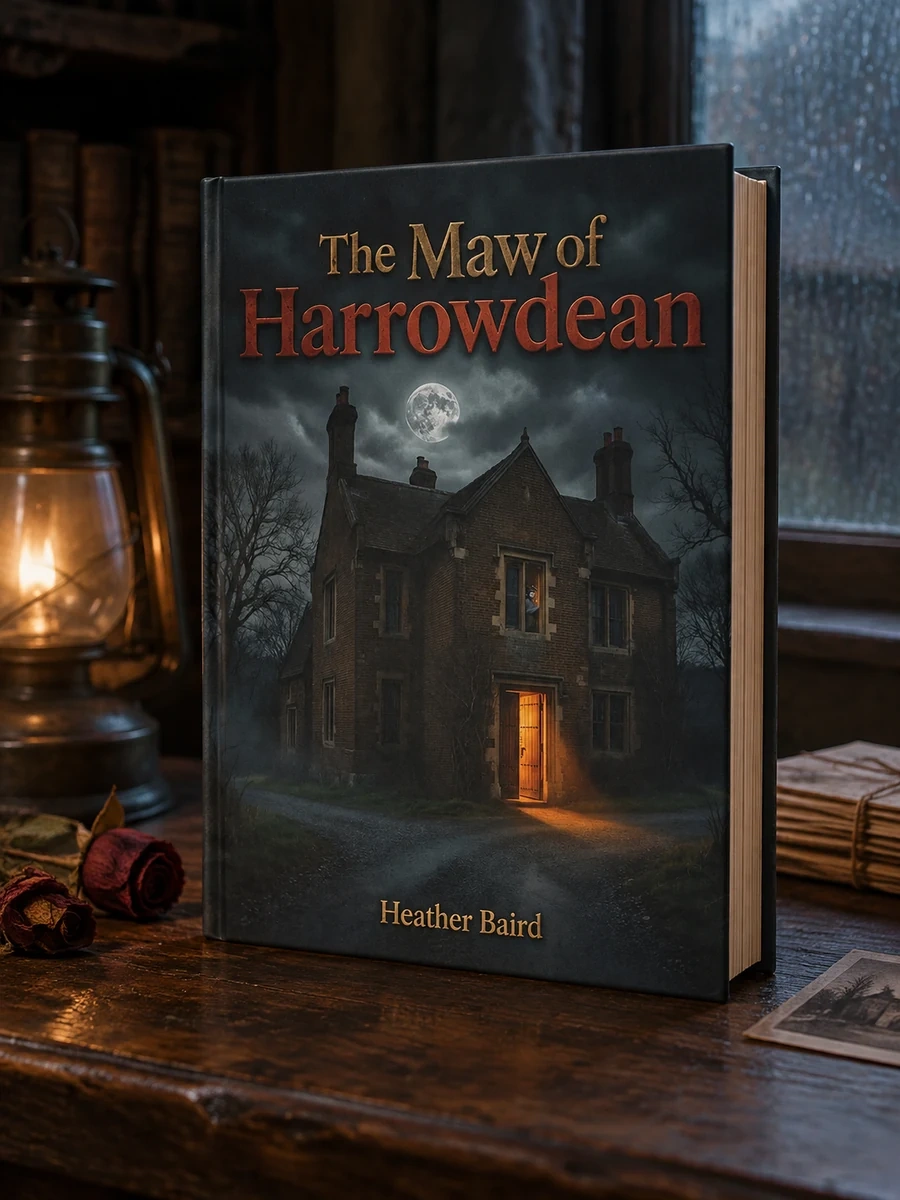
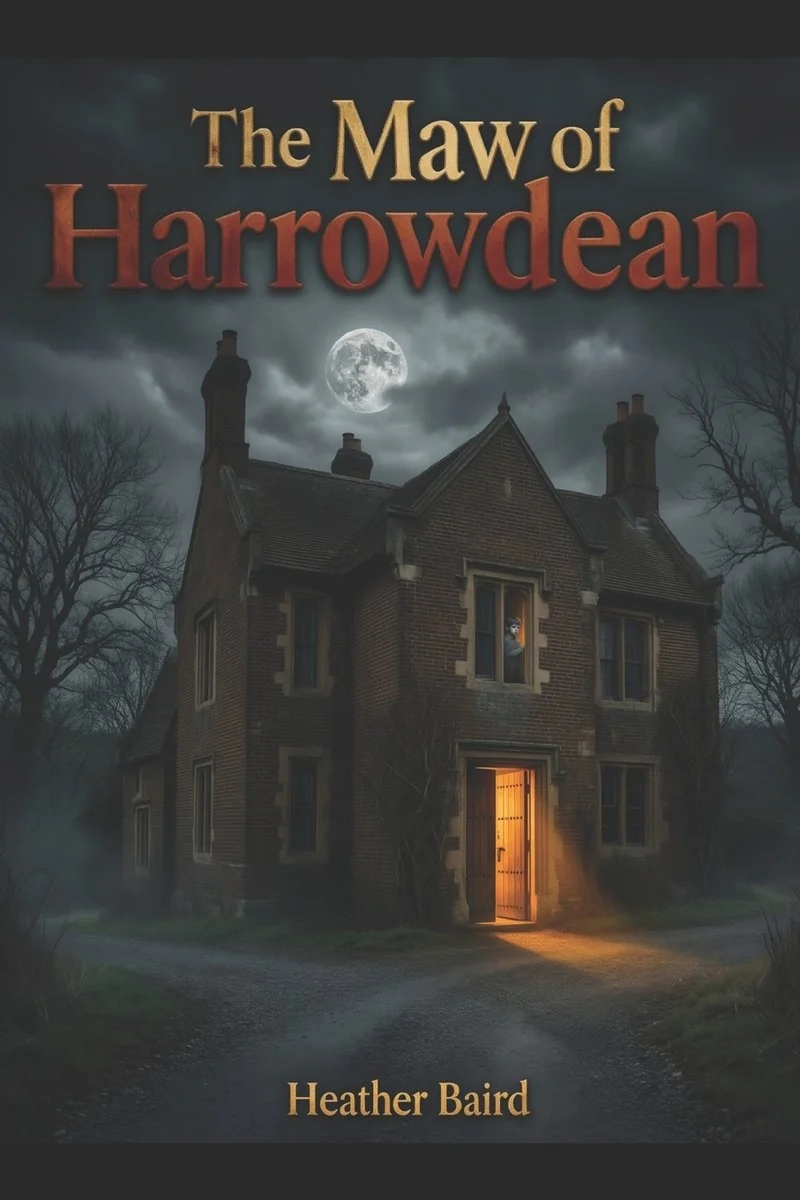
The Maw of Harrowdean
A surveyor confronts a house that grows doors and demands a child every seventy years.
Cochrane explores the terrifying concept of architecture as a living entity with its own agenda. The story follows Dr. Fenn Cawley, whose life work involves understanding what structures communicate through their walls. When he enters Harrowdean House, built in 1623, he encounters evidence that contradicts standard architectural principles. The house has been waiting for someone capable of reading its changes. Key elements include the discrepancy in corridor measurements and the specific tally marks left in a nursery. The narrative emphasizes the house’s long-term strategy rather than immediate violence. It highlights the psychological weight of a building that has existed for four hundred years and continues to evolve. Cawley faces a choice that challenges his professional detachment and personal history.
The book draws on the tradition of haunted house fiction, specifically focusing on Gothic architectural horror. It references the year 1623 as the origin point for the building’s history and examines the supernatural implications of structures that defy physical laws over four centuries. The narrative sits within the genre of supernatural thrillers that treat buildings as active participants in human tragedy.


📝 Description: The Maw of Harrowdean
💎 Our verdict on The Maw of Harrowdean
📖 Why choose it
Why this book is worth reading
Readers who appreciate the slow-burn tension of psychological horror and the specific subgenre of architectural dread will find this work deeply engaging. The narrative offers a unique perspective by framing the house not merely as a setting, but as an ancient, calculating entity with its own long-term agenda. Those interested in the intersection of professional expertise and irrational phenomena will value Dr. Cawley’s journey from detached surveyor to participant in a centuries-old ritual. This book is ideal for audiences who prefer atmospheric buildup over visceral gore, seeking a story that challenges the boundary between rational observation and supernatural inevitability through the lens of a living structure.
⭐ Reader reviews
Reader rating
Cochrane effectively constructs a narrative where the house itself acts as the primary antagonist, utilizing its four-century history to create a sense of inescapable weight. The concept of architecture as a living entity with a specific agenda provides a fresh take on traditional hauntings, replacing jump scares with creeping existential dread. By focusing on anomalies like expanding corridors and tally marks, the text maintains a consistent tone of intellectual horror. This approach suits readers who enjoy psychological complexity and the uncanny valley of familiar spaces becoming hostile. It is a compelling choice for those who value atmosphere and thematic depth over fast-paced action or conventional ghost story resolutions.
📖 Read on the blog
🏛 Books from this publisher Independently Published








You might also like
See more →

Have a question about this item?
Ask about the edition, condition, delivery or anything else — we reply by email or phone, usually within a day.
