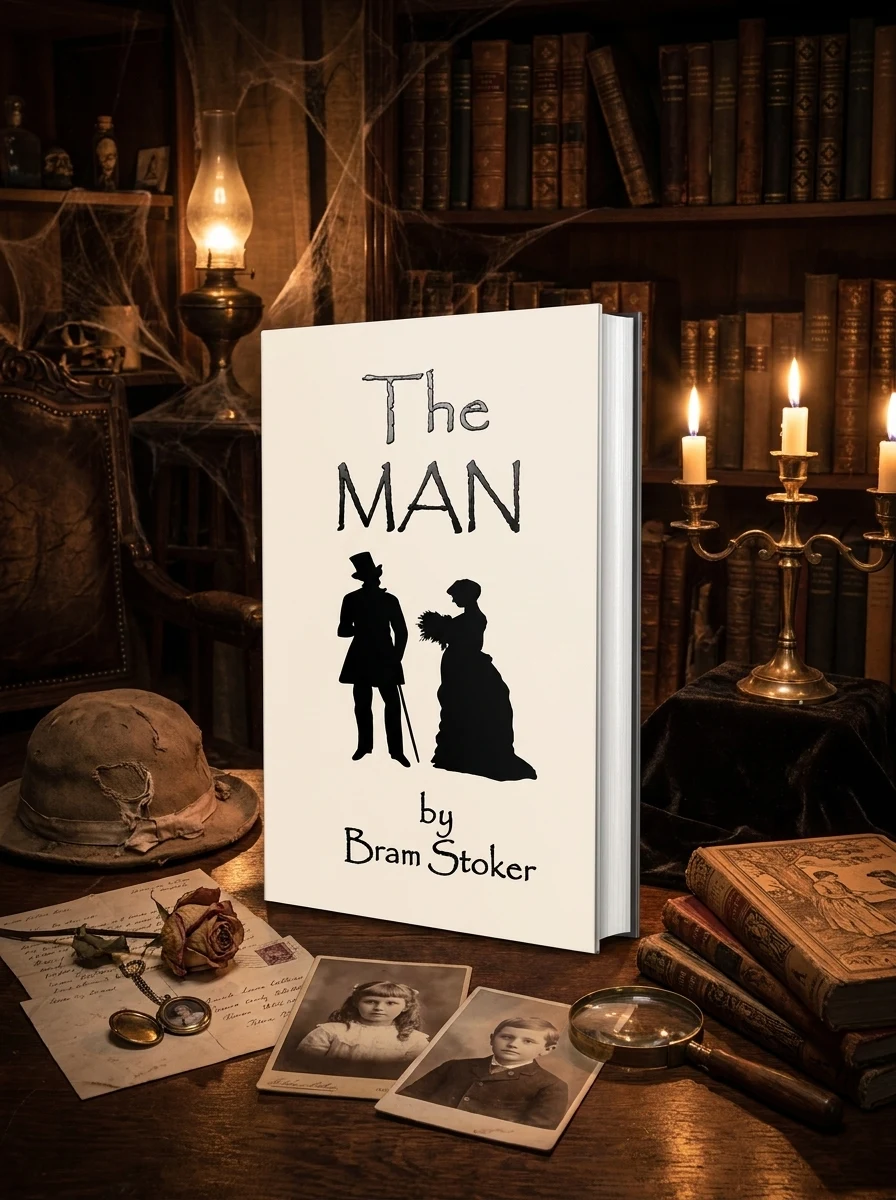
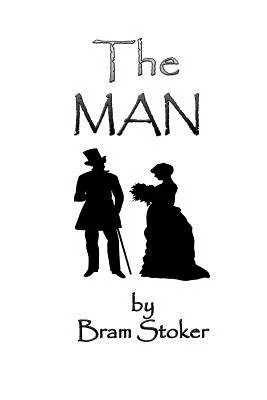
The Man
A classic romance by Bram Stoker featuring illustrated scenes and the story of Stephen.
This volume collects Bram Stoker’s The Man, a work distinct from his horror fame. It follows Stephen, a woman raised with her father’s wish for a son, who falls in love with a male friend from childhood. Russell Lee has compiled this edition with added pictures and illustrations. The text offers a look at Stoker’s romantic side, contrasting with his Dracula legacy. It is organized to present the story alongside visual aids. This format appeals to those studying Stoker’s diverse genres. Readers looking for pure horror might prefer his other novels. Those interested in character-driven romance from this period will find value here.
Bram Stoker is known for Dracula. This 2014 edition by Russell Lee highlights his romantic fiction. It contrasts with his horror reputation. The work reflects late nineteenth-century literary trends. It offers a different perspective on Stoker's career beyond supernatural themes.


📝 Description: The Man
💎 Our verdict on The Man
📖 Why choose it
Why this book is worth reading
Readers interested in exploring the breadth of Bram Stoker’s literary output beyond his horror masterpiece will find this volume particularly valuable. It offers a unique glimpse into his lesser-known romantic fiction, focusing on character development and emotional depth rather than supernatural terror. The narrative centers on Stephen, a woman raised with her father’s wish for a son, as she navigates complex feelings for a childhood friend. This edition is ideal for collectors or fans who appreciate illustrated versions of classic literature, as it includes added pictures to complement the text. It serves as an essential bridge between Stoker’s famous horror legacy and his romantic works, allowing readers to understand his versatility as a writer. Those seeking pure horror may prefer his other novels, but this book provides necessary context for his transition from horror to romance.
⭐ Reader reviews
Reader rating
This edition successfully highlights Bram Stoker's range as an author, moving away from the shadows of Dracula into the nuanced territory of classic romance. The story follows Stephen’s emotional journey, offering a fresh perspective on Victorian character dynamics. The inclusion of illustrations enhances the reading experience, providing visual context that appeals to collectors and students of Stoker’s diverse genres. While it may not satisfy those seeking traditional gothic tales or modern horror, it stands as a significant artifact for understanding the author's versatility. The format is organized to present the story alongside visual aids, making it accessible for readers studying Stoker’s literary evolution. It is a thoughtful addition for anyone interested in character-driven romance from this period.