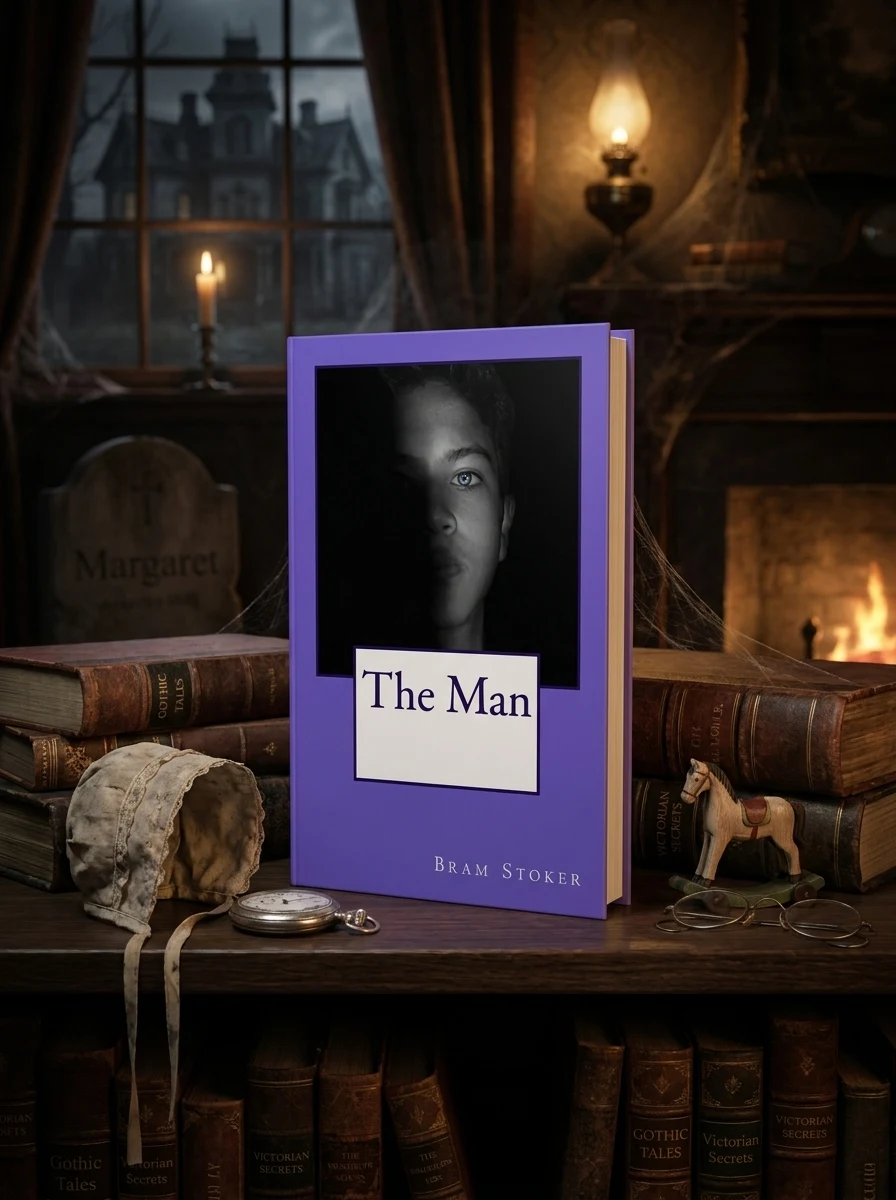
The Man
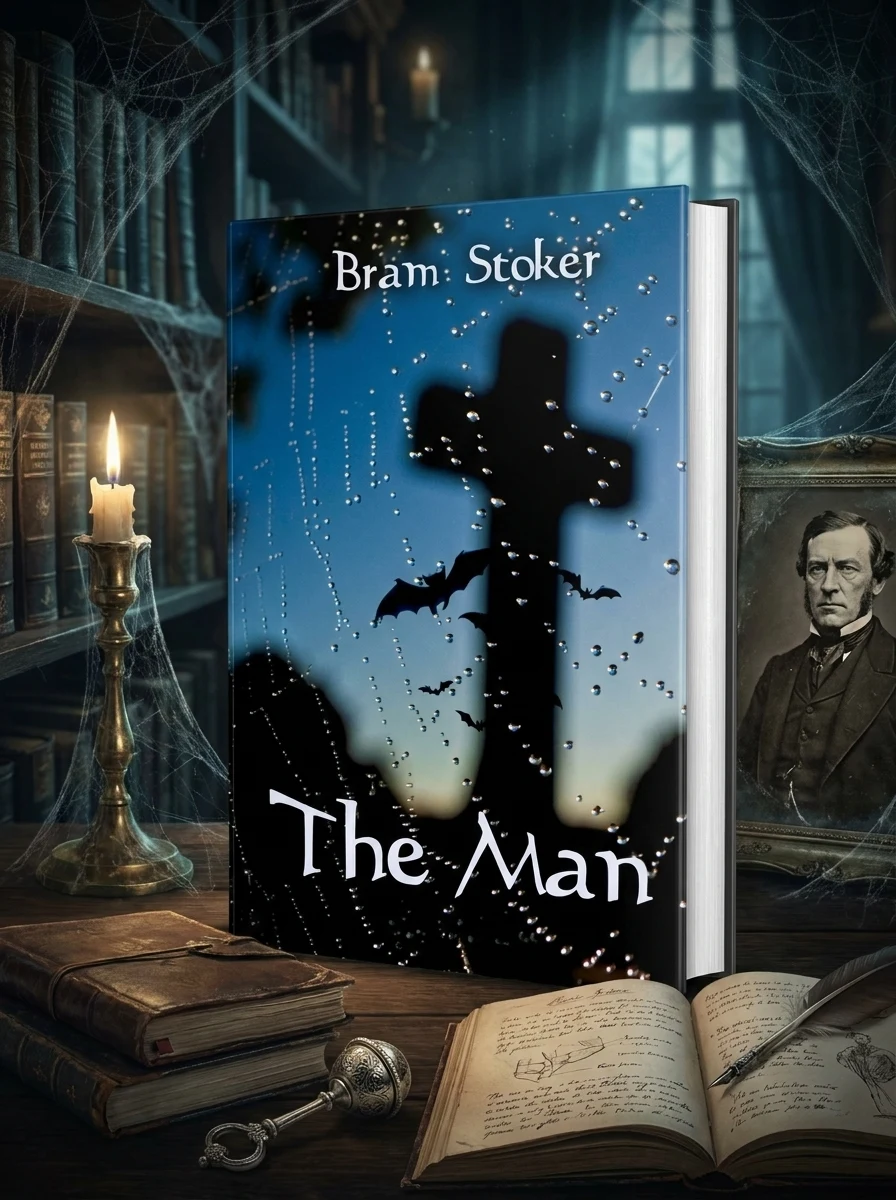
A Bram Stoker tale about a girl named Stephen raised as a tomboy.
This narrative focuses on Squire Norman’s life after his wife Margaret dies. He raises their daughter, also named Stephen, with the help of Aunt Laetitia. The story highlights her assertive personality and freedom. A key event involves Dr. Wolf bringing his son Harold to meet her. Their friendship develops as a significant plot point. Stoker uses this setup to explore themes of identity and family obligation. The text remains grounded in the specific relationships between these characters rather than external horror elements.
This work originates from the late nineteenth century, a period defined by gothic fiction and supernatural narratives. Stoker’s writing reflects the social norms and literary traditions of that specific era in English literature.


📝 Description: The Man
💎 Our verdict on The Man
📖 Why choose it
Why this book is worth reading
Readers interested in the psychological underpinnings of classic horror will find this narrative compelling. It offers a unique perspective on identity and family obligation through the lens of a dominant, free-thinking female protagonist raised as a tomboy. The text appeals to students of late nineteenth-century fiction who wish to examine gender roles within a gothic framework. Those seeking to understand Stoker’s broader thematic interests beyond his famous vampire tales will benefit from this grounded exploration of relationships. It provides insight into how period-specific social structures influenced character development and narrative tension without relying on external supernatural action.
⭐ Reader reviews
Reader rating
This book successfully utilizes gothic traditions to explore deep-seated themes of identity and familial duty. Stoker’s focus on the protagonist’s assertive nature and her developing friendship with Harold creates a nuanced character study rather than a simple horror tale. The narrative remains grounded in specific relationships, offering a refreshing change from typical external horror elements. While the pacing may feel slow for those accustomed to modern fast-paced thrillers, it suits fans of classic literature who appreciate detailed emotional landscapes. The text is best enjoyed by readers seeking depth over action, providing a thoughtful examination of gender and obligation within its historical context.
📖 Read on the blog
✍️ More books by this author Bram Stoker


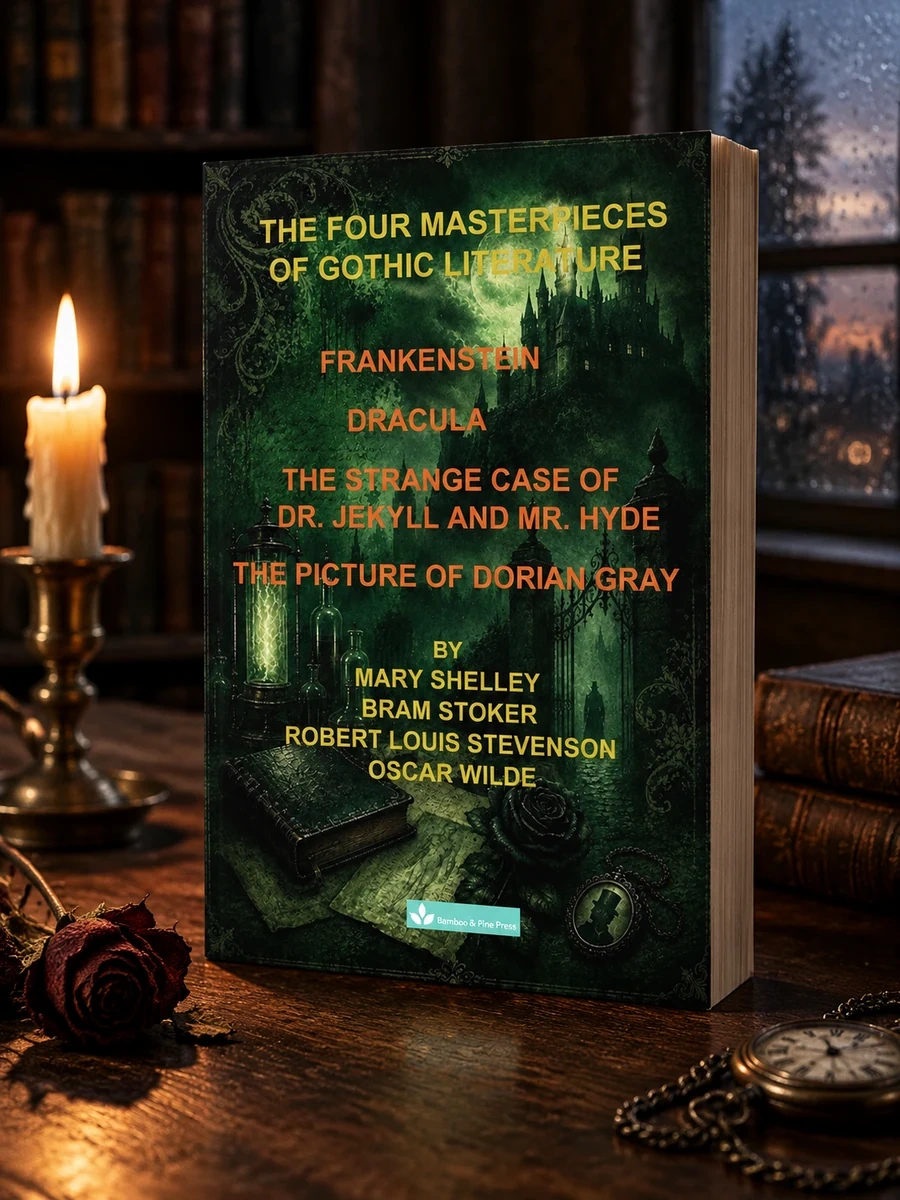
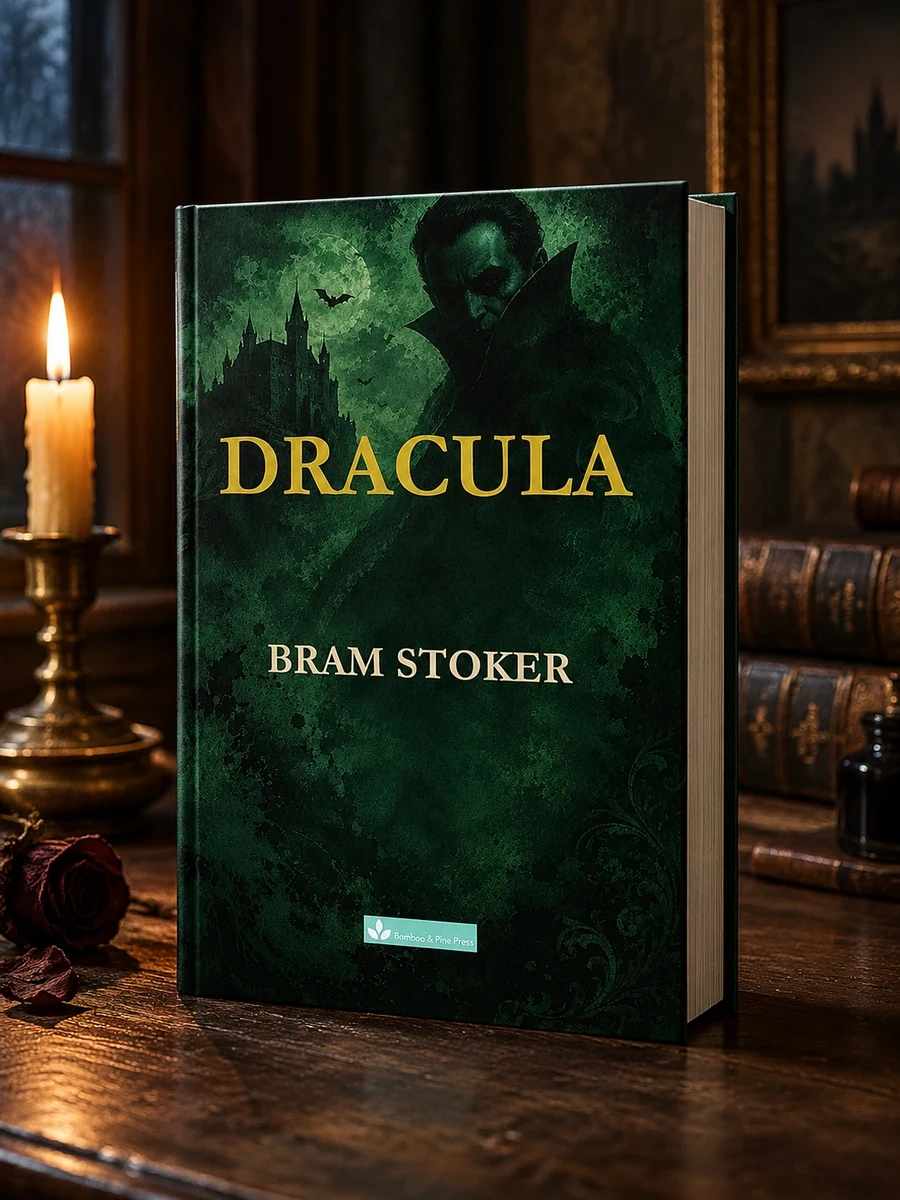
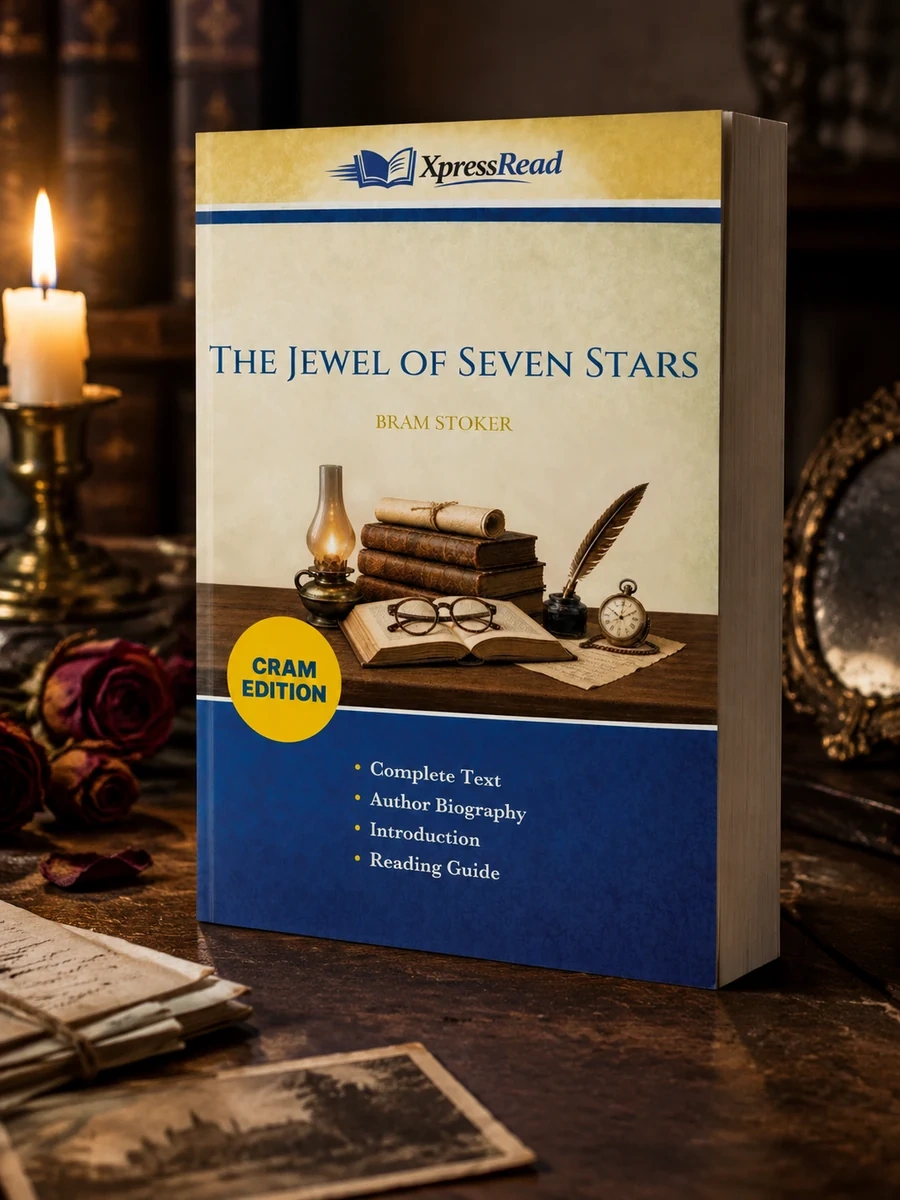
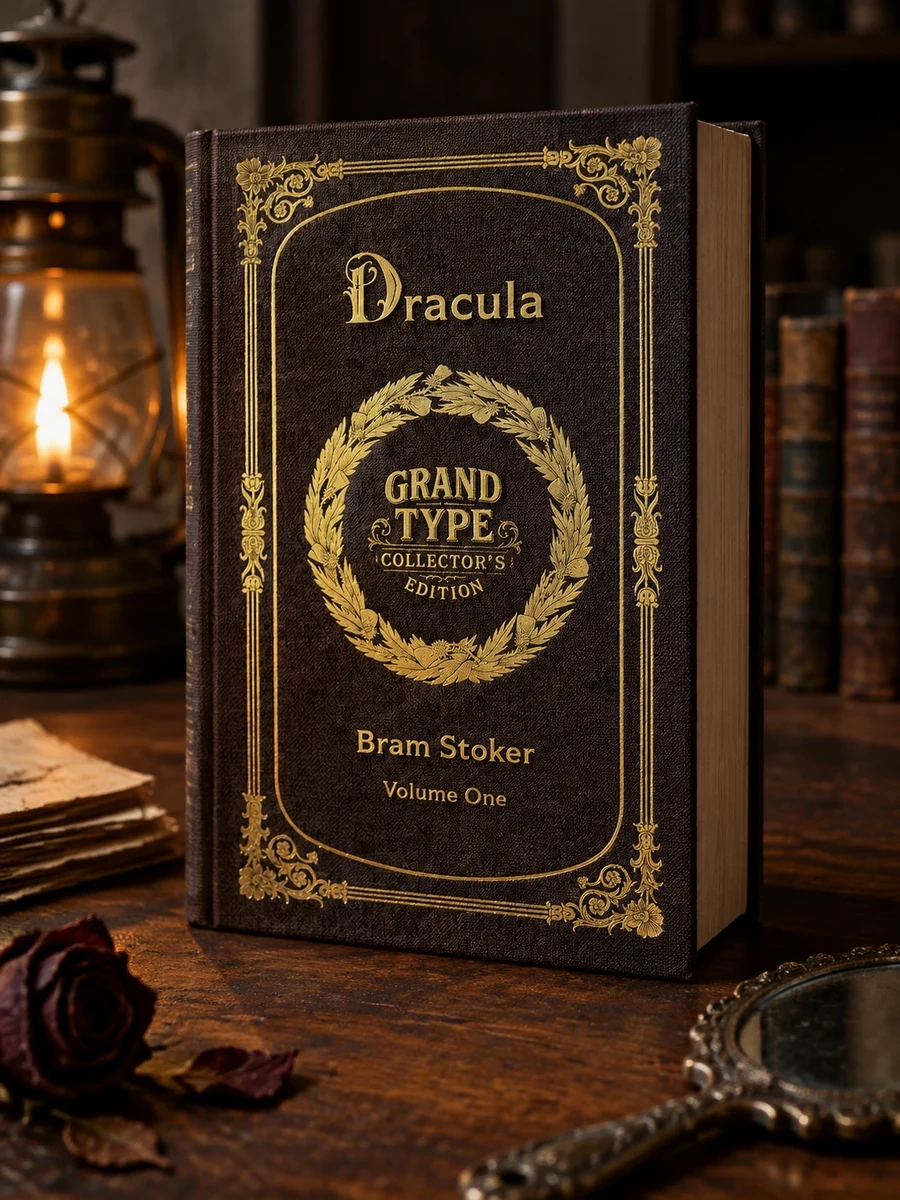
🏛 Books from this publisher Createspace Independent Publishing Platform






You might also like
See more →
Have a question about this item?
Ask about the edition, condition, delivery or anything else — we reply by email or phone, usually within a day.
