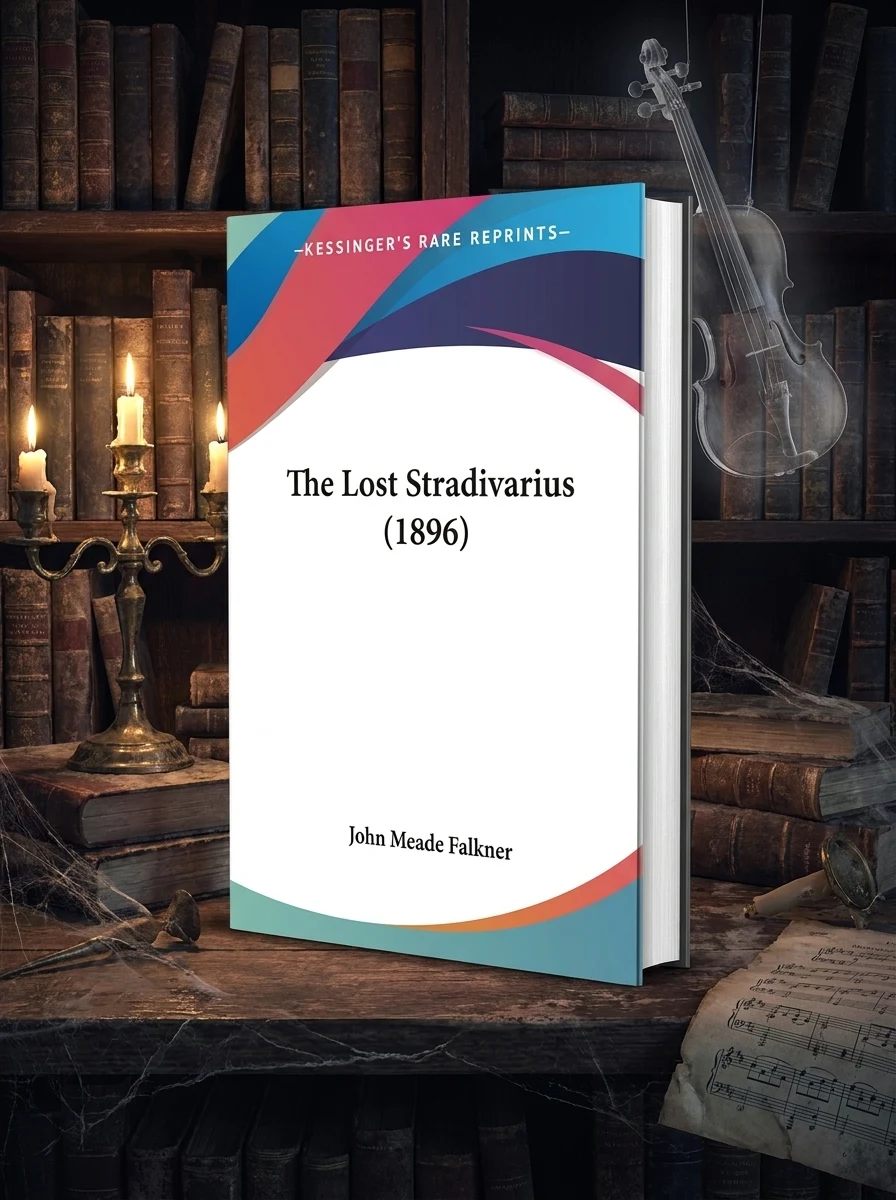
The Lost Stradivarius (1896)
A slow-burn gothic horror novel focusing on psychological tension and atmosphere.
The narrative focuses on mood and uncertainty rather than traditional plot structures. Falkner creates an environment where fear grows through subtle details and quiet scenes. The work combines intellectual themes with supernatural elements to leave a lasting impact on the reader. It serves as a representation of late Victorian horror tailored for contemporary readers. The story avoids providing simple solutions or definitive endings, encouraging reflection on mysterious forces. Individuals who prefer action-driven plots may struggle with the deliberate pacing. However, enthusiasts of gothic and mystery genres will value the rich atmospheric construction and psychological depth.
Published originally in 1896, this work belongs to the literary horror tradition. The Kessinger Publishing edition from 2008 makes this late Victorian gothic fiction accessible to contemporary readers who value mood and ambiguity over graphic content.


📝 Description: The Lost Stradivarius (1896)
💎 Our verdict on The Lost Stradivarius (1896)
📖 Why choose it
Why this book is worth reading
Readers who appreciate slow-burn gothic horror and psychological tension will find great value in this novel. It is designed for those who enjoy mystery genres that rely on rich atmospheric construction rather than fast-paced action or surprising plot turns. Enthusiasts of supernatural fiction will appreciate the intellectual depth and subtle dread that Falkner cultivates through quiet scenes. The book rewards patience with a haunting impression that lingers after the final page, offering an unsettling experience prioritized over explicit events. Those seeking clear answers or quick thrills may find the deliberate pacing difficult, but fans of psychological horror will gain from the sense of uncertainty and mysterious forces explored throughout.
⭐ Reader reviews
Reader rating
Falkner’s tale emphasizes psychological fear rather than gore, creating a specific mood where mystery grows slowly. It is ideal for readers who enjoy gothic stories relying on atmosphere and tone instead of action-driven plots. The narrative focuses on mood and uncertainty, allowing fear to emerge through subtle details. While those preferring clear solutions might struggle with the lack of definitive endings, enthusiasts of gothic horror will value the rich atmospheric construction. The work combines intellectual themes with supernatural elements for a lasting impact. This edition maintains the slow-building tension, ensuring the experience remains unsettling and memorable. It serves as a compelling representation of late Victorian horror for modern audiences seeking depth over shock.
📖 Read on the blog
✍️ More books by this author John Meade Falkner


🏛 Books from this publisher Kessinger Publishing
You might also like
See more →


Have a question about this item?
Ask about the edition, condition, delivery or anything else — we reply by email or phone, usually within a day.
