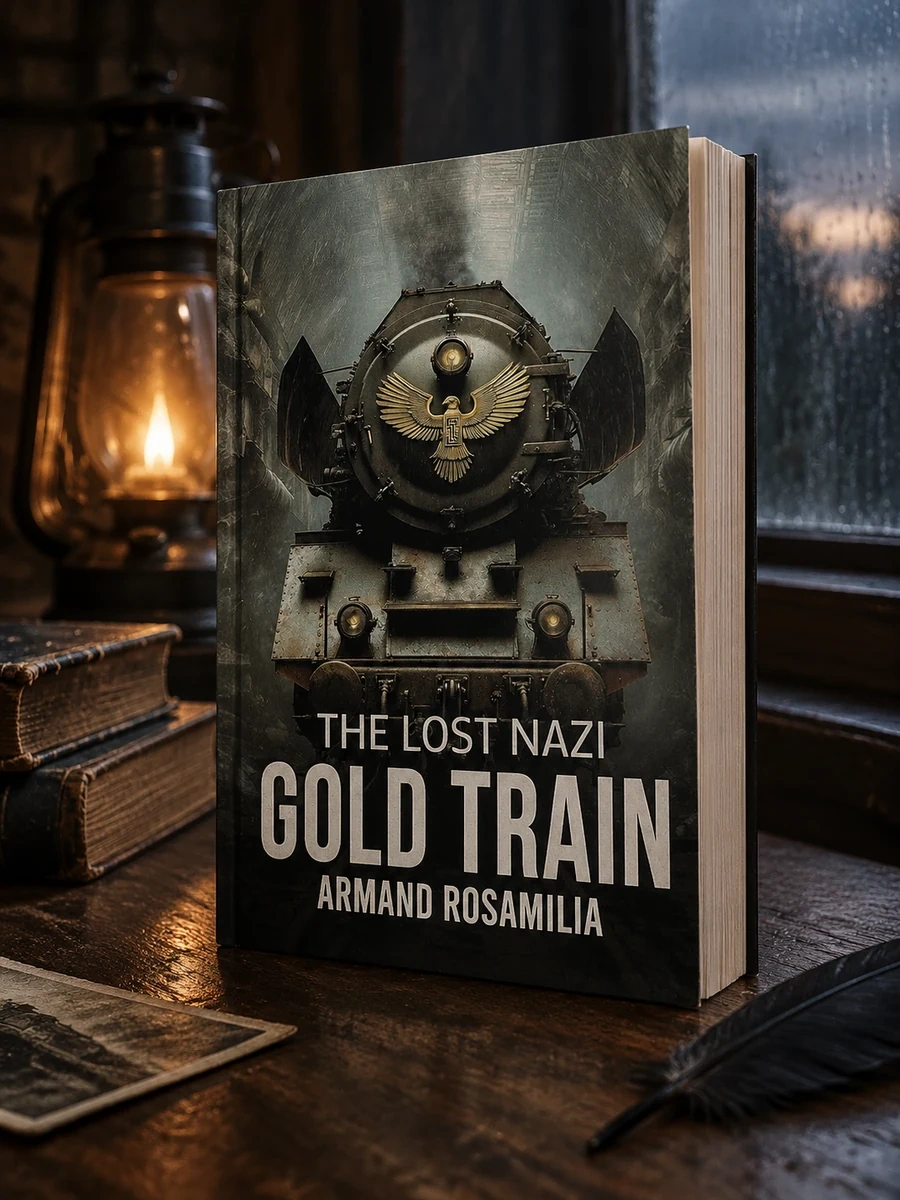
The Lost Nazi Gold Train
A novel about an archaeologist hunting a hidden Nazi gold train in Poland.
The narrative follows Emelia Wagner into the mist-shrouded Owl Mountains of Poland. Her team seeks an armored ghost loaded with stolen wealth from the Third Reich. The story examines the legacy of enslaved laborers and the descendants of those who hid the treasure. Tension rises as hidden motives surface among the group members. The setting shifts from rugged wilderness to claustrophobic tunnels where supernatural elements emerge. Rosamilia blends archaeological pursuit with gothic horror traditions. The plot suggests that the gold attracts more than dust and legend. Long-buried horrors come to light as the hunters dig deeper into the mountain's secrets.
The story is set in Poland's Owl Mountains and references the Third Reich. It draws on the period of the dying days of that regime and the subsequent hiding of artifacts. The narrative engages with the history of the region during and after World War II.


📝 Description: The Lost Nazi Gold Train
💎 Our verdict on The Lost Nazi Gold Train
📖 Why choose it
Why this book is worth reading
Readers drawn to atmospheric horror rooted in specific historical events will find this narrative compelling. It appeals to those who enjoy the tension between professional ambition and moral responsibility when confronting dark legacies. Fans of gothic tales set in claustrophobic environments, such as tunnels and mountains, will appreciate the shift from rugged wilderness to supernatural dread. The book is ideal for audiences interested in the psychological horror of hidden motives within group dynamics. It offers a unique blend of archaeological mystery and cosmic or psychological terror, suitable for those who prefer fictional explorations of history over factual accounts.
⭐ Reader reviews
Reader rating
Rosamilia effectively merges archaeological pursuit with gothic horror traditions, creating a tense atmosphere as Emelia Wagner’s team delves into the Owl Mountains. The narrative excels in building claustrophobic dread within the tunnels while examining complex character dynamics and hidden motives. By addressing the bitter history of enslaved laborers alongside supernatural elements, the book adds depth to the standard treasure hunt trope. It suits readers who appreciate horror tied to historical events, particularly those involving the Third Reich. However, it may disappoint those seeking purely factual historical analysis without fictional embellishments. The blend of rugged wilderness and dark secrets provides a solid foundation for fans of atmospheric, history-based horror fiction.
📖 Read on the blog
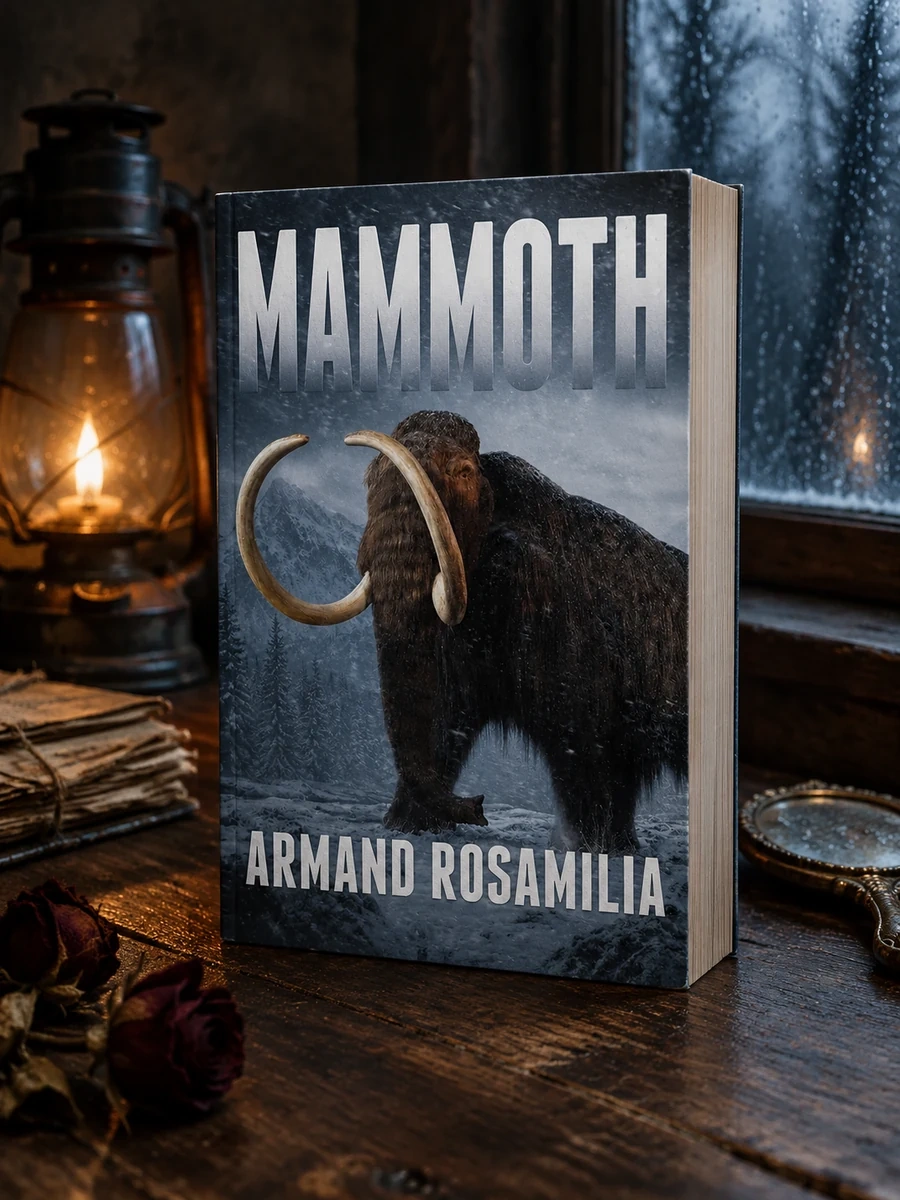
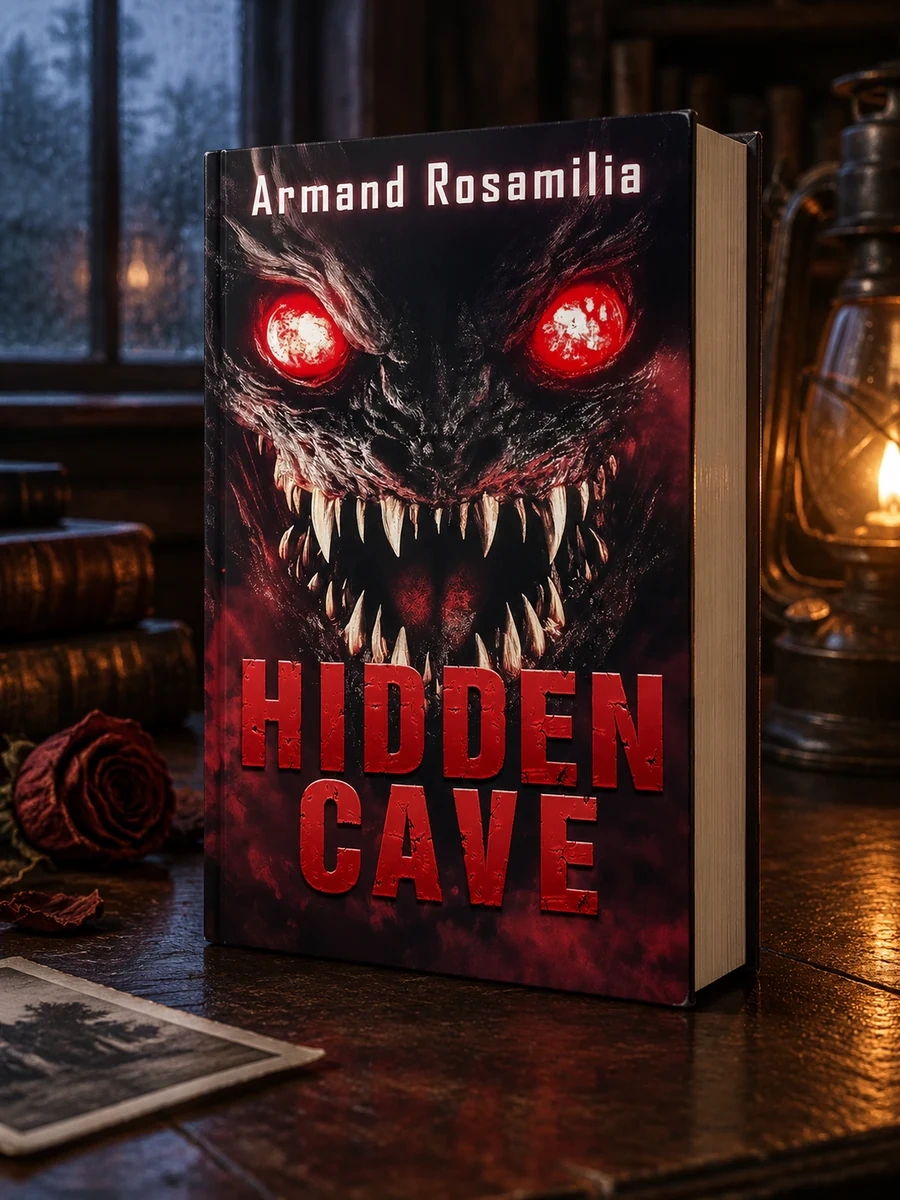
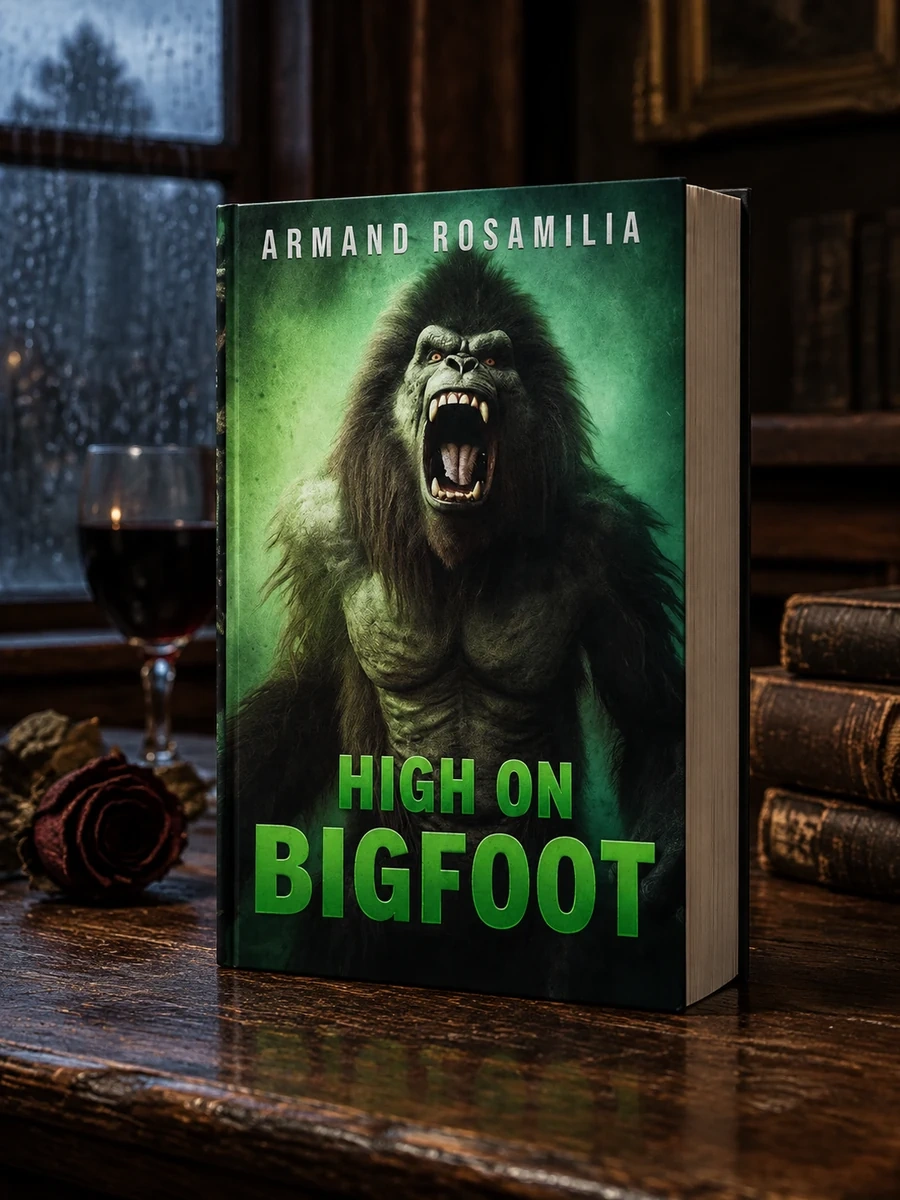
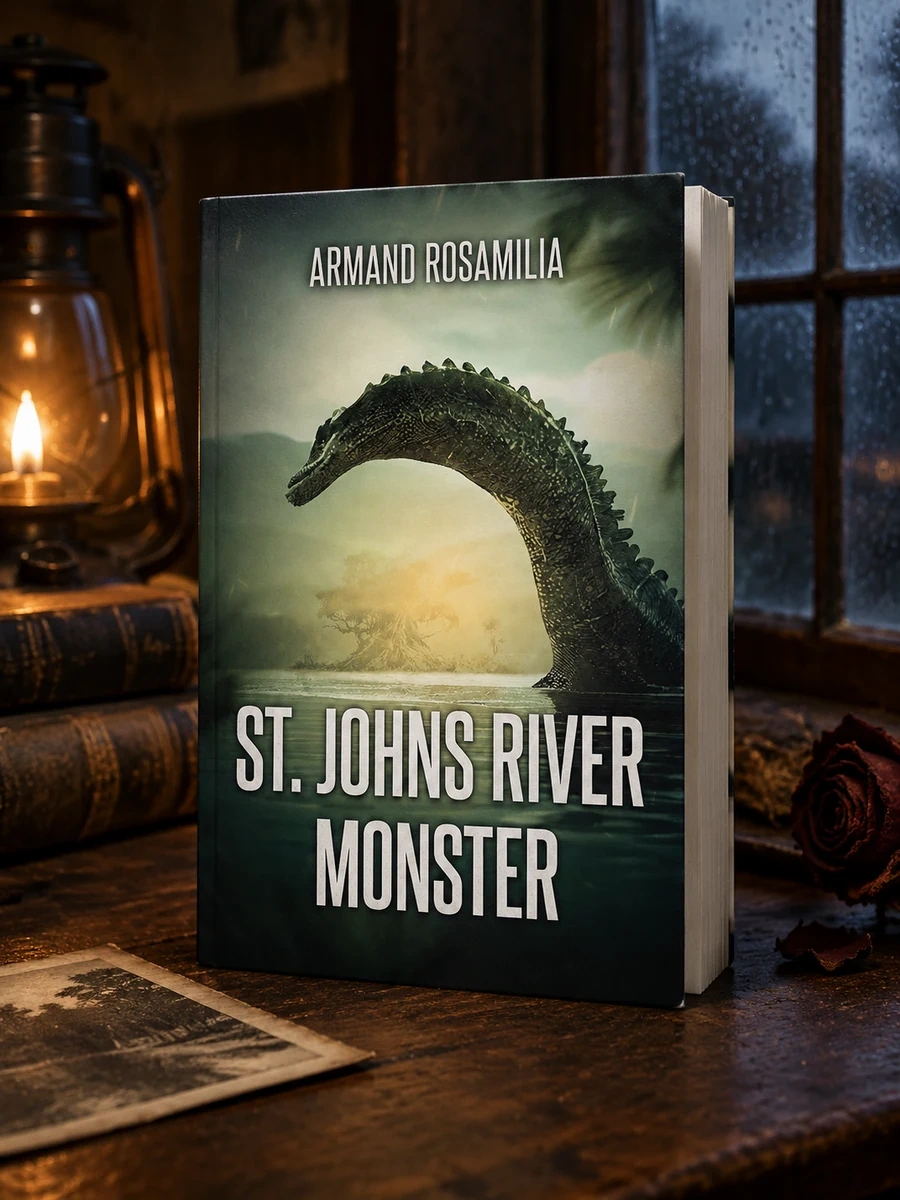
✍️ More books by this author Armand Rosamilia


🏛 Books from this publisher Severed Press
You might also like
See more →

Have a question about this item?
Ask about the edition, condition, delivery or anything else — we reply by email or phone, usually within a day.
