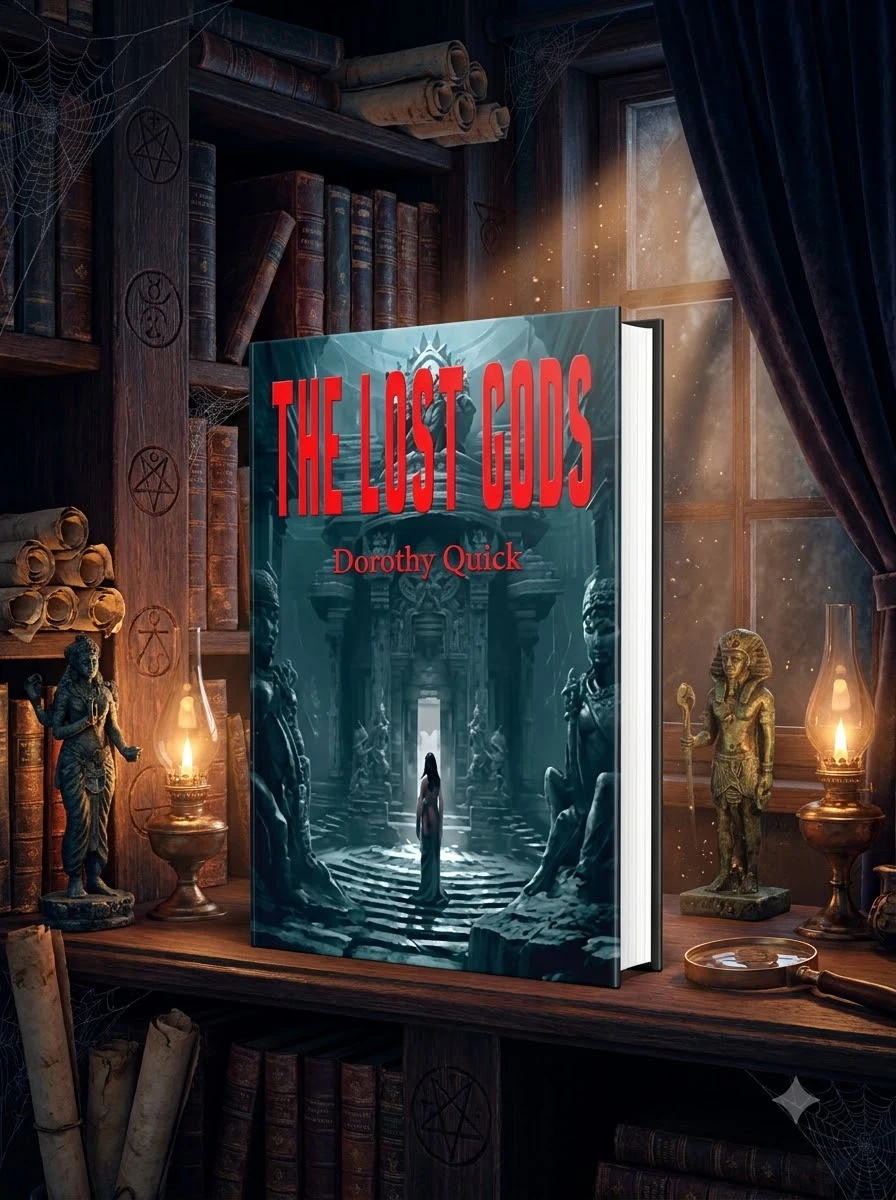
The Lost Gods: A Positronic Book
A poetic collection of mythic horror from 1920s pulp writer Dorothy Quick.
Quick combines her background in poetry with speculative fiction to create unique narratives. Her work focuses on romantic and mythic elements within the supernatural genre. The text reflects the creative freedom of the pulp magazine era. Readers encounter stories that prioritize emotional resonance over plot mechanics. This approach distinguishes her writing from contemporaries who favored action-driven tales. The collection offers a window into early twentieth-century literary experimentation. It preserves the atmospheric quality that defined much of the period's best horror writing.
Dorothy Quick wrote during the 1920s and 1930s, a period known for early pulp magazines. Her work emerged from this vibrant literary scene, blending poetic sensibilities with speculative genres. This context explains the unique style found in The Lost Gods.


📝 Description: The Lost Gods: A Positronic Book
💎 Our verdict on The Lost Gods: A Positronic Book
📖 Why choose it
Why this book is worth reading
Readers who appreciate lyrical prose and atmospheric tension will find significant value in this collection. Dorothy Quick’s background in poetry allows her to craft narratives that prioritize emotional resonance over plot mechanics, offering a distinct alternative to action-driven tales common among her contemporaries. This volume is ideal for those interested in the history of speculative fiction and the evolution of horror themes through a romantic and mythic lens. It serves as a literary exploration of lost myths rather than a guide to modern monster hunting, appealing to scholars and enthusiasts of early pulp writing who seek depth and stylistic elegance over graphic violence or technical scientific explanations.
⭐ Reader reviews
Reader rating
Dorothy Quick delivers a poetic collection of mythic horror that distinguishes itself through romantic and supernatural elements. By combining her poetic sensibility with speculative fiction, she creates unique narratives rooted in emotional depth rather than mechanical plotting. The work stands as a bridge between early twentieth-century pulp writing and contemporary interests in mythic horror, offering a window into literary experimentation of the 1920s. While it may feel slow to readers preferring modern, fast-paced horror, it excels in atmospheric tension and thematic connections. This volume is best suited for those seeking atmospheric supernatural fiction and an appreciation for lyrical prose within the broader context of gothic and mythic literature.
📖 Read on the blog
✍️ More books by this author Dorothy Quick
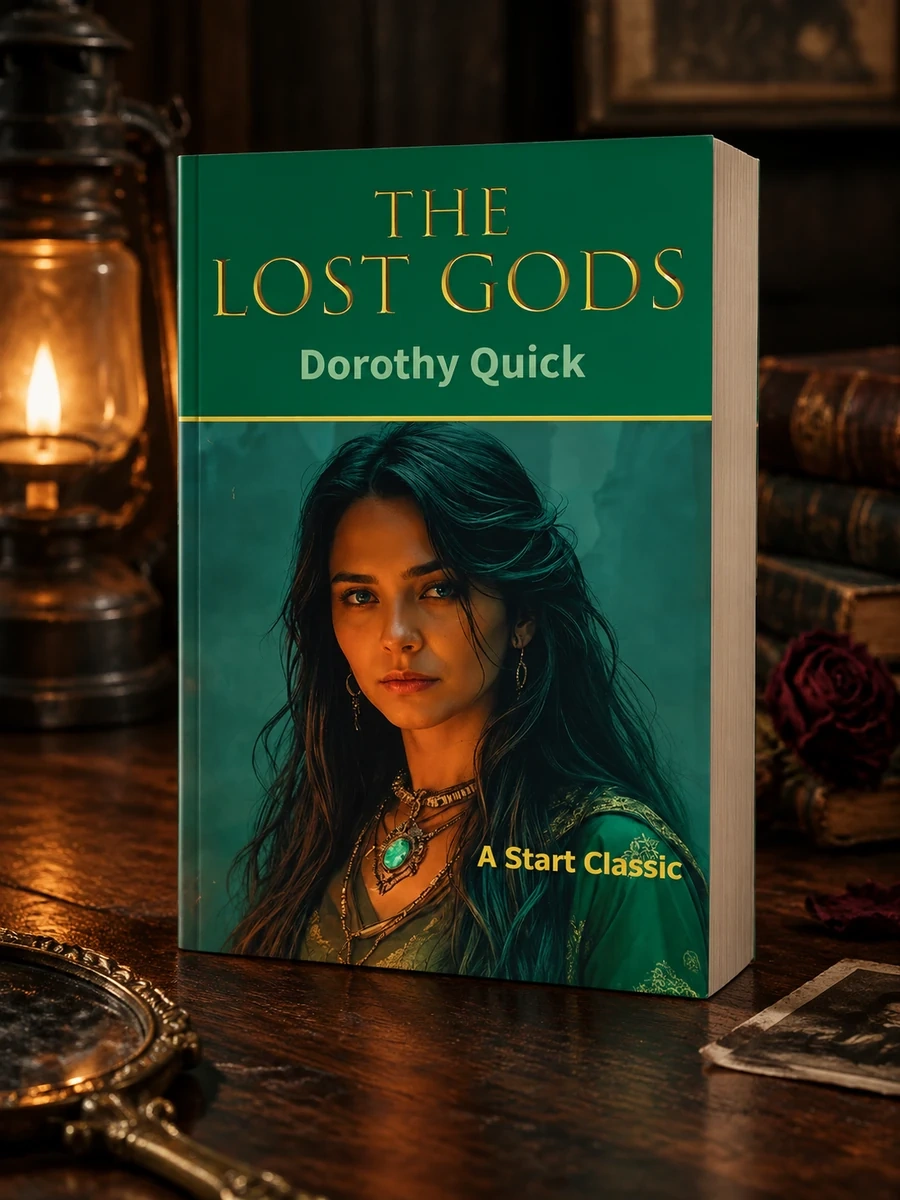


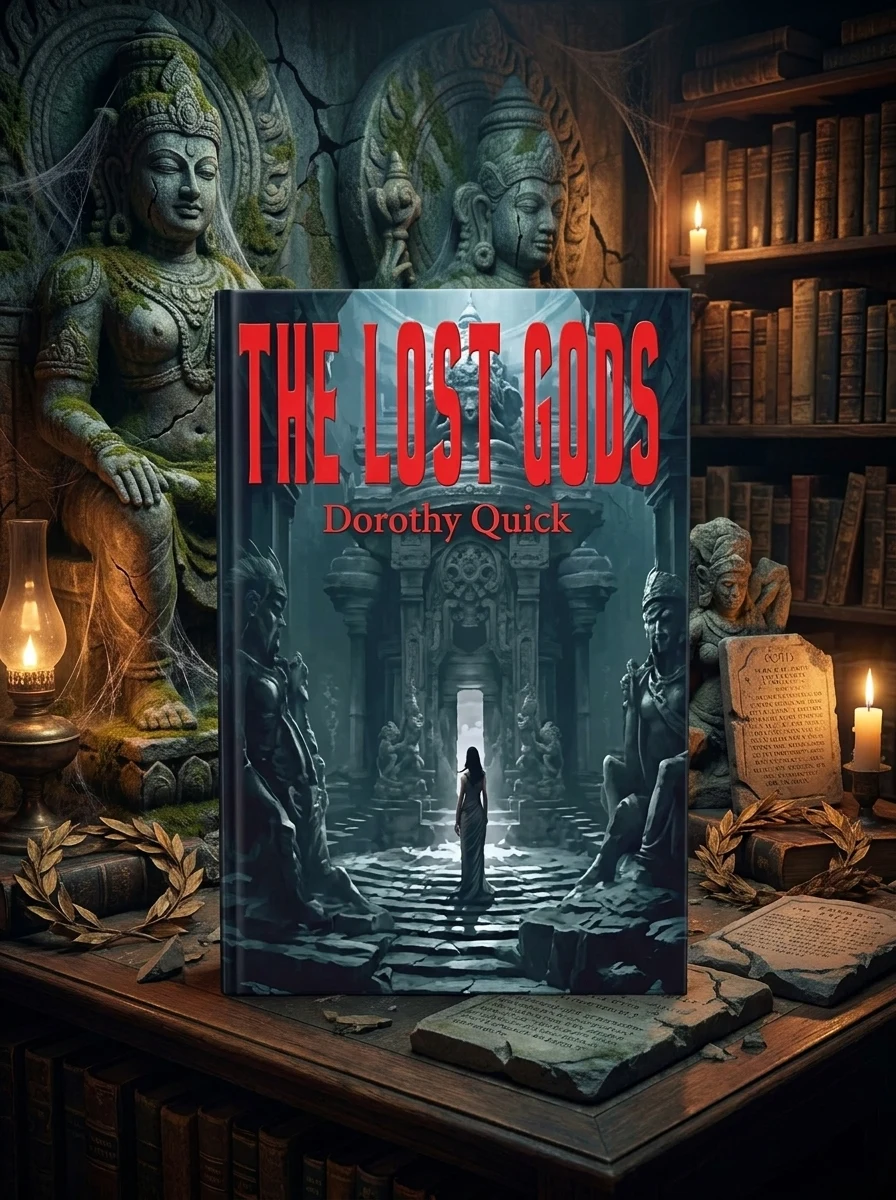
🏛 Books from this publisher Positronic Publishing


You might also like
See more →


Have a question about this item?
Ask about the edition, condition, delivery or anything else — we reply by email or phone, usually within a day.
