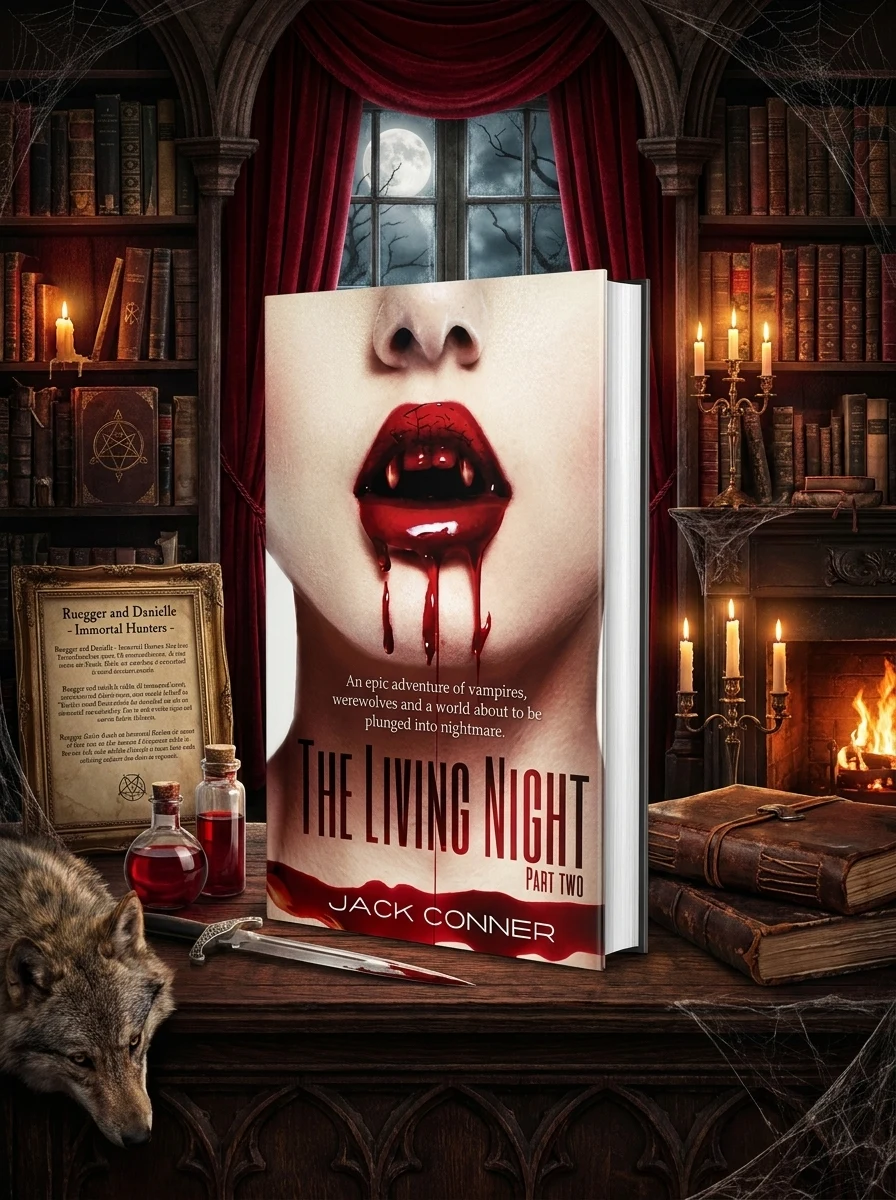
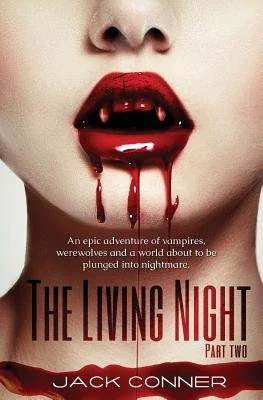
The Living Night: Part Two
Two vampire enforcers hunt a killer in a supernatural conspiracy.
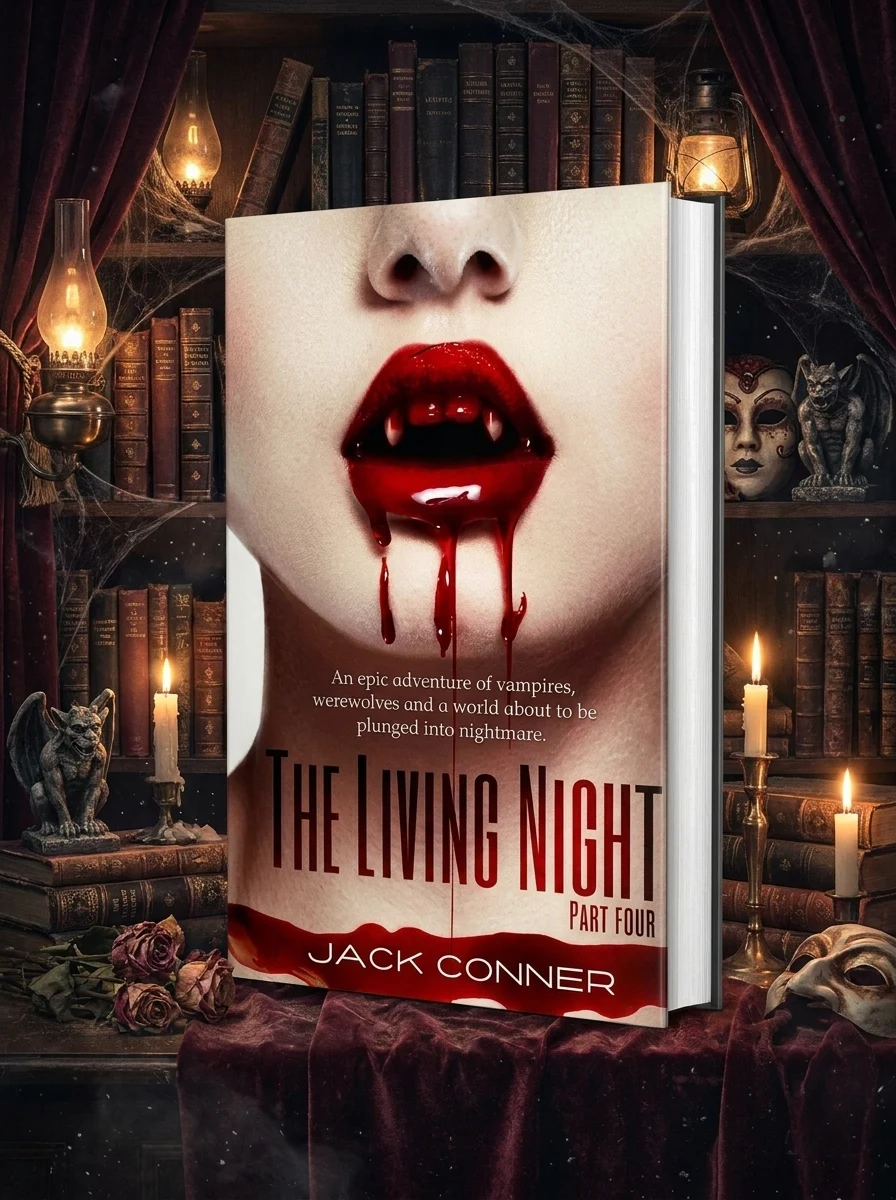
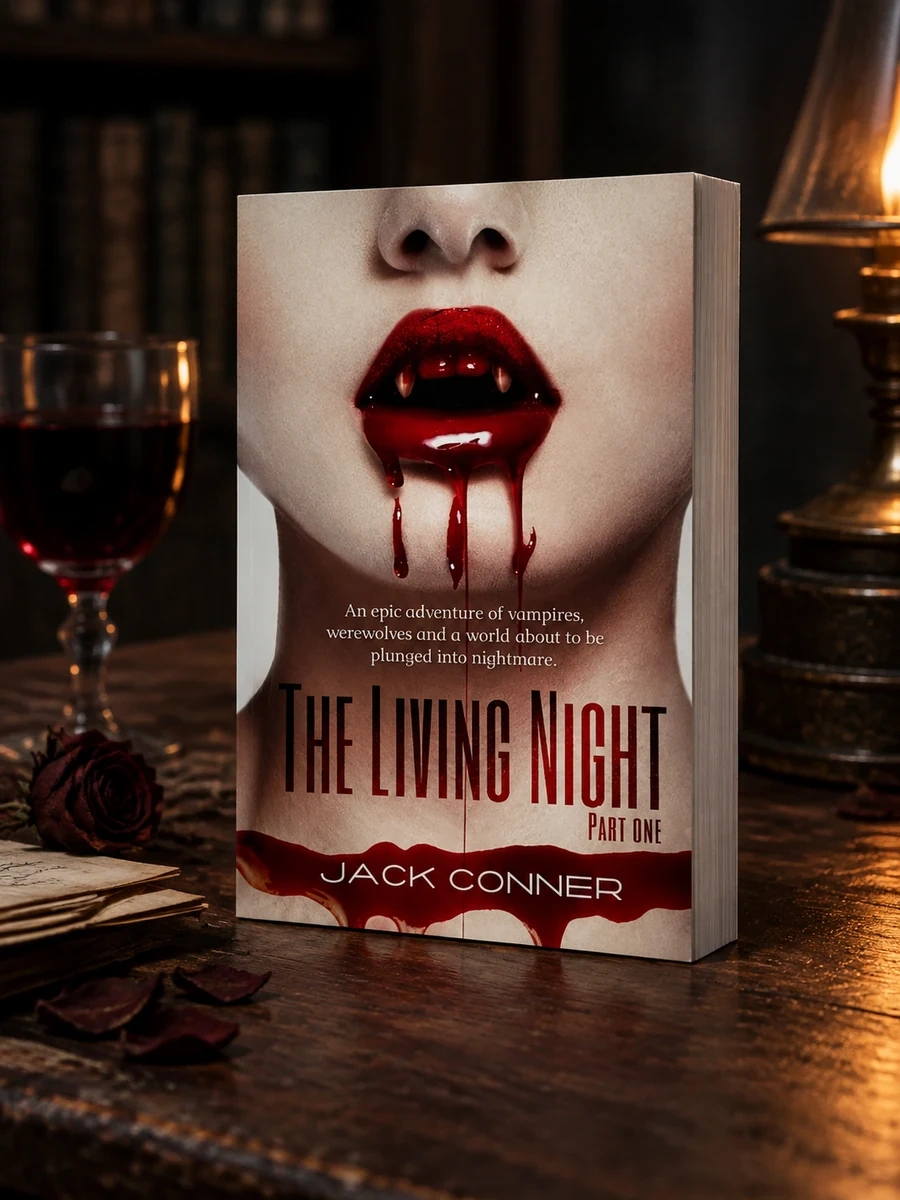
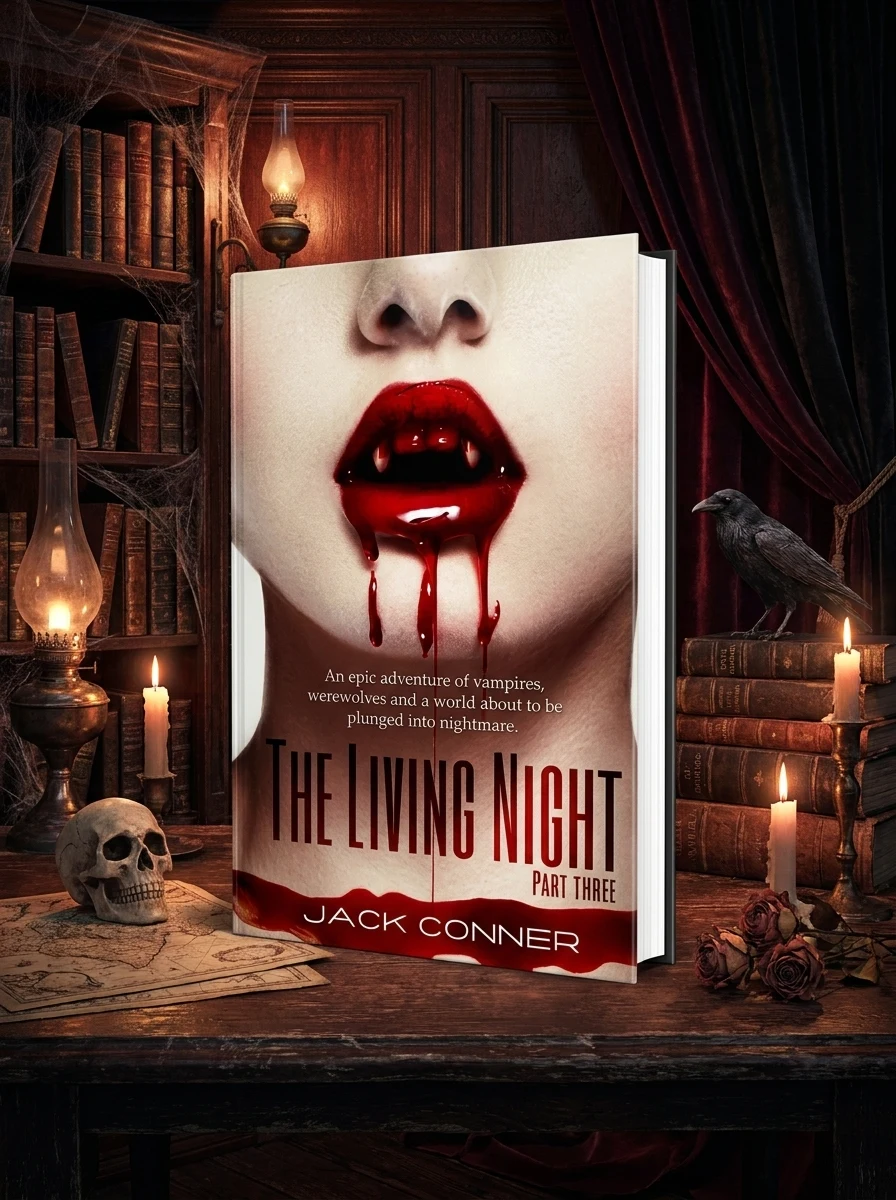
The narrative follows Ruegger and Danielle as they investigate a high-profile murder among immortals. Their role as self-appointed judges requires them to feed only on guilty humans or rogue immortals. The investigation leads them across different regions, forcing encounters with werewolf hunters and voodoo deities. The stakes involve preventing a war that could engulf the entire immortal population. The plot hinges on whether the Dark Lord is involved in the conspiracy.
The book draws on vampire and werewolf folklore, integrating Jamaican voodoo traditions into a modern supernatural setting. It presents a fictional Immortal Community with its own hierarchy and laws, blending gothic fiction with contemporary adventure tropes.


📝 Description: The Living Night: Part Two
💎 Our verdict on The Living Night: Part Two
📖 Why choose it
Why this book is worth reading
Readers who enjoy urban fantasy with elements of mystery and supernatural politics will find this work suitable. The narrative focuses on the mechanics of survival and the weight of responsibility within a hidden society, offering an engaging look at ancient beings enforcing their own laws. Those seeking historical accuracy or non-fiction accounts of folklore should look elsewhere. Conner builds a world where immortals operate as self-appointed judges, creating intrigue through the tension between gothic tradition and modern ethical dilemmas. This book appeals to those interested in the complex dynamics of immortal communities and the high stakes of preventing broader conflicts among diverse supernatural races.
⭐ Reader reviews
Reader rating
Jack Conner presents a compelling narrative centered on Ruegger and Danielle, two vampires acting as enforcers within the Immortal Community. The story effectively blends gothic tropes with modern intrigue, tracing a conspiracy that may implicate the Dark Lord. By forcing the protagonists across continents to encounter werewolf hunters and voodoo deities, Conner expands the scope beyond typical vampire lore. The work succeeds in building tension through supernatural politics and the mechanics of survival. It is best suited for readers who appreciate mystery-driven urban fantasy and are comfortable with fictionalized folklore rather than historical accuracy. The focus on responsibility within a hidden society provides a solid foundation for those enjoying complex world-building.