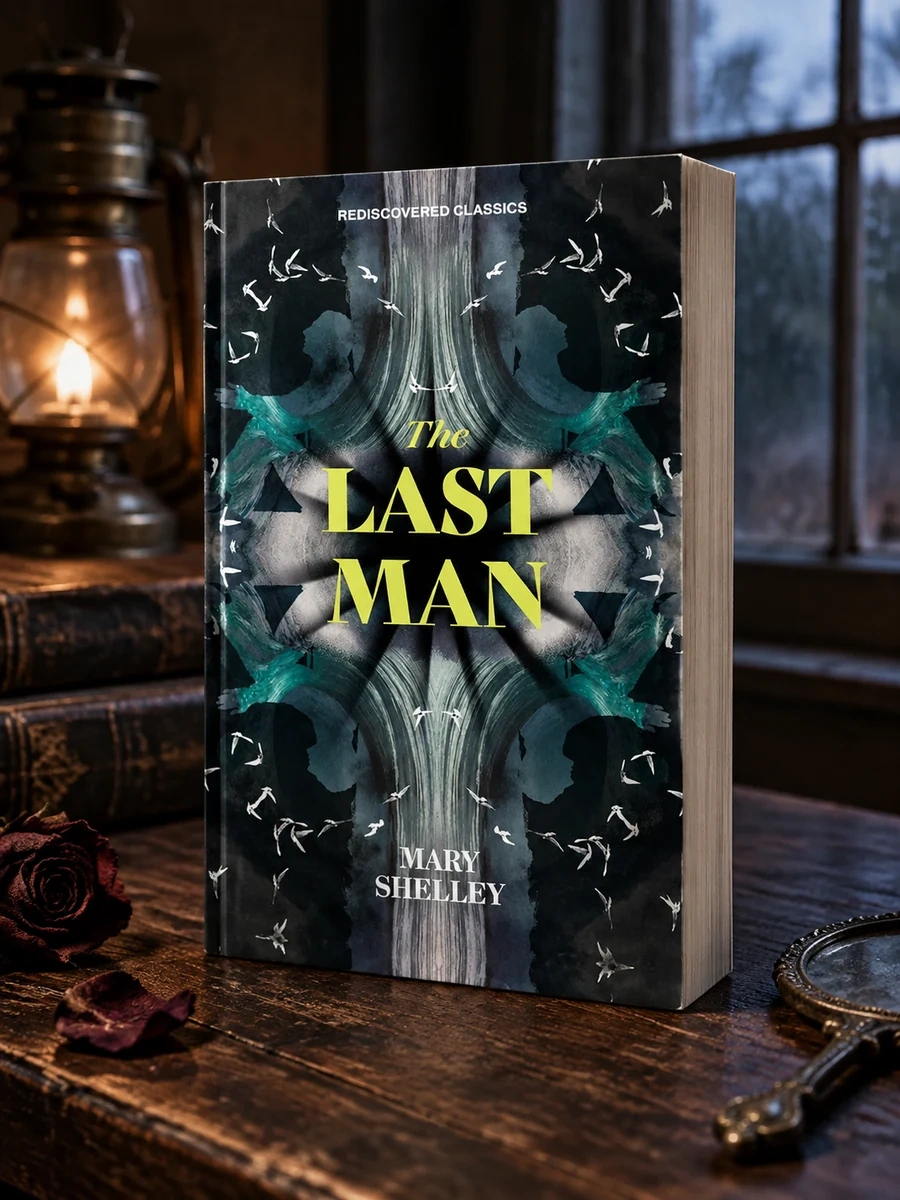
The Last Man
Currently unavailable
This book is sold out right now. Leave your email — we'll let you know if it comes back, and you'll get 10% off any book today.
In stock now — readers of this book also loved:


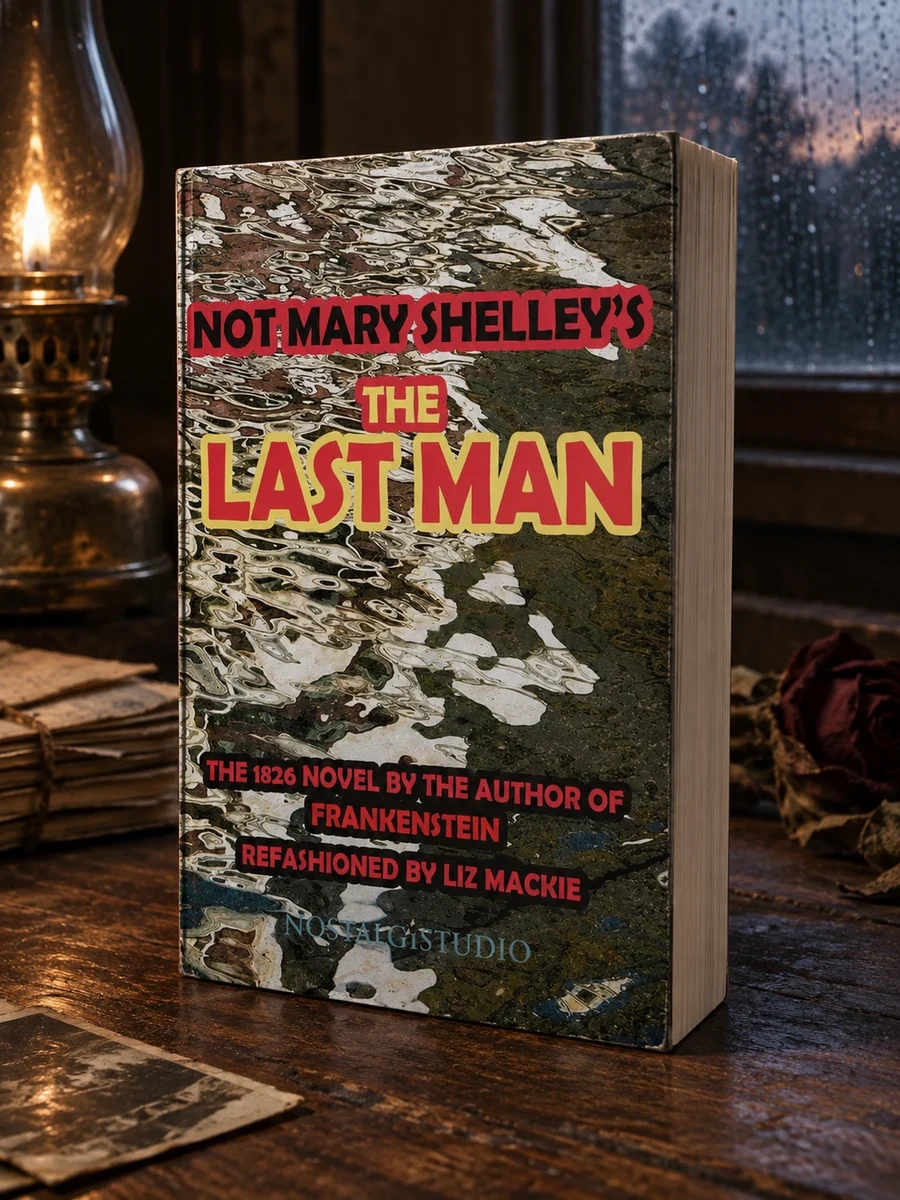
A 1826 novel about a pandemic that ends civilization.
This narrative focuses on Lionel Vesey, the titular last man, as he witnesses the collapse of global society. The plot moves through continents as a plague destroys infrastructure and communities. Shelley uses this framework to explore themes of isolation and grief. The story does not rely on supernatural monsters but on the quiet horror of disappearance. It reflects the author’s own experiences with loss following the deaths of her husband and children. The text stands as an early example of dystopian fiction that prioritizes emotional truth over plot mechanics.
Published in 1826, this novel emerged after Shelley suffered multiple personal losses. It represents one of the first dystopian novels ever written. The work bridges gothic traditions with early science fiction concerns. It reflects post-Napoleonic anxieties about societal fragility and human vulnerability.


📝 Description: The Last Man
💎 Our verdict on The Last Man
📖 Why choose it
Why this book is worth reading
This book suits readers interested in early science fiction and gothic literature who appreciate stories of societal collapse and personal loss. It appeals to those who value emotional truth over plot mechanics, offering a moving fable about survival shaped by the author's own grief. Readers seeking fast-paced adventure may find this text unsatisfying, but it remains significant for its intimate mourning and political commentary. It invites reflection on how individuals cope when their world vanishes, providing a quiet horror of disappearance rather than supernatural monsters.
⭐ Reader reviews
Reader rating
Shelley’s background as a writer of supernatural fiction informs the eerie accuracy of her depiction of an unstoppable pandemic starting in 2073. The narrative follows Lionel Vesey as civilization erodes, examining humanity's struggle with disaster without glorifying heroism. It functions as both a historical record of imagined ruin and a personal elegy. While it does not offer hope through action, the text observes the slow decline of human structures with poignant precision. It is best suited for readers who prioritize emotional resonance and thematic depth over traditional plot resolutions or clear endings in their horror selections.
📖 Read on the blog
📖 From the series “Rediscovered Classics”


✍️ More books by this author Mary Shelley



🏛 Books from this publisher Union Square & Co.



You might also like
See more →

Have a question about this item?
Ask about the edition, condition, delivery or anything else — we reply by email or phone, usually within a day.
