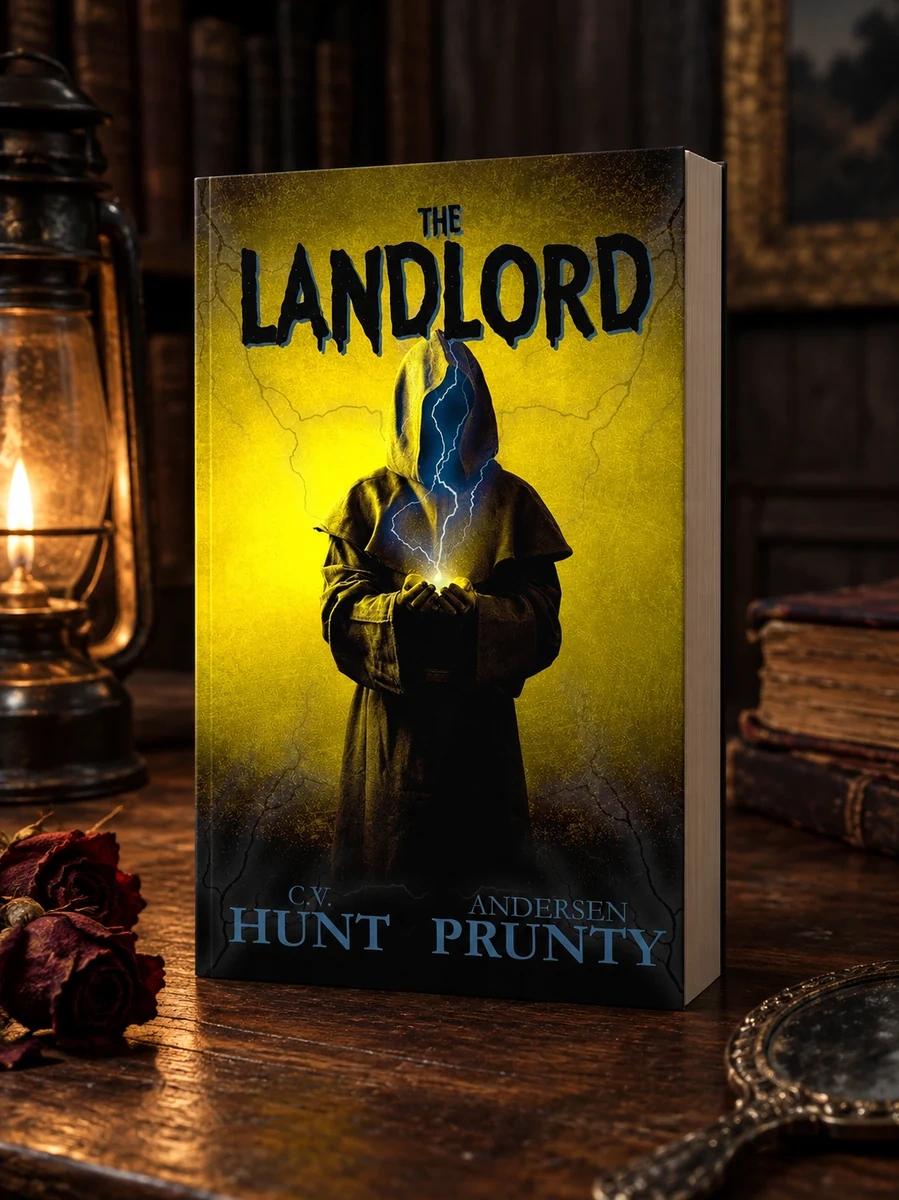
The Landlord
A couple moves to a tiny house in Little Falls and faces a landlord with dark intentions.
This narrative examines the psychological toll of housing insecurity through the lens of supernatural horror. Prunty uses the specific setting of Little Falls to isolate his protagonists from their previous support networks. The story relies on the creeping dread of a lease that cannot be broken without severe consequences. It reflects current American anxieties about affordability and displacement. The horror stems from the loss of control over one's living space rather than external threats.
The book addresses contemporary American fears regarding rent hikes and the scarcity of affordable housing. It situates itself within the tradition of domestic horror, where the home becomes a site of terror rather than safety. The setting in Little Falls reflects a rural-urban divide common in modern narratives.


📝 Description: The Landlord
💎 Our verdict on The Landlord
📖 Why choose it
Why this book is worth reading
Readers seeking a visceral exploration of modern economic dread will find this book deeply resonant. It appeals to those who appreciate horror that derives its terror from realistic societal pressures rather than fantastical monsters. The narrative offers a chilling examination of how housing insecurity can strip individuals of autonomy and support networks. Those interested in the psychological toll of displacement and the specific fears associated with renting in an unstable market will gain much from this text. It is ideal for audiences who enjoy slow-burn tension and claustrophobic atmospheres where the threat is insidious and unavoidable.
⭐ Reader reviews
Reader rating
Andersen Prunty crafts a masterful study of domestic entrapment, leveraging the universal fear of losing one's home to generate genuine dread. The novel excels in its subtle pacing, building unease through small, chilling warnings rather than overt violence. It suits readers who favor psychological tension and realistic horror over fast-paced action or supernatural spectacle. The portrayal of Marcus and Robin’s vulnerability is compelling, highlighting the arbitrary power shifts inherent in renting. However, those preferring clear resolutions or lighthearted plots may find the relentless atmosphere too heavy. It is a refined work for fans of Gothic and psychological horror who appreciate nuanced commentary on modern life.
📖 Read on the blog
✍️ More books by this author Andersen Prunty


🏛 Books from this publisher Grindhouse Press

You might also like
See more →


Have a question about this item?
Ask about the edition, condition, delivery or anything else — we reply by email or phone, usually within a day.
