
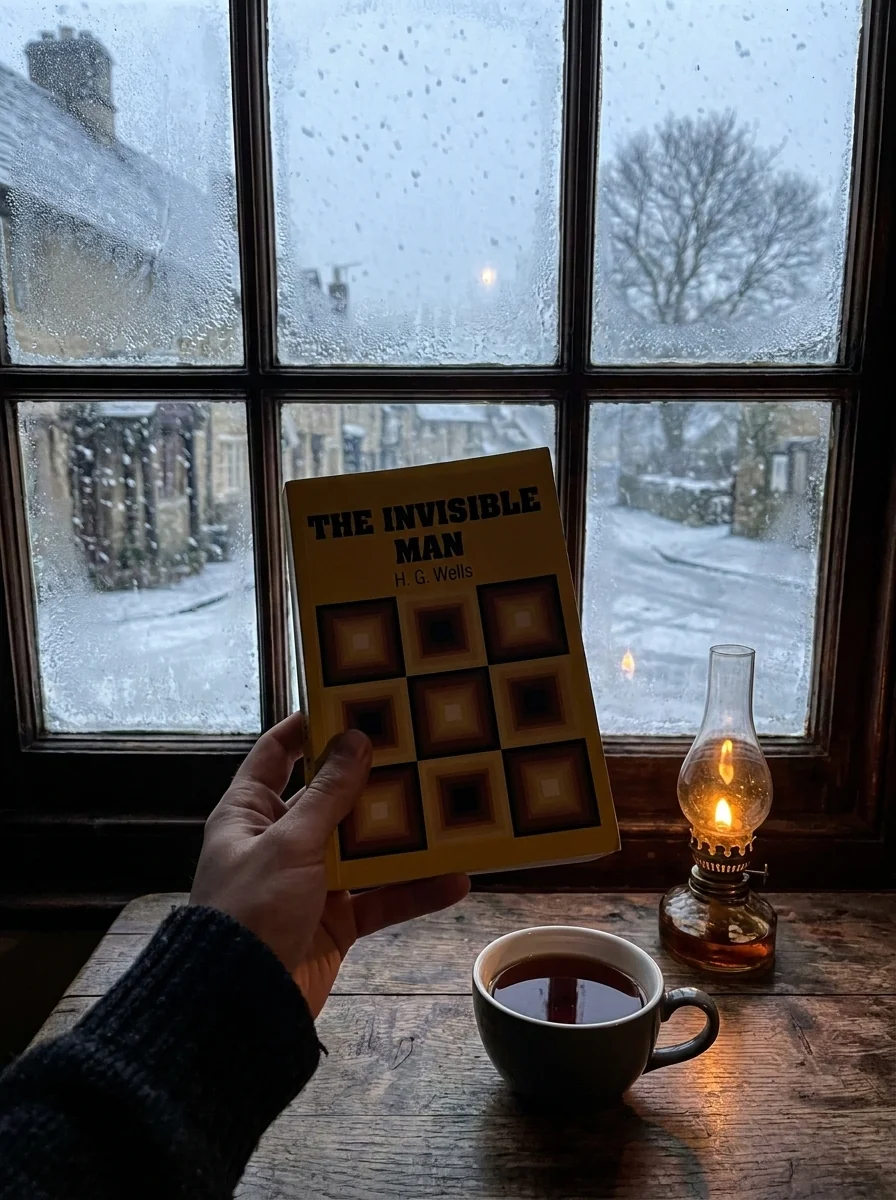

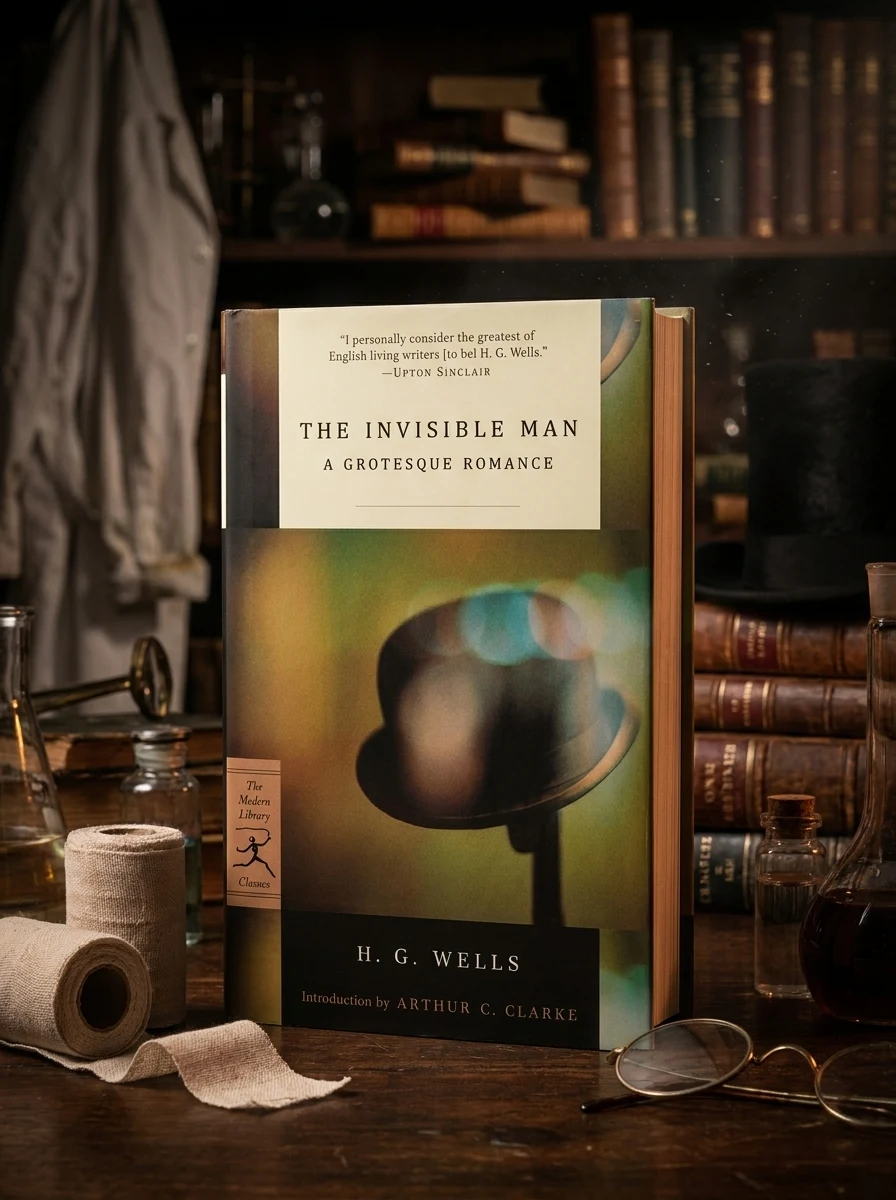
The Invisible Man
A bandaged stranger arrives in Iping, hiding a terrifying secret behind his disguise.
Griffin’s arrival in Iping during a snowstorm sets off a chain of events that tests the limits of local tolerance. His refusal to remove his bandages or engage socially creates immediate conflict. The villagers’ curiosity turns to dread as they observe his nocturnal activities and chemical experiments. Wells uses this setup to examine the breakdown of social order when an individual refuses to conform. The story does not rely on monsters but on the horror of a man who has lost his humanity through science. It is a study in paranoia and the consequences of unchecked experimentation.
Set in Iping, West Sussex, during a snowstorm, the story reflects late Victorian anxieties about scientific progress and social conformity. Wells critiques the era’s faith in rationality by showing its limits when confronted with Griffin’s unnatural state.


📝 Description: The Invisible Man
💎 Our verdict on The Invisible Man
📖 Why choose it
Why this book is worth reading
Readers interested in the breakdown of social order and the psychological horror of isolation will find this narrative deeply engaging. It appeals to those who prefer character studies over fast-paced action, offering a deliberate examination of human nature under extreme circumstances. The book is ideal for fans of classic literature who enjoy analyzing the tension between individual autonomy and community tolerance. By focusing on a protagonist who loses his humanity through science rather than relying on supernatural monsters, it provides a unique perspective on paranoia and the limits of scientific exploration. This story remains essential for understanding the evolution of horror fiction.
⭐ Reader reviews
Reader rating
H.G. Wells crafts a chilling tale where the true horror stems from a man’s loss of humanity rather than traditional monsters. The narrative effectively builds tension through the villagers’ growing dread as they observe Griffin’s nocturnal activities and chemical experiments. Wells excels in depicting the erosion of social order when an individual refuses to conform, creating an atmosphere thick with suspicion and fear. While the pacing may feel deliberate for those seeking modern action, the psychological depth and character study are rewarding. It is a staple for enthusiasts of Gothic horror and early sci-fi who appreciate nuanced explorations of isolation and scientific ethics.
📖 Read on the blog
✍️ More books by this author H G Wells


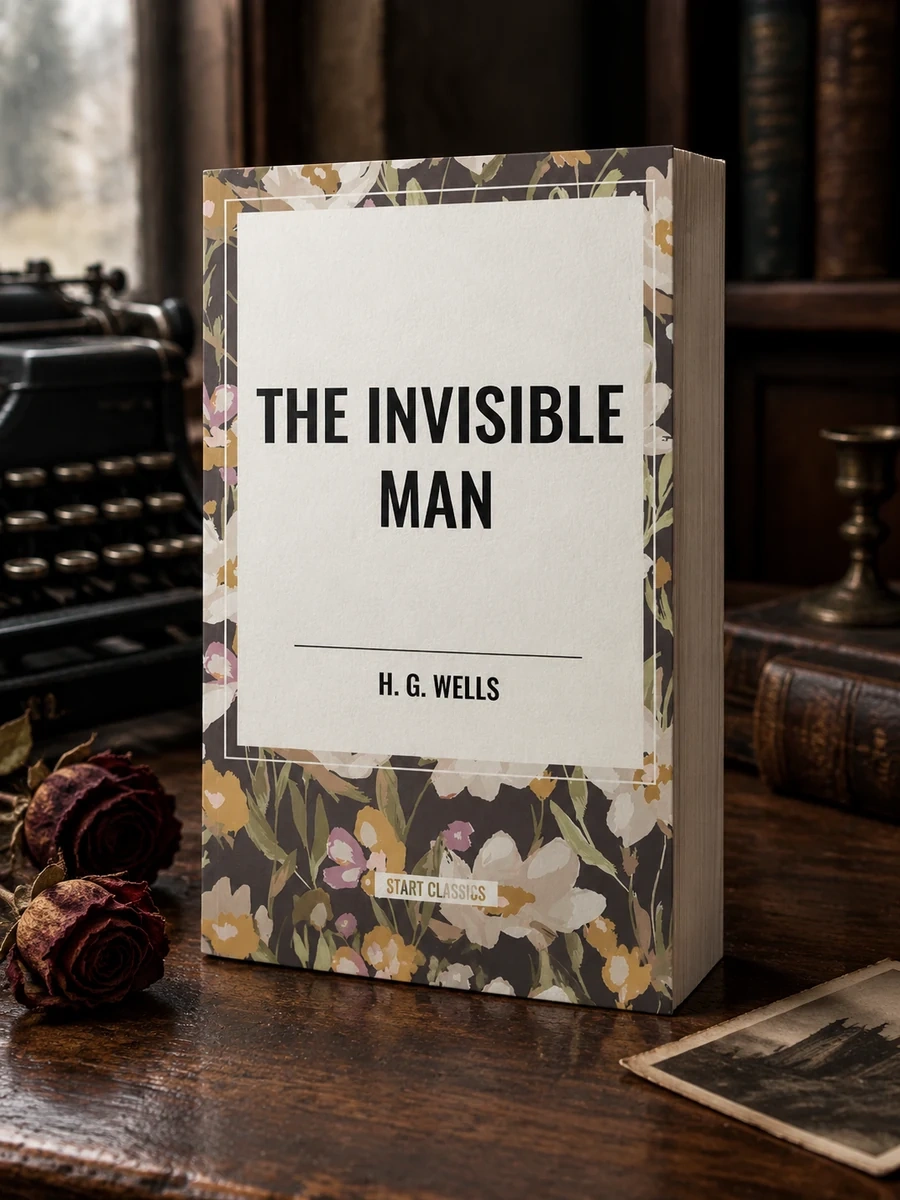

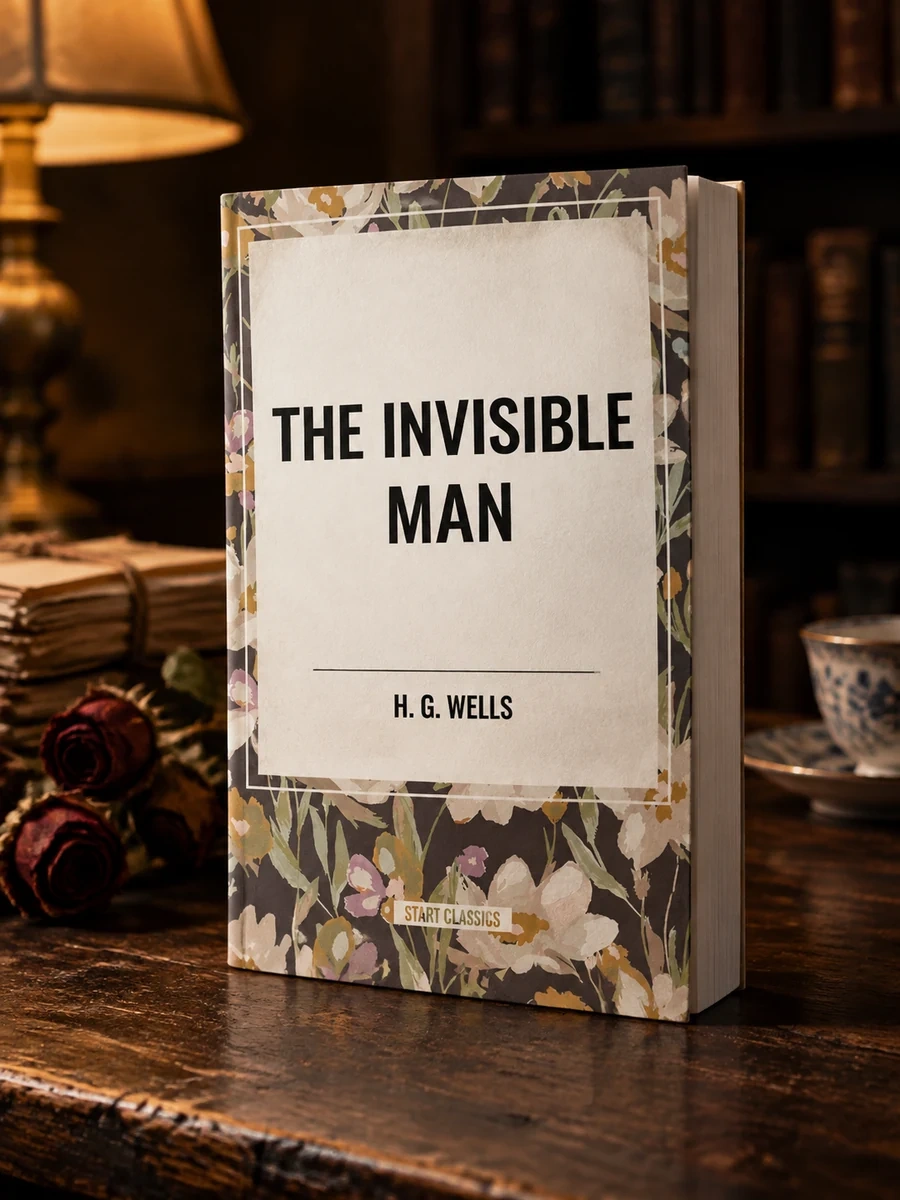
🏛 Books from this publisher Simon & Brown


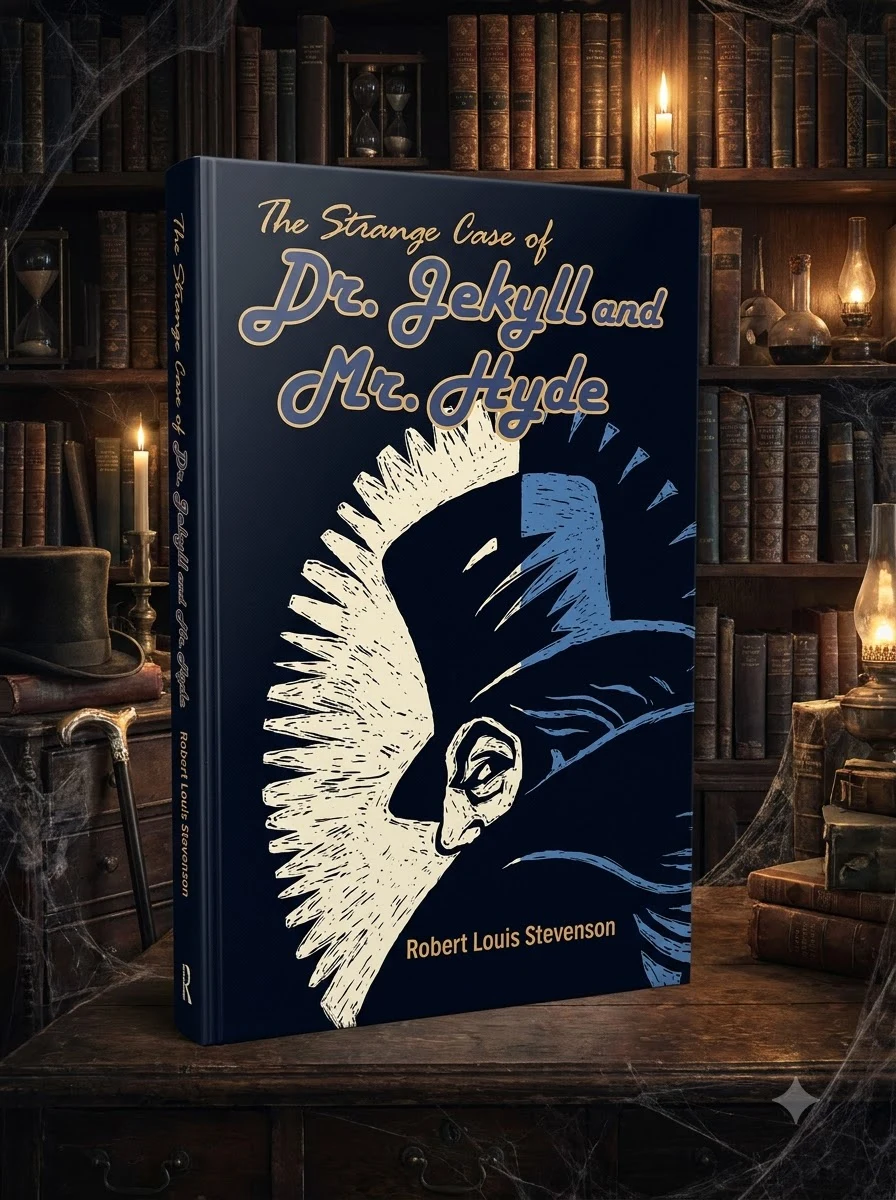
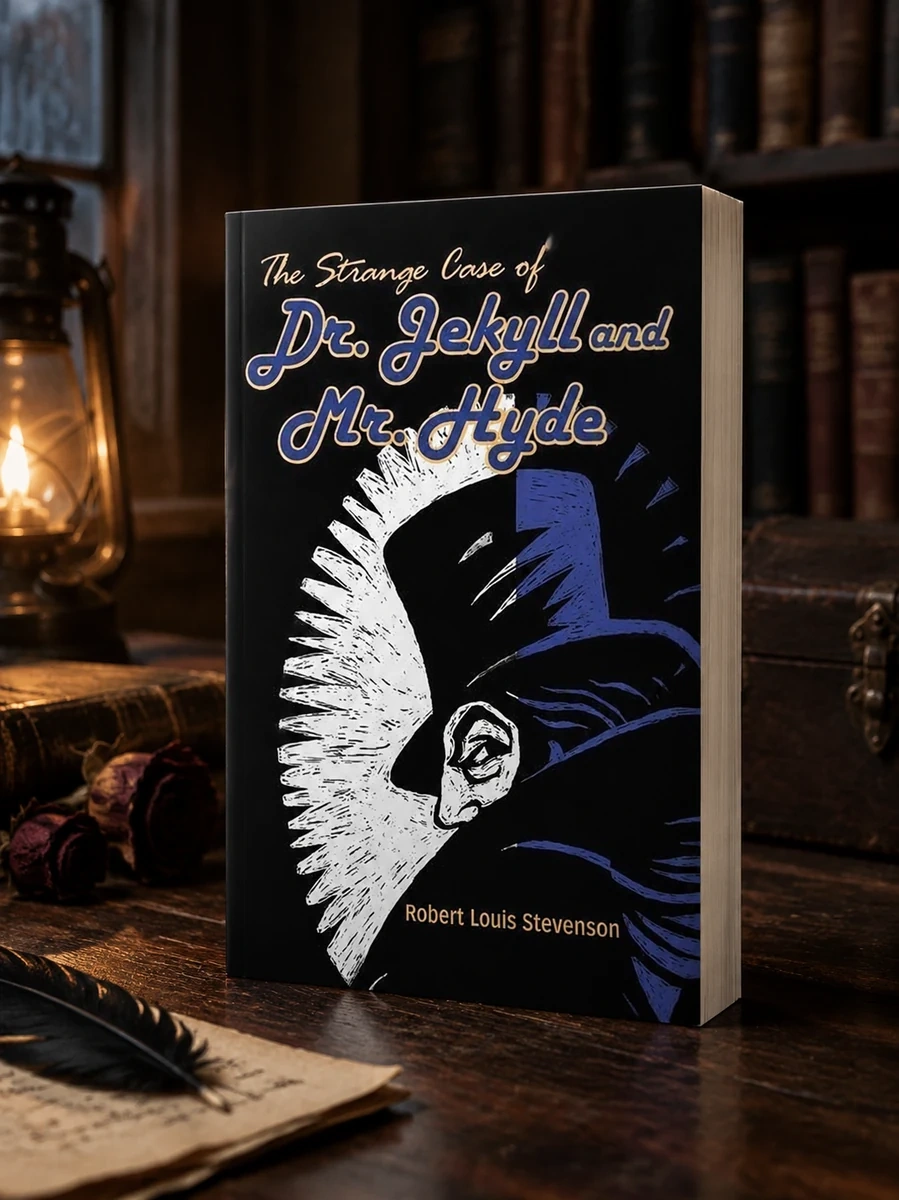

You might also like
See more →
Have a question about this item?
Ask about the edition, condition, delivery or anything else — we reply by email or phone, usually within a day.
