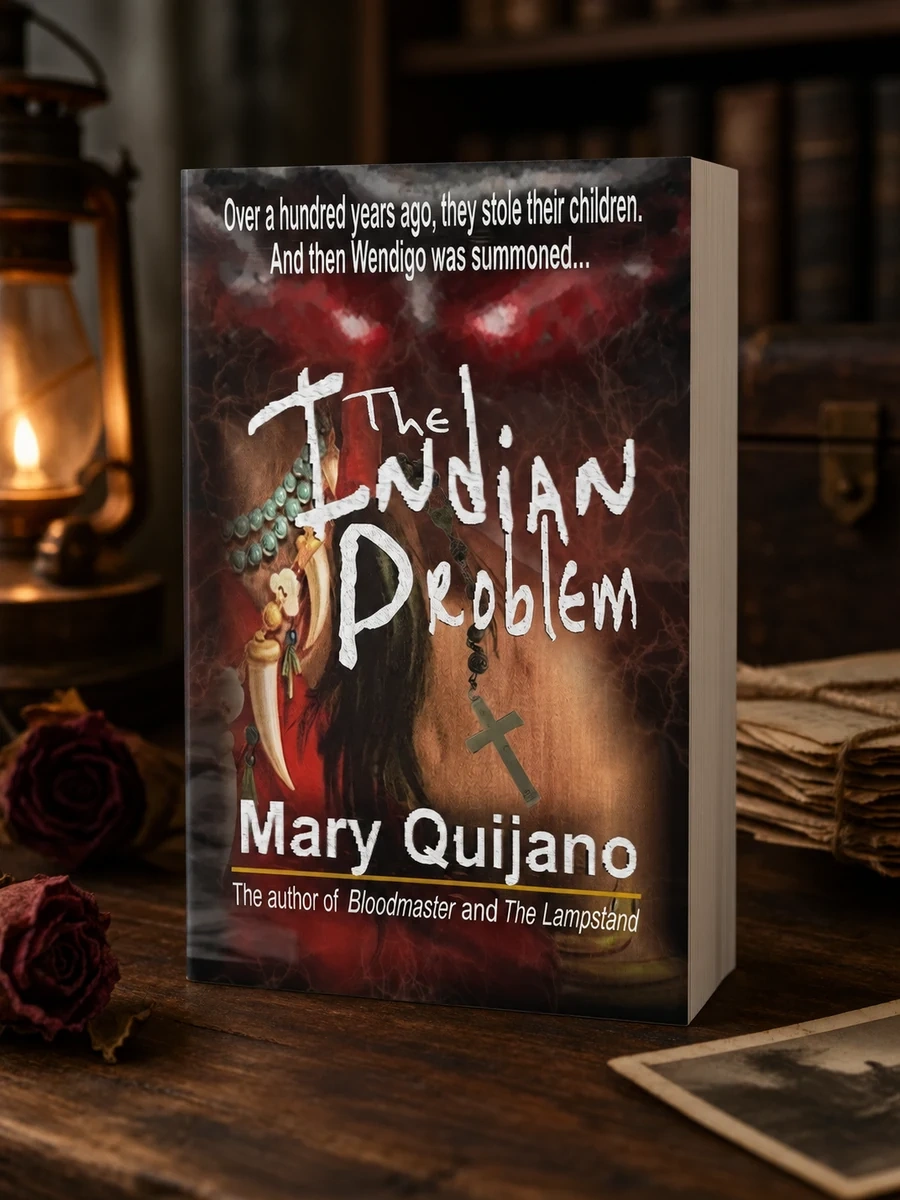
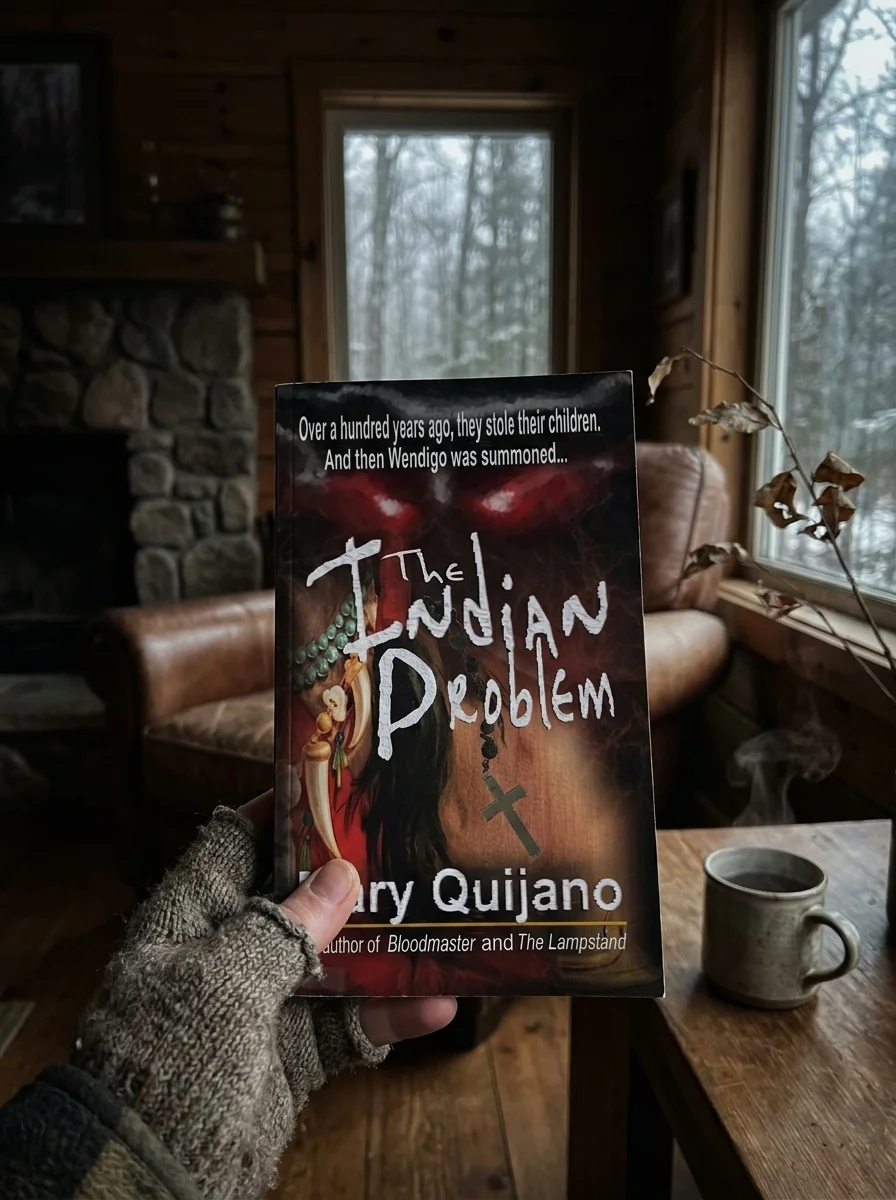
The Indian Problem
A novel blending historical trauma with Wendigo mythology in early twentieth century Canada.
The narrative structure shifts between the perspectives of Ojibwe victims, a reformist Jesuit priest, and a complicit nun. The plot accelerates when supernatural forces intervene in the systemic abuse at the boarding school. The Wendigo becomes a central antagonist, embodying the endless hunger that mirrors the institution's destruction of identity. Quijano uses this mythic framework to critique the physical, mental, and sexual abuse endured by children forced into these facilities. The story does not shy away from the grim reality of the residential school system while introducing a demonic entity that amplifies the existing horror. Readers encounter a tale where spiritual vengeance intersects with historical atrocity, creating a chilling examination of power and survival.
The book addresses early twentieth century Canada, focusing on the forced removal of indigenous children from their villages. It examines the residential school system where abuse was used to eliminate native identity. The narrative draws on Ojibwe traditions and the myth of the Wendigo to frame these historical injustices within a supernatural context.


📝 Description: The Indian Problem
💎 Our verdict on The Indian Problem
📖 Why choose it
Why this book is worth reading
Readers seeking a profound intersection of historical trauma and supernatural horror will find this novel compelling. It offers a chilling examination of power and survival, using the Wendigo myth to critique physical, mental, and sexual abuse in residential schools. The narrative provides a unique perspective on colonial violence and indigenous resilience, making it essential for those interested in gothic fiction that tackles heavy cultural suffering. It is particularly suitable for readers who appreciate visceral storytelling that does not shy away from grim realities or detached historical analysis. Those looking for light entertainment should avoid it, as the content is intensely rooted in specific cultural pain and spiritual corruption.
⭐ Reader reviews
Reader rating
Mary Quijano crafts a harrowing narrative that seamlessly blends historical atrocity with mythic retribution. By employing the Wendigo as a central antagonist, she amplifies the horror of systemic abuse while critiquing the destruction of identity within residential schools. The shifting perspectives between Ojibwe victims, a reformist priest, and a complicit nun create a complex tapestry of spiritual vengeance. The novel excels in its unflinching depiction of institutional corruption and the insatiable hunger that mirrors the abuse endured by children. It is best suited for readers comfortable with intense, visceral themes who wish to explore the intersection of gothic horror and colonial violence. This work demands attention from those willing to engage with difficult historical truths through a dark fantasy lens.
📖 Read on the blog
✍️ More books by this author Mary Quijano
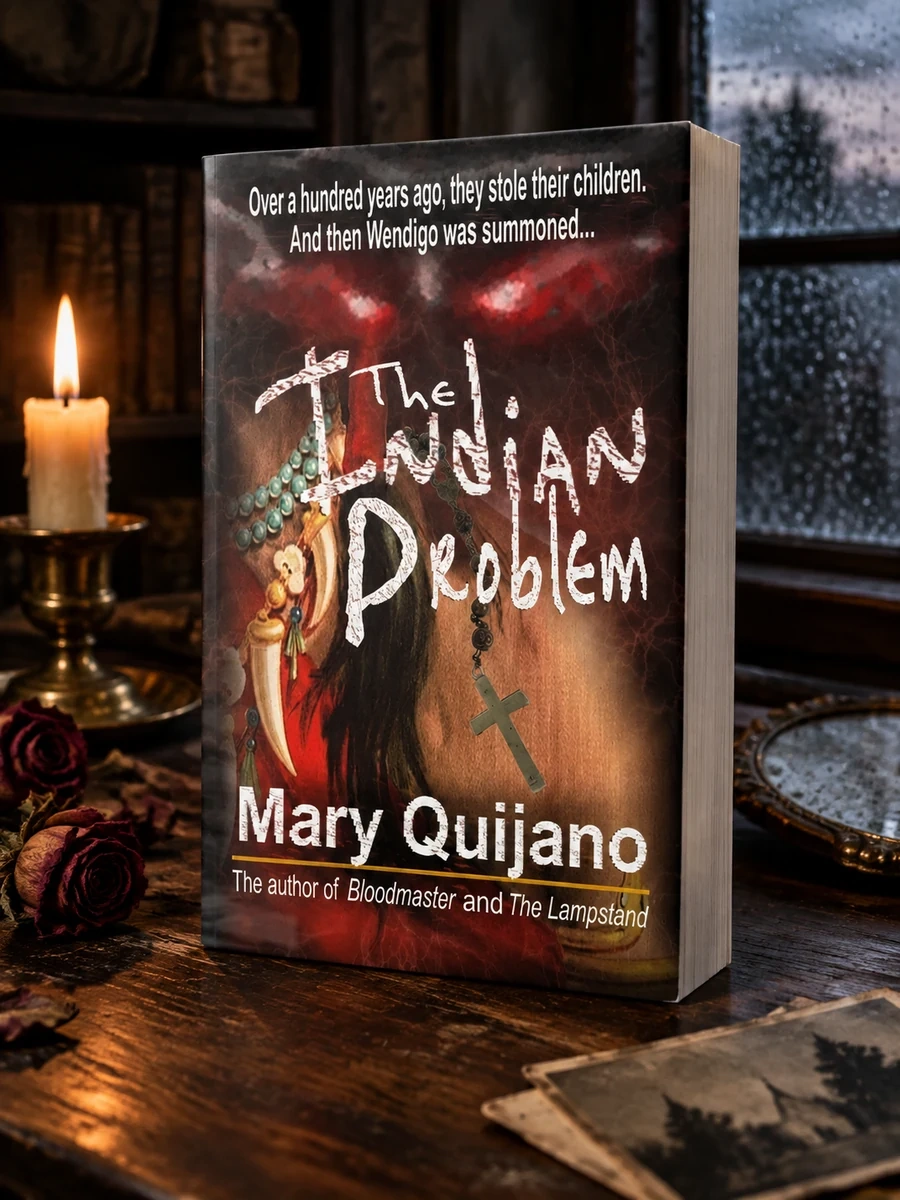


🏛 Books from this publisher Black Bed Sheet Classics



You might also like
See more →
Have a question about this item?
Ask about the edition, condition, delivery or anything else — we reply by email or phone, usually within a day.
