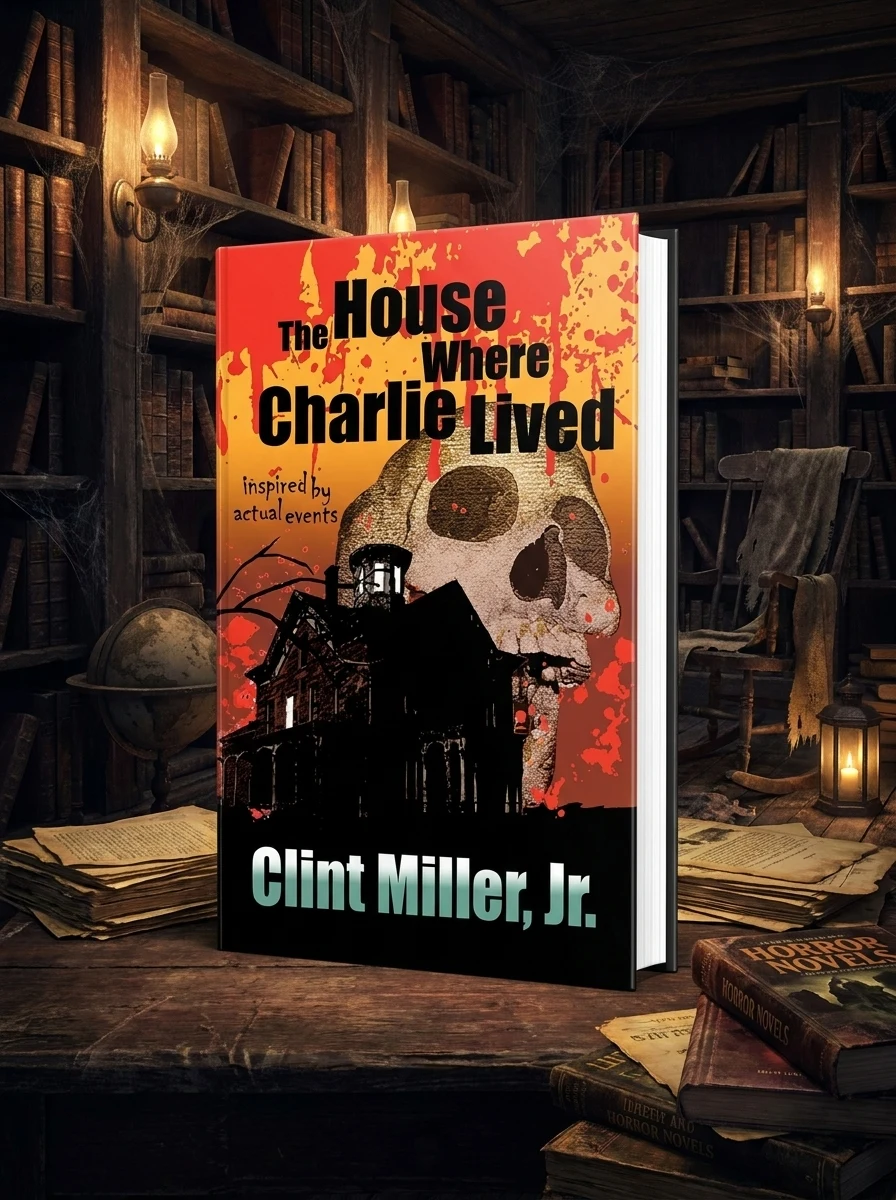
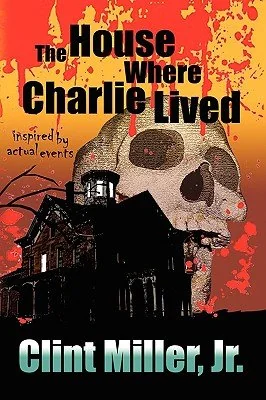
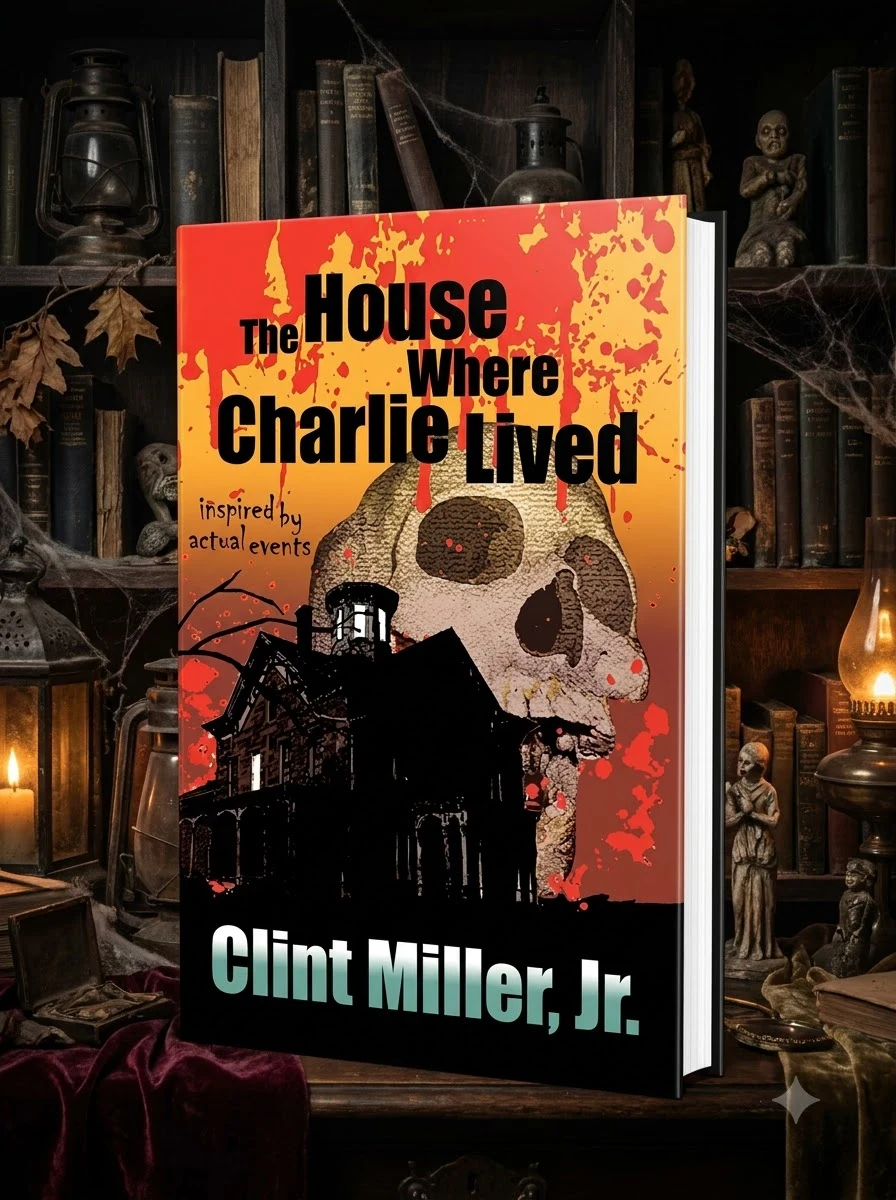
The House Where Charlie Lived
A 2008 horror novel focusing on psychological dread and atmospheric isolation rather than action.
This work examines the mechanics of fear through a lens that values mood over plot. Clint Jr Miller constructs a narrative where the setting drives the emotional response. The text avoids supernatural elements to focus on human perception of threat. It appeals to readers who enjoy slow-burning tension and psychological unease. The book does not cater to those seeking fast-paced action or detailed character arcs. Instead, it offers a concentrated study in how isolation generates dread. The prose style supports this goal by remaining direct and unadorned. Readers will find the experience consistent with traditional gothic horror principles that prioritize internal conflict over external events.
Published in 2008 by Xlibris, this paperback fits within the tradition of psychological horror. It emphasizes mood and sensory discomfort over plot complexity. The work appeals to readers who prefer slow-building tension and isolation rather than action or supernatural spectacle.


📝 Description: The House Where Charlie Lived
💎 Our verdict on The House Where Charlie Lived
📖 Why choose it
Why this book is worth reading
Readers who prioritize mood and sensory discomfort over complex plot structures will find this novel rewarding. It is ideal for those seeking a concentrated study on how isolation generates psychological unease rather than fast-paced action. The book appeals to enthusiasts of slow-burning tension who value direct, unadorned prose that cultivates dread through quiet accumulation. Those interested in the mechanics of fear and the environment acting as an antagonist will appreciate its commitment to traditional horror principles. It offers a genuine experience for those willing to engage with internal conflict rather than external events.
⭐ Reader reviews
Reader rating
Clint Jr Miller’s novel excels at cultivating atmosphere through psychological pressure rather than flashy gimmicks. The prose remains grounded, allowing the sense of threat to develop naturally without distraction. This approach creates a pure example of horror storytelling that depends on isolation and uncertainty. While it lacks intricate mysteries or deep character development, it succeeds as a focused exploration of dread. It suits readers who prefer stories that linger through unsettling moods and appreciate the genre’s quieter traditions. The work is a straightforward experience for those seeking genuine fear derived from human perception of threat.
📖 Read on the blog
✍️ More books by this author Clint, Jr Miller


🏛 Books from this publisher Xlibris
You might also like
See more →

Have a question about this item?
Ask about the edition, condition, delivery or anything else — we reply by email or phone, usually within a day.
