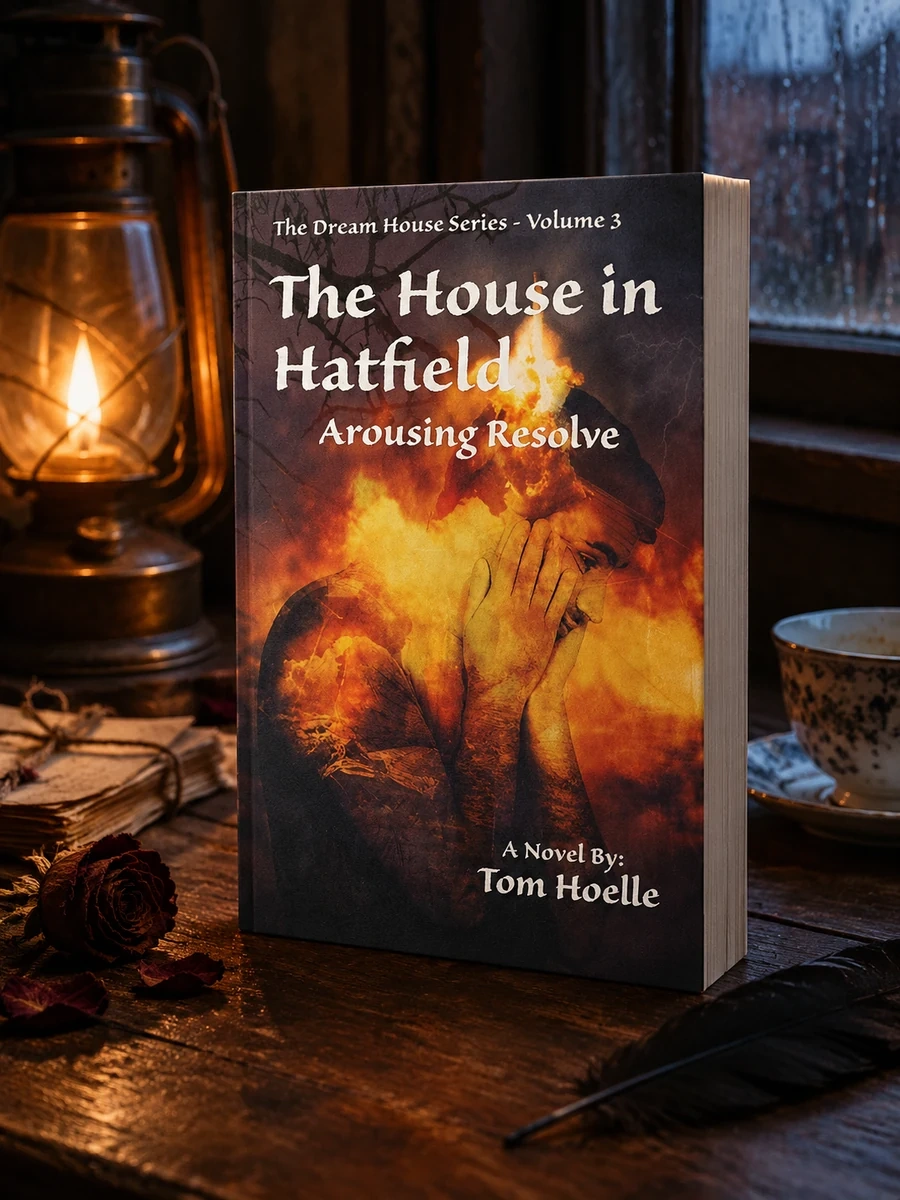

The House in Hatfield: Arousing Resolve
The final chapter of a saga about a cursed Hatfield property.
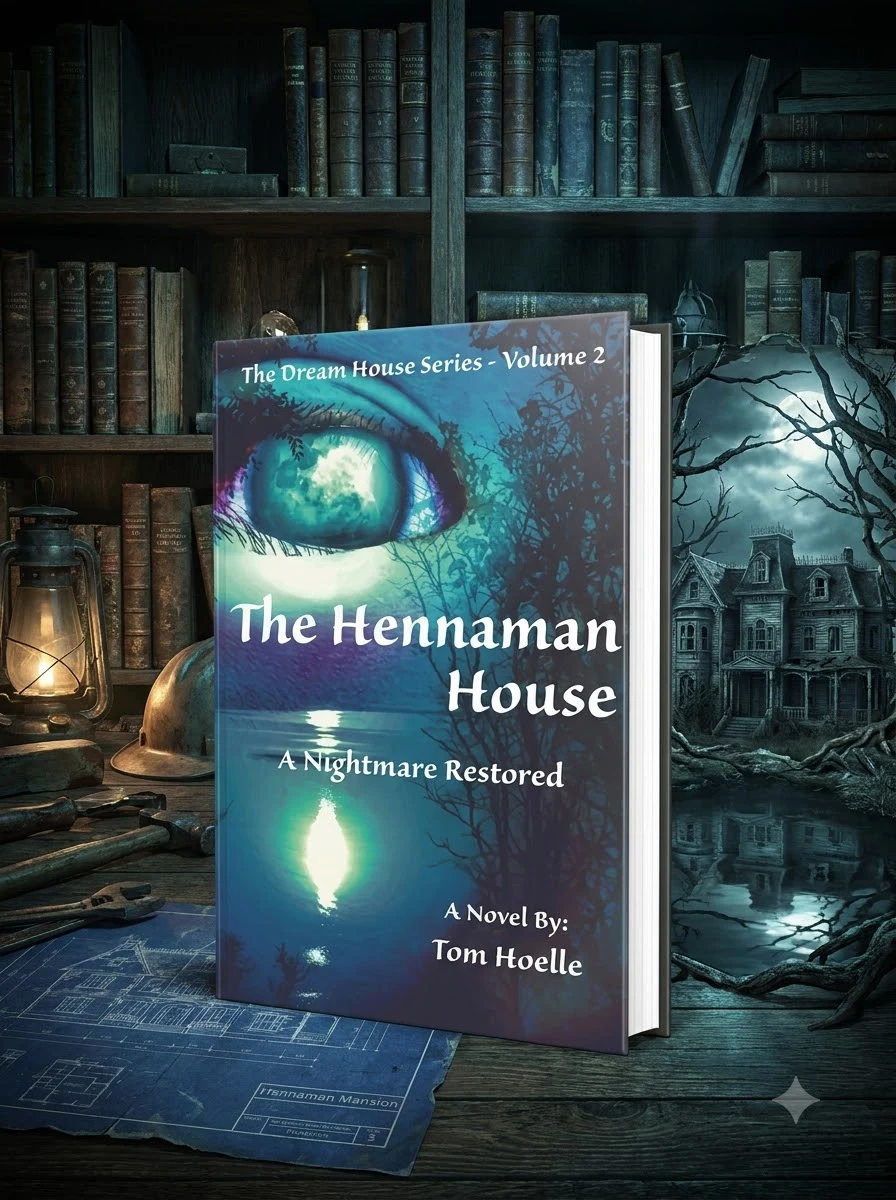
Hoelle’s work serves as the third and last installment of The Dream House Series. It focuses on a single location in Hatfield that has caused death since 1929. The text details how a banker built the house to isolate his wife, leading to tragedy. Later, in 1963, a developer tried to fix it up, which also failed fatally. In 1994, researchers return to exploit the site, supported by the youngest relative of the original owner. This dynamic brings the house back to life. The narrative structure moves through these distinct periods to show how the past influences the present. The story relies on the tension between opportunistic outsiders and wary locals. It concludes with a climax that forces characters to face the consequences of their actions within this specific haunted environment.
The book sits within the tradition of American gothic fiction and psychological thrillers. It draws on periods from 1929 through 1963 to 1994. The setting is exclusively Hatfield. The work reflects independent publishing trends by focusing on niche supernatural themes for readers who enjoy detailed histories of haunted locations.


📝 Description: The House in Hatfield: Arousing Resolve
💎 Our verdict on The House in Hatfield: Arousing Resolve
📖 Why choose it
Why this book is worth reading
Readers who appreciate the slow-burn tension of psychological horror will find this conclusion rewarding. Those interested in how past actions dictate present consequences will engage with the multi-era structure. Fans of gothic fiction seeking a focused, location-based nightmare will appreciate the detailed exploration of the Hatfield property. It offers a satisfying resolution to the Dream House saga for dedicated followers. The narrative appeals to those who enjoy exploring the clash between opportunistic outsiders and wary locals within a confined, haunted space.
⭐ Reader reviews
Reader rating
Hoelle effectively utilizes the specific history of the Hatfield house to build dread across decades. The shift from 1929 isolation to 1963 redevelopment and finally 1994 exploitation creates a compelling arc of recurring tragedy. The psychological weight of the banker’s original sin sets a strong foundation for the later generations' folly. The confrontation between researchers and the house’s malevolence provides a tense, atmospheric climax. This book suits dedicated fans of the series who want closure on the saga. It is best for readers who value historical context and psychological depth over fast-paced action or lighthearted supernatural thrills.