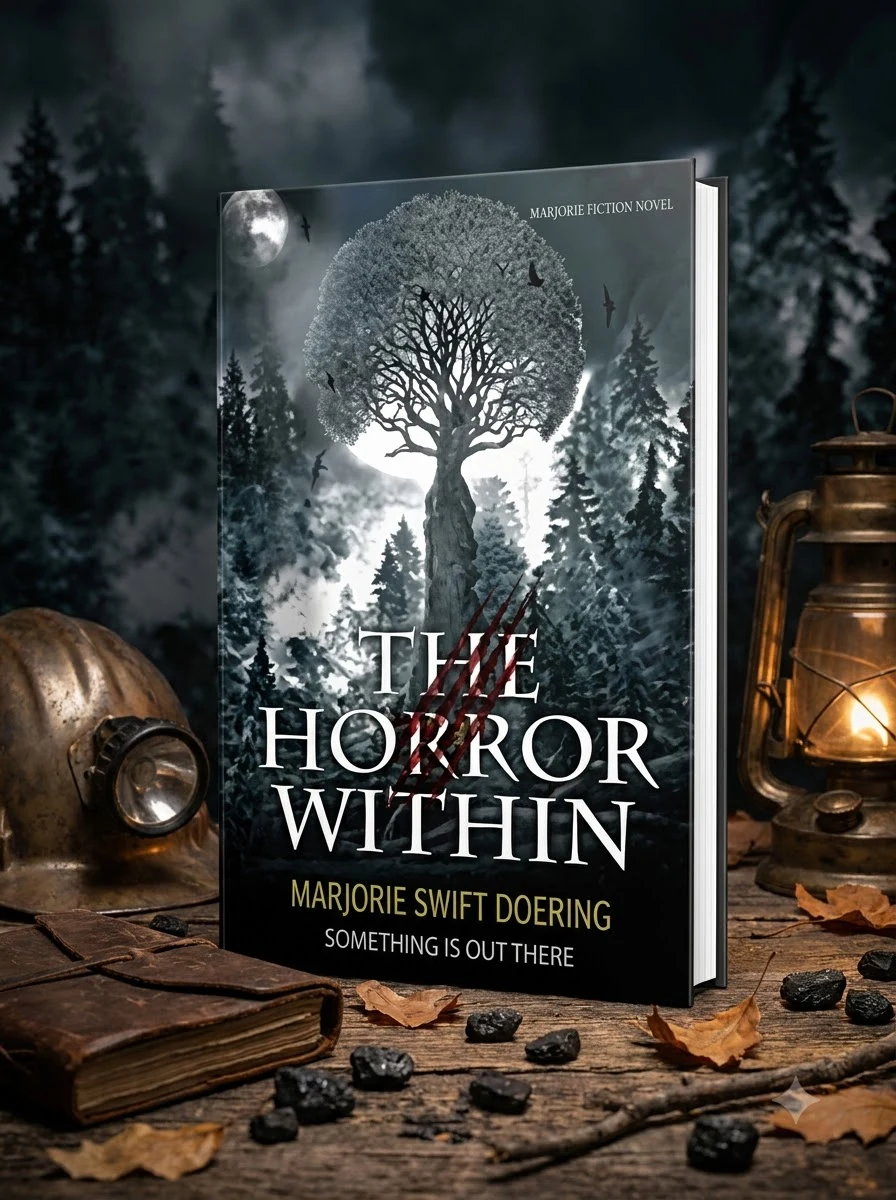
The Horror Within
A 1919 horror novel about a werewolf threat in an Ohio mining town.
The narrative centers on the aftermath of World War I, specifically the year 1919. Eryk Laska returns to Floodwood Station, Ohio, only to face immediate peril. The setting is crucial, placing the action at the edge of Hocking Hills State Forest within a coal-mining community. The antagonist is not human but a creature identified through various folk names: Wilkolak, Farkasember, and Varcolac. This entity displays huge physical power and extreme lethality. Its motivation remains singular and brutal, fueled by bloodlust rather than complex psychology. The plot involves the gradual realization of the townspeople regarding the true nature of their enemy. Emily Ann Sokel serves as a key figure whose warnings were ignored. The story blends post-war trauma with supernatural terror, creating a claustrophobic atmosphere typical of gothic fiction adapted to an American frontier context.
Set in 1919 Ohio near Hocking Hills State Forest, the book utilizes European werewolf legends like the Wilkolak and Farkasember. It places these myths within a coal-mining immigrant community, blending historical realism with supernatural dread.


📝 Description: The Horror Within
💎 Our verdict on The Horror Within
📖 Why choose it
Why this book is worth reading
Readers interested in the intersection of historical realism and supernatural terror will find this novel compelling. It offers a unique perspective on the post-WWI era, exploring how ancient European folklore permeated American immigrant experiences in mining towns. The book is ideal for those who appreciate gothic atmospheres adapted to an American setting, rather than contemporary horror. It appeals to fans of psychological unease mixed with visceral physical danger, providing a grim yet fascinating look at survival against an insatiable, monstrous force that defies reason.
⭐ Reader reviews
Reader rating
Marjorie Doering effectively constructs a claustrophobic atmosphere by anchoring supernatural terror in the gritty reality of 1919 Ohio. The novel succeeds in blending post-war trauma with gothic horror, creating a tense narrative where the threat is both physical and psychological. By utilizing folk names like Wilkolak and Varcolac, Doering grounds the monster in specific cultural traditions, enhancing the sense of dread. This work suits readers who enjoy historical horror with a focus on community isolation and the failure of rationality against primal fear. It is less suitable for those seeking modern settings or non-fiction accounts, offering instead a grim tale of survival against an enemy driven by pure bloodlust.
📖 Read on the blog
🏛 Books from this publisher Independently Published








You might also like
See more →
Have a question about this item?
Ask about the edition, condition, delivery or anything else — we reply by email or phone, usually within a day.
