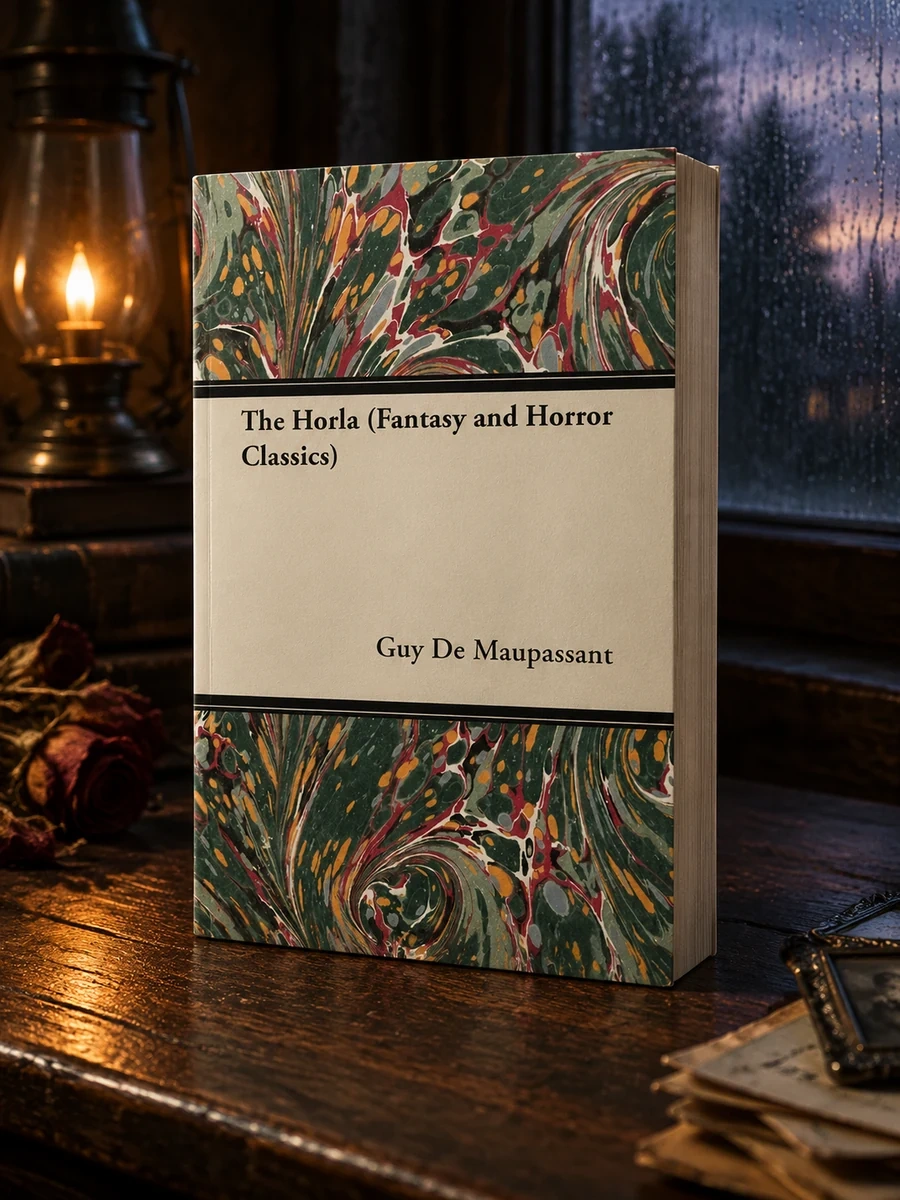
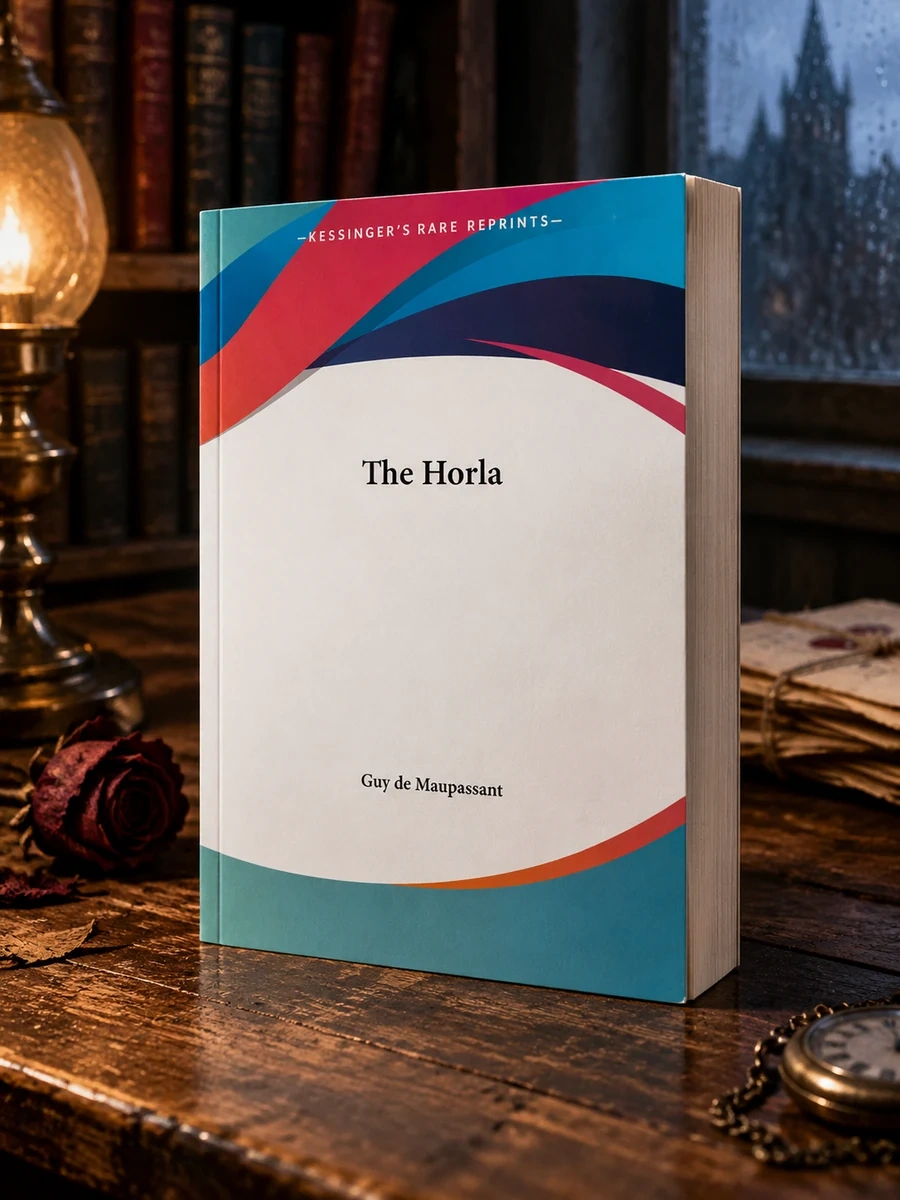
The Horla (Fantasy and Horror Classics)
A diary of a man losing his sanity to an invisible parasite.
The narrative structure relies on the personal accounts of a tormented individual isolated in France. He documents his decline as he confronts the Horla, a creature that feeds on his vitality without physical form. The text examines the fear of being watched and consumed by something superior. It explores the erosion of rational thought when faced with the unknown. The horror stems from the gradual loss of control rather than sudden violence. This approach redefined the supernatural genre by focusing on internal terror. The work remains a key example of late nineteenth-century literary horror.
Guy de Maupassant is one of France's most celebrated literary masters. This seminal work redefined the supernatural genre and influenced generations of writers from H. P. Lovecraft onward. It stands as a key piece of classic supernatural fiction rooted in psychological horror traditions.


📝 Description: The Horla (Fantasy and Horror Classics)
💎 Our verdict on The Horla (Fantasy and Horror Classics)
📖 Why choose it
Why this book is worth reading
Readers interested in the erosion of rational thought and the fear of the unknown will find this narrative deeply compelling. It offers a unique perspective on internal terror rather than relying on sudden violence or traditional monsters. Those who appreciate slow-burning dread and the psychological impact of isolation will gain much from this experience. It is ideal for fans of classic literary horror who enjoy analyzing the decline of sanity when confronted with superior, unseen forces.
⭐ Reader reviews
Reader rating
Guy de Maupassant delivers a masterclass in psychological horror through the diary entries of a tormented gentleman. The text effectively examines the fear of being watched and consumed by an invisible parasite, creating unrelenting dread without physical confrontation. Its strength lies in the gradual loss of control, redefining the supernatural genre by focusing on internal terror. This approach suits readers who prefer atmospheric tension over fast-paced action. It remains a key example of classic horror, blending realism with cosmic themes to explore humanity's vulnerability.
📖 Read on the blog
✍️ More books by this author Guy De Maupassant


🏛 Books from this publisher Fantasy and Horror Classics
You might also like
See more →

Have a question about this item?
Ask about the edition, condition, delivery or anything else — we reply by email or phone, usually within a day.
