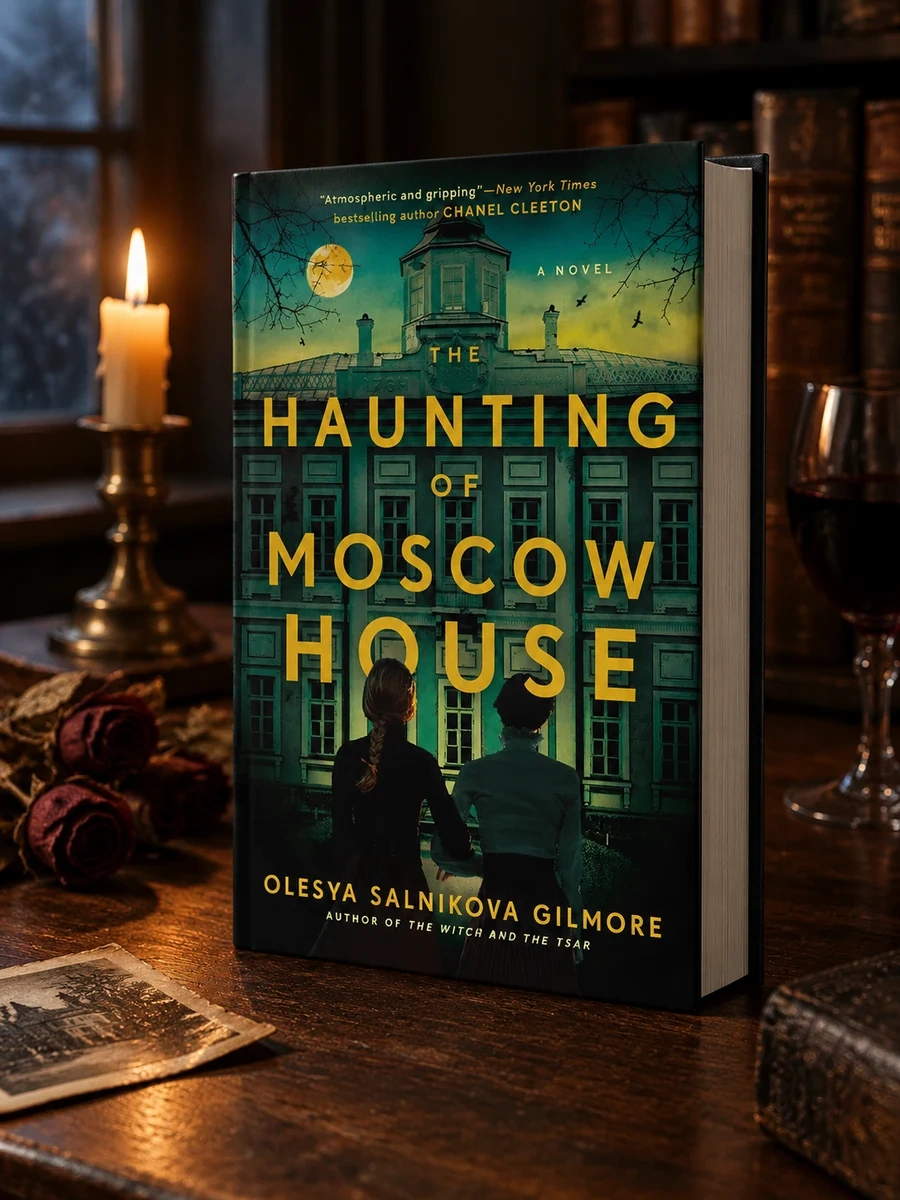
The Haunting of Moscow House
A gothic tale of Soviet-era ghosts haunting a decaying aristocratic mansion.
The narrative focuses on two sisters displaced in their own home by political revolution. They work for an American aid group to survive while supernatural forces disrupt their new reality. The plot centers on the conflict between living refugees and restless dead relatives seeking justice. Gilmore uses the setting of Moscow to explore themes of loss, displacement, and the lingering impact of violent political change. The story does not offer easy resolutions for its characters facing both human and spectral threats.
The story is set in Moscow during the summer of 1921. It depicts the immediate aftermath of the Russian Revolution where Bolsheviks seized power. The narrative reflects the displacement of aristocratic families and the arrival of foreign aid organizations like the American Relief Administration to address famine conditions.


📝 Description: The Haunting of Moscow House
💎 Our verdict on The Haunting of Moscow House
📖 Why choose it
Why this book is worth reading
Readers seeking a dense, atmospheric experience will find value in this novel’s unique intersection of gothic tradition and Soviet history. It appeals to those interested in the psychological weight of displacement and the eerie persistence of the past within decaying aristocratic settings. The narrative offers a compelling look at how political upheaval disrupts personal reality, creating a space where living refugees and restless spirits clash for justice. It is ideal for enthusiasts of dark fantasy and historical horror who appreciate complex themes of loss and retribution over simple scares. Those willing to engage with a slower, more introspective pace will find the exploration of trauma and spectral vengeance deeply rewarding.
⭐ Reader reviews
Reader rating
Gilmore delivers a chilling narrative that successfully merges gothic horror with the specific anxieties of post-revolutionary Russia. The atmosphere of the decaying Moscow mansion serves as a potent metaphor for the collapse of order, enhancing the supernatural elements. By focusing on two sisters displaced in their own home, the author creates immediate tension between the living and the dead. The story avoids easy resolutions, offering instead a complex examination of justice and survival. This approach suits readers who enjoy dense historical context and psychological depth. Those preferring lighthearted romance may find the tone too heavy, but fans of eerie, retribution-focused tales will appreciate the meticulous building of dread and the intricate interplay between political reality and spectral intrusion.
📖 Read on the blog
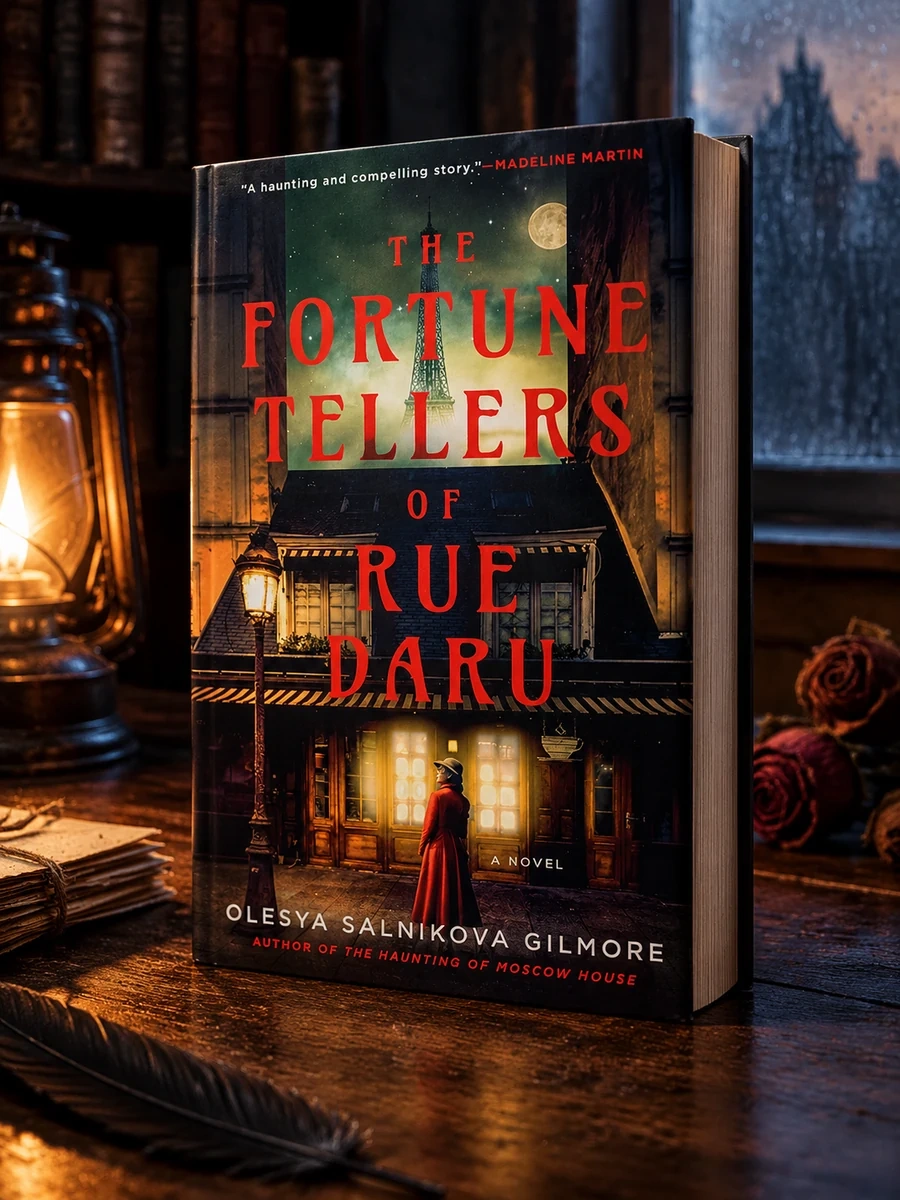
✍️ More books by this author Olesya Salnikova Gilmore


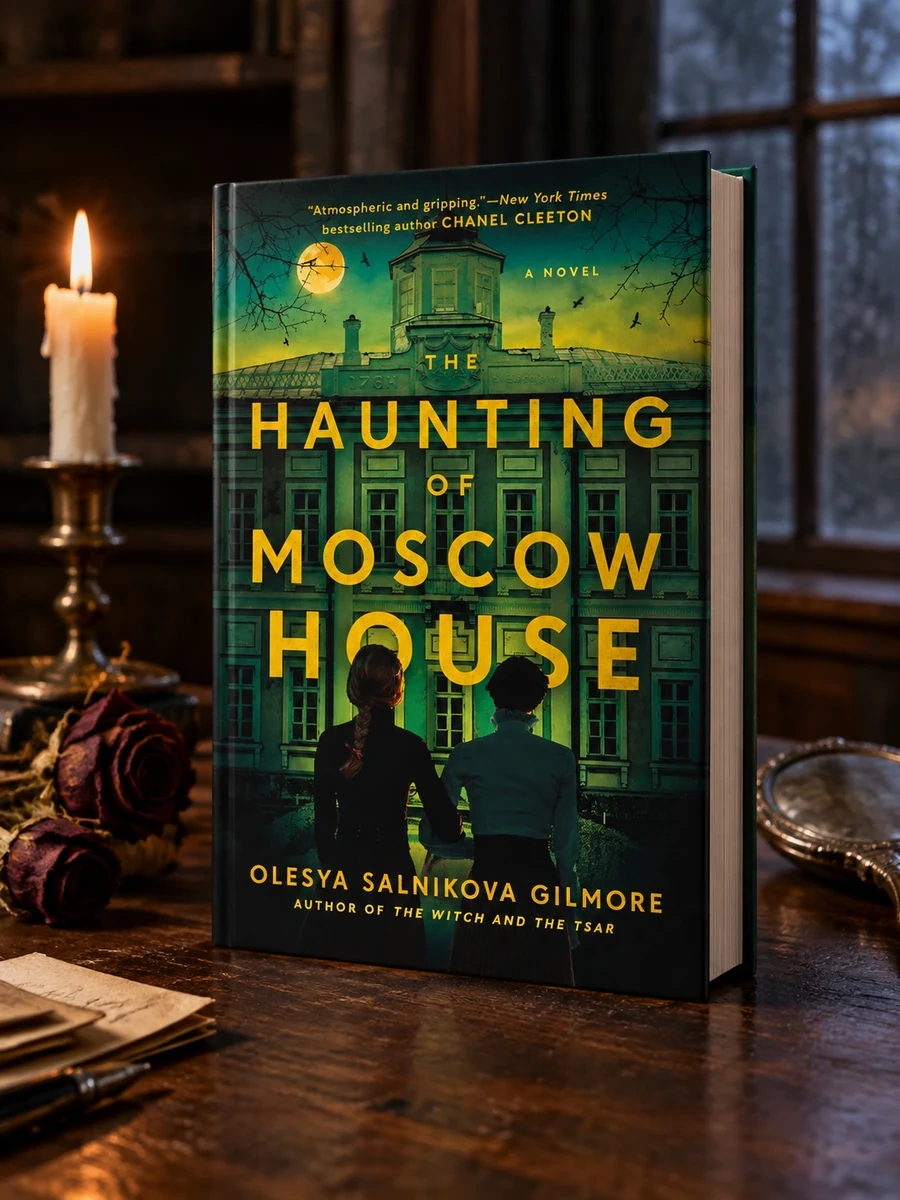
🏛 Books from this publisher Berkley Books




You might also like
See more →


Have a question about this item?
Ask about the edition, condition, delivery or anything else — we reply by email or phone, usually within a day.
