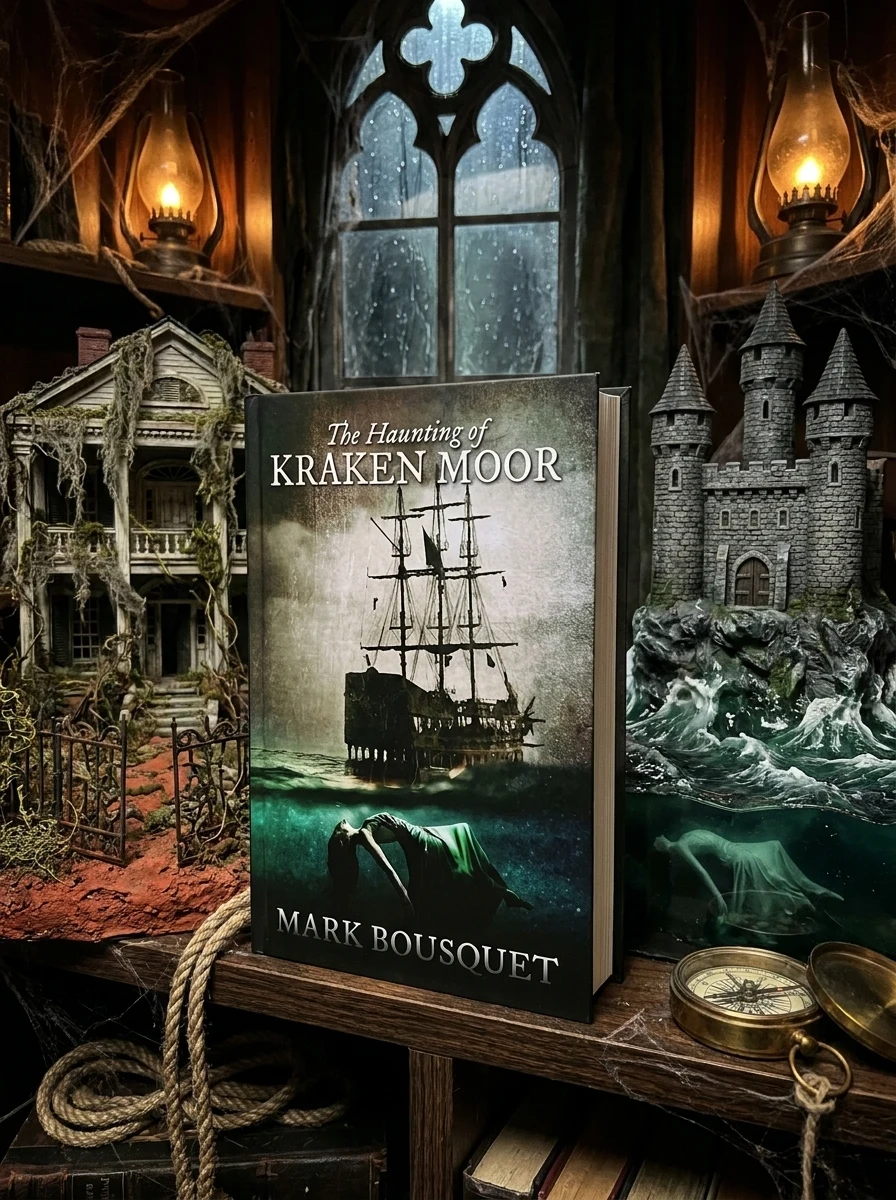
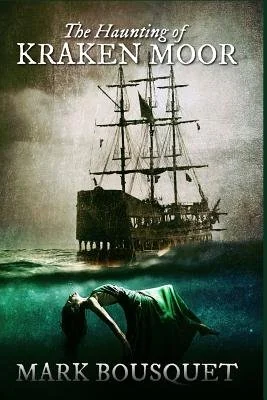
The Haunting of Kraken Moor
A 19th-century journal detailing a housekeeper's encounter with ancient evil at an English castle.
Beatrice Sharper leaves her life in the American South to become a housekeeper at Kraken Moor. The castle was named by a captain who went mad in the Pacific. Her eighteen months of preparation lead to this role in eastern England. Upon arriving, she encounters strange happenings that signal a larger threat. An ancient evil seeks to return to Earth and destroy all life. Beatrice records these events in her journal. The narrative provides her personal account of the supernatural plot unfolding around her. This approach grounds the horror in her daily experiences and observations. The story combines elements of gothic fiction with historical drama. It focuses on the psychological impact of living in a haunted space. The text offers a window into the late nineteenth-century experience of women seeking autonomy.
The narrative is set in 1863 and 1864, bridging the American South and eastern England. It reflects Victorian era anxieties about madness and the sea. The story draws on gothic traditions of isolated mansions and ancient curses. It utilizes the epistolary format common in nineteenth-century literature to convey horror.


📝 Description: The Haunting of Kraken Moor
💎 Our verdict on The Haunting of Kraken Moor
📖 Why choose it
Why this book is worth reading
Readers who appreciate slow-burn atmospheric horror and gothic traditions will find this journal-style narrative deeply engaging. The book offers a unique window into the psychological impact of living in a haunted space during the Victorian era. By grounding supernatural terror in daily experiences, it provides an immersive perspective on fear and isolation. Those interested in historical drama and the subtle struggles for female independence will also connect with the protagonist's journey. It is ideal for those who prefer character-driven plots over fast-paced action. The intimate format allows for a profound exploration of dread within a specific cultural context.
⭐ Reader reviews
Reader rating
Bousquet effectively utilizes a first-person journal format to create an intimate and unsettling atmosphere. The focus on Beatrice’s psychological state grounds the supernatural elements in tangible reality, enhancing the horror through personal observation rather than omniscient narration. This approach suits fans of traditional gothic fiction who value mood and setting over modern tropes. While the slow pace may deter those seeking immediate thrills, it rewards patience with a deep dive into Victorian isolation. The historical context adds weight to the protagonist’s quest for autonomy against an ancient evil. It is a solid entry for enthusiasts of psychological horror and isolated estate narratives.