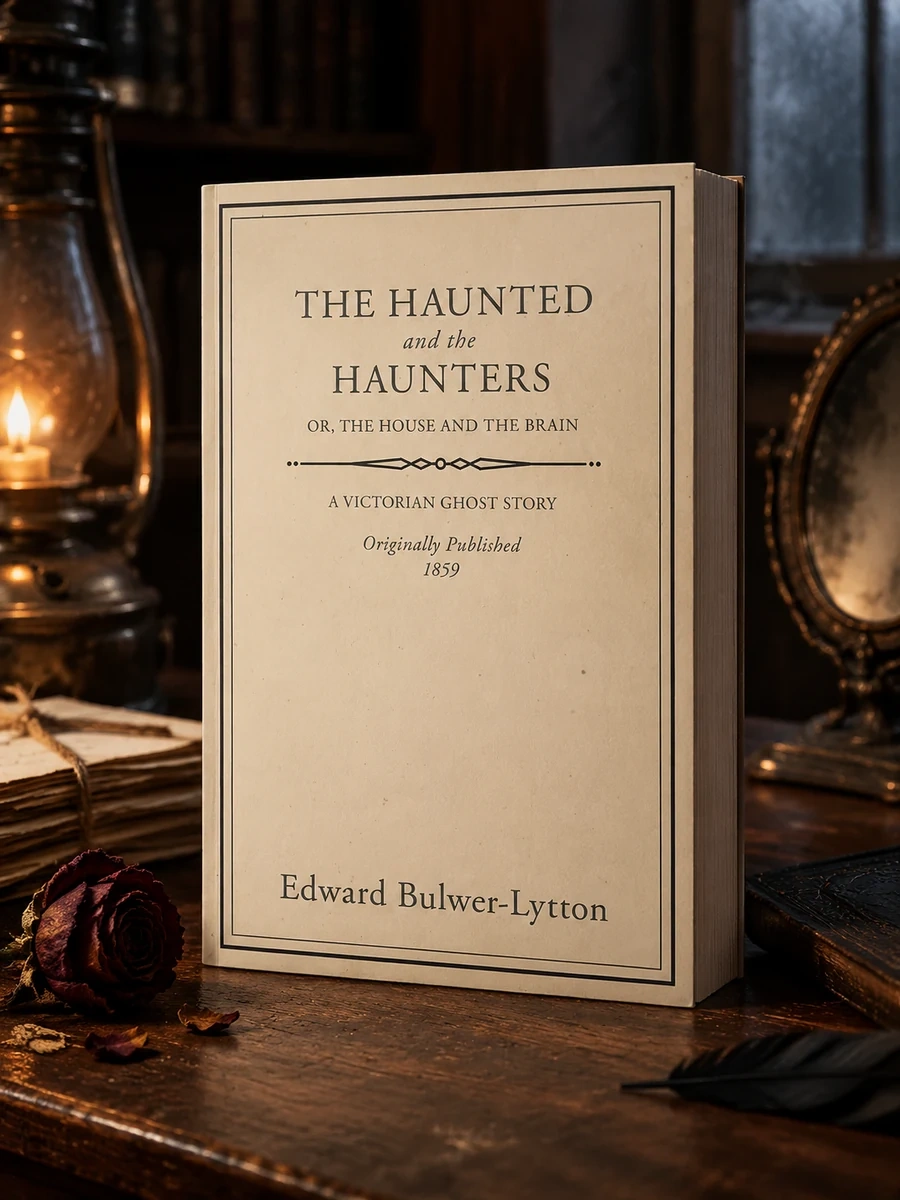
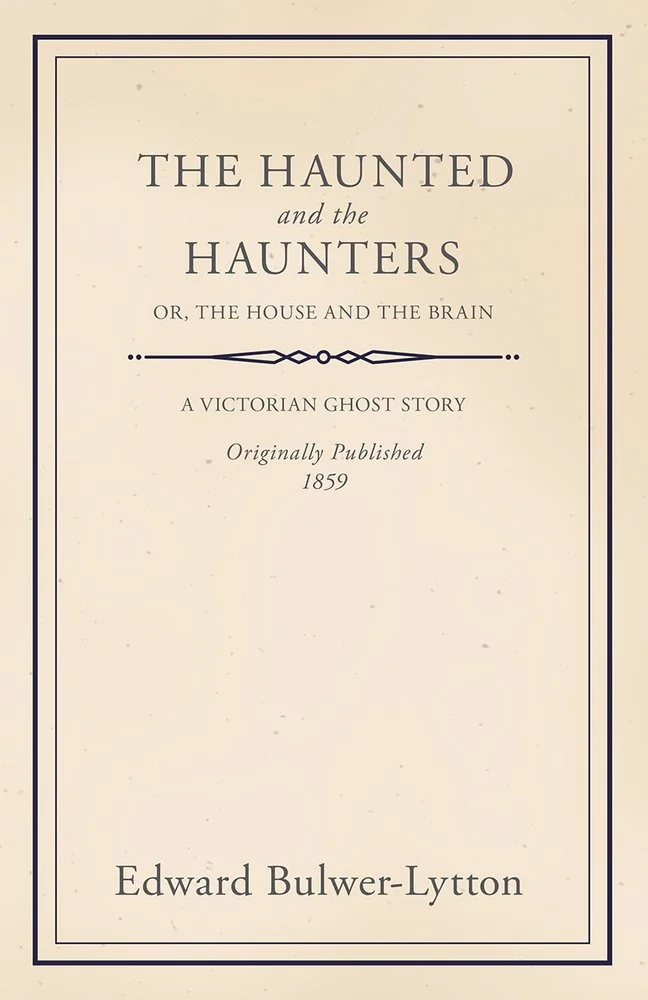
The Haunted and the Haunters - Or, the House and the Brain
A 1859 novel about a house with its own consciousness influencing its inhabitants.
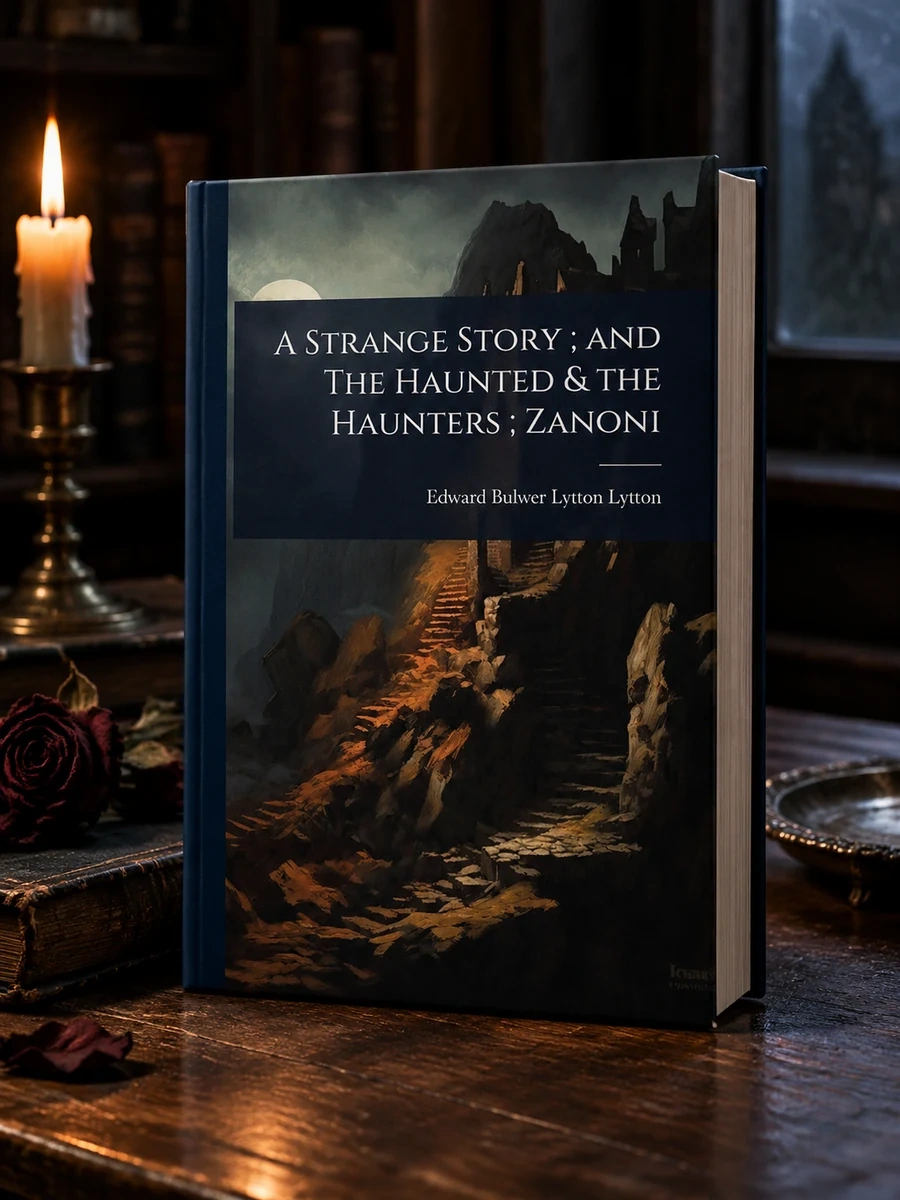
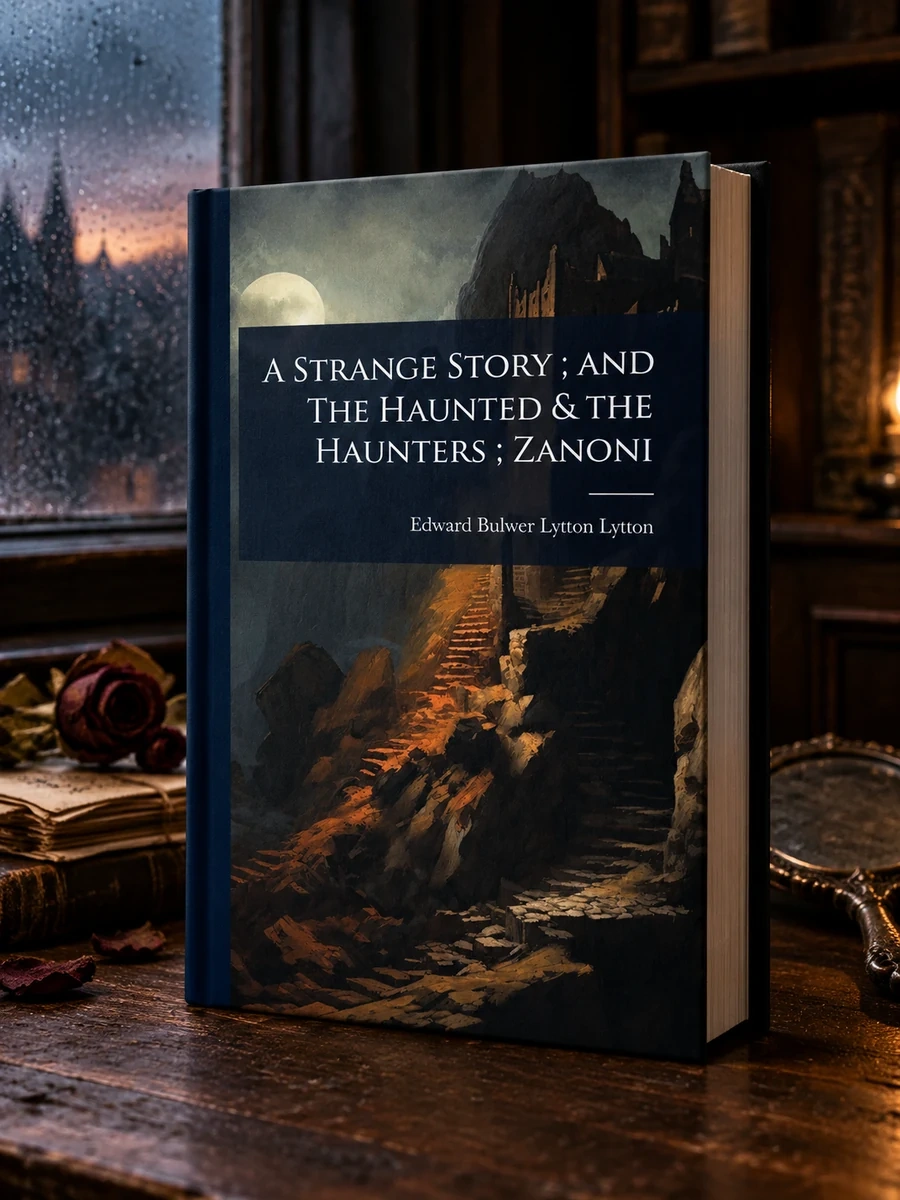
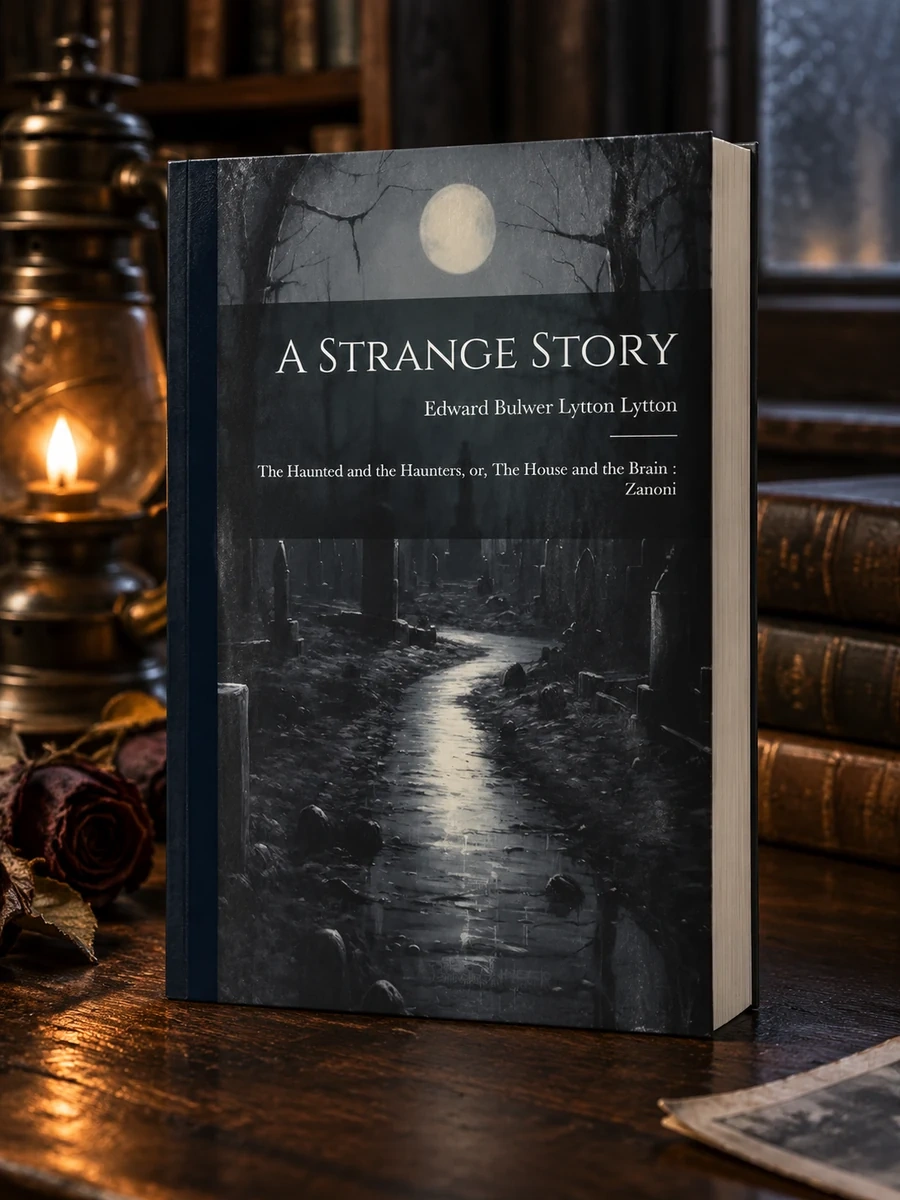
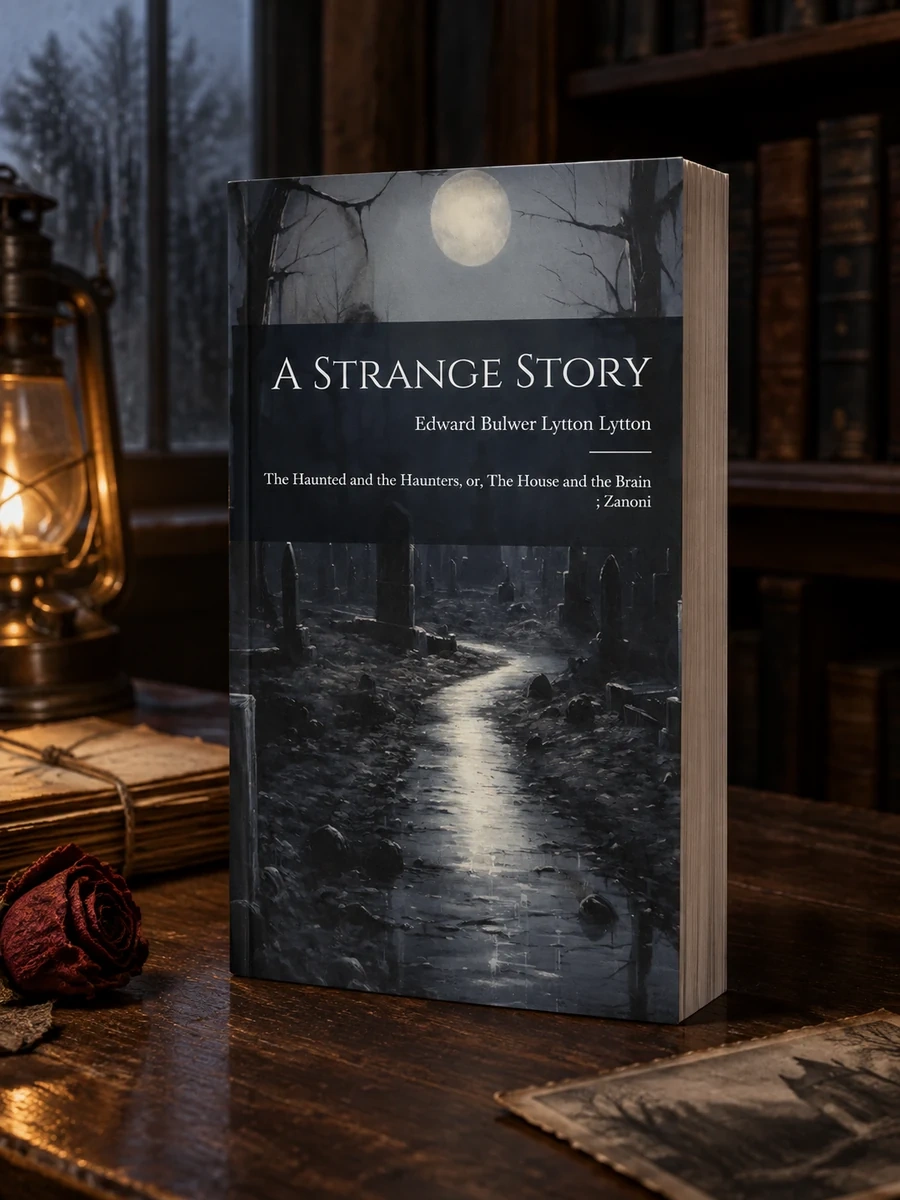
This volume presents Edward Bulwer Lytton’s exploration of supernatural themes through the concept of a haunted house that affects the brain. The author, famous for Paul Clifford and Eugene Aram, wrote this work in 1859. It influenced later writers like Bram Stoker. The story deals with frightening fiction where the setting itself is the antagonist. Lytton’s background as a poet and politician adds layers to his narrative style. The book is republished by Northup Press to make this scarce work accessible. It includes a specially commissioned biography of the author. The text appeals to lovers of vintage horror and gothic literature. It provides insight into the evolution of supernatural fiction in the nineteenth century. The narrative structure supports its thematic focus on the power of place over person.
Published in 1859, this novel sits within the Victorian era of English literature. Edward Bulwer Lytton was a prominent novelist and playwright. His work influenced Bram Stoker’s Dracula. The text reflects the period’s interest in supernatural fiction and psychological horror.


📝 Description: The Haunted and the Haunters - Or, the House and the Brain
💎 Our verdict on The Haunted and the Haunters - Or, the House and the Brain
📖 Why choose it
Why this book is worth reading
Readers with a scholarly interest in the genealogy of horror fiction will find this text indispensable for understanding how Victorian authors conceptualized fear through environment rather than specters. It appeals to those who appreciate the intellectual depth of gothic literature and wish to trace the lineage of psychological terror back to its roots. The narrative offers a unique perspective on how physical spaces can shape human behavior, making it essential for students of literary history. Fans of atmospheric dread over action will gain insight into the genre’s development during the nineteenth century. This work provides a sophisticated examination of the intersection between architecture and psychology, offering a rewarding experience for those willing to engage with slower, more contemplative pacing.
⭐ Reader reviews
Reader rating
Edward Bulwer Lytton crafts a compelling exploration of supernatural themes where the setting itself becomes the antagonist. The novel excels in building intellectual dread through its depiction of a house possessing its own consciousness, influencing the minds of its inhabitants without relying on traditional ghosts. This approach highlights the psychological impact of place, offering a nuanced study of fear and behavior. The narrative structure supports this thematic focus, prioritizing atmosphere over action. It is best suited for lovers of vintage horror, gothic literature enthusiasts, and those interested in the historical evolution of supernatural fiction. While not for seekers of fast-paced thrills, it provides a rich, atmospheric experience that rewards patience and an appreciation for literary depth.
📖 Read on the blog
✍️ More books by this author Edward Bulwer Lytton Lytton


You might also like
See more →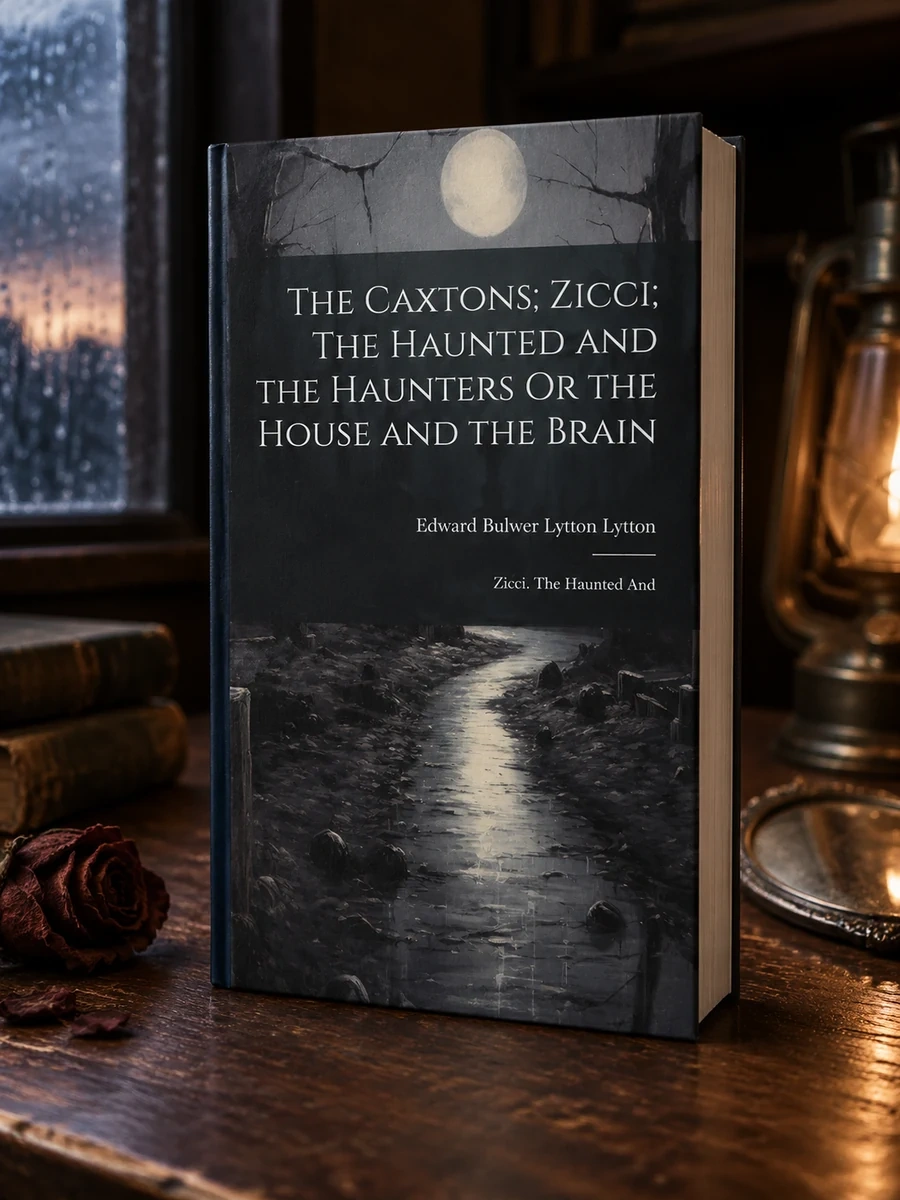



Have a question about this item?
Ask about the edition, condition, delivery or anything else — we reply by email or phone, usually within a day.
