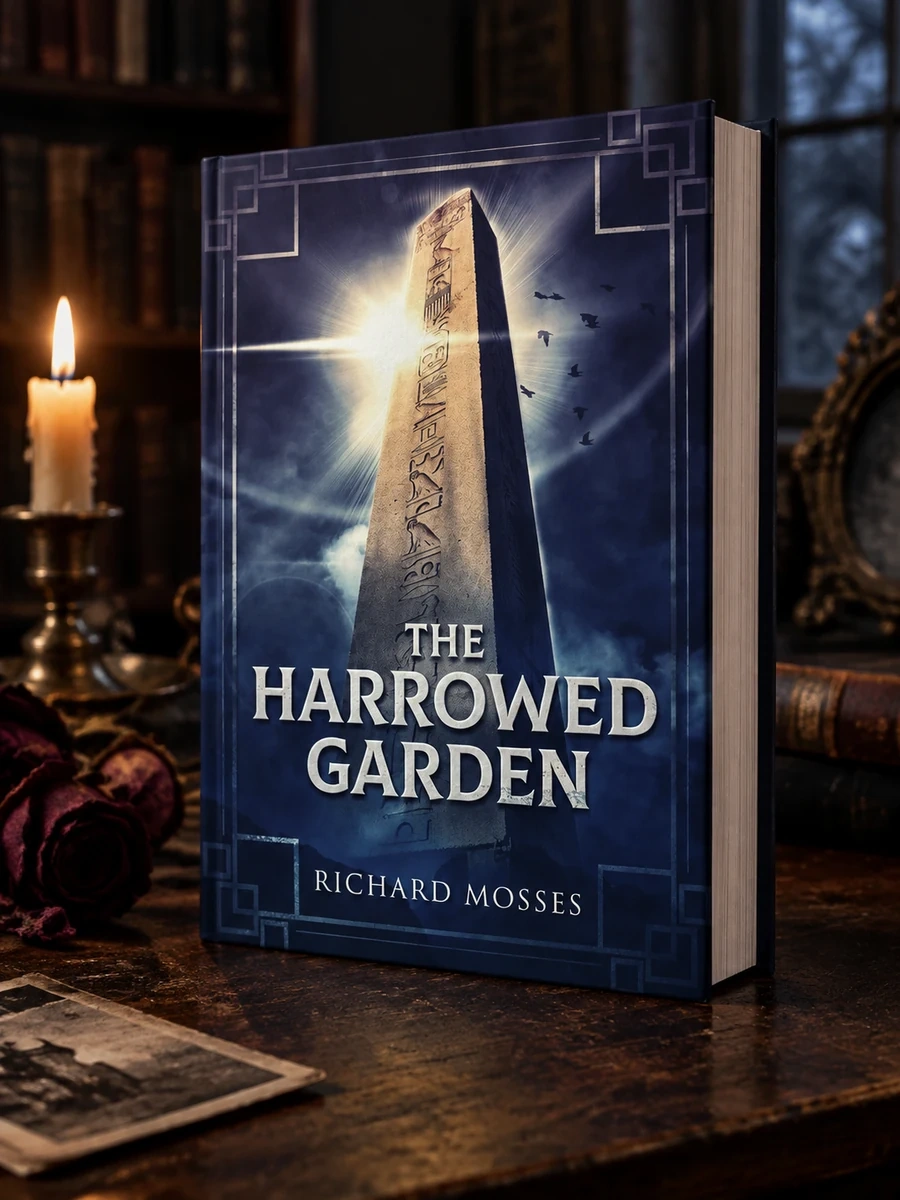
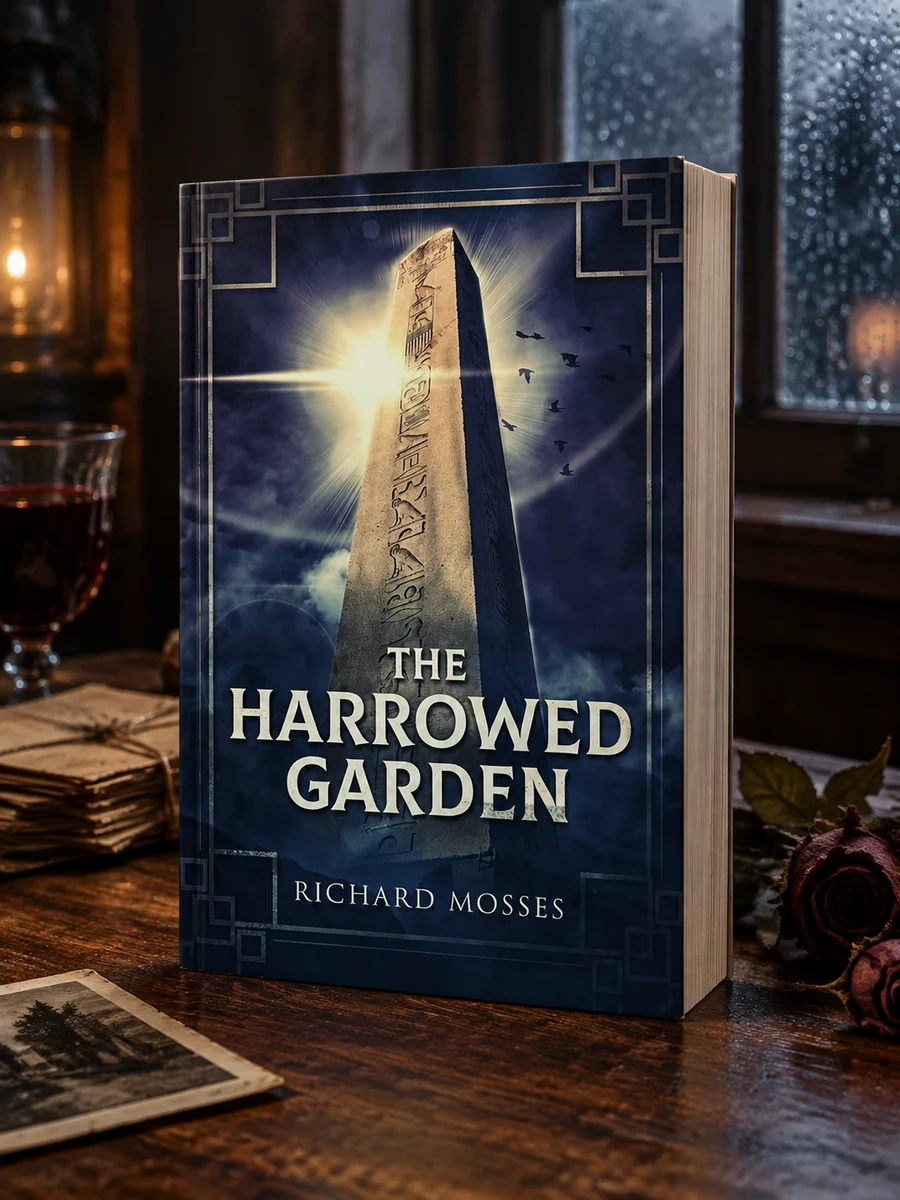
The Harrowed Garden
A haunting tale of an orphan fleeing spectral pursuit in Glasgow.
Sek escapes abuse to join runaways under Central Station, only to be haunted by the Crying Woman. His flight through Glasgow leads to Adocentyn for potential redemption. The story examines if saving oneself requires destroying heaven. Mosses blends urban grit with supernatural dread. Sek’s despair fuels his journey toward a mysterious end. The narrative avoids simple answers, focusing instead on the weight of loss and the persistence of memory. The Crying Woman acts as a constant reminder of Sek’s tragic past. Adocentyn offers no guarantee of peace, only a chance for resolution. This work appeals to fans of psychological horror who appreciate complex moral questions.
The Harrowed Garden sits within the tradition of gothic and supernatural fiction. It draws on themes of urban isolation and spectral haunting. The story is set in Glasgow, using Central Station as a key location. Richard Mosses writes from this specific cultural and literary background.


📝 Description: The Harrowed Garden
💎 Our verdict on The Harrowed Garden
📖 Why choose it
Why this book is worth reading
Readers seeking atmospheric horror and complex moral questions will find this text compelling. It appeals to those who appreciate character-driven plots involving urban isolation and the weight of loss. The narrative explores trauma and survival through a lens of spiritual haunting, offering no simple answers. Sek’s journey highlights the desperation of running from an inescapable past. Fans of psychological horror who enjoy ambiguous destinations and unresolved tension will gain much from this examination of memory and despair. It is ideal for readers tired of clear-cut resolutions, preferring instead stories that focus on the persistence of memory and the cost of freedom.
⭐ Reader reviews
Reader rating
Richard Mosses delivers a dark, atmospheric tale that blends urban grit with supernatural dread effectively. The protagonist Sek’s flight through Glasgow serves as a potent backdrop for exploring trauma and survival. The Crying Woman acts as a haunting reminder of past tragedy, ensuring the horror remains personal and inescapable. Mosses successfully questions whether escaping hell requires destroying heaven, avoiding simplistic moralizing. The narrative structure mirrors Sek’s disjointed mental state, enhancing the psychological impact. This work suits readers who appreciate complex character studies over action. It is best for those willing to engage with ambiguous endings and heavy thematic weight regarding loss and memory.
📖 Read on the blog
✍️ More books by this author Richard Mosses


🏛 Books from this publisher Next Chapter



You might also like
See more →


Have a question about this item?
Ask about the edition, condition, delivery or anything else — we reply by email or phone, usually within a day.
