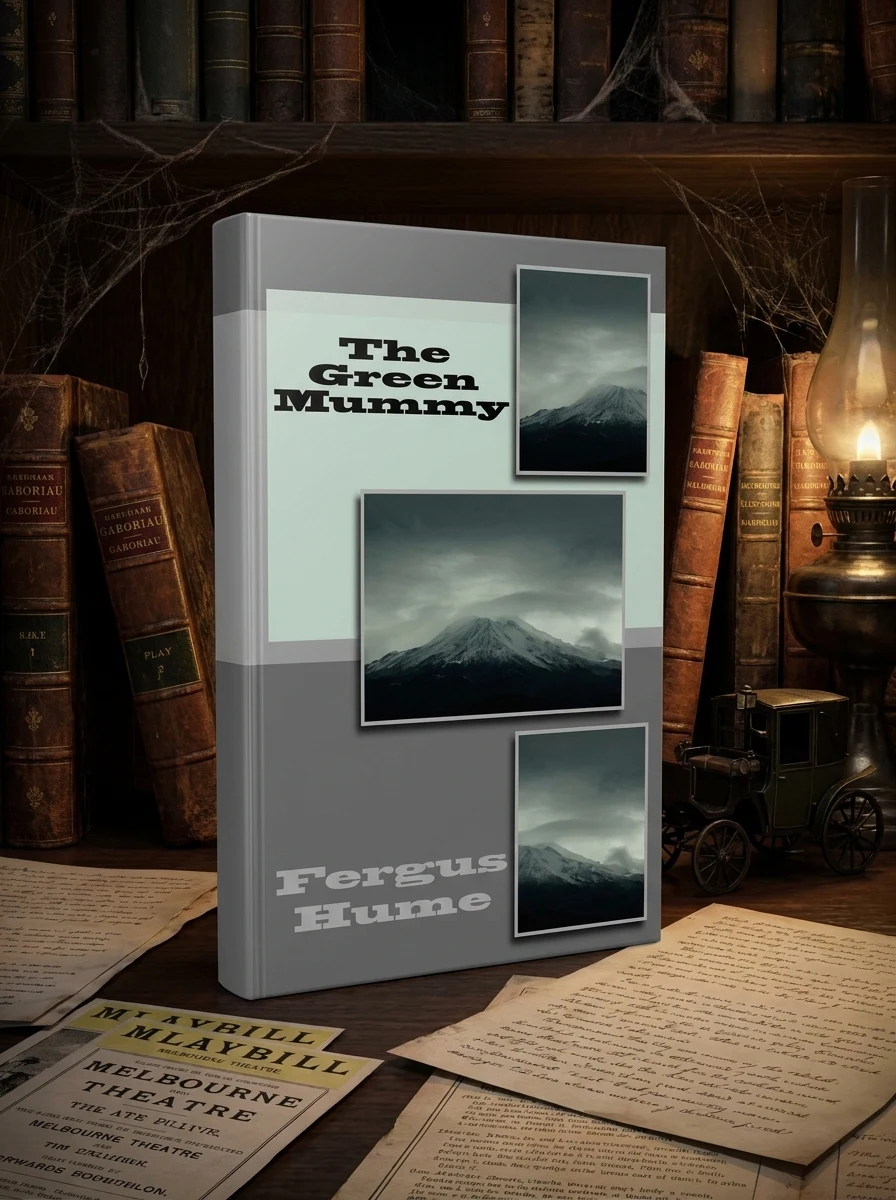
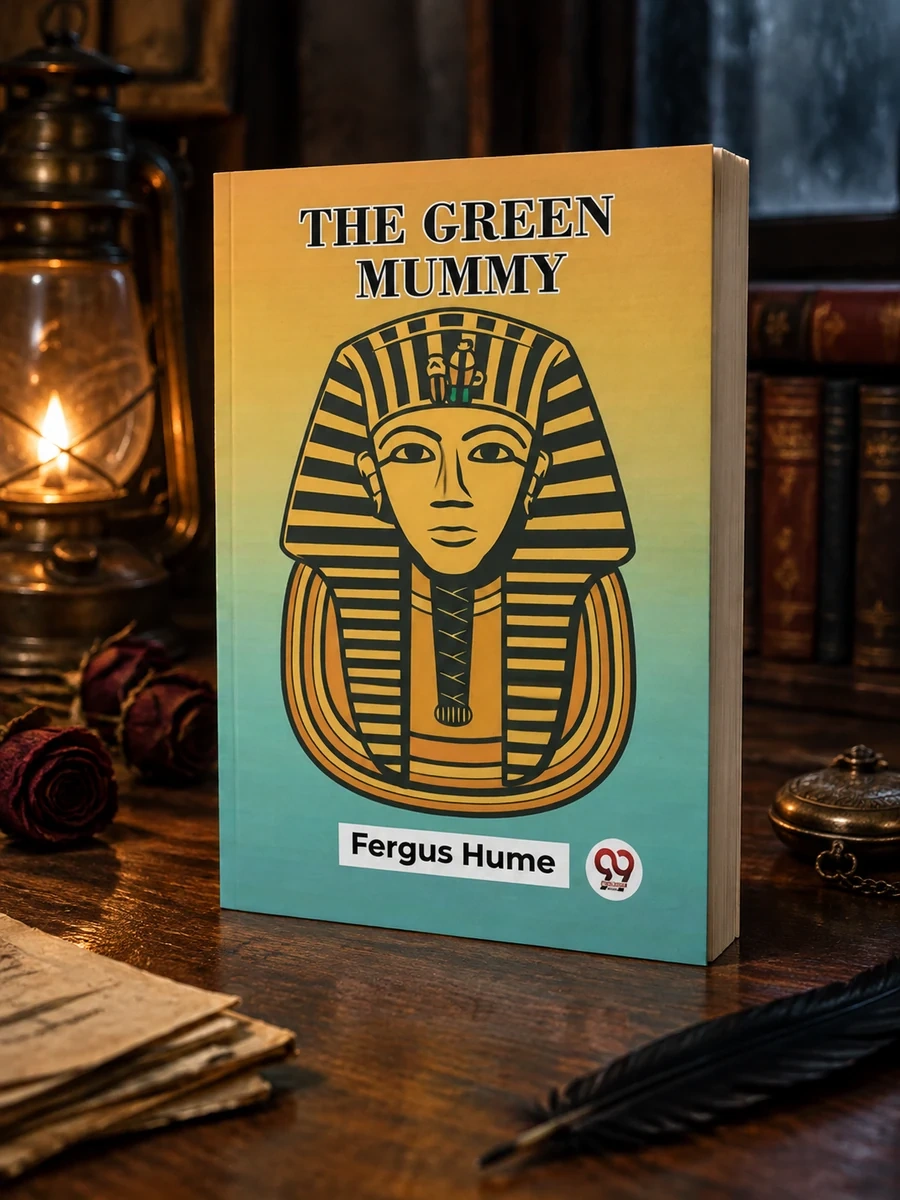
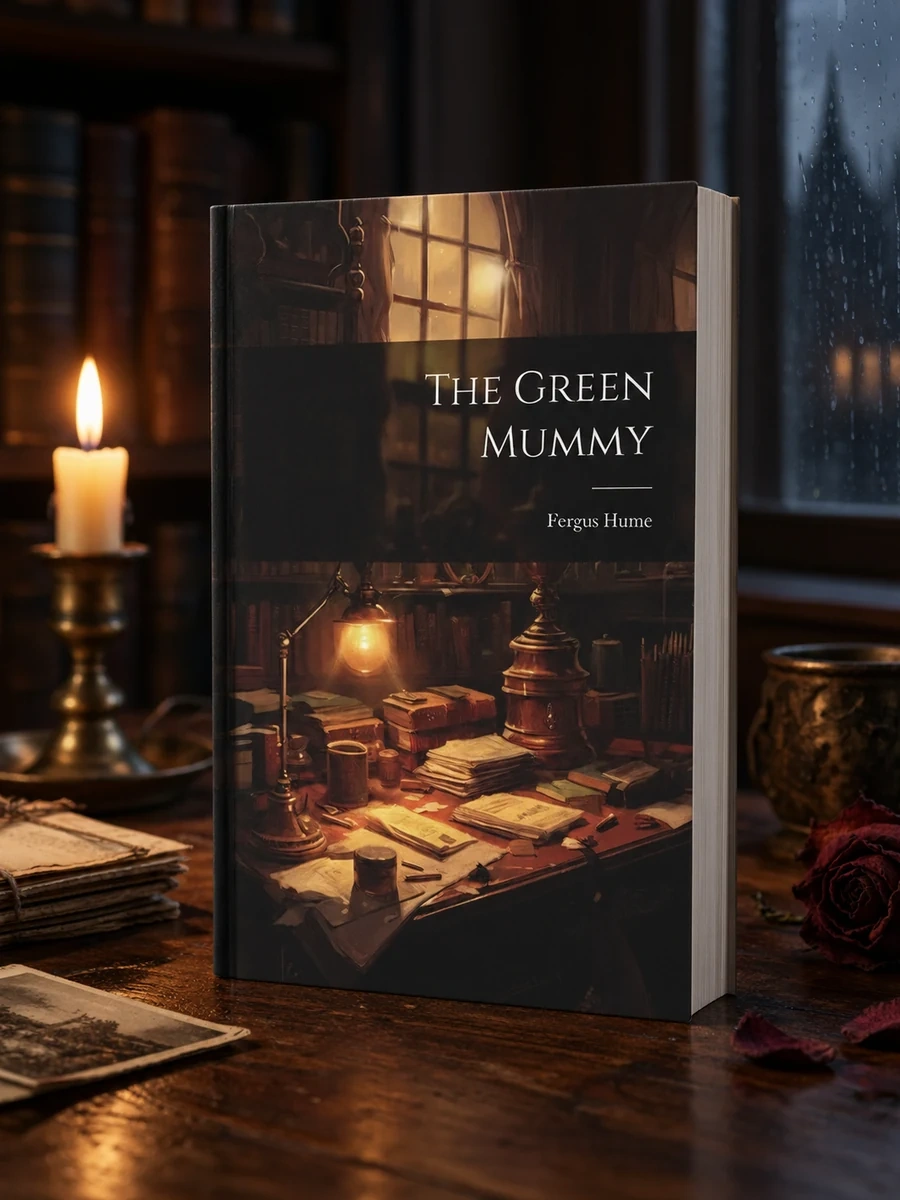
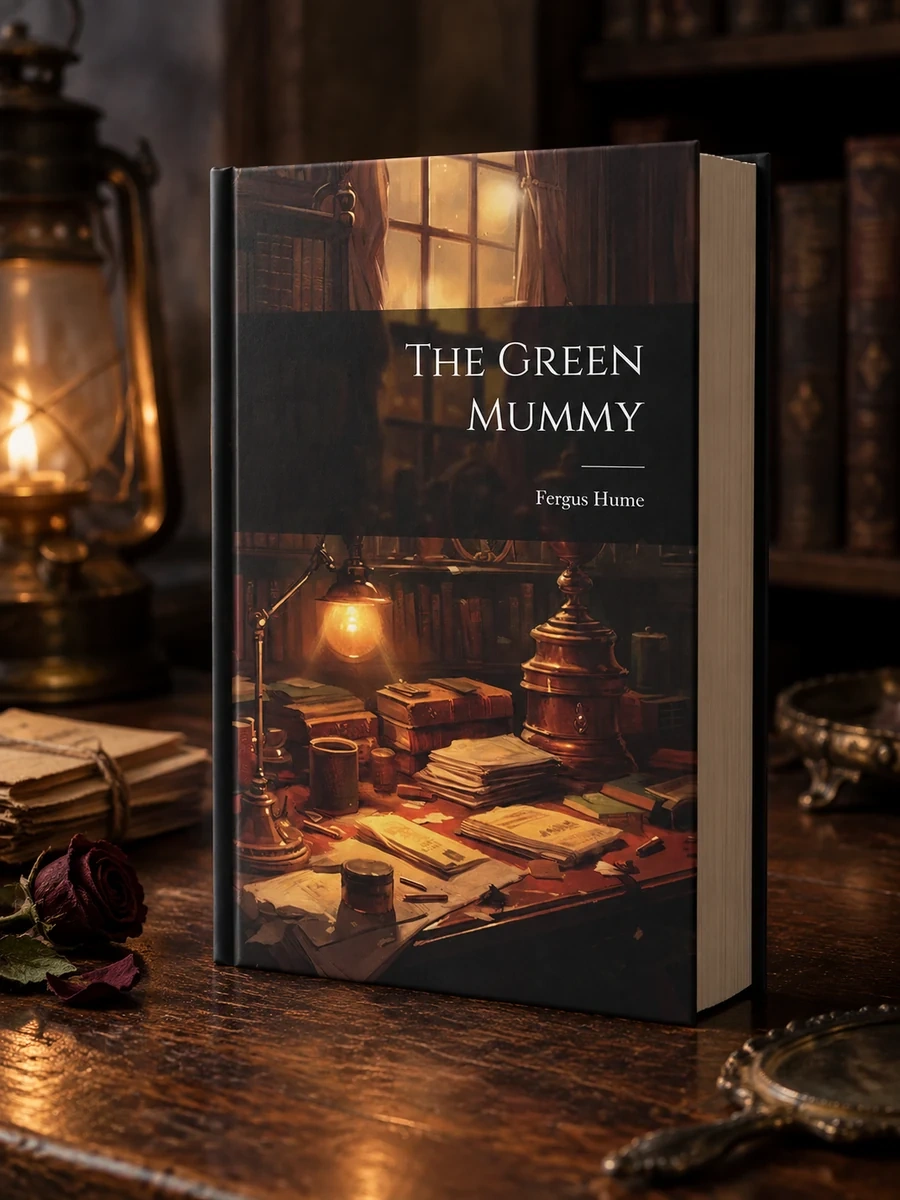
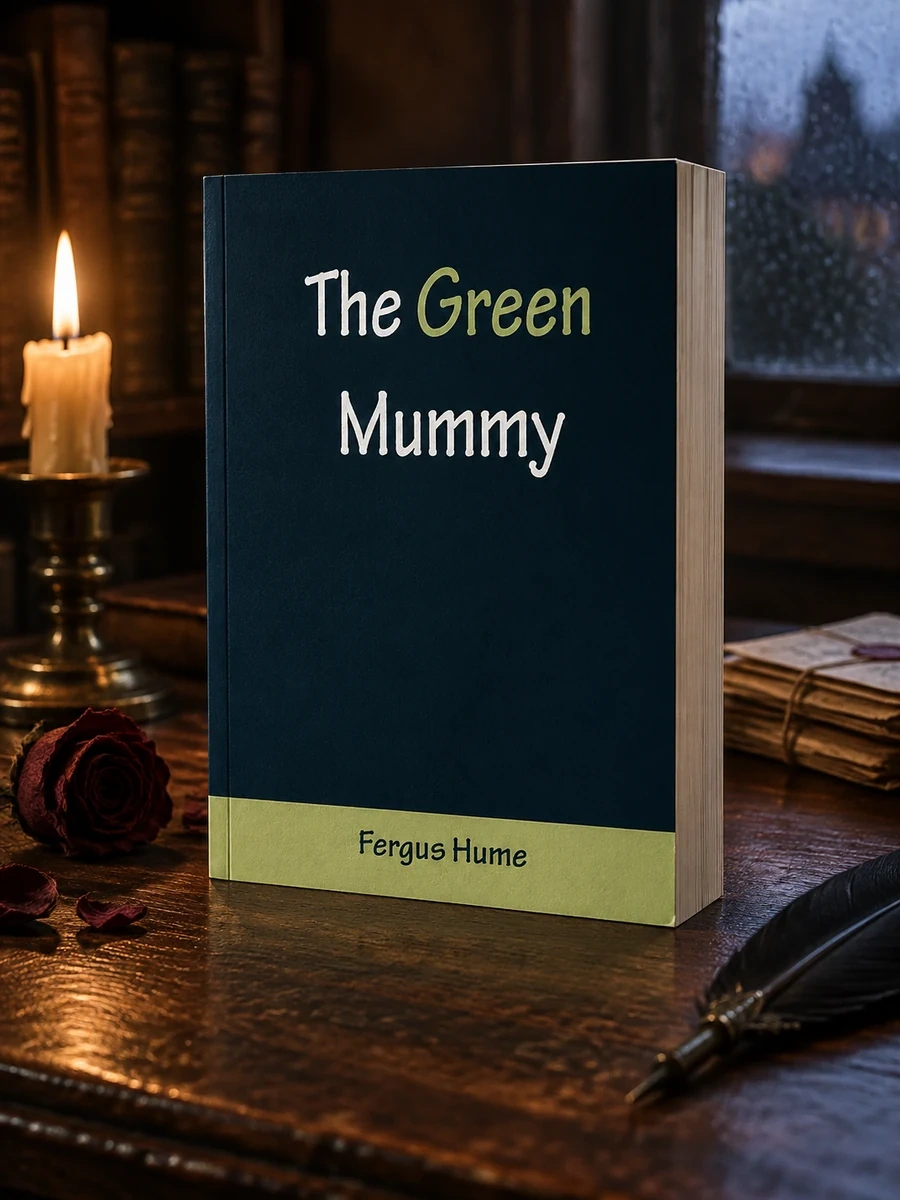
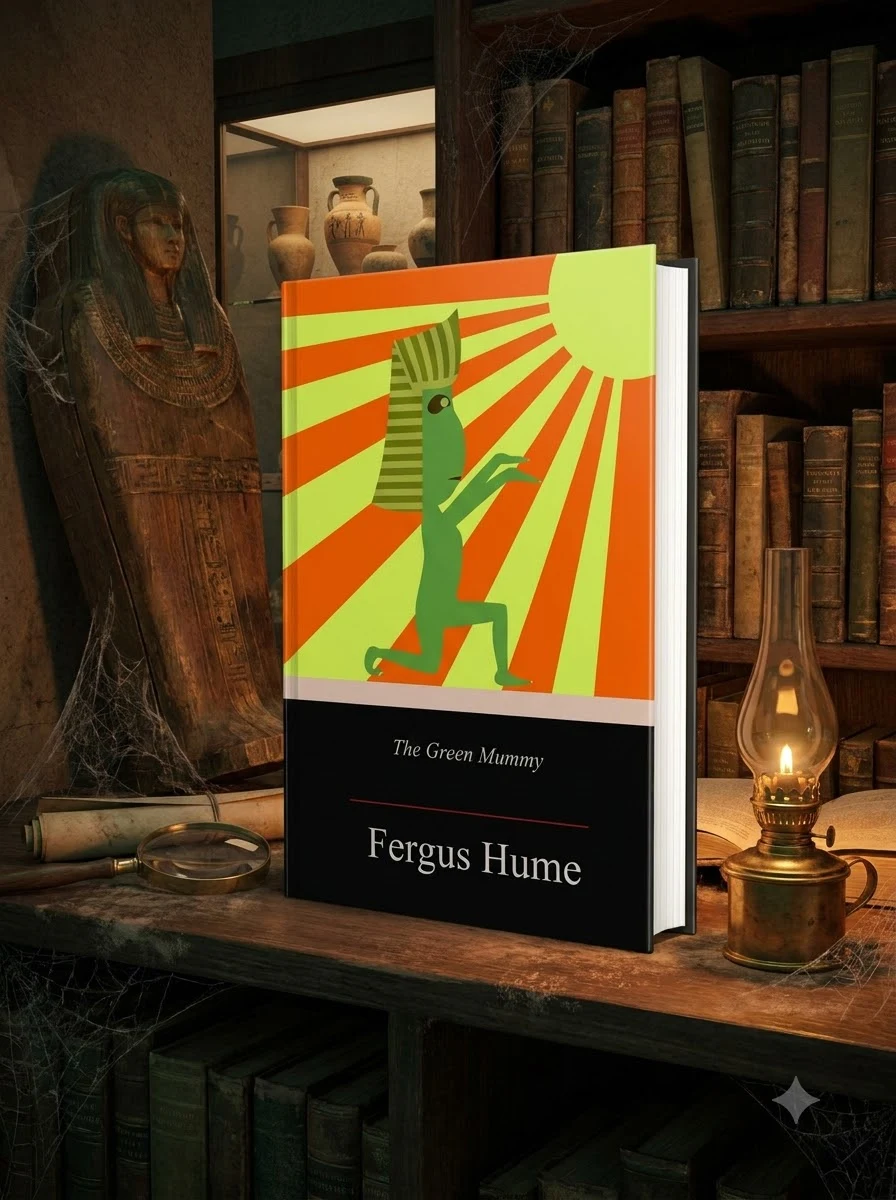
The Green Mummy
A 1908 novel by Fergus Hume blending mystery with supernatural horror elements.
Fergus Hume established himself as a significant figure in mystery literature through his self-published debut. After leaving Melbourne due to theatrical rejections, he studied Emile Gaboriau’s novels. This study led to The Mystery of a Hansom Cab, which became a great success. He then returned to England and resided in the Essex countryside for thirty years. During this period, he wrote over one hundred works, including The Green Mummy. His writing style bridges the gap between theatrical drama and detective fiction. The book reflects his background in playwriting through its structured pacing. It serves as an example of early supernatural mystery trends.
Hume wrote this work in 1908, after returning to England from Melbourne. He spent thirty years in the Essex countryside. His career began with rejected plays and shifted to novels inspired by Emile Gaboriau. This period saw the rise of popular detective fiction.


📝 Description: The Green Mummy
💎 Our verdict on The Green Mummy
📖 Why choose it
Why this book is worth reading
Readers interested in the evolution of mystery genres and the transition from theatrical drama to detective fiction will find this work valuable. It offers insight into early supernatural mystery trends and provides context for the author's literary career prior to his return to England. Those who appreciate atmospheric tension over complex plot mechanics may enjoy the structured pacing derived from the author's background in playwriting. However, seekers of modern psychological horror might find the approach dated. It serves best as a study of late nineteenth-century popular fiction and its influence on twentieth-century writers.
⭐ Reader reviews
Reader rating
The Green Mummy effectively blends mystery with supernatural horror elements, drawing heavily on gothic traditions. Hume's background in playwriting ensures a structured pacing that builds atmospheric tension rather than relying on intricate plot mechanics. This approach appeals to fans of early detective fiction mixed with eerie, supernatural themes. While modern readers seeking complex psychological depth may find the narrative slow, the book remains significant for its historical context. It illustrates the late Victorian interest in ancient curses and mummified figures. The work is a solid example of how theatrical influences shaped early mystery literature, making it essential for genre historians and enthusiasts of vintage horror.
📖 Read on the blog
✍️ More books by this author Fergus Hume
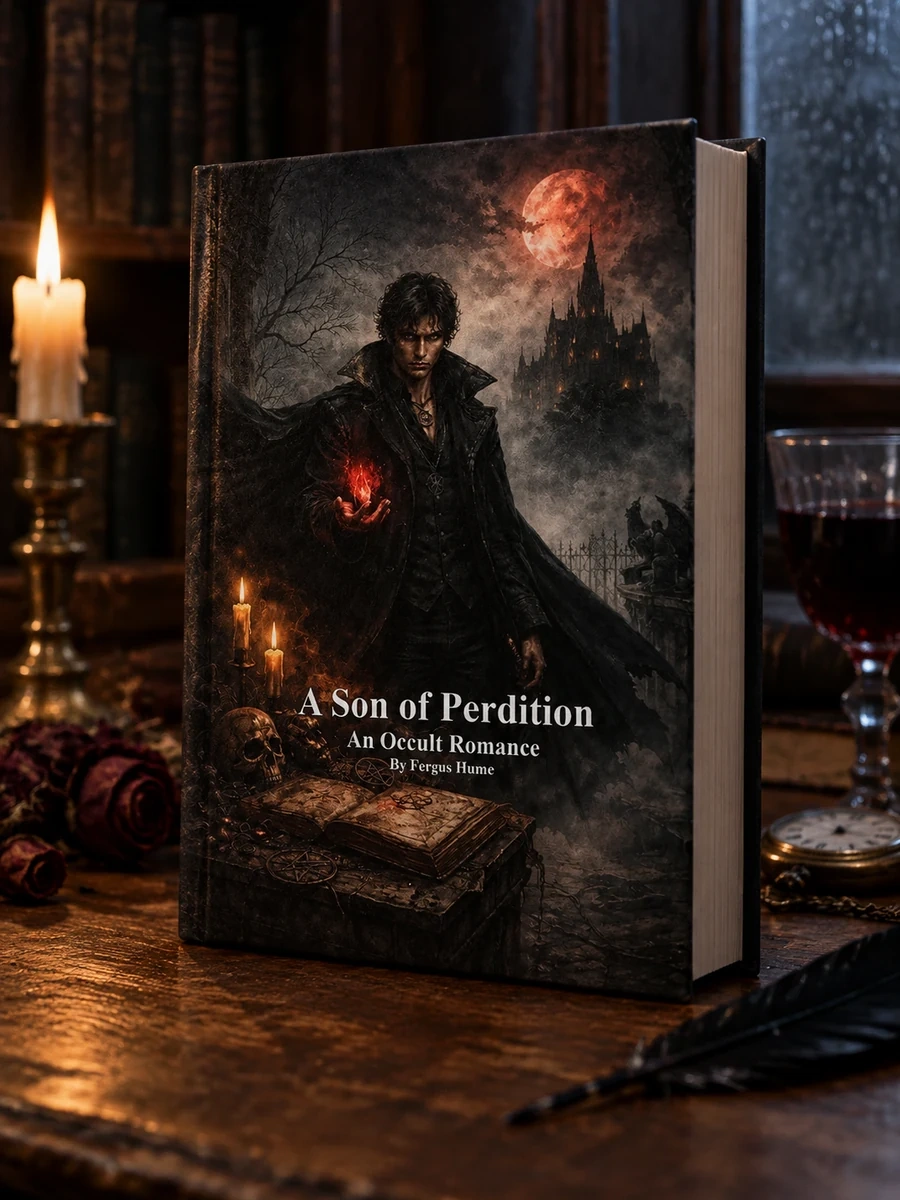


🏛 Books from this publisher Createspace Independent Publishing Platform

You might also like
See more →


Have a question about this item?
Ask about the edition, condition, delivery or anything else — we reply by email or phone, usually within a day.
